While stainless steel is widely used across many industries, not everyone knows where it comes from, how it is made so strong, corrosion-resistant, and durable, and what makes it indispensable.
If you are also unaware of the inception of stainless steel, this blog is for you. It covers the journey from steel iron ore to the final finished product. Whether you are an individual or a business searching for stainless steel suppliers near me, understanding the process will help you make the right choice when choosing the different grades.
Read on!
Stainless steel is an alloy made of iron, chromium, nickel, carbon, and other elements. Chromium is the element responsible for the protective layer that prevents the metal from rusting and corroding.
Some of the common uses of stainless steel are:
Evidently, stainless steel has varied uses, and most importantly, there is a need for quality stainless steel for these applications.
The journey of stainless steel starts with mining iron ore. It is the basic raw material that is used to extract iron. It occurs in many forms, such as hematite, magnetite, limonite, and siderite. Once extracted, it undergoes crushing, screening, and refining to remove impurities.
The key steps of processing iron ore are:
Crushing & Screening: The extracted material is screened, and smaller pieces are removed that don’t fit the crusher’s gap. The larger rocks are sent to the crusher for crushing into smaller pieces.
Grinding: The smaller rocks are then fed into the grinder to separate iron ore from the rocks.
Magnetic Separation: Unwanted materials are removed at this stage using magnets.
Pelletizing: Small pellets made from processed iron are carried to the blast furnace.
Smelting: The process in which coke and limestone are added to iron pellets. Limestone removes impurities, while coke burns in a hot air blast to produce carbon monoxide, which reduces iron oxide and produces molten iron.
Below is the detailed process of converting iron into steel:
Step 1: Ironmaking
Iron pellets are burned in a blast furnace with limestone and coke to remove impurities and create molten iron.
Step 2: Steelmaking
The molten iron is transferred to a furnace, where oxygen is blown through it to remove excess carbon. Alloying elements like chromium and nickel are added.
Step 3: Refining
To achieve precise stainless steel grades, the composition is altered to create different grades.
Step 4: Casting and Shaping
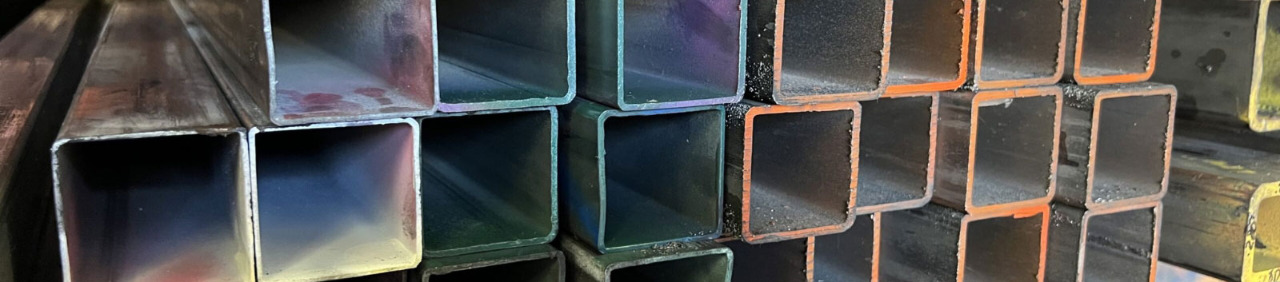
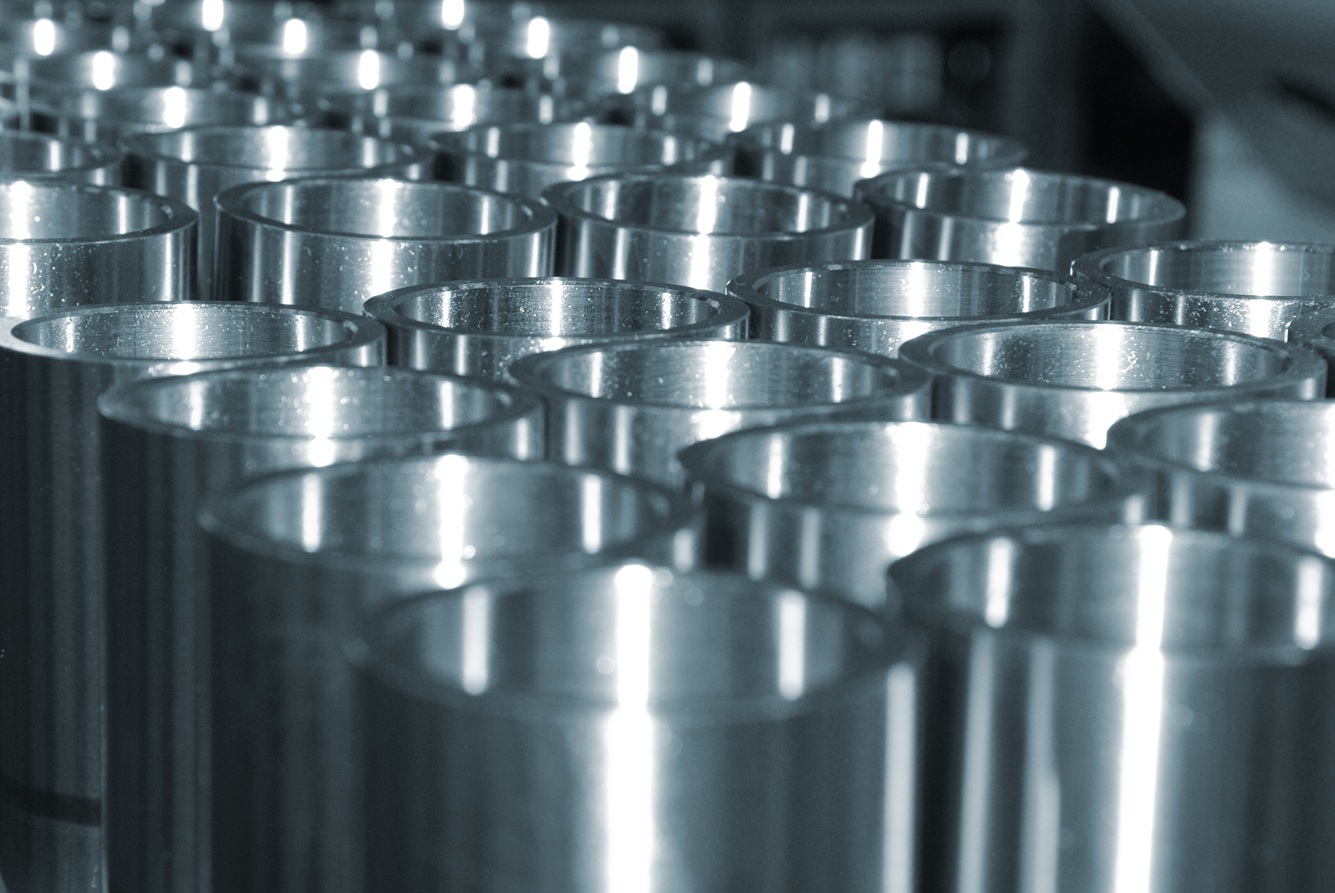
The refined stainless steel is cast into slabs and pellets. These forms are then shaped into sheets, bars, tubes, and coils to meet industry needs.
It is the stage at which a steel manufacturer ensures accuracy, consistency, and high performance.
The steps shared above are the basic ones. In addition to those, steel requires finishing to improve its performance. Processes such as hot rolling, cold rolling, annealing, and pickling improve hardness, corrosion resistance, and surface finish.
These processes are essential for manufacturers to ensure:
Manufacturers are responsible for ensuring that the steel that crosses their threshold is top-quality and ready for distribution to stainless steel suppliers.
Stainless steel sheet suppliers are not just suppliers but also important partners on your project, offering a wide range of thicknesses, surface finishes, and grades. These sheets are used across many industries, including construction, automotive, manufacturing, and heavy machinery. A good stainless steel sheet supplier offers a variety of grades. Some of the popular grades are:
When sourcing stainless steel sheets, it’s crucial to discuss your needs with the supplier so they can guide you in choosing the right quality. Expert suppliers offer this service to their clients.
Stainless steel suppliers act as the bridge between manufacturers and end users. They ensure:
Whether you are a contractor, engineer, or builder, working with a dependable steel supplier is crucial for project efficiency and consistent material quality throughout the project.
Because of its corrosion resistance and durability, stainless steel is used across multiple sectors:
Construction: Used to make railings, cladding, beams, and even interior decorative items.
Automotive: Exhaust systems, trims, and finishing touches are made using steel.
Medical: Its corrosion resistance makes it the right fit for surgical tools and hospital equipment.
Food Processing: Industrial kitchens and piping rely on stainless steel
Energy: Heat exchangers and power plant components are made of stainless steel
Stainless steel is a part of everyday life, from households to high-tech engineering; it is everywhere.
Stainless steel is one of the most recyclable metals. Up to 90% of stainless steel products are made from recycled material, making it both cost-effective and eco-friendly.
Sustainability benefits include:
Stainless steel allows companies to make eco-conscious decisions by choosing recycled steel products.
When you are in a business where stainless steel is a core component, it’s crucial to understand the journey of iron ore to stainless steel. Why? Because then you can choose a stainless steel supplier who sources stainless steel materials from quality manufacturers and guides you in making the right decision for your project.
If you are searching for the same in Albuquerque, visit us at New Mexico Metals LLC. We are the best stainless steel suppliers in town and stock the widest range of steel products to meet your specific needs.
Whether you need wholesale or retail, we are here to serve you.
Contact us today!
Que: What is the difference between steel and stainless steel?
Ans: Steel is primarily iron and carbon, but when chromium, nickel, and other elements are added, it becomes corrosion-resistant and more durable. Both have their distinct uses.
Que: How is stainless steel made from iron ore?
Ans: Iron ore is refined, processed, and alloyed with other elements to make stainless steel.
Que: Who are the leading stainless steel manufacturers?
Ans: There are multiple steel manufacturers across the US, Europe, Japan, and South Korea that produce high-quality steel.
Que: Where can I find reliable stainless steel suppliers near me?
Ans: When browsing “stainless steel suppliers near me” in Albuquerque, New Mexico Metals LLC is the best place to source top-quality steel.
Que: What are the most common stainless steel products used today?
Ans: Sheets, bars, tubes, coils, kitchen equipment, medical tools, and structural components are among the most widely used stainless steel products.

To meet the needs of both wholesale and retail customers by providing an extensive selection of metals cut to size with exceptional service.
New Mexico Metals LLC
Address: 5821 Midway Park Blvd NE # F, Albuquerque, NM 87109, United States
Phone: (505) 717-1900
FAX: (505) 717-1769
Email: info@newmexico-metals.com
8:00 AM - 5:00 PM Monday - Friday
9:00 AM - 12:00 PM Saturdays
Copyright © 2025. All Rights Reserved.
Website Design & Digital Marketing By WSI