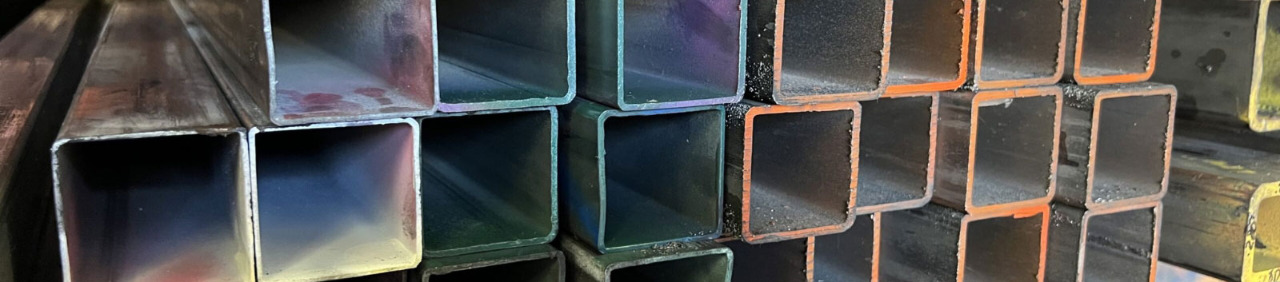
Sheet metal processing encompasses various techniques and methods, including metal notching, punching, and drilling.
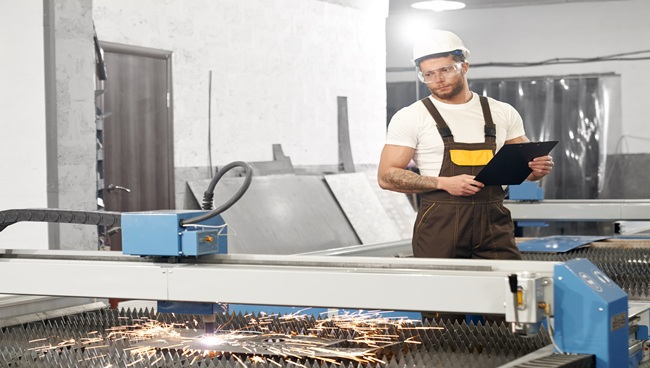
Sheet metal cutting and shearing have undergone significant advancements over the years.
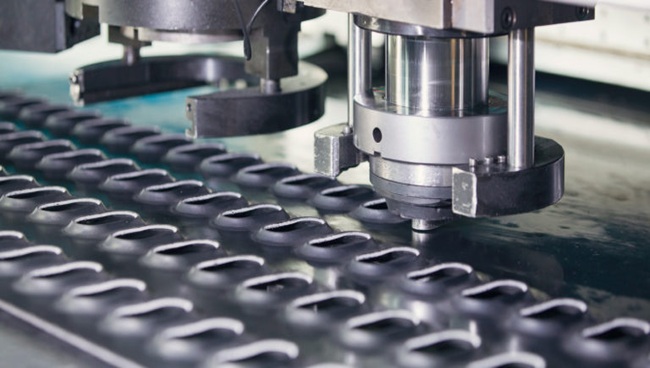
While metal cutting, sawing, and bending are often discussed, sheet metal punch holes are often overlooked.
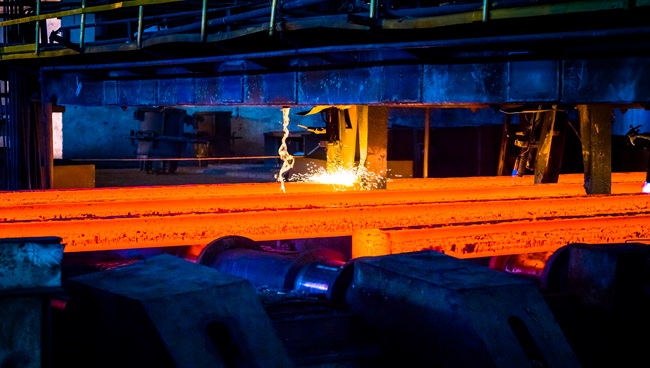
Everyone is aware of stainless steel’s journey from sheets to utensils, tables, bridges, vehicles, etc. but how is stainless steel made?
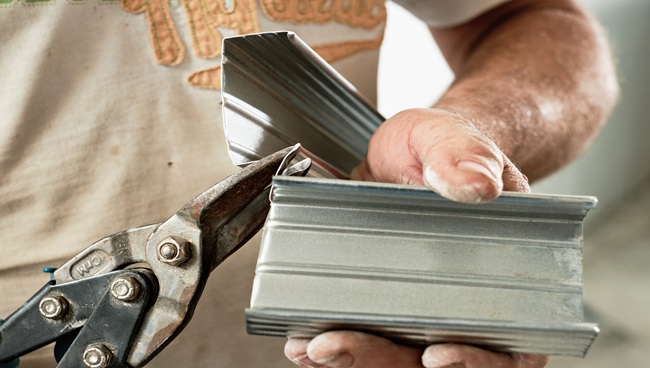
Metal is a costly resource. The process of creating sheet metal is quite rigorous. The demand for metal sheets is rising steadily as the pace of development is very fast today.
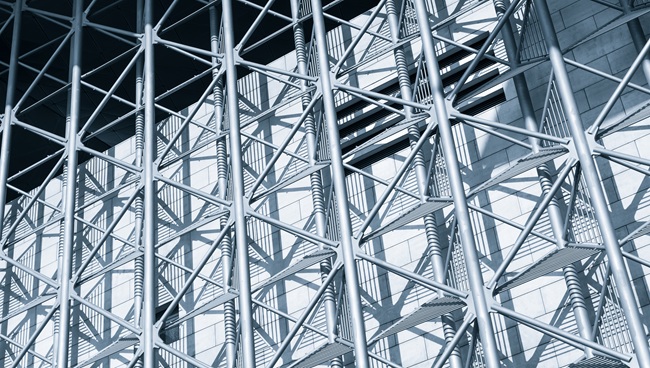
Constructing a building requires procuring all the right materials, including key metals that make it sturdy, strong, and durable.
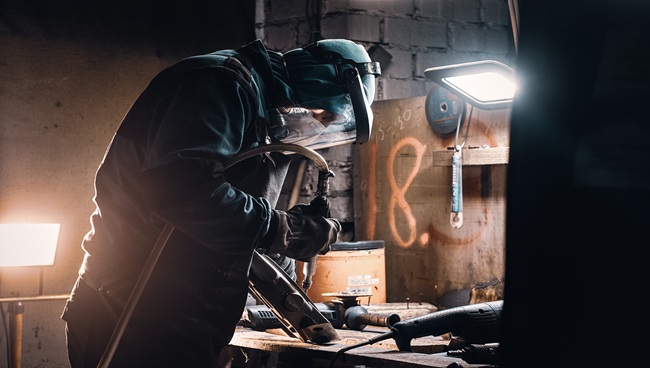
Metal cutting is achieved using several tools, including a drill press. A drill press is a cutting tool that uses metal drill bits to cut holes in metal sheets, tubes, and bars.
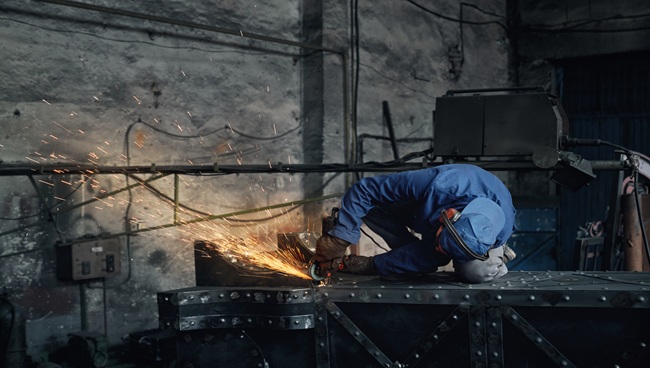
If you are a DIYer, a contractor, or part of a company that works around metals, this is a question you must ask. “Are sheet metal notchers worth the investment in 2025?”
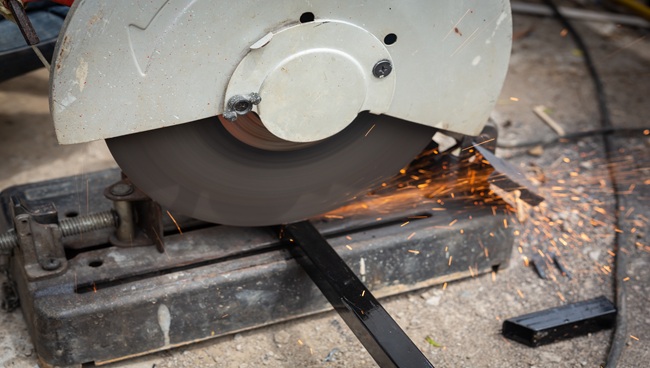
Precision is the cornerstone of metalwork. From initial cutting to the end product, precision in sheet metal cutting demands adherence to specifications.
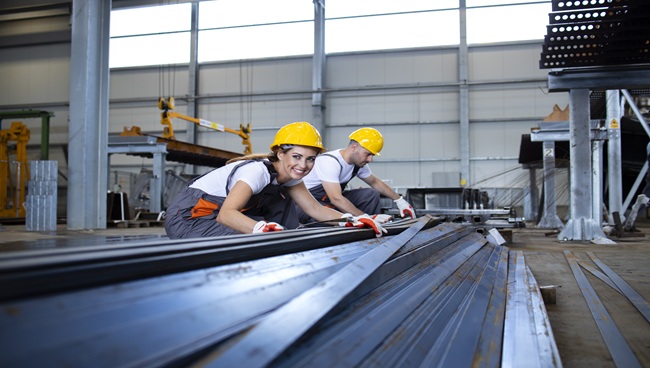
How do you think tall skyscrapers keep standing for years? Or how do the bridges keep standing even after bearing such a heavy load of thousands of vehicles daily?
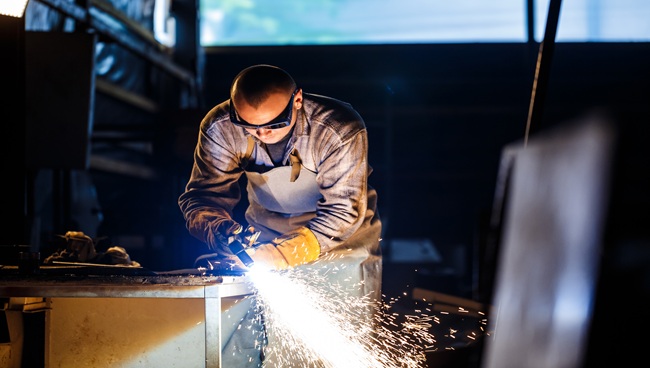
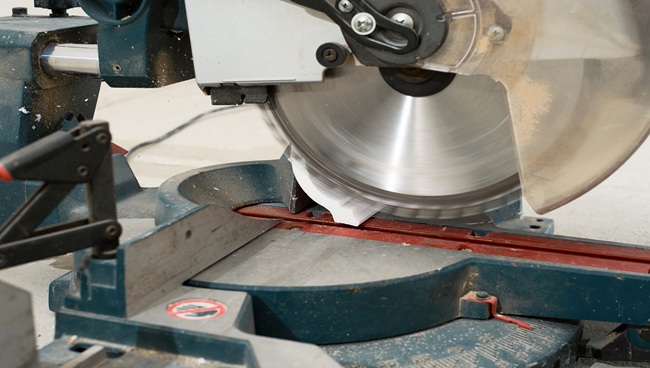
Why is it professional metal sawing? Because it differs from the manual sawing implemented for small operations using hand or powered circular saws.
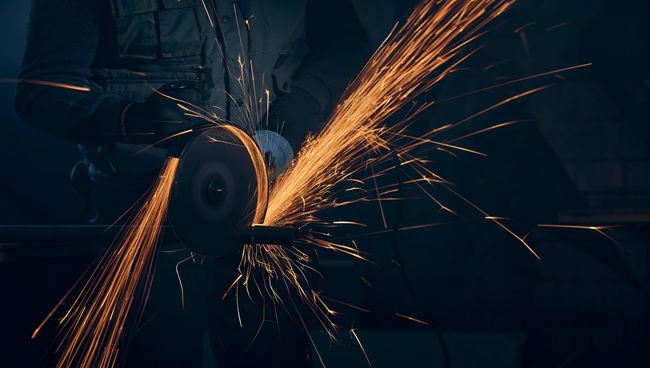
Everything around you- metal tables, chairs, desks, shelves, etc.- is made of metal. Thus, you know that metal must be sheared to be used for multiple manufacturing processes.

To meet the needs of both wholesale and retail customers by providing an extensive selection of metals cut to size with exceptional service.
New Mexico Metals LLC
Address: 5821 Midway Park Blvd NE # F, Albuquerque, NM 87109, United States
Phone: (505) 717-1900
FAX: (505) 717-1769
Email: info@newmexico-metals.com
8:00 AM - 5:00 PM Monday - Friday
9:00 AM - 12:00 PM Saturdays
Copyright © 2026. All Rights Reserved.
Website Design & Digital Marketing By WSI