Summary
Stainless steel is a part of everyone’s everyday lives. However, no one stops to think and ask what types of stainless steel pipes or grades are available until it’s for a specific purpose. Stainless steel is known for its durability, strength, and corrosion resistance. Stainless steel pipes are versatile, used in construction, plumbing, and many other applications.
Different types of stainless steel pipes are used for specific purposes, and this blog discusses them in detail.
The key highlights of the blog are:
Stainless steel is often called the most commonly used metal across industries, but its various grades and types remain unknown to many. If you are also someone who doesn’t know the various types of stainless steel pipes available in the market, their grades, and what they are used for, this blog is for you.
It discusses the various grades of stainless steel, what are their specific uses, and why choosing the right grade matters for the success of your project.
Most people consider pipes and tubing the same thing, which is wrong. The terms are often used interchangeably, but they differ in important ways.
Stainless steel pipe is typically measured by nominal pipe size and is used primarily for transporting fluids and gases in industrial systems.
Stainless tubing, on the other hand, is measured by its exact outside diameter and wall thickness. Tubing is often used in structural applications or precision systems where tighter tolerances are required.
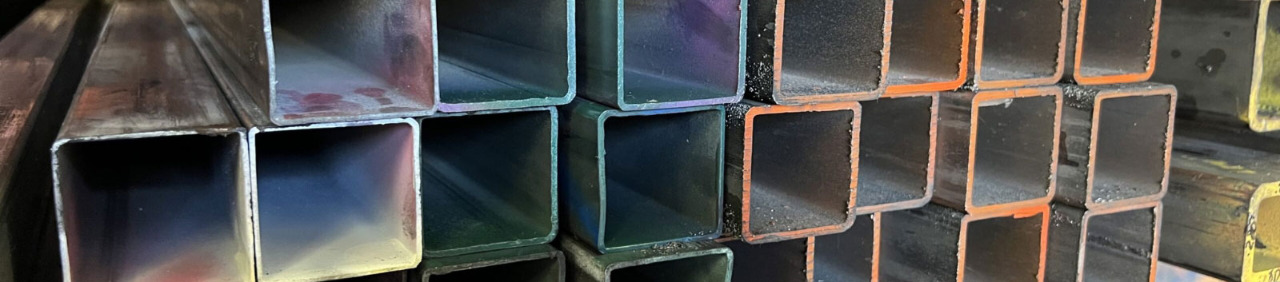
Products such as stainless steel square tubing are commonly used in construction frameworks, railings, and architectural structures.
Stainless steel pipe grades are classified based on their chemical composition and mechanical properties.
Stainless steel is an alloy of iron, chromium, nickel, carbon, and other elements. These elements determine the key properties of the stainless steel, such as corrosion resistance, strength, and temperature tolerance.
When paired with components such as stainless steel pipe fittings and compression fittings, the correct pipe grade ensures efficient system performance.
Read more: How to Bend Stainless Steel Tubing Without Damaging the Finish?
Here are some of the most commonly used stainless steel pipe grades:
Grade 304 is the most widely used stainless steel pipe grade. It offers excellent corrosion resistance, durability, and ease of maintenance. This grade is commonly used in food processing, water systems, and general industrial piping.
Grade 304L contains lower carbon content than standard 304 stainless steel. This allows it to perform better in welding applications and reduces the risk of corrosion around welded joints.
Grade 316 stainless steel contains molybdenum, which improves corrosion resistance in harsh environments. It is commonly used in marine applications, chemical plants, and coastal structures.
Grade 316L is the low-carbon version of 316 stainless steel. It offers similar corrosion resistance while improving weldability and reducing the likelihood of structural weakening during welding.
Grade 321 stainless steel is stabilized with titanium, making it highly resistant to high-temperature oxidation. It is commonly used in heat exchangers and high-temperature industrial systems.
Duplex stainless steel combines both austenitic and ferritic structures, providing superior strength and corrosion resistance compared to standard stainless steel grades.
Duplex pipes are often used in offshore oil platforms, chemical processing plants, and high-pressure piping systems. When used with high-quality stainless steel tube fittings, duplex stainless steel provides long-term reliability in demanding environments.
The stainless steel pipe grades discussed above aren’t the only ones; certain specialized alloys aren’t available in the market and are sourced for specific purposes. These specialized alloy grades include 904L, 310S, 321, 321H, etc.
Specialized grades are typically selected for industries requiring advanced corrosion resistance or high-pressure performance.
Read more: 5 Reasons Local Stainless Steel Suppliers Are Game-Changers
Selecting the right grade depends on multiple factors, such as:
Consulting experienced stainless steel suppliers is crucial for making the right choice.
Stainless steel pipes play a crucial role across industries, so choosing the right grade is more critical than it seems. Whether you are sourcing stainless steel pipes for fluid transport or plumbing, you must consider all the relevant factors before making the choice.
Consult stainless steel tubing suppliers, explore the various fittings and grade types, and choose a grade that best suits your needs.
If you need stainless steel pipes in Albuquerque, contact New Mexico Metals LLC, the renowned suppliers in the area.
We supply top-quality stainless steel pipes and tubings and can source specialized alloys if needed. For both retail and wholesale needs, you can reach out to us.
Contact us today!
Que: What is the most commonly used stainless steel pipe grade?
Ans: Grade 304 stainless steel pipe is the most commonly used because it provides a strong balance of corrosion resistance, durability, and affordability.
Que: What is the difference between 304 and 316 stainless steel pipe?
Ans: The main difference is that 316 stainless steel contains molybdenum, which improves corrosion resistance, especially in marine or chemical environments.
Que: Can stainless steel pipe and stainless tubing be used interchangeably?
Ans: These are two different stainless steel products and should only be used for their defined purposes.
Que: Are stainless steel pipe fittings grade-specific?
Ans: Yes. Stainless steel pipe fittings should match the grade of the pipe to ensure compatibility and proper performance.
Que: How do I choose the right stainless steel tubing supplier?
Ans: You need suppliers who stock a huge variety of grades and metals, who are licensed, certified, knowledgeable, and offer metal-related services.

To meet the needs of both wholesale and retail customers by providing an extensive selection of metals cut to size with exceptional service.
New Mexico Metals LLC
Address: 5821 Midway Park Blvd NE # F, Albuquerque, NM 87109, United States
Phone: (505) 717-1900
FAX: (505) 717-1769
Email: info@newmexico-metals.com
8:00 AM - 5:00 PM Monday - Friday
9:00 AM - 12:00 PM Saturdays
Copyright © 2026. All Rights Reserved.
Website Design & Digital Marketing By WSI