Summary
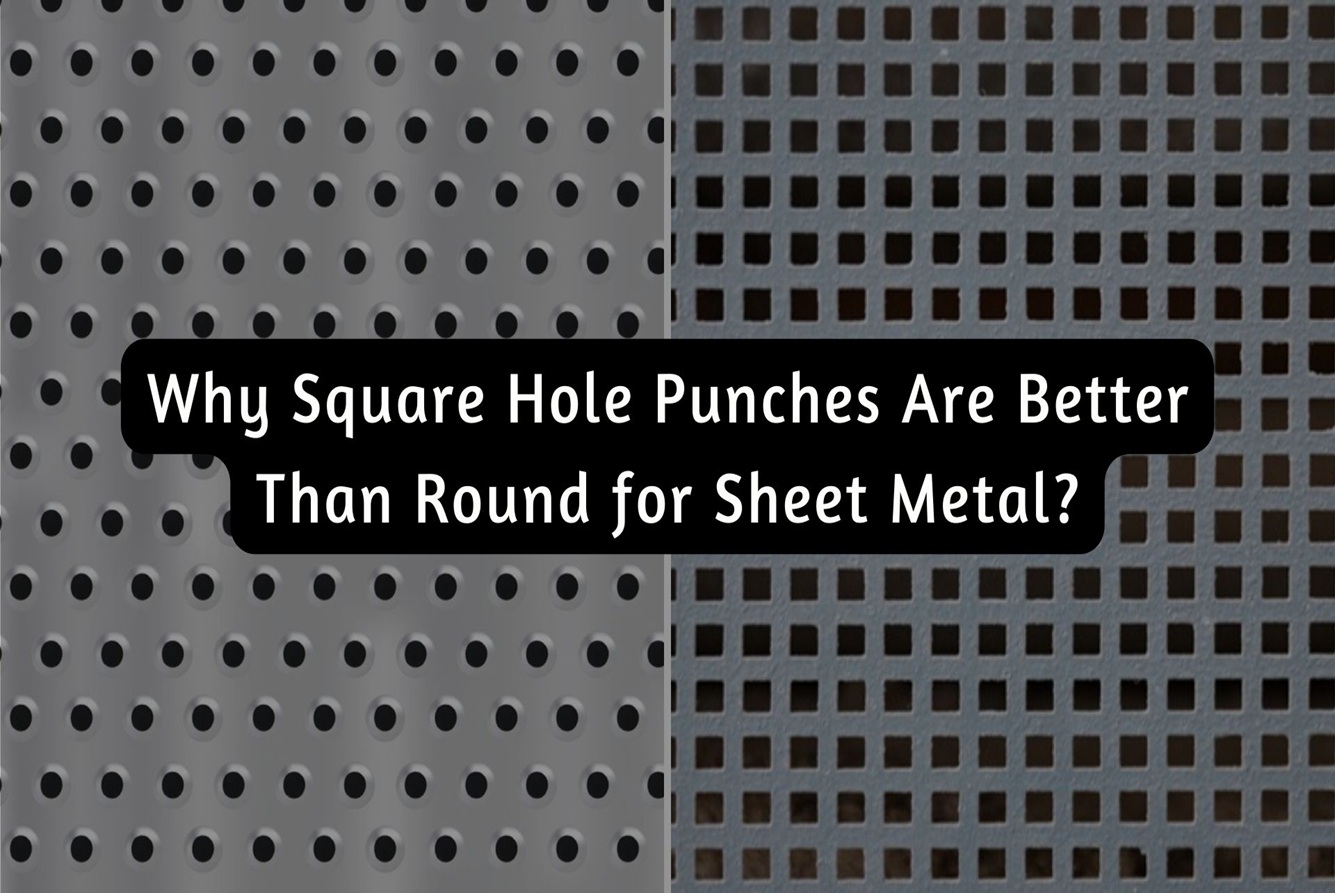
When you think of metal punching, the first thing that comes to mind is a round punch. Why not a square one? Square hole punching is also very popular and has specific structural advantages. A square-hole punch for metal produces clean edges and accurate shapes that support stronger mechanical connections in sheet-metal components.
Check out how it offers better alignments and improved load distribution.
The key highlights of the blog are:
Creating accurate holes in sheet metals is a crucial part of many industrial and construction processes. However, more often than not, a round hole punch is the first thought that comes to mind when you think of metal punching.
A square hole punch also has its specific uses and is known to improve structural engagements and offer better alignment.
If you are considering metal punching for your next project, read this blog to explore square-hole punching for metal and how contractors can achieve highly precise shapes that support reliable installations.
A square hole punch is designed to create square-shaped holes in sheet metal. While round hole punches are standard, square pouches create corners that allow better contact between fasteners and metal components.
A square hole punch uses a punch-and-die mechanism to create clean, accurate shapes in a single operation. These tools are commonly used in electrical panels, industrial enclosures, mounting brackets, and structural systems.
“Round or square punch- what does it matter?”
One might think so, but the truth is that it makes a big difference. Both are used in sheet metal processing, but their functions differ.
Round punches are typically easier to manufacture and work well for general-purpose holes. However, square punches provide better mechanical engagement with square bolts, specialty fasteners, and structural components.
A square punch creates a more stable connection by preventing fasteners from rotating, which is especially beneficial in applications requiring secure fittings.
Here is why square hole punches are superior to round hole punches in several cases:
Square holes distribute load across flat edges rather than a curved surface. It allows bolts or connectors to fit more securely, reducing the likelihood of movement during operation.
Using a square hole punch for metal ensures stronger engagement between components, making it ideal for structural assemblies.
Square fasteners, carriage bolts, and specialty connectors fit more securely in square holes. A square punch cutter produces openings that match the geometry of these components, preventing unwanted rotation.
The improved fit helps maintain stability in structures exposed to vibration or heavy loads.
Thanks to a square punch, installers can align components more precisely. The defined corners of square holes act as reference points, ensuring accurate positioning during assembly.
Better alignment reduces installation errors and improves overall efficiency.
Although square punching tools may initially appear more specialized, they improve overall project efficiency.
Using a square punch for metal eliminates the need for additional modifications or secondary shaping that might be required when using round holes. It reduces labor time and helps ensure consistent results.
In addition, square punches can minimize assembly errors, thereby lowering rework costs and improving productivity.
Here are the various industries that rely on square hole punches for precision and reliability:
Despite the distinct advantages of a square hole punch, the round hole punches remain useful and serve important roles. Round holes are preferred for applications involving pipes, tubing, fasteners, and others.
Round punches are also simpler to produce and may be more suitable for very thin sheet metal, where corner stress could be a concern.
It’s an important question because there are several factors to consider when choosing a square hole punch for metal:
For example, a 1-inch-square hole punch is often used for structural fasteners, while a larger square hole punch may be required for heavy-duty equipment or industrial panels.
Here are some tips to produce the best possible results with a square hole punch:
This blog discussed the various advantages and applications of a square hole punching machine. If you have never used it before for a project, it’s wise to choose an expert to do it for you, be it a personal or an industrial project.
Choose New Mexico Metals LLC as your metal punching partner for quality results. We have the expertise and tools to deliver the results you need. Whether you have a retail or wholesale need, we can fulfill it. Our trained staff ensures that our techniques help you achieve success on your project.
Contact us today to learn more about our services.
Que: Why are square hole punches better than round ones for sheet metal?
Ans: Square punches and round holes in metals both have their distinct purposes; however, square holes allow for better alignment, even load distribution, and prevent fasteners from rotating.
Que: What materials can a square hole punch for metal be used on?
Ans: Square punches are commonly used on steel, aluminum, stainless steel, and other sheet metals.
Que: Are square sheet metal punches more expensive than round punches?
Ans: Square punches can be slightly more specialized, but they often reduce overall project costs by improving installation efficiency.
Que: Can square hole punches be used on thick sheet metal?
Ans: Yes, heavy-duty tools such as a large square-hole punch can handle thicker sheet metal.
Que: Do square holes weaken sheet metal compared to round holes?
Ans: When properly designed and positioned, square holes maintain structural integrity and can even improve component stability in certain applications.

To meet the needs of both wholesale and retail customers by providing an extensive selection of metals cut to size with exceptional service.
New Mexico Metals LLC
Address: 5821 Midway Park Blvd NE # F, Albuquerque, NM 87109, United States
Phone: (505) 717-1900
FAX: (505) 717-1769
Email: info@newmexico-metals.com
8:00 AM - 5:00 PM Monday - Friday
9:00 AM - 12:00 PM Saturdays
Copyright © 2026. All Rights Reserved.
Website Design & Digital Marketing By WSI