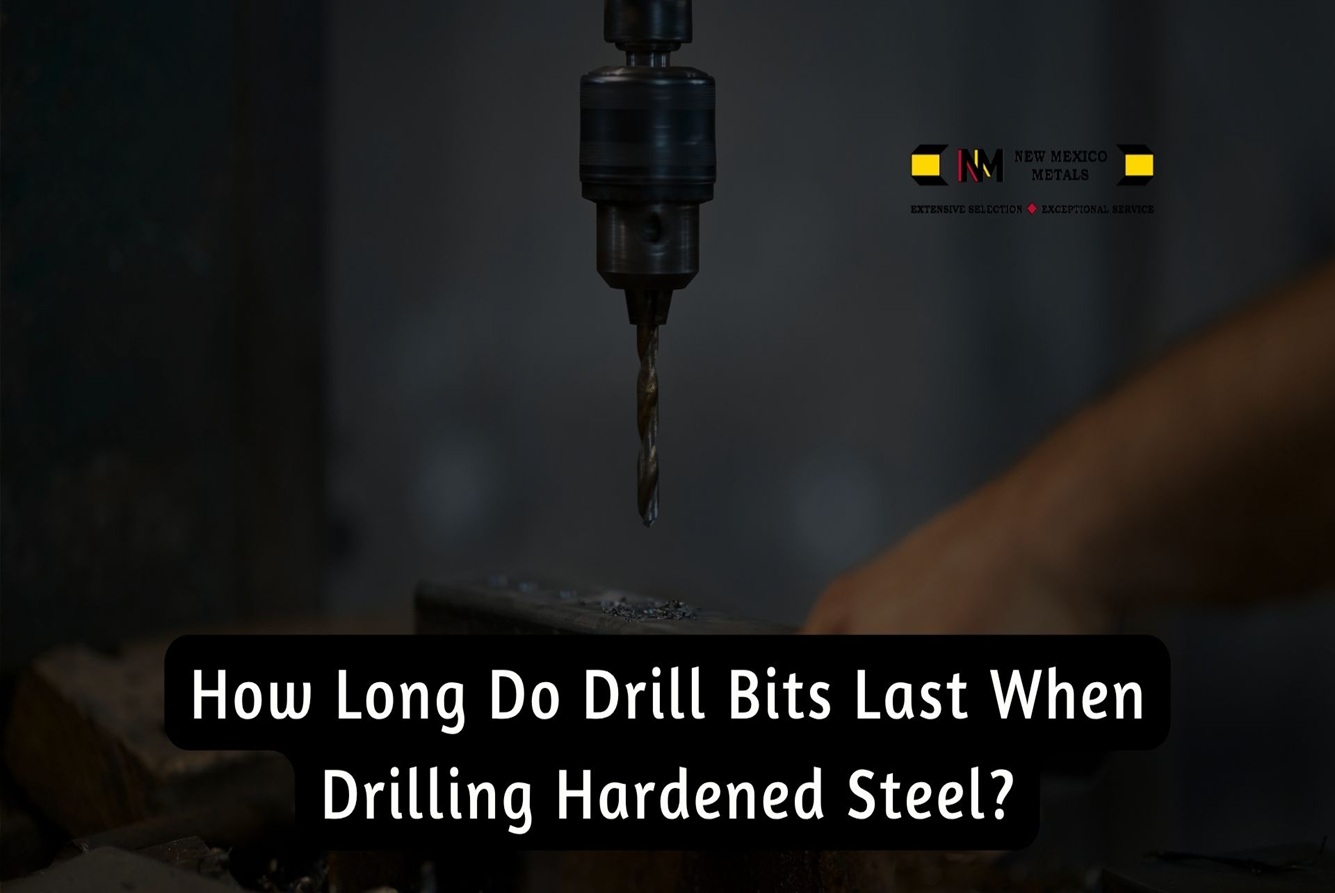
Drilling hardened steel requires specialized tools, because using the wrong drill bit will not only render the metal useless but also damage the bit. Why is it important? Because drill bits are an investment, you must not let them go to waste.
When it comes to hardened steel, high-quality bits are designed to withstand extreme pressure and friction, but their lifespan depends heavily on drilling conditions and the equipment used.
Why you need the right setup and why extending drill life is necessary are discussed in detail in the blog.
Drilling hardened steel is a demanding job. While the hardness and durability of steel are crucial for many projects, they pose challenges during drilling. Using a standard drill bit only adds to those challenges.
For this reason, choosing the right drill bits for hardened steel and using proper equipment, such as a metal drill press, is essential for successful metal drilling.
This blog discusses tips for extending the lifespan of drill bits for hardened steel, common mistakes to avoid, and why you should choose an expert for drilling hardened steel.
Read on!
Many factors impact the life of drill bits, which are discussed below:
The material and coating used on the drill bits play a major role. High-speed steel (HSS), cobalt, and carbide drill bits are commonly used for drilling hardened metals.
Cobalt drill bits are particularly popular because they retain hardness at high temperatures, making them ideal for drilling hardened steel. Advanced coatings such as titanium nitride or black oxide further improve wear resistance.
Steel has many types. There is carbon steel, stainless steel, high-strength structural steel, etc., and these are not the same. They have different hardness levels and structural properties. Harder steel types generate more friction, which shortens drill bit life.
For example, drill bits for stainless steel are designed to handle corrosion-resistant alloys that behave differently during drilling compared to hardened carbon steel.
Drilling is not just about speed; it’s about balancing speed, pressure, and heat control. High speeds generate heat that weakens the cutting edges, while excessive pressure can cause premature dulling.
Applying coolant is advised to protect both the metal and the drill bits.
The lifespan of drill bits for hardened steel depends on drilling conditions, material hardness, and equipment used. Under optimal conditions, a high-quality cobalt drill bit may last through dozens of holes in hardened steel before requiring sharpening.
However, if drilling is performed without proper lubrication or speed control, drill bits dull after only a few holes.
The best way to extend the lifespan of drill bits is to understand the metal they’re cutting and use an appropriate drill bit.
Professional steel-drilling services use advanced machinery and techniques to ensure drill bits remain effective for longer.
Several drill bit types are commonly used for hardened steel applications:
Cobalt drill bits: Known for excellent heat resistance and durability
Carbide drill bits: Extremely hard and suitable for heavy-duty drilling
Titanium-coated drill bits: Provide added protection against wear
These tools are specifically designed to handle the stress of drilling hardened materials.
Specialized drill bits for stainless steel are designed to cut smoothly while minimizing heat buildup. Using the right drill bit type improves drilling accuracy and reduces the risk of tool failure.
The equipment used greatly influences drill bit longevity. A metal drill press provides stable alignment, consistent speed control, and even pressure distribution.
Many professionals prefer using the best drill press for metal because it allows precise adjustments to speed and feed rate. This level of control prevents overheating and helps maintain sharp cutting edges.
Here are a few tips to extend the lifespan of the drill bits:
These techniques improve efficiency and prevent unnecessary tool wear.
Avoid the following drilling mistakes to achieve the best results:
Drill bits can be sharpened, but there comes a time when replacing them is the wiser choice. Severely worn drills cannot maintain proper cutting geometry and impact accuracy.
If the drill bit has visible cracks, chipped edges, or excessive wear, replacing it is typically more effective than resharpening it.
Drilling hardened steel causes drill bits to wear excessively. If you attempt metal drilling, you need to maintain your drill bits and take appropriate measures to extend their lifespan. Drill bits can be expensive, and if you are working on a project that requires precision and accuracy, it’s wise to consult a professional. They have the expertise and tools, and it is a more cost-effective choice.
Consult New Mexico Metals LLC for steel drilling services in Albuquerque. We offer all metalworking services and supply only top-quality metals.
Contact us today!
Que: How long do drill bits last when drilling hardened steel?
Ans: They can last through a dozen holes when used properly.
Que: Are drill bits for stainless steel suitable for hardened steel?
Ans: Some stainless steel bits can be used on hardened steel, but specialized cobalt or carbide bits are more effective.
Que: What is the best drill press for metal drilling?
Ans: The best drill press allows precise speed control, stable alignment, and adjustable pressure settings.
Que: Can overheating ruin drill bits during metal drilling?
Ans: Yes, excessive heat can soften the drill bit material and quickly dull the cutting edges.
Que: Is resharpening drill bits effective for hardened steel?
Ans: Yes, resharpening restores cutting performance if the drill bit is not excessively worn.

To meet the needs of both wholesale and retail customers by providing an extensive selection of metals cut to size with exceptional service.
New Mexico Metals LLC
Address: 5821 Midway Park Blvd NE # F, Albuquerque, NM 87109, United States
Phone: (505) 717-1900
FAX: (505) 717-1769
Email: info@newmexico-metals.com
8:00 AM - 5:00 PM Monday - Friday
9:00 AM - 12:00 PM Saturdays
Copyright © 2026. All Rights Reserved.
Website Design & Digital Marketing By WSI