
Steel bending is one of the most common metalworking processes, bending flat or tubular metals into functional structures. When the right equipment is used and the right techniques are applied, the results are excellent. That’s the reason why it is commonly used across several large-scale industries to produce thousands of identical products and components. As for the question of how accurately steel bends are achieved, this blog will answer it.
Steel bending is not as straightforward a process as it seems. Steel is considered a malleable metal, but bending it requires a deep understanding of the metal, its various grades, and the right tools to achieve the desired results.
Steel bending turns flat and tubular metal into functional components that are sold as finished products or used for further processing or assembly. In short, it is crucial and requires accuracy and precision.
This blog discusses the complete steel bending guide to help you achieve clean, accurate bends.
Steel is known for its strength, durability, and versatility. However, these properties also affect its behavior during bending.
Some of the important properties of steel include:
These properties must be considered when using a sheet metal bender or other bending equipment.
Steel is bendable, but there are some common challenges:
Using the right techniques and tools helps reduce these issues and maintain clean bends.
A sheet metal bender is used to create straight bends and precise angles. It can produce consistent results with minimal distortion.
The tool features a rotating roller. The metal passes through the rollers to create curved shapes, cylinders, and arcs.
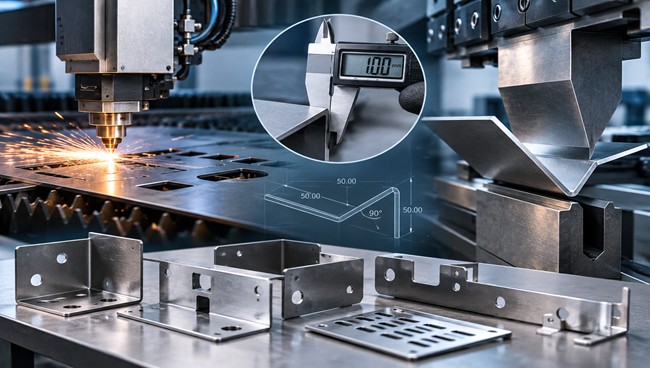
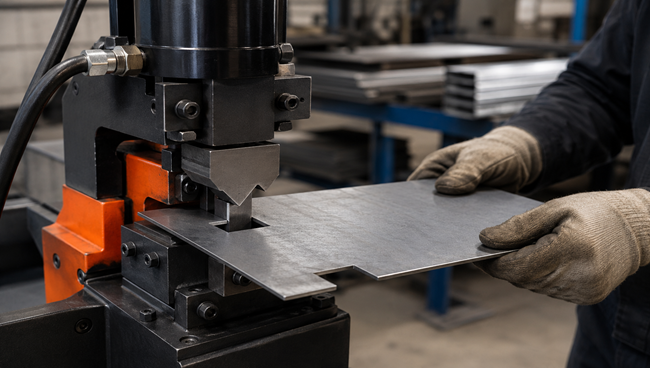
Press brakes and CNC bending machines provide advanced control for complex bending operations. These systems precisely control bending angles and pressure, which helps produce consistent results in large production runs.
Here are some of the common methods used for steel bending and the tools that are used:
The three common methods are:
Air bending: This method uses a punch and die, with the punch pushing the metal into the desired bend, leaving a gap between the die and the metal. It allows for creating multiple angles for the bends with a single tool.
Bottom bending: It is the same as air bending, but it uses more force and pushes the metal completely into the die, improving precision and reducing springback.
Coining: This method requires extreme force to punch the metal into the die, ensuring no springback and accurate bends.
Each method offers advantages depending on the project’s precision requirements.
Selecting the correct tooling is often undermined, but it is the only way to achieve the perfect bend. Using the wrong punch or die can cause surface damage, inaccurate angles, or structural weaknesses.
Tools such as a stainless steel tube bender or a sheet metal bender are used by experts to shape metal without compromising quality.
The following techniques reduce cracking and deformation:
Experts rely on these techniques to render excellent bends.
Aluminum and steel are two different metals. While steel is stronger, aluminum is more machinable because it is softer. Both metals behave differently during bending. You cannot use steel benders for aluminum bending, as aluminum might crack if bent too sharply.
Using tools such as an aluminum bender helps achieve smooth bends while preventing structural damage. On the other hand, steel requires greater force and stronger equipment due to its higher strength.
Industrial and large-scale projects require expertise and specialized equipment to achieve precise results.
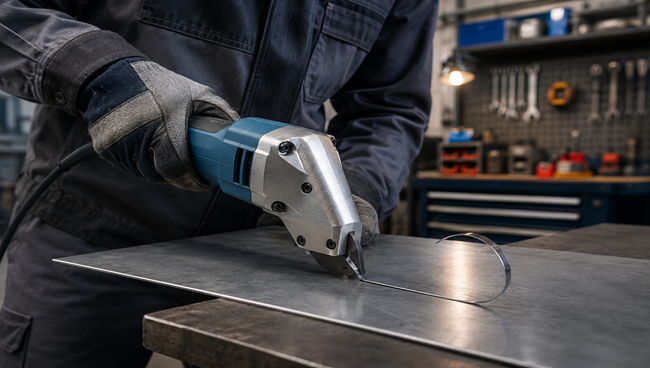
Thus, choose professional metal bending and cutting services for:
Modern professionals work with advanced machinery, such as laser-cutting and bending tools, to produce highly accurate components. It’s wiser to hire professionals for large-scale production needs.
Steel bending is used across the following industries:
The versatility of the process makes it useful across a range of applications.
Consider the following when choosing the right steel bender for your project:
A sheet metal bender is the right choice for sheet metal, but a metal roller bender is more useful for creating curved or cylindrical shapes.
Steel bending is a critical process, and thus, only experts should be entrusted with metal components, especially when you don’t have the right tools and equipment.
If you need steel bending in Albuquerque, choose New Mexico Metals LLC. We offer metalworking services and supply top-quality metals. We embrace technology and have state-of-the-art machines to cater to both retail and wholesale needs.
Contact us today for more details!
Que: What is the best steel bender for clean, accurate bends?
Ans: A sheet metal bender or a CNC press brake is often the best option for achieving precise, consistent bends in steel.
Que: Can the same tools be used for bending aluminum and steel?
Ans: Some tools can handle both materials, but specialized equipment, such as an aluminum bender, is better suited for softer metals.
Que: Why does aluminum crack during bending?
Ans: Aluminum can crack if bent too sharply or without proper tooling. Using the correct bend radius and tools helps prevent this issue.
Que: Is a metal roller bender suitable for thick steel sheets?
Ans: Yes, a metal roller bender can handle thicker materials depending on the machine’s capacity and configuration.
Que: When should I use professional metal cutting and bending services?
Ans: Professional metal cutting and bending services are recommended for complex designs, large production runs, or projects requiring high precision.

To meet the needs of both wholesale and retail customers by providing an extensive selection of metals cut to size with exceptional service.
New Mexico Metals LLC
Address: 5821 Midway Park Blvd NE # F, Albuquerque, NM 87109, United States
Phone: (505) 717-1900
FAX: (505) 717-1769
Email: info@newmexico-metals.com
8:00 AM - 5:00 PM Monday - Friday
9:00 AM - 12:00 PM Saturdays
Copyright © 2026. All Rights Reserved.
Website Design & Digital Marketing By WSI