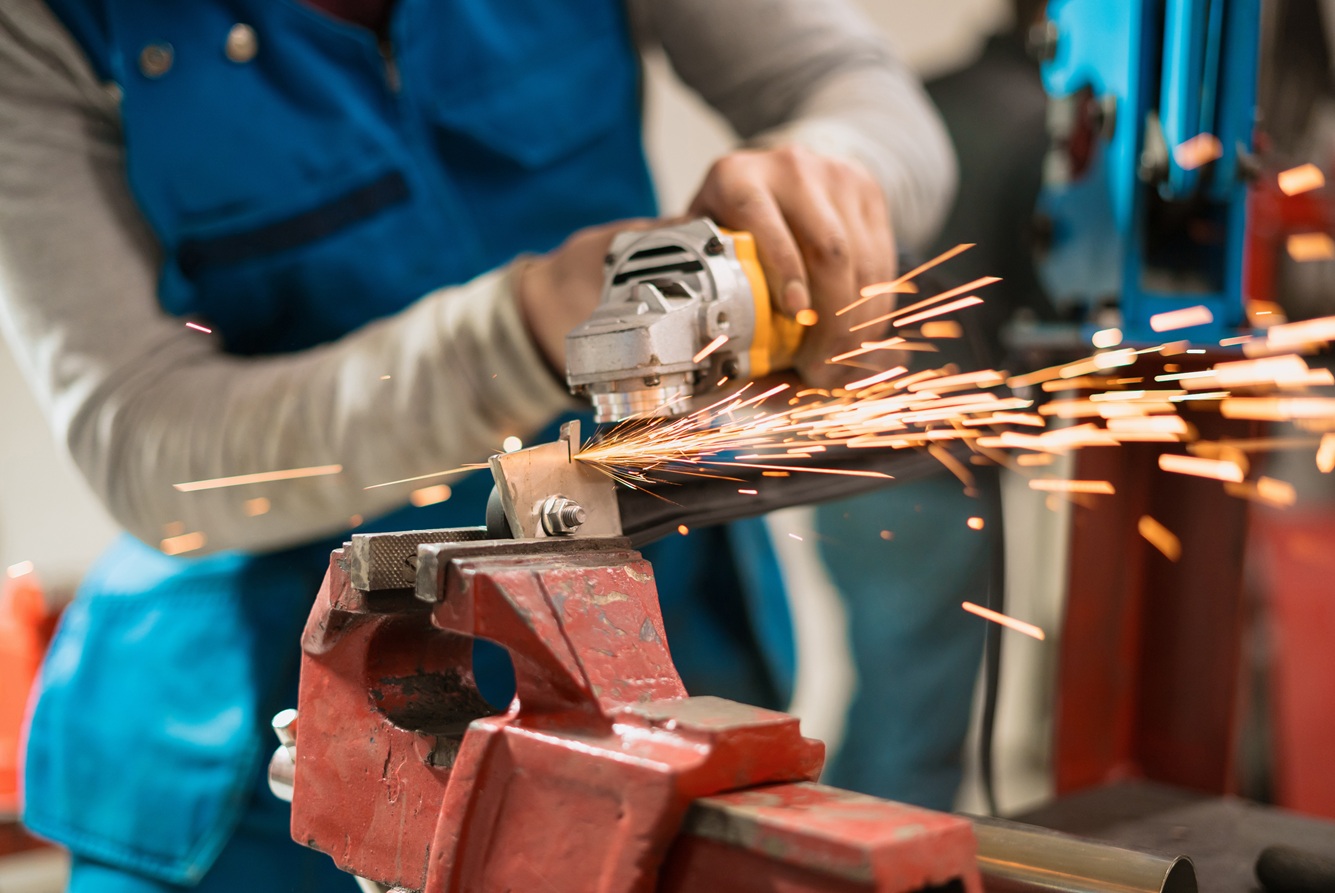
Cutting metal into smaller parts is often the first step in many industrial and construction-related processes. Metal sheets are usually shipped in uncut forms and must be cut accurately to prepare them for the intended use.
Whether you are working with thin sheets or thick steel plates, using the right sheet metal shear is important as it impacts efficiency, safety, and overall results.
Today, a wide variety of sheet metal shears is available, but it is important to know when to use an electric shear or a hydraulic shear for a specific task.
This blog discusses metal shears in detail, a complete cutter guide covering manual shears to powered alternatives.
Read on!
Read more: Which Electric Metal Shears Work Best for Heavy-Duty Jobs?
It is a cutting tool designed to slice metal sheets cleanly without producing excessive heat or sparks. Unlike abrasive cutting methods like sawing, waterjet cutting, or chop sawing, shearing relies on mechanical force to separate metal along a straight or curved line.
These shears are used across a variety of metals, including steel, aluminum, and copper.
Check out the different kinds of sheet metal shears:
Manual shears are the oldest shear types, which are still trusted for light-duty and thin materials. These shears are operated by physical force. These tools are simple, affordable, and easy to use, but require significant effort for thicker metals.
Electric metal shears use a powered motor to cut through metal with minimal effort. They offer faster speeds and consistent results, making them suitable for medium-duty tasks and repetitive work.
Electric drill shears attach to standard power drills and convert rotational motion into cutting action. These tools provide flexibility and portability, making them useful for on-site work where space or power sources are limited.
Hydraulic machines use hydraulic force to cut through thicker sheet metals with ease. They are known for heavy-duty applications and precision.
Here are the key differences between the three metal shear types:
You must evaluate your needs and consult an expert to determine which shears would work best for you, providing superior performance and durability.
Consider the following factors when choosing a metal shear cutter:
Material Thickness: For thicker metals, hydraulic shears are best; for thin sheets, manual shears are best.
Type of Metal: Harder metals, such as carbon steel or tool steel, require electric or hydraulic solutions.
Cutting Frequency: You can use manual shears for DIY tasks, but for high-frequency cutting, powered tools are preferred.
Portability: Working on site? Electric drill shears are ideal for the same.
Precision Requirements: Powered systems are known for cleaner edges and accuracy.
If you are a DIYer, investing in equipment can be an expensive decision. However, for workshops handling diverse materials, electric shears or hydraulic metal shears can improve productivity and consistency.
As safety is paramount during metal shearing, here are a few safety practices that must be followed:
These are proven tips that reduce the risk of injury and ensure cleaner, more controlled cuts.
Read more: How Do Sheet Metal Cutting Machines Ensure Precision Every Time?
Sheet metal shears are a significant investment and must be maintained properly to extend their lifespan. Here are some tips to ensure consistent performance:
Make it a habit to keep your metal shears in top condition and achieve quality results with every cut.
Powered shears are preferred for the following:
Electric sheet metal shears are preferred for medium-duty applications, while hydraulic shear systems are used for thick plates and continuous production environments.
Understanding the differences between manual, electric, and hydraulic metal shears is crucial for choosing the right tool for your project. As discussed in the blog, manual metal shears are useful for light tasks, electric metal shears remain useful for medium-duty applications, and hydraulic metal shears are used for heavy-duty and industrial applications.
While manual shears are easy to use, it is recommended to hire a professional for medium- to heavy-duty tasks. New Mexico Metals LLC is the right choice for metal shearing services in Albuquerque. We offer a complete range of metal-related services, including sawing, cutting, bending, punching, notching, and more. We can also guide you to choose the right sheet metal shears for your project.
Contact us for more information!
Que: What is the difference between electric shears and electric drill shears?
Ans: Electric shears are standalone powered tools, while electric drill shears attach to a drill and use its motor for cutting.
Que: Can electric metal shears cut stainless steel?
Ans: Yes, electric metal shears can cut stainless steel if you use the right tool as per the sheet’s thickness.
Que: When should I choose a hydraulic shear instead of an electric shear?
Ans: A hydraulic shear is best suited for thick metals, high-volume cutting, and heavy industrial applications.
Que: Are sheet metal shears suitable for curved cuts?
Ans: Yes, sheet metal shears can handle gentle curves with precision.
Que: How long do metal shear cutter blades last?
Ans: Blade life depends on material type, cutting frequency, and maintenance. With proper care, blades can last for extended periods before needing replacement.

To meet the needs of both wholesale and retail customers by providing an extensive selection of metals cut to size with exceptional service.
New Mexico Metals LLC
Address: 5821 Midway Park Blvd NE # F, Albuquerque, NM 87109, United States
Phone: (505) 717-1900
FAX: (505) 717-1769
Email: info@newmexico-metals.com
8:00 AM - 5:00 PM Monday - Friday
9:00 AM - 12:00 PM Saturdays
Copyright © 2026. All Rights Reserved.
Website Design & Digital Marketing By WSI