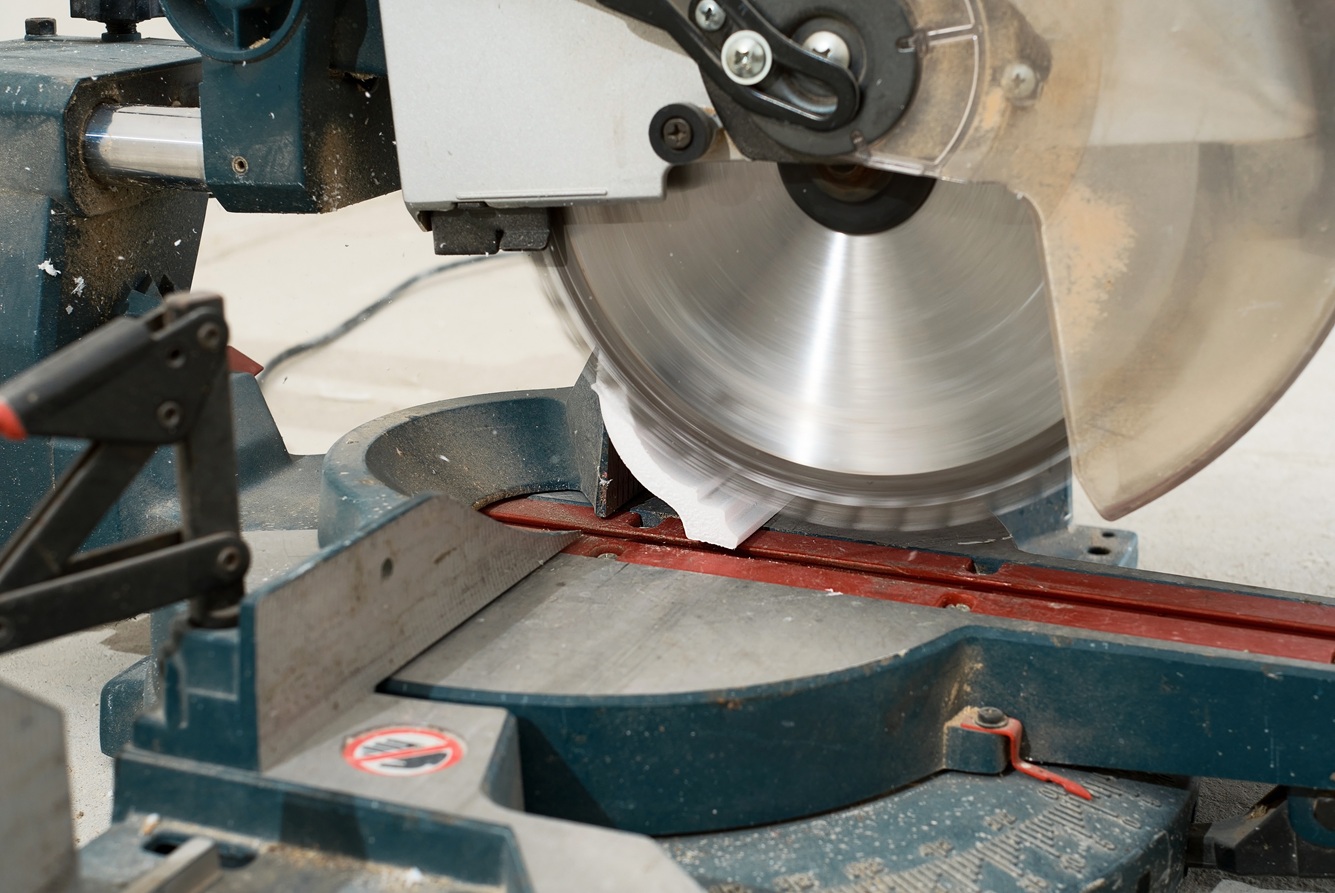
A metal band saw is a popular tool for cutting various metals. Metal sawing uses a variety of tools, including a metal cutting saw, a metal cut-off saw, or a circular metal cutting saw. Still, the common thing among all these tools is that they can only deliver the desired results when kept in optimal condition. It means a blade works best when properly maintained.
Without proper maintenance, even the best quality blades can wear out quickly, leading to downtime, increased costs, and inconsistent cuts.
This blog discusses the causes of blade wear and how to extend the blade’s lifespan. Read on!
Metal band saw blades wear out due to friction, heat buildup, and improper cutting conditions. Other common causes include dull teeth, incorrect blade tension, poor coolant flow, and excessive cutting speeds.
Most of the time, blades fail mid-operation due to improper blade selection, insufficient lubrication, or the use of a poorly maintained saw, even on harder metals like stainless steel.
Unlike tools such as a metal hole saw or an 8-hole saw, band saw blades remain in continuous contact with the metal, making proper maintenance even more critical.
If you use metal saws frequently or have a workshop, daily maintenance is crucial. Check out some simple routine tips:
These steps take only minutes but can greatly improve blade longevity.
A metal band saw sits between two points of a machine and passes through the metal at a certain speed to cut through it. If a blade is not properly used, i.e., the correct blade tension isn’t achieved, the blade may wander, causing uneven cuts. On the other hand, over-tensioning leads to blade fatigue and breakage.
Follow the manufacturer’s recommended tension settings and recheck tension periodically, especially after installing a new blade. Proper tension helps your metal band saw maintain straight, accurate cuts with less stress on the blade.
Modern machines offer multiple sawing speeds that depend on material hardness and thickness. Monitoring feed rate is also important. Running the blade too fast generates excessive heat, while feeding too slowly can cause tooth wear and dulling.
For example:
Optimized settings reduce wear and help your metal cutting band saw perform efficiently.
As the band saw passes through the metal, friction generates heat; thus, a coolant is crucial to reduce it. Proper lubrication prevents metal from welding to the blade teeth and helps flush away chips.
It is especially important when cutting materials with tools like a hole saw for stainless steel or a metal-cutting circular saw, where heat buildup can be severe. Always ensure coolant nozzles are properly aimed and that the fluid is clean and at the correct concentration.
Choosing the right blade is the most important factor in reducing blade wear. It makes a significant difference in performance and durability.
Here are some key considerations in choosing a metal sawing blade:
Using the wrong blade damages the blade and the material, leading to excessive wear.
If you are a beginner, you might be unaware of this step, but breaking in a blade is very important. The new blades have sharper teeth and must be rounded off for optimum performance.
Here are the tips to break in a blade:
This simple process significantly improves blade lifespan.
There are some common mistakes that experts avoid easily due to their knowledge and expertise, saving time and money. These common mistakes include:
Every tool, including high-performance equipment, needs proper techniques to deliver consistent results.
Compared to metal-cutting saws, such as a metal-cutting band saw, band saws require more frequent blade inspections but offer smoother cuts and less material waste. Circular saws and cold saws often require less blade-tension management but still require careful chip and heat control.
Whether you have a band saw, an 8-hole saw, or a circular saw, proper maintenance is non-negotiable.
Maintaining a metal band saw doesn’t require a rigorous routine; a few simple daily tips maximize blade life, improve cut quality, and reduce operational costs. These tips, as discussed above, include proper lubrication, maintaining an ideal cutting speed, correct blade tension, and routine inspection.
However, as a DIYer, you do not need to invest in a metal-cutting circular saw, a cold saw, or an 8-hole saw, because you can get the best metal-sawing services at New Mexico Metals LLC. We offer an extensive range of metal-related services, including metal sawing. Whether you need uniform sheets or large cuts using an 8-hole saw, we can do it for you.
Contact us today to learn more!
Que: How often should a metal band saw blade be replaced?
Ans: The replacement depends on usage, material type, and maintenance. Blades can last for several months or longer with proper care.
Que: What shortens the life of a metal band saw blade the most?
Ans: poor lubrication, incorrect blade tension, skipping blade break-in, etc., impact the blade’s life the most.
Que: Can I use the same blade for different metals?
Ans: No, you need different blades for different metals, based on their properties.
Que: How is a metal cutting band saw different from a metal cutting circular saw?
Ans: A metal band saw offers smoother finishing, while a circular saw is faster but generates more heat and noise.
Que: Do Evolution metal cutting saws require the same maintenance?
Ans: While evolution metal-cutting saws require less blade-tension management, they still require regular blade inspections, cleaning, and proper speed control.

To meet the needs of both wholesale and retail customers by providing an extensive selection of metals cut to size with exceptional service.
New Mexico Metals LLC
Address: 5821 Midway Park Blvd NE # F, Albuquerque, NM 87109, United States
Phone: (505) 717-1900
FAX: (505) 717-1769
Email: info@newmexico-metals.com
8:00 AM - 5:00 PM Monday - Friday
9:00 AM - 12:00 PM Saturdays
Copyright © 2026. All Rights Reserved.
Website Design & Digital Marketing By WSI