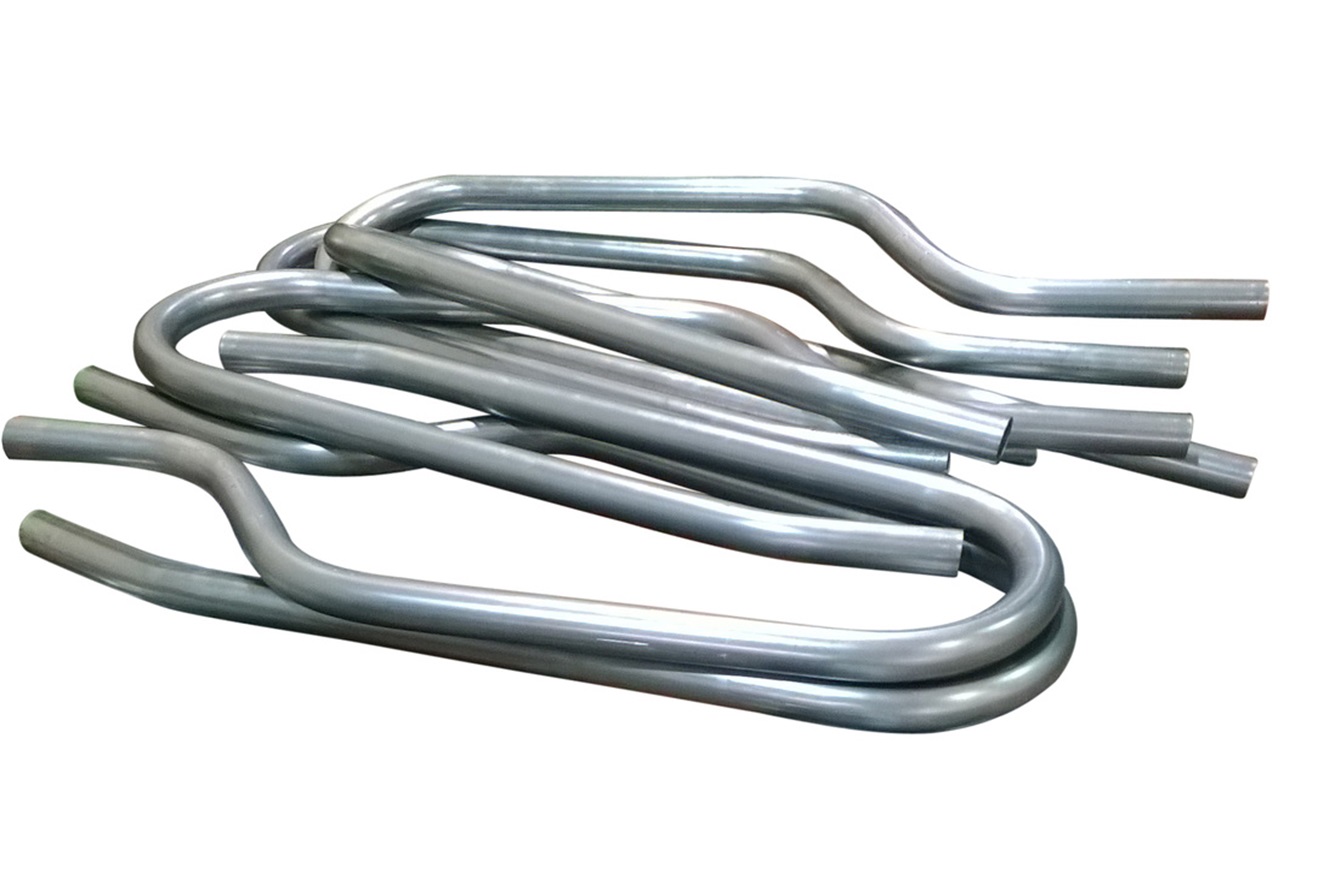
Bend it Right: Steel Tube Bending Demystified

Steel plate/ sheet bending and steel tube bending might sound similar, but the basic structure of the two makes the bending process quite different. Steel tube bending refers to bending the tube or pipe to achieve a certain angle. The use of machines, the skills of the technician, and the steel metal grade, thickness, and type also affect the bending results.

In this blog, you will learn about steel bending, its basics, and how such perfection is achieved at New Mexico Metals LLC.

Basics of Steel Tube Bending

Steel tube bending involves reshaping a tube or pipe for specific applications. The challenge lies in preserving the tube’s structural integrity, as improper handling can cause the metal to crack. Therefore, only a skilled metalworker can successfully perform this intricate process.

Some of the common methods used for steel tube bedding are:

Rotary Draw Bending: This method is used when precision is paramount. This method uses a die to bend the tube around a fixed radius, ideal for tight, consistent bends. It maintains the structural integrity of the metal.

Mandrel Bending: A mandrel is inserted into the tube or pipe before it is bent to ensure that the tube does not wrinkle or snap during bending.

Roll Bending: In roll bending, a metal tube is passed through a series of rollers to bend it.

Press Bending: A press is used to apply force to the tube, bending it to the desired angle. It is suitable for simple, large-radius bends.

Factors Influencing Steel Tube Bending

Multiple factors impact the bending technique, which is discussed here:

Material Type and Grade

Different steel grades perform differently during bending. Generally, the harder the metal, the more challenging the bending process.

Thickness and Length

The thicker the material, the better it bends. The outer radius thins as the metal bends, while the inside radius thickens. The length of the tube also influences the bending.

Bend Radius

The tighter the radius, the higher the risk of metal deformation. The outer radius, as it thins out, might snap.

Lubrication

Lubrication plays an important role in steel bending by reducing and preventing friction.

Types of Steel Benders

Multiple steel bender types are used to achieve perfection. These are:

Sheet Metal Benders

As the name suggests, sheet metal benders are used to bend flat sheet metal. With the introduction of advanced machinery, creating complex bends with sheet metal benders has become easier.

Steel Pipe Benders

Steel pipes have thicker walls compared to tubes. Steel pipe benders are used to bend these. These machines apply greater force to achieve the angle without forcing it to crack or wrinkle.

Steel Tube Benders

Steel tube benders are designed specifically for steel tubes, which have thinner walls than steel pipes and thus have a greater chance of snapping. They come in various types, including manual, hydraulic, and CNC (computer numerical control) benders, each suited for different applications and complexity levels.

Stainless Steel Pipe Bending

When bending steel pipes, several factors must be considered for successful bending. Some of the factors are:

Use of Proper Tools

Steel pipe bending requires proper tools, which must be made of a material harder than the pipe. A workman who invests in proper tools can only achieve perfect steel bending.

Slow Bending

The slower you bend the pipe, the more time you provide it to adjust to the change, and as a result, the metal doesn’t snap.

Heat Treatment

Preheating the metal is advised for harder steel grades to make bending easier.

Use of Mandrel

A mandrel is a wire or tube inserted inside the pipe to prevent deformation. Rotary draw bending and mandrel bending are two preferred methods of steel tube bending.

Practical Tips for Successful Tube Bending

If you are attempting steel tube bending, here are certain practical tips that might help you. Check these out:

Choose the Right Bender

Assess the metal grade and determine the right bender type. Choosing the right machine for bending can make all the difference.

Proper Alignment

Properly align the metal tube in the bender to ensure that the tube is bent at the correct angles.

Lubricate

Do not underestimate the power of lubrication in steel tube bending. It can save you from making costly mistakes.

Monitor Bend Radius

Every metal has a limitation to deformation based on its thickness. You can only push it so far. So, monitor the bend radius. Otherwise, you can ruin the material, which can be impossible to mend.

Final Words

Metal bending is more complex than it seems. You must possess the required tools and proper technique and must have the knowledge of the metals to achieve perfection. Thus, it is advised that you choose a professional for metal bending instead of attempting DIY steel bending. Professional steel tube benders can help you achieve the desired results without you needing to invest in costly tools and training. It also saves you precious time.

New Mexico Metals LLC is renowned for offering top-quality metal bending services in Albuquerque. We boast of having a knowledgeable staff, advanced machinery, and the expertise to offer you what you need.

Contact us for an appointment today or visit the store anytime.
Steel Bending 101: Techniques for Strength and Precision

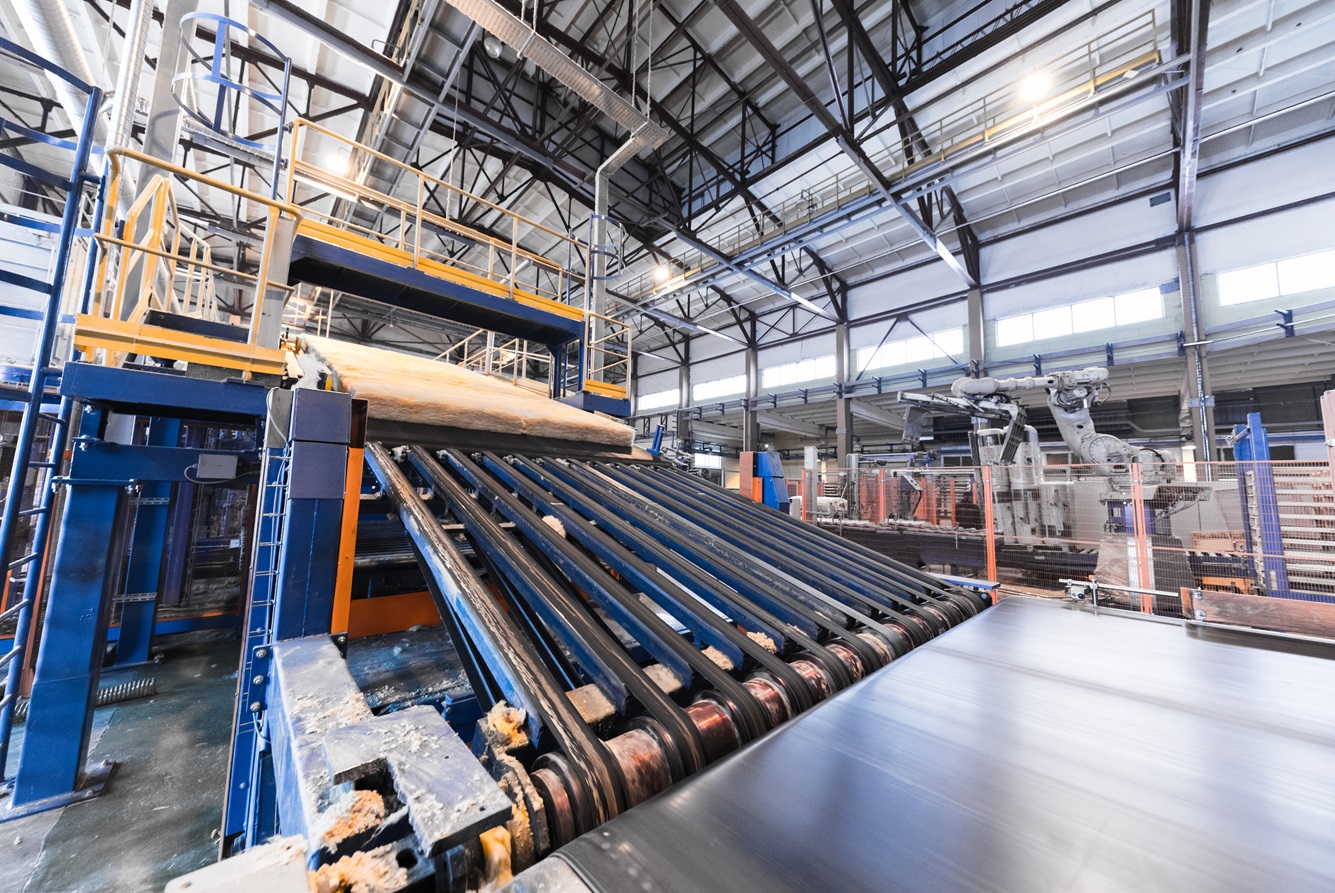
Steel bending is a metal fabrication technique used in multiple industries to bend metal sheets at a desired angle to form shapes without cutting or welding them. It might sound like a simple operation, but metal bending requires expertise and the right machines to achieve precision, aesthetics, and strength. In this blog, you will learn about sheet metal bending, the process, how precision is achieved, and why one must hire only reputed, reliable, and professional sheet metal bending services in Albuquerque. Read on!

What is Steel Bending?

As the name suggests, sheet metal bending refers to the process of deforming sheet metal in various shapes and angles. It is also known as brake forming or press braking. The process typically involves placing the metal sheet between a punch and a die and then applying force to deform the metal along a specific axis. The shape desired, material thickness, bend radius, and other factors determine the bending angle.

 Techniques for Metal Bending

There are multiple bending techniques that can be used to deform sheet metal. These are discussed here:

Air Bending

A punch and die is used in air bending to deform the metal. The sheet metal is pressed between the two without bottoming out the metal. The operator achieves the depth of the bend here and, thus, can achieve multiple angles through it.

Bottoming Bending

In bottoming, the punch shall press the sheet metal into the cavity completely, resulting in a sharp bend with a precise angle. This technique is useful when specific angles are desired.

Folding

Folding is a bending technique for creating boxes, flangs, and other shapes. No punch and die are used; instead, the metal is bent along a straight line. It is quick and cost-effective.

Roll Bending

In roll bending, sheet metal is passed through a series of rollers, which provide it with the desired shape and angle, especially circular and cylindrical. Roll bending is popular in creating tubes, pipes, and other components.

V-Bending

V-bending is another type of bottoming, with a bottom shaped like a V. The punch presses the sheet metal until it makes a V–shaped shape. When a certain specific V shape is required, V-bending is used.

Incremental Bending

Incremental bending creates intricate shapes by bending sheet metal in small increments. The sheet is bent and adjusted, and it is repeated until the desired shape is obtained.

Precision in Metal Bending

The fusion of certain essential factors obtains precision in metal bending. These are discussed below:

  • Selecting the right tool and machine is the first step towards achieving accurate bend angles and dimensions.
  • Handling and positioning of the metal sheet must be precise to ensure consistent bend locations and angles throughout the bending process.
  • Bend allowance calculation is required to determine accurate bend radius and bend angle.
  • Skilled professionals are at the helm of achieving accurately bent shapes. Their expertise ensures the correct bends, from material to preparation, machine handling, and operation handling.

Strength and Durability in Steel Bending

Implementing quality control policies in steel bending achieves strength and durability. The first step is to select quality material and learn its properties to determine its bend allowance effectively. Uniform bending must be ensured for stress distribution throughout the bend radius to help achieve smooth bends.

Sheet metals also require post-bending treatments, such as stress relieving or annealing, to improve their mechanical properties.

Choosing the Right Metal Bending Services in Albuquerque

Whether outsourcing metal bending services in Albuquerque for industrial projects or seeking a professional for your DIY needs, keep these factors in mind to make the right decision. Check these out:

Capabilities and Expertise

Learn about the capabilities and expertise of the service provider. Check out their record of providing metal bending services, the machines they house, and the range of services they offer.

Quality Assurance

The service provider must offer quality assurance to meet industry standards and project specifications. Although it is easier to find metal bending service providers, it is rare to find one who offers quality. Thus, choose New Mexico Metals LLC for quality metal bending.

Turnaround Time

Time is of utmost importance in the metal fabrication industry. Consider the provider’s lead times and turnaround times for completing bending projects, ensuring timely delivery of finished parts to meet your production schedule and deadlines.

Conclusion

The blog has covered the most important points about metal bending, including the different techniques, how to achieve precision and ensure strength and durability in metal bending, and how to choose the right metal bending service provider in Albuquerque.

At New Mexico Metals LLC, we use the Chicago Mechanical Brake and Baileigh Magnetic Brake to ensure the success of our projects and the durability of our finished products. We have a talented team of professionals, advanced machines, and a commitment to deliver the promise of quality.

Contact us today for our expert metal bending services in Albuquerque.