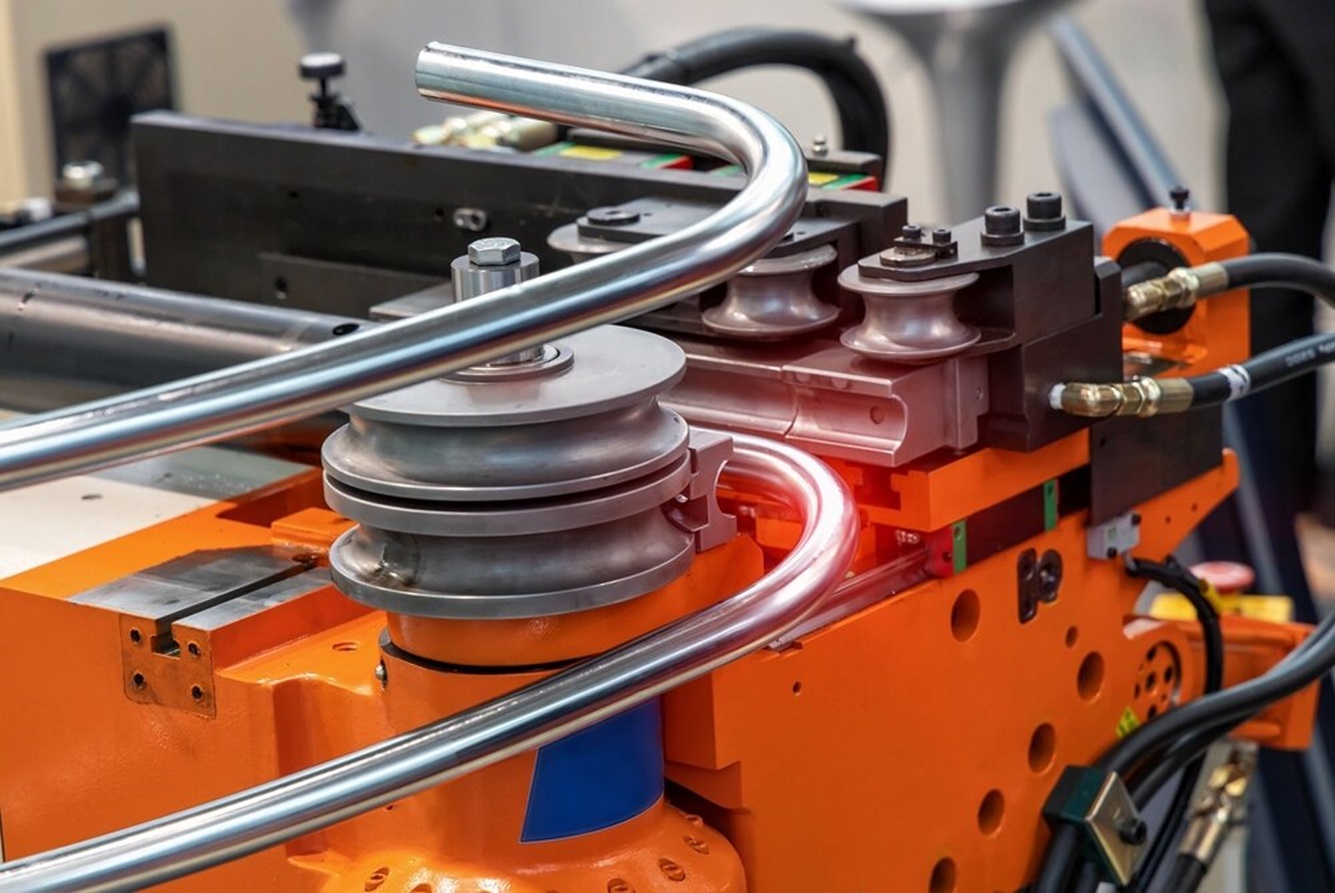
What Industries Use Sheet Metal Cutting and Bending Most?

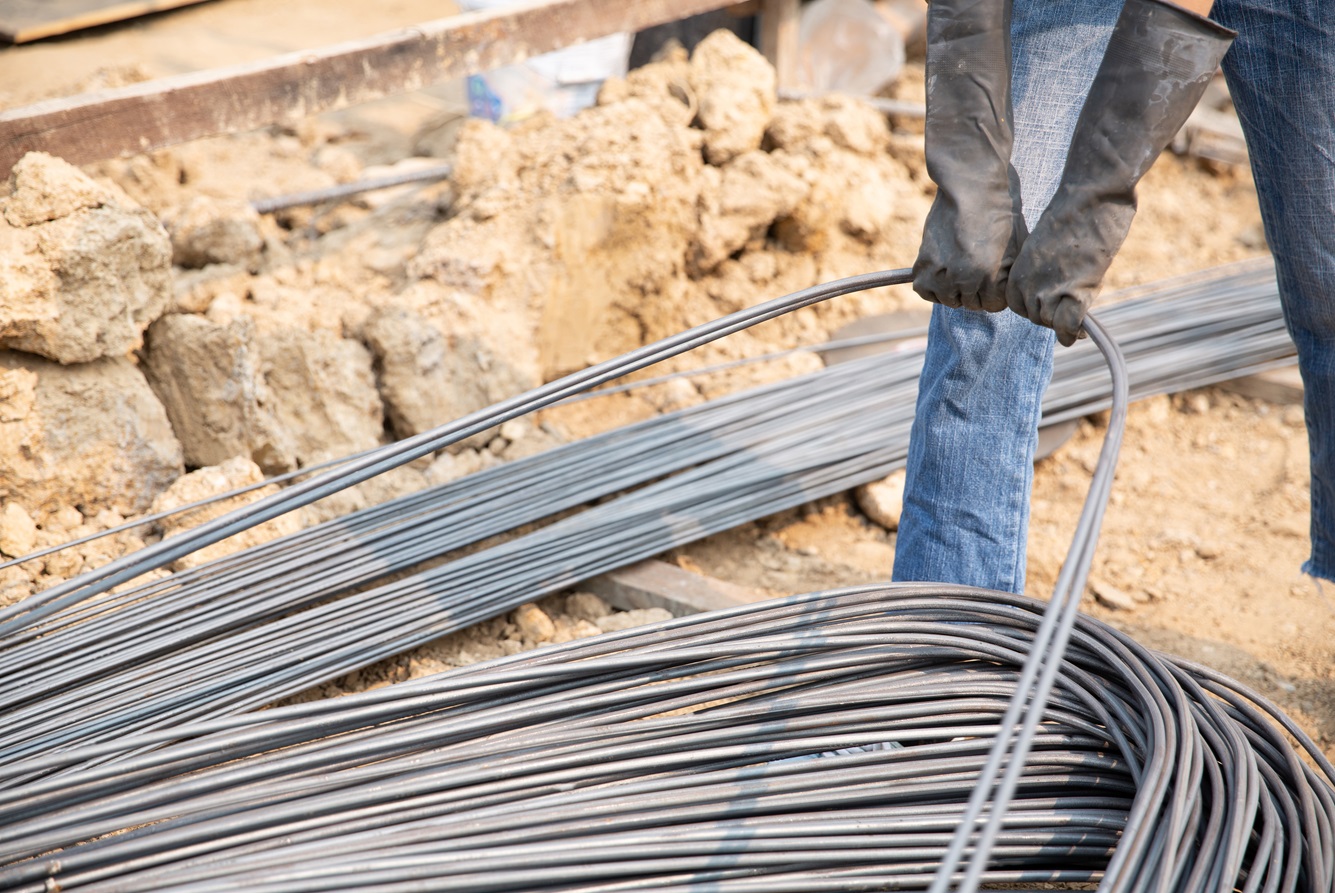
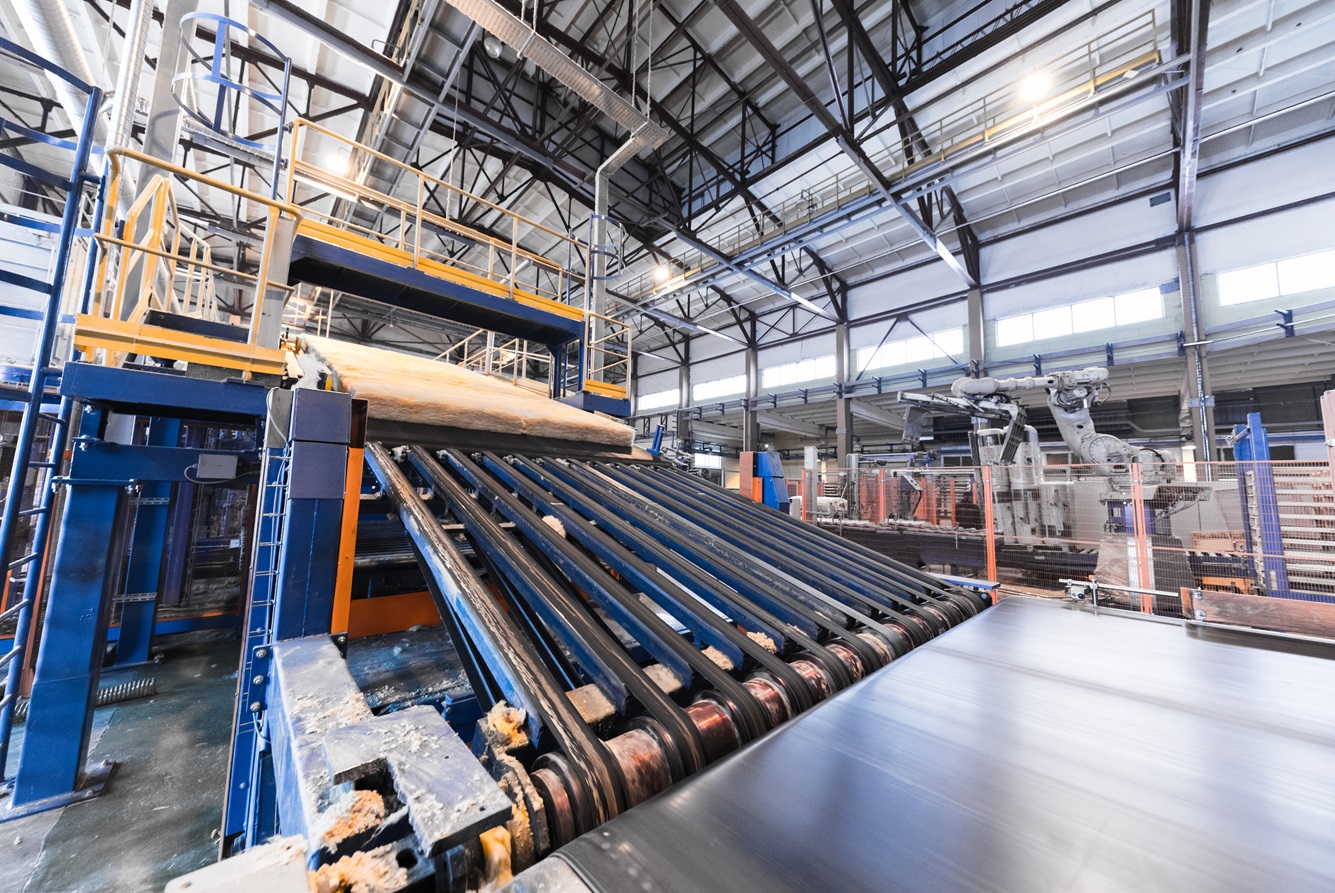
Sheet metal cutting and bending are part of your everyday life, as the various things you use and see around you are created using the two processes. These processes play a vital role in shaping products and structures across sectors, including construction, automotive, manufacturing, and aerospace.

Modern technologies such as laser cutting and bending have contributed to increasing demand for advanced metal bending services, as industries continue to depend heavily on these processes.

If you are curious and want to know which industries most rely on sheet metal cutting and bending, this blog is for you. It will help you make informed decisions when sourcing materials or selecting sheet metal bending services that meet your operational needs.

What Is Sheet Metal Cutting and Bending?

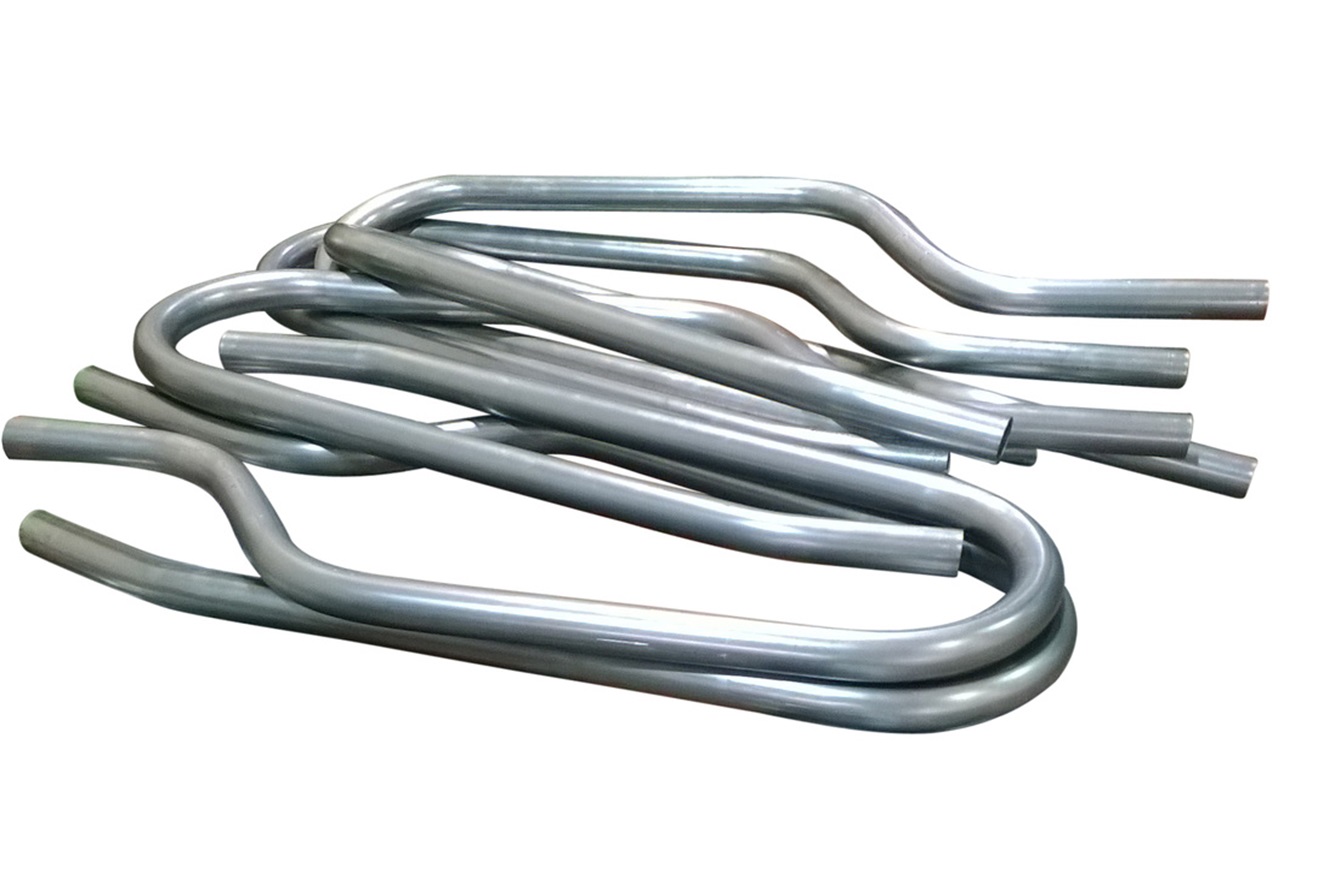
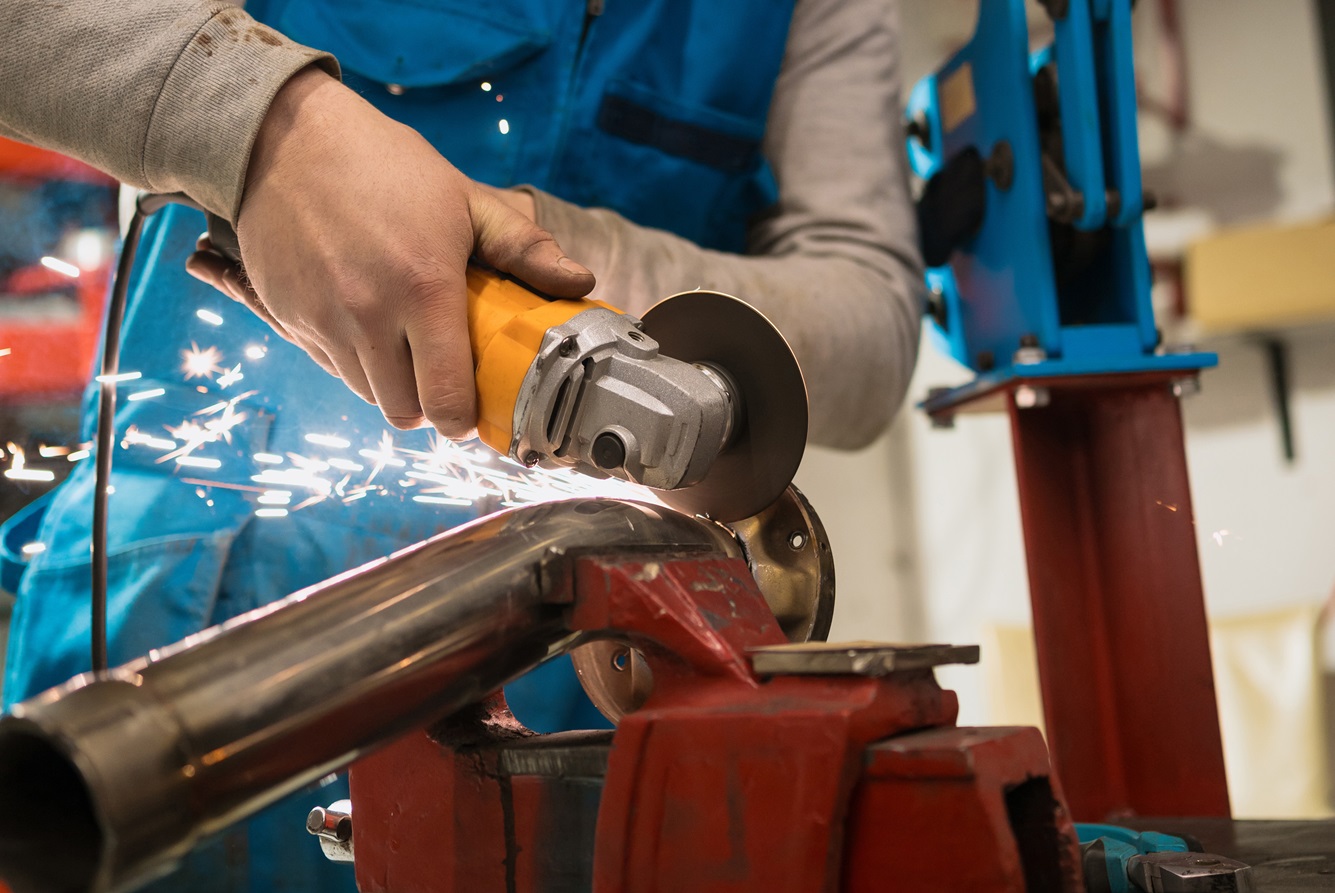
Sheet metal cutting and bending involve shaping metal sheets into functional components—cutting determines the size and dimensions, while bending gives the metal its structure.

Sounds simple, right? In reality, these processes demand precision and expertise. Metal can easily deform, crack, or warp under pressure, leading to material waste and higher production costs if not handled correctly.

Sheet metal cutting and bending are often used with steel, aluminum, stainless steel, and other alloys. The two processes offer versatility, strength, and cost efficiency.

Industries That Rely Most on Sheet Metal Cutting and Bending

The following industries rely the most on metal cutting and bending:

Automotive Industry

In the automotive industry, metal cutting and bending are used for vehicle frames, panels, brackets, and reinforcements. The sector demands precision. Tools like an aluminum bender are commonly used for lightweight components that improve fuel efficiency.

Construction and Architecture

Laser cutting and bending create roofing, cladding, frames, staircases, and structural supports from sheet metal. If you want consistent angles and strong load-bearing components, search for a reliable “metal bending service near me” to find an expert.

Aerospace and Aviation

In aerospace, accuracy and material integrity are essential. Laser cutting and bending are used to produce high-precision parts that meet strict safety and performance standards.

Manufacturing and Industrial Equipment

Factories and industrial facilities use sheet metal for machine housings, enclosures, guards, and frames. A metal roller bender produces curved components for tanks, ducts, and protective covers.

HVAC and Ventilation Industry

HVAC systems use metal cutting and bending machines for ducts, vents, and air-handling units. Secure fittings and smooth airflow can be ensured by relying on professional sheet metal bending services.

Electronics and Electrical Industry

The electrical industry relies on sheet metal cutting and bending to create electrical cabinets, control panels, and enclosures. Accurate bending ensures proper component placement and cable management while maintaining safety standards.

Renewable Energy Sector

Solar panels, wind turbines, and energy storage systems use sheet metal components for frames and housings. Durable and precisely bent metal supports long-term outdoor performance.

Tools and Equipment Used in Sheet Metal Cutting and Bending

Check out the different tools that professionals use to cut and bend the sheet metals correctly:

Sheet Metal Bender

This tool is used to bend flat metal sheets accurately and is used in construction, HVAC, and industrial applications.

Metal Roller Bender

A bender can bend cylindrical shapes with considerable ease. It’s used to produce rounded components such as tanks, pipes, and architectural features.

Aluminum Bender

An aluminum bender, as the name suggests, is used to shape lightweight components, allowing smooth bends without cracking or surface damage. It is widely used in automotive and aerospace applications.

Why Industries Prefer Professional Metal Cutting and Bending Services?

Industries prefer professional metal cutting and bending over in-house processing due to the following reasons:

  • High precision and repeatability
  • Access to advanced equipment
  • Reduced material waste
  • Faster turnaround times
  • Consistent quality across large volumes

Browsing “sheet metal bending near me”? Visit New Mexico Metals LLC, the specialized provider that can efficiently handle your complex requirements.

How to Choose the Right Sheet Metal Cutting and Bending Partner?

Here are a few factors to consider when you are choosing a metal cutting and bending partner:

  • Experience with multiple industries
  • Capability to handle various metals and thicknesses
  • Availability of modern-day equipment, such as laser cutting and bending systems
  • Commitment to quality control and safety
  • Faster turnaround
  • A good reputation among industry professionals
  • Exceptional customer service and onsite assistance
  • Competitive pricing

A dependable partner understands your needs, has ample industry experience, and helps you navigate challenges on the project.

Conclusion

There aren’t many industries that don’t rely on metal cutting and bending, as discussed in the blog above.

However, the most important thing is that you need experienced professionals to handle metal cutting and bending for your project, ensuring excellent-quality products and components.

Thus, visit New Mexico Metals LLC. We offer a complete range of metal-related services, including laser cutting and bending, and we believe in delivering quality to all our clients, whether retail or wholesale.

If you are seeking “metal bending services near me”, we are here for you. Contact us today!

Frequently Asked Questions

Que: What industries use sheet metal cutting and bending the most?

Ans: Automotive, construction, manufacturing, HVAC, electronics, etc., are some of the industries that rely heavily on metal cutting and bending.

Que: What is the difference between a sheet metal bender and a metal roller bender?

Ans: A sheet metal bender is used to bend flat metal sheets, while a metal roller bender transforms cylindrical shapes.

Que: Why is laser cutting and bending preferred in manufacturing?

Ans: Laser cutting and bending offer high precision, cleaner edges, and minimal material waste, and thus, are preferred by industries.

Que: What materials are commonly used in sheet metal cutting and bending?

Ans: Steel, aluminum, stainless steel, and copper are the most commonly used materials.

Que: Should businesses outsource metal cutting and bending services?

Ans: Businesses need access to advanced tools and consistent quality that only skilled operators can offer, and thus, they must outsource metal cutting and bending services.
Common Challenges in Sheet Metal Bending and How Professionals Overcome Them

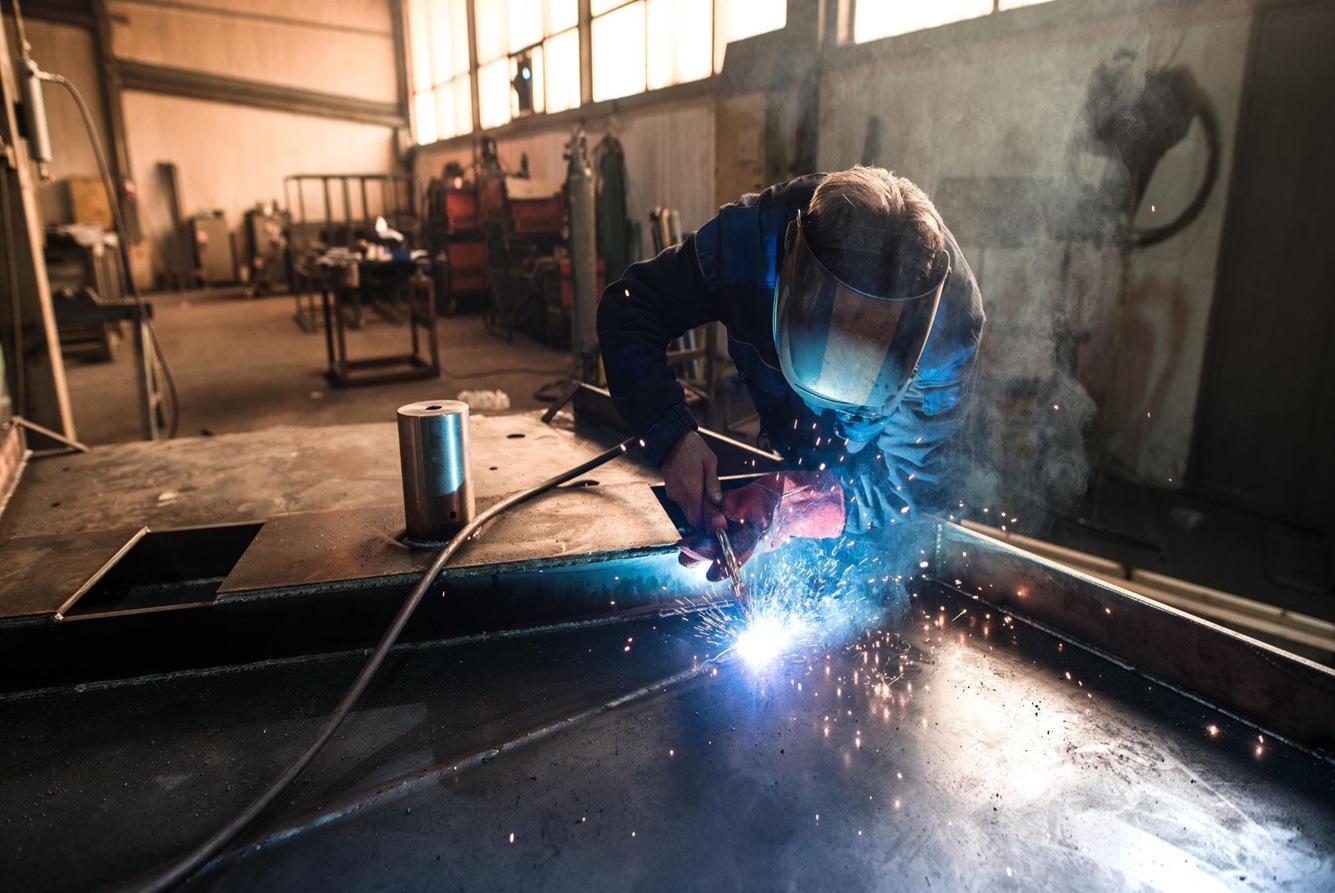
Sheet metal bending is a crucial method that eliminates the need for welding the metal where it isn’t needed. It is the process of bending metal sheets, pipes, bars, or other products in a controlled manner, which renders it useful for further processing.

Many industries use it for different purposes.  However, bending sheet metal comes with its challenges. If you are not a professional, you might be worried about why you cannot achieve the correct bends.

This blog explores the common metal bending challenges that one might face and the professional solutions to overcome these problems.

If you still can’t bend the metal correctly, visit New Mexico Metals LLC today!

Material Springback

One of the most prevalent challenges that everyone commonly faces is material springback. It’s the condition when the material tries to return to its original shape. As soon as you remove it from under the bending machine, the material slowly starts to jump back. You can witness it by bending a thin metal piece and get firsthand experience of material springback. In industries, there is no room for inaccuracies in the final product that the springback may cause.

How do Professionals Handle It?

The best way to deal with springback is to bend the metal beyond the required bending angle. It ensures that even after springback, the material’s final bend aligns with the specifications. Plus, professionals use advanced bending machines and equipment that exercise precise control over the bending angles and minimize springback to a significant extent.

Cracking at the Bend

It might crack when the material is too hard or bent with extreme force without taking appropriate measures. Cracking is one of the most common issues, especially with inexperienced and DIY attempts. Cracking means the metal’s structural integrity is compromised and might become unsuitable for use.

How do Professionals Handle It?

Metal bending requires knowledge and skills. The first step of metal bending that professionals take very seriously is determining the bend radius, depending on the metal’s hardness, strength, and other properties. Annealing is the next step where the metal is softened before bending. In some cases, heat is also applied to the metal to stop cracking.

Wrinkling

Metal wrinkling is not common in industrial applications, but it is another problem during metal bending. It occurs due to insufficient thickness or improper metal bending technique. It results in an uneven, rippled surface along the bend.

How do Professionals Handle It?

Professionals use correct tooling and equipment, such as V-dies with an appropriate opening size, to mitigate wrinkling. Using adequate blank holder force also ensures a smooth, wrinkle-free bend.

Inconsistent Bend Angles

The most common problem of manual bending operations is inconsistency in maintaining bend angles across thousands of metal products. Variations can lead to assembly issues and reduced product quality.

How do Professionals Handle It?

Professionals today are inclined towards using CNC machines known for their precision and consistency. Even millions of similar products can be created without deviation, which is a significant benefit.

The lack of such advanced machines for beginners results in inconsistency. Thus, it is advised that you visit New Mexico Metals LLC for any metal bending needs.

Difficulty in Bending Complex Shapes

In sheet metal bending, creating intricate and complex shapes is challenging, considering the material can crack or deform. When you are working with custom metal bending projects then it poses a distinct challenge.

How do Professionals Handle It?

Using advanced machines and tools, professionals define an accurate bending sequence. They leverage multi-axis bending machines capable of performing complex bends with high precision. As for custom projects, specialized machines might be required.

Thickness Variations

Variation in metal sheet thickness also poses challenges to product uniformity.

How do Professionals Handle It?

As professionals advise, sheet metal should be inspected first to detect any thickness variations. As professionals, we recommend using only graded quality material to ensure uniform thickness.

Selecting the Right Material

Every project has a distinct metal requirement, and choosing the wrong metal type or grade can lead to challenges and difficulties for the entire project. It also creates problems in sheet metal bending, causing excessive tool wear.

How do Professionals Handle It?

One must have an in-depth knowledge of the metals and their properties to discuss the project needs and help choose the right metal and grade type. Factors such as tensile strength, ductility, and corrosion resistance should be considered before finalizing the metal.

Conclusion

Sheet metal bending is a complex process with various challenges. However, no amount of challenges deter professionals from achieving perfection. To ensure your project’s success, be it a small one or an industrial need, you must choose expert sheet metal bending services.

If you’re looking for reliable sheet metal bending services or a stainless steel pipe bender, contact us at New Mexico Metals LLC. Our experience, knowledge, and reliability are known in Albuquerque because we take pride in delivering on our promises.

For quality metal bending services, reach out to us today!

How Does Bending Enhance the Durability and Performance of Sheet Metal?

Sheet metal refers to thin, large sheets of metal. These sheets are transformed into various shapes to aid in multiple operations. In industrial applications, sheet metal is used for numerous applications. Its uses range from appliance manufacturing to creating small, tiny parts of machines.

One of the methods to deform the sheet metals is bending. A balanced force transforms the sheets into various shapes and figures.

In this blog, we will discuss how sheet bending helps enhance the durability and performance of the metal.

For quality sheet metal bending in Albuquerque, contact New Mexico Metals LLC.

Improved Structural Integrity

Can you imagine using a thick metal sheet as a support beam or roofing your home?

No. Absolutely not.

When the metal sheet is bent a certain way, it adds rigidity to the material. Thus, sheets are bent at different angles, such as U-angle or L-angle. It makes them resistant to external forces.

Thus, corrugated or textured sheets are used for roofing. Metal sheets are also welded in different forms to create poles supporting a structure.

Enhancing Load-Bearing Capacity

If you apply a certain force on a thin sheet metal, it will bend or deform. Thus, it is established that sheet metal in itself cannot bear a heavy load. Adding bends to it redistributes the stress and, therefore, enhances the load-bearing capacity of the metal. It is particularly important in construction and machinery, where components are subjected to high pressure or weight.

Thus, metal sheets are curved or folded at the edges to make them more powerful for critical applications.

Protection Against Wear and Tear

Sheet metals with sharp edges are more prone to wear and tear due to repeated use. They can crack, get damaged, or might even cause an injury during handling. Thus, sharp metal sheet edges are bent and folded to protect them against wear & tear and damage.

The folded edges also help minimize the likelihood of stress concentration. Stress concentration in a small area can cause damage to the sheet and eventually crack it.

Folded corners increase durability against repetitive impacts or abrasive forces in industrial equipment.

Corrosion Resistance Through Design

Do you know another reason why corrugated sheet metals are used for roofing? The bent design reduces the exposure of the metal to corrosive elements, such as moisture, chemicals, or air.

It’s not only in roofing systems; attention to detail is required for every application. When choosing the right type of sheet metal, the kind of bending needed must be considered. In the long run, it saves money spent on sheet metal and parts replacement in the future.

Customization for Better Fit and Functionality

Sheet metals are used in different manners. In some industries, they are used in their original form. In others, they require punching, notching, or bending. Thus, it can be said that sheet metal can be customized as needed. In a unique environment, if sheet metal bending is required for a specific application, it can be transformed accordingly.

In certain applications where welding might not be the best option, sheet metal bending is used.

Energy Efficiency

As compared to welding, sheet metal bending requires less energy to produce. Additionally, bent sheet metal is often lighter while maintaining strength, contributing to energy savings in transportation and usage.

As industries are coming to the forefront to promote sustainability, the metal industry is not behind. Thus, sheet metal bending is advised in many applications because of its energy efficiency.

How to Ensure Perfection in Bending Sheet Metal?

Here are some tips to achieve perfection in bending sheet metal:

Proper Clamping: As thicker sheets are bent, they might slip or resist. There is also a risk of the sheet slipping, causing an injury. Thus, solid clamping is required.

Understanding the Metal: The thinner the metal, the easier it is to bend. Also, it can crack easily. An expert understands the metal properties first, determining the metal tolerance. Then, a tolerable bend radius must be determined to achieve perfection.

Balance of Force: A predetermined force is applied depending on the metal thickness and its elasticity (as metals spring back). It also requires expertise not to damage the metal sheet.

Using the Right Machines and Tools: An expert invests in machines and tools and knows when to use which one.

Metal Bending in Albuquerque

Metal bending indeed enhances the performance and durability of the metal sheet. It is also true that quality metal bending is only possible when you hire an expert for the job. The points discussed above to achieve perfection in bending are some of the tips offered by our expert team.

At New Mexico Metals LLC, we have a team of experts who have helped us reach the heights of perfection in our jobs. Be it metal bending in Albuquerque or other metal services, we are known for our exceptional skills, machines, and quality metal.

For any metal bending services in Albuquerque, contact us today!

How Sheet Metal Bending Works: Technical Information

Metal bending is useful for many purposes in multiple industries, where the metal is deformed and shaped without cutting or shearing it. The metal takes different shapes and structures with precise metal bending tools that ensure it does not crack and maintains its integrity.

This blog is a must-read for all DIY enthusiasts interested in metal bending and its technical aspects.

Find all the technical information and knowledge about the tools and techniques for sheet metal bending.

However, you are advised to search “sheet metal bending near me” for reliable sheet metal bending services for your metal bending needs.

Read on!

Basics of Sheet Metal Bending

Metal bending might seem straightforward, but it primarily relies on the material’s properties, including its thickness, size, yield, strength, durability, etc. For example, aluminum bending and iron bending are poles apart because the two metals are very different, and not one technique can achieve the same results for both.

When a material is bent, it experiences tensile and compressive stresses. Here, the metalworker must determine the bend radius and consider the dimensions of the final product to continue the process.

Techniques and Methods

Here are some popular techniques of metal bending:

Air Bending: A V-shaped die is used, and the punch presses the metal into the die without touching the bottom of it. This bending type gives the freedom to choose the bend angle.

Bottom Bending: Depending on the type of bend required, it is also called U- or V-shaped bending. In this technique, the metal is punched until it touches the bottom of the die, giving it the desired bend.

Coining: If you have ever bent a metal, you would know that metal springs back. To refrain the metal from springing back, a more aggressive technique, coining, is used, which ensures minimal spring back.

Roll Bending: In roll bending, a set of rollers is used. The metal is passed between these rollers to bend the sheet metal. It is usually for thin metal sheets.

Tools and Equipment

Multiple tools and equipment are used for sheet metal bending based on the size of the operation and the desired finished products. Here are some of the popular tools and equipment:

Press Brake: This age-old equipment consists of a punch and die and is popularly used for metal bending. Today, press brakes are automated and powered by hydraulics for superior consistency.

Automated Bending Machines: Multiple types of electric and hydraulic-powered sheet metal bending machines are used by ironworkers in the market. These machines are quick, reliable, and a boon for producing large-scale finished products. It is evident that manual bending cannot fulfill the industry demands, and thus, these machines are improving day by day.

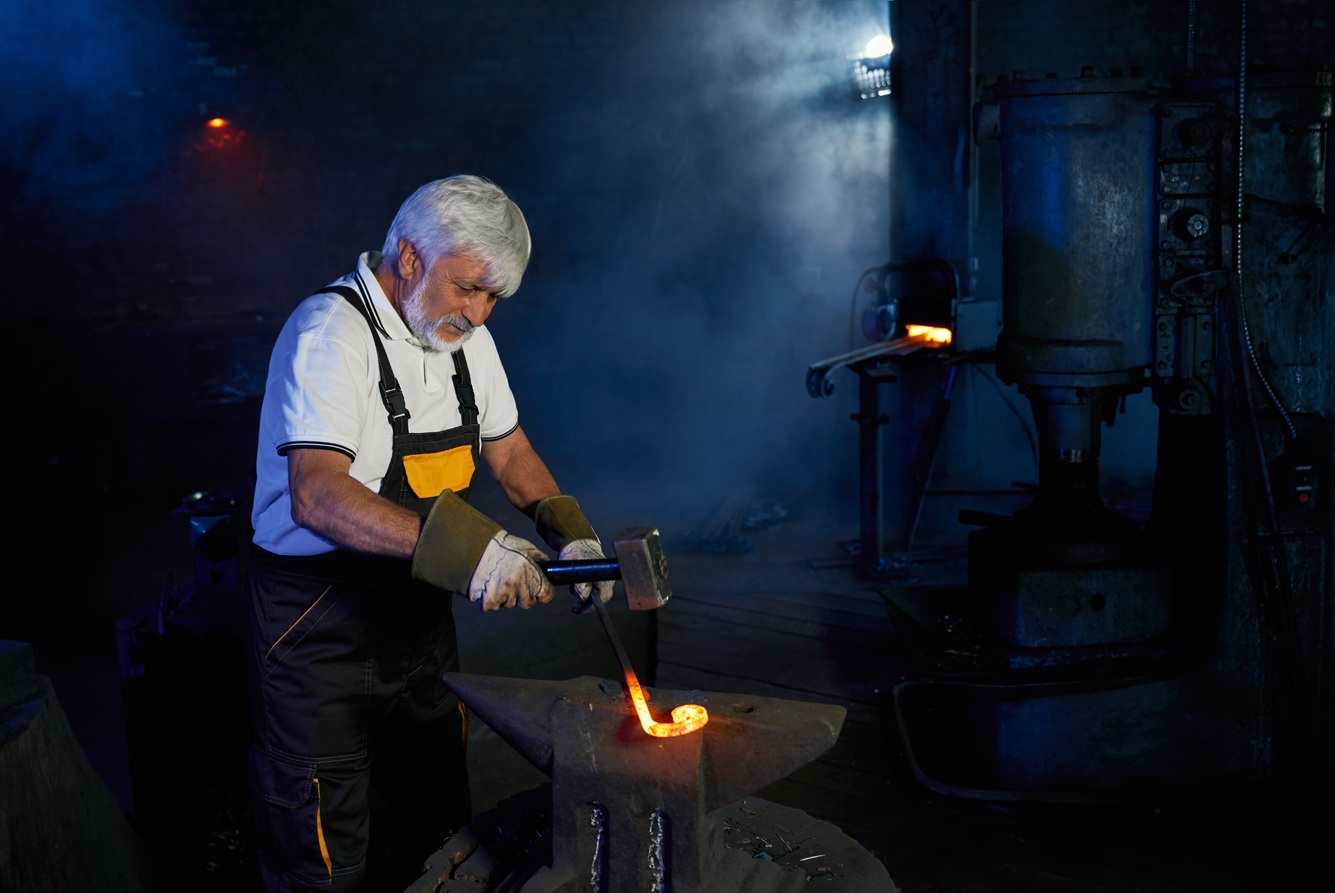
Hammers and Clamps: If you believe that manual bending has been eliminated by automated machines, you are mistaken. Many operations, especially for small products, require manual precision to achieve bending perfection. Thus, hammers and clamps come in handy for this.

However, CNC machines are changing that too. They can create even the smallest bends for the tiniest metal parts.

Applications of Sheet Metal Bending

Sheet metal bending has countless applications across various industries, with virtually every industry utilizing it in some capacity. Look at the automotive industry, and you will realize that metal bending is crucial to creating multiple parts of the vehicles. Look at the construction industry- from designing scaffolding to creating door frames and window panels, metal bending plays a crucial role. Even when you look at home appliances, you can see the various items in your kitchen to understand that metal bending offers them their shapes. It is not limited to these industries because, from metal manufacturing to the aerospace industry, metal bending is indispensable.

Benefits of Custom Metal Bending

The multiple benefits of custom metal bending are as follows:

Preciseness: Working on a DIY project and requiring a custom bend? What better way to get the precision than custom metal bending?

Cost-Effectiveness: If you choose a reliable service provider with the required knowledge of metal and bending techniques, the entire process of custom metal bending becomes very cost-effective as they can guide you on the best course.

Versatility: Custom metal bending ensures that the metal can be deformed into the shape and size you want. It is especially crucial for artistic and DIY purposes.

Metal Bending Services: How to Choose One?

When you search “metal bending services near me”, you will come across multiple options, but it is a vital decision affecting your project result. Thus, you should choose a reliable metal bending service provider. Here are some important factors to consider when choosing a service provider.

Experience: Check out how many years of experience they have. The years of experience in the industry and a portfolio boasting numerous projects also suggest consistency and reliability.

Delivery time: When hiring a service provider for your continuous industrial needs, you must choose one known in his industry for exceptional, timely product delivery.

Tools and Machines: The machines and tools create the finished product, so you must check out what machines they house.

Cost: It is wise to ask for multiple quotes from different service providers to choose the most cost-effective one that offers the most value for your money.

When you search in Albuquerque, you will find that New Mexico Metals LLC offers the best metal bending services. We are known in the industry for our extensive collection of line items and our top-notch metal bending services.

Give us a call today!

Conclusion

Your answer to “sheet metal bending near me” is New Mexico Metals LLC. We are situated in the heart of the city and boast of housing the best machines and staff to offer you exceptional service.  We meet every criterion with our extensive experience, state-of-the-art machinery, knowledgeable and friendly staff, and cost-effective solutions.

For any sheet metal bending needs, give us a call!

Bend it Right: Steel Tube Bending Demystified

Steel plate/ sheet bending and steel tube bending might sound similar, but the basic structure of the two makes the bending process quite different. Steel tube bending refers to bending the tube or pipe to achieve a certain angle. The use of machines, the skills of the technician, and the steel metal grade, thickness, and type also affect the bending results.

In this blog, you will learn about steel bending, its basics, and how such perfection is achieved at New Mexico Metals LLC.

Basics of Steel Tube Bending

Steel tube bending involves reshaping a tube or pipe for specific applications. The challenge lies in preserving the tube’s structural integrity, as improper handling can cause the metal to crack. Therefore, only a skilled metalworker can successfully perform this intricate process.

Some of the common methods used for steel tube bedding are:

Rotary Draw Bending: This method is used when precision is paramount. This method uses a die to bend the tube around a fixed radius, ideal for tight, consistent bends. It maintains the structural integrity of the metal.

Mandrel Bending: A mandrel is inserted into the tube or pipe before it is bent to ensure that the tube does not wrinkle or snap during bending.

Roll Bending: In roll bending, a metal tube is passed through a series of rollers to bend it.

Press Bending: A press is used to apply force to the tube, bending it to the desired angle. It is suitable for simple, large-radius bends.

Factors Influencing Steel Tube Bending

Multiple factors impact the bending technique, which is discussed here:

Material Type and Grade

Different steel grades perform differently during bending. Generally, the harder the metal, the more challenging the bending process.

Thickness and Length

The thicker the material, the better it bends. The outer radius thins as the metal bends, while the inside radius thickens. The length of the tube also influences the bending.

Bend Radius

The tighter the radius, the higher the risk of metal deformation. The outer radius, as it thins out, might snap.

Lubrication

Lubrication plays an important role in steel bending by reducing and preventing friction.

Types of Steel Benders

Multiple steel bender types are used to achieve perfection. These are:

Sheet Metal Benders

As the name suggests, sheet metal benders are used to bend flat sheet metal. With the introduction of advanced machinery, creating complex bends with sheet metal benders has become easier.

Steel Pipe Benders

Steel pipes have thicker walls compared to tubes. Steel pipe benders are used to bend these. These machines apply greater force to achieve the angle without forcing it to crack or wrinkle.

Steel Tube Benders

Steel tube benders are designed specifically for steel tubes, which have thinner walls than steel pipes and thus have a greater chance of snapping. They come in various types, including manual, hydraulic, and CNC (computer numerical control) benders, each suited for different applications and complexity levels.

Stainless Steel Pipe Bending

When bending steel pipes, several factors must be considered for successful bending. Some of the factors are:

Use of Proper Tools

Steel pipe bending requires proper tools, which must be made of a material harder than the pipe. A workman who invests in proper tools can only achieve perfect steel bending.

Slow Bending

The slower you bend the pipe, the more time you provide it to adjust to the change, and as a result, the metal doesn’t snap.

Heat Treatment

Preheating the metal is advised for harder steel grades to make bending easier.

Use of Mandrel

A mandrel is a wire or tube inserted inside the pipe to prevent deformation. Rotary draw bending and mandrel bending are two preferred methods of steel tube bending.

Practical Tips for Successful Tube Bending

If you are attempting steel tube bending, here are certain practical tips that might help you. Check these out:

Choose the Right Bender

Assess the metal grade and determine the right bender type. Choosing the right machine for bending can make all the difference.

Proper Alignment

Properly align the metal tube in the bender to ensure that the tube is bent at the correct angles.

Lubricate

Do not underestimate the power of lubrication in steel tube bending. It can save you from making costly mistakes.

Monitor Bend Radius

Every metal has a limitation to deformation based on its thickness. You can only push it so far. So, monitor the bend radius. Otherwise, you can ruin the material, which can be impossible to mend.

Final Words

Metal bending is more complex than it seems. You must possess the required tools and proper technique and must have the knowledge of the metals to achieve perfection. Thus, it is advised that you choose a professional for metal bending instead of attempting DIY steel bending. Professional steel tube benders can help you achieve the desired results without you needing to invest in costly tools and training. It also saves you precious time.

New Mexico Metals LLC is renowned for offering top-quality metal bending services in Albuquerque. We boast of having a knowledgeable staff, advanced machinery, and the expertise to offer you what you need.

Contact us for an appointment today or visit the store anytime.

Steel Bending 101: Techniques for Strength and Precision

Steel bending is a metal fabrication technique used in multiple industries to bend metal sheets at a desired angle to form shapes without cutting or welding them. It might sound like a simple operation, but metal bending requires expertise and the right machines to achieve precision, aesthetics, and strength. In this blog, you will learn about sheet metal bending, the process, how precision is achieved, and why one must hire only reputed, reliable, and professional sheet metal bending services in Albuquerque. Read on!

What is Steel Bending?

As the name suggests, sheet metal bending refers to the process of deforming sheet metal in various shapes and angles. It is also known as brake forming or press braking. The process typically involves placing the metal sheet between a punch and a die and then applying force to deform the metal along a specific axis. The shape desired, material thickness, bend radius, and other factors determine the bending angle.

 Techniques for Metal Bending

There are multiple bending techniques that can be used to deform sheet metal. These are discussed here:

Air Bending

A punch and die is used in air bending to deform the metal. The sheet metal is pressed between the two without bottoming out the metal. The operator achieves the depth of the bend here and, thus, can achieve multiple angles through it.

Bottoming Bending

In bottoming, the punch shall press the sheet metal into the cavity completely, resulting in a sharp bend with a precise angle. This technique is useful when specific angles are desired.

Folding

Folding is a bending technique for creating boxes, flangs, and other shapes. No punch and die are used; instead, the metal is bent along a straight line. It is quick and cost-effective.

Roll Bending

In roll bending, sheet metal is passed through a series of rollers, which provide it with the desired shape and angle, especially circular and cylindrical. Roll bending is popular in creating tubes, pipes, and other components.

V-Bending

V-bending is another type of bottoming, with a bottom shaped like a V. The punch presses the sheet metal until it makes a V–shaped shape. When a certain specific V shape is required, V-bending is used.

Incremental Bending

Incremental bending creates intricate shapes by bending sheet metal in small increments. The sheet is bent and adjusted, and it is repeated until the desired shape is obtained.

Precision in Metal Bending

The fusion of certain essential factors obtains precision in metal bending. These are discussed below:

  • Selecting the right tool and machine is the first step towards achieving accurate bend angles and dimensions.
  • Handling and positioning of the metal sheet must be precise to ensure consistent bend locations and angles throughout the bending process.
  • Bend allowance calculation is required to determine accurate bend radius and bend angle.
  • Skilled professionals are at the helm of achieving accurately bent shapes. Their expertise ensures the correct bends, from material to preparation, machine handling, and operation handling.

Strength and Durability in Steel Bending

Implementing quality control policies in steel bending achieves strength and durability. The first step is to select quality material and learn its properties to determine its bend allowance effectively. Uniform bending must be ensured for stress distribution throughout the bend radius to help achieve smooth bends.

Sheet metals also require post-bending treatments, such as stress relieving or annealing, to improve their mechanical properties.

Choosing the Right Metal Bending Services in Albuquerque

Whether outsourcing metal bending services in Albuquerque for industrial projects or seeking a professional for your DIY needs, keep these factors in mind to make the right decision. Check these out:

Capabilities and Expertise

Learn about the capabilities and expertise of the service provider. Check out their record of providing metal bending services, the machines they house, and the range of services they offer.

Quality Assurance

The service provider must offer quality assurance to meet industry standards and project specifications. Although it is easier to find metal bending service providers, it is rare to find one who offers quality. Thus, choose New Mexico Metals LLC for quality metal bending.

Turnaround Time

Time is of utmost importance in the metal fabrication industry. Consider the provider’s lead times and turnaround times for completing bending projects, ensuring timely delivery of finished parts to meet your production schedule and deadlines.

Conclusion

The blog has covered the most important points about metal bending, including the different techniques, how to achieve precision and ensure strength and durability in metal bending, and how to choose the right metal bending service provider in Albuquerque.

At New Mexico Metals LLC, we use the Chicago Mechanical Brake and Baileigh Magnetic Brake to ensure the success of our projects and the durability of our finished products. We have a talented team of professionals, advanced machines, and a commitment to deliver the promise of quality.

Contact us today for our expert metal bending services in Albuquerque.

Effortless Metal Bending: Expert Services Just a Click Away

The metal fabrication industry might not be a hot topic of discussion on a coffee or dinner table. Still, this industry is responsible for the most impressive skyscrapers worldwide, the insignificant machines around homes and offices that often go unnoticed, and several other daily tools and machines that do not warrant attention.

In this industry, metal bending is one such metal fabrication technique that has been popular for ages and will continue to be, considering its importance in transforming a metal without cutting, shearing, or dissecting other parts.

This blog is all about metal bending, its importance, its advantages, and why you should choose New Mexico Metals LLC as your trusted partner in metal bending services in Albuquerque, New Mexico.

Understanding Metal Bending

Metal bending shapes metal components by applying enough force to deform the metal. When welding or soldering is not an option, then metal bending becomes a life-saver. It is achieved through multiple techniques, including cold bending, hot bending, roll bending, etc.

Need for Expert Metal Bending Services

While metal bending may seem straightforward, achieving precise bends and angles requires specialized equipment, expertise, and craftsmanship. Attempting to bend metal without proper knowledge and tools only results in metal wastage.

DIY metal bending is not unheard of. If you are curious about metals and bending procedures, it is advised that you undergo the required training before you start working on your project.

However, the same cannot be said for industrial needs where metal bending services become indispensable. With the huge magnitude of the metal to be processed, the precision and availability of equipment become vital. Thus, the need for expert metal bending services arises.

If you are looking for an expert for metal shearing services in Albuquerque, you need not look at another option. Choose New Mexico Metals LLC today!

Exploring Steel Bending Services

When looking for bending services in Albuquerque, you need someone who can deliver what you need. Ask yourself some basic questions and then find a service provider who is a good fit.

  • What is the project duration?
  • Is it a one-time project or a recurring one?
  • Am I going to need other metal fabrication services as well?
  • What kind of a bend do I need?

Once you have the answers, approach a metal service provider.

In Albuquerque, New Mexico Metals LLC is known for its above-par services, which we have succeeded in accomplishing thanks to our trained staff and the investment in the state-of-the-art machines that we house. We offer hot bending, cold bending, roll bending, etc.

Be it a commercial project or a one-time DIY project, let us know your needs, and we can offer you unmatched services.

Finding The Right Metal Bending Company

Finding the right metal bending company for your needs is not simple. Here are some factors that you must consider before choosing one:

Experience

Any vendor you choose must have experience in the field to fulfill your metal bending needs.

Equipment

Metal bending is an art that combines skills and machines to achieve the most accurate bends. At New Mexico Metals LLC, we have invested in top-notch machines to handle your bending projects expertly.

Customer Satisfaction

Customer satisfaction should be the priority for metal bending services as the projects are often related to distinct industries, which require only top quality for industrial processes.

Consistency

Look for metal bending service providers with a proven track record of providing quality services over the years. Consistency is key to maintaining market share and reputation.

With New Mexico Metals LLC, you get all these qualities. We have the required experience, equipment, and knowledgeable staff to offer superior-quality metal bending services in Albuquerque. We also boast of our customer service, which helps us stand apart from the competitors.

Benefits of Professional Metal Bending Services

You will enjoy the following benefits by partnering with New Mexico Metals LLC. Check these out.

Efficiency

With our expertise and trained staff, we complete every project efficiently and quickly, saving you time and money.

Assistance with Services

If you need help selecting the right metals for your project or have technical questions, considering you lack technical knowledge, we will be happy to assist you.

Precision

While metal bending can be achieved through DIY means, the precision obtained by the professionals is distinctive. Our advanced equipment and skilled technicians ensure precise bends and angles, meeting the most demanding specifications.

Quality Assurance

We are committed to providing only quality products and services. Also, we adhere to strict quality control standards to ensure that every bend is accurate and precise.

Conclusion

Metal bending is within your reach now with New Mexico Metals LLC, right in the heart of Albuquerque, New Mexico. Whether it is a custom fabrication job, a construction project, or an industrial job, we are here to provide the professional metal bending services you need to succeed.

Contact us for details!

Essential Steel Bending Tools Every Professional Should Have

Metal bending is a metal fabrication process in which the metal is not cut or sheared but bent, maintaining its strength and making it useful for multiple processes. Steel sheets, bars, or rods can be bent, thanks to metal bending tools, which achieve precise bends and ensure project success.

This guide is all about the must-have metal bending tools if you are a DIY enthusiast who undertakes metal bending. You will find everything here, including choosing the right bending tools, safety precautions, and common questions about bending steel plates or stainless steel tubing.

Understanding the Basics of Steel Bending

Steel bending refers to deforming metal into distinct angles, shapes, and curves by applying pressure. The pressure on the metal is applied through manual manipulation or mechanically, which considers the metal’s malleability and desired bend and radius to achieve the result. When bending steel plates, it is required to understand their properties, ductility, hardness, thickness, etc., to choose the right steel bending tools.

Only the right amount of pressure and tools can achieve the desired bends. Executing the right bend also requires skill and expertise.

Must-Have Steel Bending Tools

Are you attempting steel bending? You must have these tools before you dive into it. Check these out.

Manual Benders

Manual bending tools are simple tools with dies and handles to lever the benders and achieve precision. They are ideal for small operations to bend metal sheets and rods precisely.

Roll Benders

Roll benders have rotating rolls. Metal sheets, rods, or pipes are passed through the rolls, which gradually deform the metal to achieve the desired curvature.

Hydraulic Press Brake

This steel bending machine is useful for accurately bending thick metal sheets or plates. It utilizes hydraulic pressure to exert force on the metal, allowing for precise bends and complex shapes.

Tube and Pipe Benders

Bending steel sheets, rods, and tubes is quite distinct, considering the cylindrical shapes of the tubes and rods. Thus, tube and pipe benders are used to bend these cylindrical shapes. These machines come in various configurations, including manual, hydraulic, and electric, to accommodate different sizes and shapes of tubing.

If you are a DIYer and only engage in such activities occasionally, it is not wise to invest in all these metal bending machines. In such cases, you can always seek the help of an expert, New Mexico Metals LLC in Albuquerque, where you will get the best metal bending services.

Contact us today for more information!

Choosing the Right Tools for Your Project

Whatever your project is, you must choose the right tools for it. So, here is how to choose the right steel bending tools for your project:

Material Thickness and Hardness

You must assess material thickness and hardness before choosing the right tool and machine. Hard metals, such as carbon steel, are very hard and require heavy-duty equipment for operation. You are advised to visit a metal bending expert in Albuquerque for hard metals.

Bending Radius and Angle

Can your tools achieve the desired radius and angle on the sheet metal? Some machines offer greater flexibility in adjusting bending parameters than others. So, do some research on metal bending tools and machines before you dive right into it.

Budget and Cost-effectiveness

How often do you engage in metal bending activities? What is your budget? Is it cost-effective to invest in a high-end machine? Ask yourself these questions and then invest in the right tool or machine. High-quality tools cost more initially, but they are reliable and long-lasting. If you are budget-conscious, then choose New Mexico Metals LLC for your metal bending needs.

Workspace Availability

Does your garage or workstation have ample space to accommodate the steel bending machine you are investing in? Evaluate the available space and then make a decision.

Safety Precautions in Steel Bending

Steel bending means working with metals and bending machines, exposing you to the risk of injury. So, check out these safety precautions and keep yourself safe.

  • Familiarize yourself with the equipment, read the manual, and follow the guidelines.
  • Wear PPE to protect yourself from sharp edges and other possible risks.
  • Use clamps to secure the workpiece properly.
  • Ensure that the steel bending machines and tools are in mint condition to maintain safe and efficient operation.
  • Keep your work area clean and clutter-free to avoid tripping hazards.

Metal Bending at New Mexico Metals LLC

When working around metals, it is important to follow safety procedures. With the right tools and machines, you can successfully complete your project.

However, when dealing with hard metals and lack of the right tools and machines, choose New Mexico Metals LLC for metal bending in Albuquerque.

We are the best metal fabricators in town. We have the required experience, skills, and machines to finish your project accurately, on time, and with unmatched quality.

For metal bending services in Albuquerque, contact us anytime.


Frequently Asked Questions

Que: Do I always need steel bending tools to bend metal?

Ans: Softer and smaller metal components can be bent using basic tools such as pliers, hammers, and grips. However, for a bigger project, you will need specialized equipment.

Que: Are there any limitations to the shapes that can be bent using roll benders?

Ans: Roll benders can help achieve multiple shapes, including flat bars, round bars, square bars, tubes, and pipes. However, the complexity of the shapes that can be bent may be limited by the diameter and curvature of the rollers and the flexibility of the material being bent.

Que: Do I need training to perform metal bending?

Ans: While complex metal bending requires skills and expertise, you don’t need training for some basic metal bends using manual metal bending machines. However, consult a metal bending expert, such as New Mexico Metals LLC, if your project is complex.