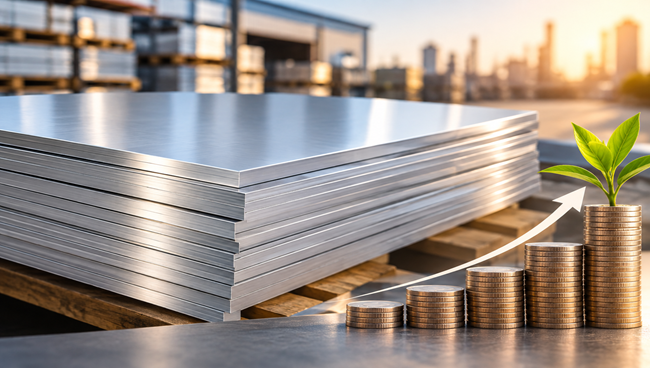
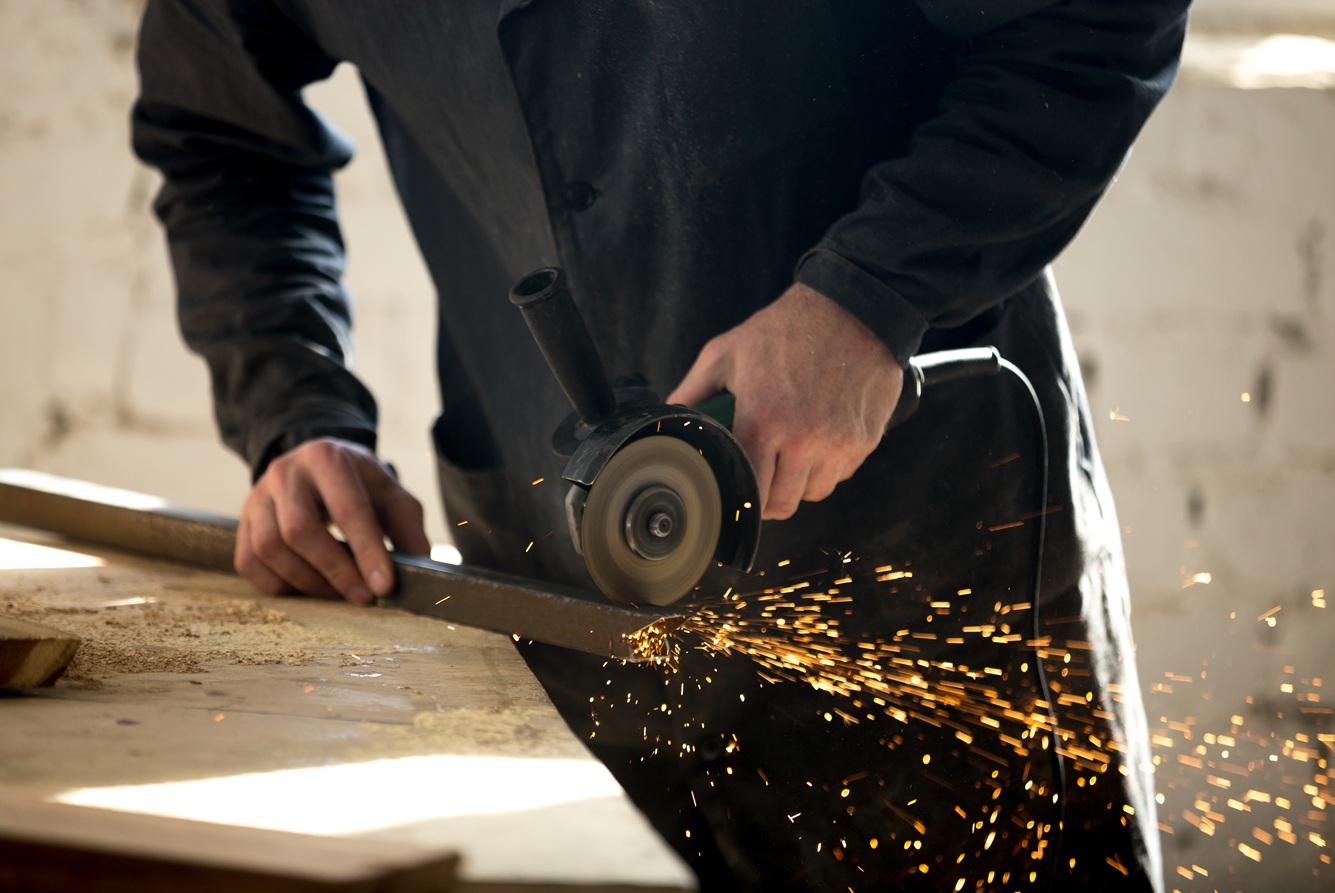
Whether you are cutting sheet metal, processing steel plates, or using a metal shear machine, you need the right techniques. If you want to improve cut quality, reduce waste & operational costs, you must cut the metal right, using the right tools, and operating them at the right speed.
Modern tools such as sheet metal shear systems and laser-cut metal technology have made cutting more accurate and efficient than ever before. However, you need the right metal-cutting hacks to achieve consistent results. This blog has discussed them in detail.
The key highlights of the blog are:
Whether you are a DIYer or an industrial player, if you have ever attempted metal cutting, you know it’s not as easy as it seems. One millimeter worth of inaccuracy can render the entire finished product useless during assembly.
Every metal reacts differently under the blade, and you must have the necessary knowledge of tools and materials to achieve the desired results.
If you are looking for the right techniques, this blog is for you.
Before applying advanced techniques, it is important to understand the fundamentals of metal cutting. The process involves separating metal into desired shapes using tools such as shears, saws, lasers, and plasma cutters.
There are multiple factors at work, such as:
A deeper understanding of these factors helps improve precision and reduce material waste.
The first and most important rule is to match the cutting tool to the material.
Here are a few examples:
Using the wrong tool can cause rough edges, deformation, and unnecessary scrap.
A metal shear machine is ideal for straight cuts and high-volume production due to its speed and efficiency.
Machine settings play a major role in cutting performance.
You must adjust the following before a cut:
Proper blade clearance is important. A well-adjust machines offers:
Many beginners make the same mistake- they start cutting without marking. Accurate marking is the foundation for precise metal cutting.
Here are some tips for the same:
Proper measurement and marking help avoid material losses, especially when processing large steel plates.
The metal must be clamped securely to prevent movement during cutting, as movement can cause injuries and damage the blade and underlying metal.
Proper clamping is important for:
Secure the metal properly for straight, consistent cuts and minimize the chance of rework.
Lubrication reduces the heat generated during cutting, especially with harder, thicker metals.
It improves the cutting process through:
Proper lubrication helps maintain cutting accuracy during extended production runs.
Higher speed isn’t always productive, especially for hard metals. Similarly, more pressure doesn’t get the desired cuts. Speed and pressure must be matched with the underlying metal.
Here are some tips:
Excessive speed produces rough edges and excessive wear, while insufficient speed reduces efficiency.
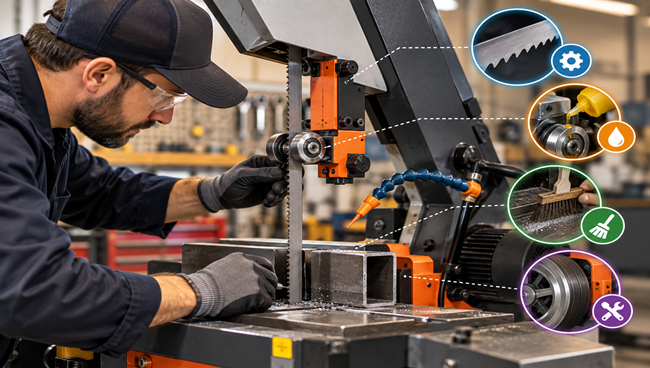
Even the best equipment requires regular maintenance.
Some routine maintenance tips include:
A well-maintained metal shear machine consistently produces cleaner cuts and more reliable performance.
Some common mistakes affect the quality of finished products. Try to avoid the following during metal cutting:
Never compromise safety during cutting operations, as they involve sharp tools; overlooking safety protocols can result in accidents.
Check out these safety practices:
Proper safety procedures reduce workplace injuries and protect equipment.
Many tools are used for sheet metal cutting, depending on the metal being cut. Some of them are discussed below:
Metal Shear Machine: These machines are known for making straight cuts in medium to thick-gauge metals. They are suitable for high-volume production.
Sheet Metal Shear: Thin metal sheets require careful shearing, so these shears are used for precision cutting. Also, they are quick.
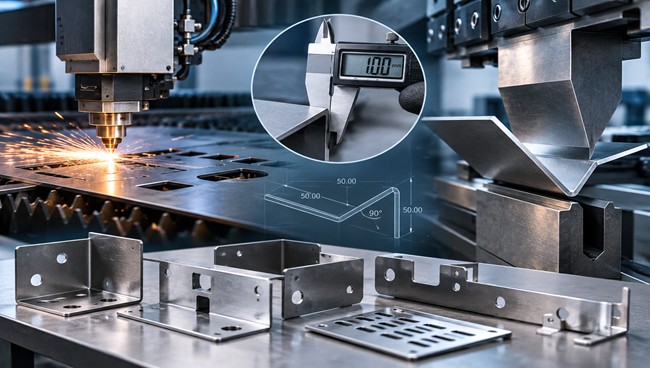
Laser Cut Metal Systems: For complex designs with tight tolerances, laser-cutting machines are used. These are used for high-precision applications.
Whether you are an industrial player or a DIYer who needs metal cutting in Albuquerque, you should always choose an expert with the right tools and expertise to shear metal according to the project’s needs.
In Albuquerque, your best choice is New Mexico Metals LLC, where we offer advanced metal shearing tools and years of experience. Whether you need retail or wholesale, we are here for you.
Give us a call to learn more about our services!
Que: What is the best tool for metal cutting?
Ans: The best tool depends on the application, the underlying metal, and the precision required. For faster operations, CNC machines are preferred; laser shears are used for complex designs, while hydraulic machines are best suited for thicker metals.
Que: How do you use a shear to cut metal effectively?
Ans: Effective metal cutting requires proper blade clearance, securing the metal, correct cutting speed, and sharp blades.
Que: Can a metal shear cut thick steel plates?
Ans: Yes. Hydraulic metal shear systems are specifically designed to cut thick steel plates efficiently and accurately.
Que: What is the difference between sheet metal cutting and plate cutting?
Ans: Sheet metal cutting involves thinner materials, while plate cutting refers to thicker metal sections that require more powerful cutting equipment.
Que: How can I improve the accuracy of metal cutting?
Ans: You can improve accuracy by using precise measuring tools, maintaining equipment regularly, securing materials properly, and optimizing machine settings before cutting.

To meet the needs of both wholesale and retail customers by providing an extensive selection of metals cut to size with exceptional service.
New Mexico Metals LLC
Address: 5821 Midway Park Blvd NE # F, Albuquerque, NM 87109, United States
Phone: (505) 717-1900
FAX: (505) 717-1769
Email: info@newmexico-metals.com
8:00 AM - 5:00 PM Monday - Friday
9:00 AM - 12:00 PM Saturdays
Copyright © 2026. All Rights Reserved.
Website Design & Digital Marketing By WSI