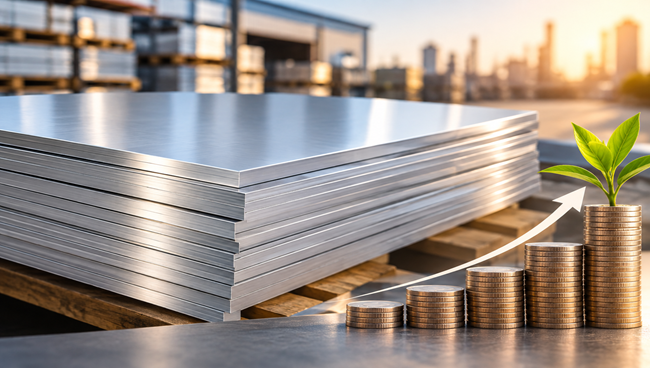
For manufacturers whose production requires aluminum as a raw material, they must understand what makes up the aluminum cost and how they influence final product pricing.
To understand what impacts the price, you must understand the roles regional energy costs, transportation, and supply chain factors play in it.
This blog has discussed it in detail.
The key highlights of the blog are:
Dive deeper to know how it impacts your manufacturing cost.
As a manufacturer, if you rely on aluminum as a raw material, you must be aware of the fluctuating prices and their impact on your profits.
Aluminum raw material is quite common and is used in various industries- from construction to automobile, infrastructure to aerospace. Its huge demand is another reason behind the price fluctuations. However, the most important factor is its mining and refinement.
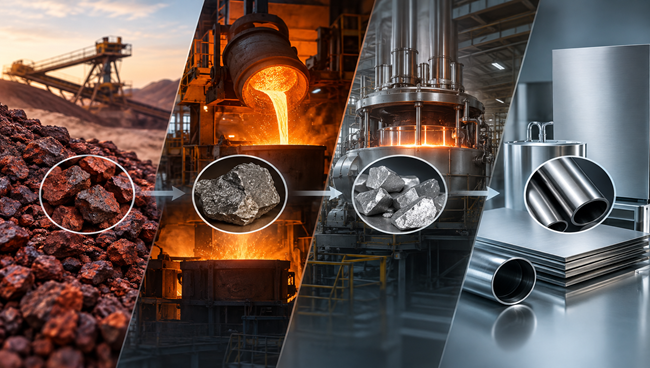
Aluminum is extracted from bauxite ore and refined into alumina, a raw material for aluminum oxide. Then it is smelted into raw aluminum.
It is then processed into raw aluminum sheet, coils, and bars, and transported to manufacturers. Multiple factors determine the cost of aluminum raw material, which are discussed in detail in this blog.
Read on!
Here are the different components of the raw aluminum cost:
Bauxite is the primary source of aluminum. Mining costs depend on location, labor, and extraction methods. Globally, bauxite mining accounts for approximately 10–15% of total aluminum raw material costs. Countries like Australia, China, and Guinea dominate production, which affects global supply pricing.
Once mined, bauxite is processed into alumina through the Bayer process. Alumina, the raw material for aluminum oxide, accounts for about 25–30% of the total production cost. The price of alumina fluctuates based on global demand and refining capacity.
Smelting is the most energy-intensive stage, converting alumina into raw aluminum using electrolysis. Electricity costs alone can account for 30–40% of total production expenses.
Labor, maintenance, and plant operations contribute to overall pricing. While automation has reduced labor costs, operational expenses still play a role in determining aluminum raw material cost.
Transporting bauxite, alumina, and finished aluminum products adds to costs. Regional pricing in areas like New Mexico is influenced by proximity to supply hubs and transportation infrastructure.
Recycled aluminum is significantly cheaper to produce. It requires up to 95% less energy than primary production, making it a cost-effective alternative. Many industries now rely on recycled materials to control aluminum raw material expenses.
As of recent market data, aluminum prices in the U.S. are approximately $3.4 per kilogram, depending on market conditions. Regional pricing for raw aluminum sheet may vary based on transportation and processing costs.
Rising energy prices, global demand, and supply chain disruptions continue to influence pricing trends. Additionally, increased demand for sustainable materials has boosted the use of recycled aluminum.
Several factors influence aluminum raw material cost, such as:
Manufacturers can control their raw material costs by partnering with local suppliers, thereby reducing transportation and storage costs.
Primary aluminum production involves mining, refining, and smelting, making it more expensive. On the other hand, recycled aluminum is much cheaper.
Do you know that recycled aluminum accounts for only 5% of the total cost of new aluminum production? It makes all the difference in the price of both alternatives.
Businesses increasingly choose recycled raw aluminum to reduce expenses and meet sustainability goals.
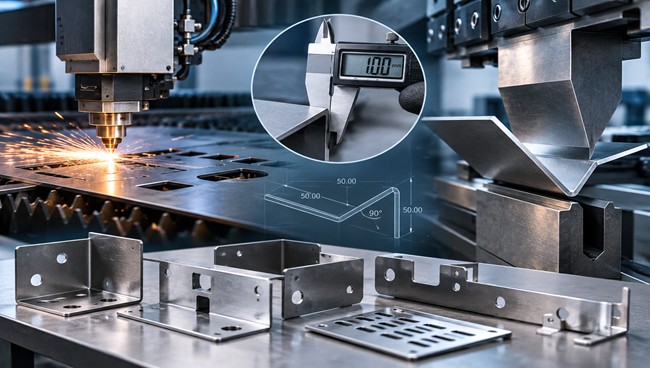
Efficient material usage plays a key role in controlling costs. Equipment such as an aluminum folding machine helps reduce waste by enabling precise shaping and minimizing scrap.
Accurate folding reduces the need for rework and ensures optimal use of aluminum raw material. In addition, partnering with reliable experts means less material waste and more efficient use. Local experts such as New Mexico Metals LLC have advanced machinery that reduces aluminum raw material waste and delivers accurate results, whether for aluminum folding or cutting.
Here are some strategies that manufacturers rely on for cost savings:
Buying in bulk helps reduce per-unit costs and ensures a consistent supply of aluminum raw material. Long-term partners can offer lucrative discounts on bulk sourcing.
As mentioned above, using recycled materials significantly lowers energy costs and overall production expenses.
As a manufacturer, you have two alternatives- either invest in advanced machinery for further metal processing, or partner with a supplier who offers metalworking services as well. The latter is a wise choice,The latter is a wise choice, considering you gain expertise without the upfront investment in costly equipment.Future Outlook of Aluminum Raw Material Costs
Multiple factors influence aluminum raw material costs, including energy prices, environmental regulations, technological advancements, and global demand. As more industries are being established, global demand for aluminum is only going to increase, which will have a considerable effect on raw material prices in the future.
Increased adoption of renewable energy in aluminum production may stabilize costs over time.
Many believe that the cost of aluminum manufacturing doesn’t affect the business; they couldn’t be more wrong. For businesses aiming to improve efficiency and lowering cost, understanding the cost structure is critical.
However, there is another way to lower operational costs: partnering with a reliable supplier that not only provides high-quality aluminum but also offers metalworking services, such as cutting, folding, shearing, etc.
New Mexico Metals LLC is the best choice for a local supplier in Albuquerque. We have the expertise, advanced tools, and knowledge to serve a wide range of industries. Whether you have retail or wholesale needs, we are here for you.
Contact us to know more about our services!
Que: What is the average aluminum raw material cost per kg?
Ans: In recent U.S. markets, aluminum is approximately $3.4 per kg, depending on market conditions and regional factors.
Que: What factors influence aluminum raw material cost the most?
Ans: Energy costs, especially electricity for smelting, along with raw material availability and global demand, have the greatest impact.
Que: Is recycled aluminum cheaper than primary aluminum?
Ans: Yes, recycled aluminum is significantly cheaper due to lower energy requirements and reduced processing steps.
Que: How can manufacturers reduce aluminum raw material costs?
Ans: They can do so by using recycled aluminum, improving energy efficiency, and purchasing in bulk.
Que: Why is the cost of electricity important in aluminum production?
Ans: Electricity is a major component of smelting costs, accounting for up to 30–40% of total production expenses.

To meet the needs of both wholesale and retail customers by providing an extensive selection of metals cut to size with exceptional service.
New Mexico Metals LLC
Address: 5821 Midway Park Blvd NE # F, Albuquerque, NM 87109, United States
Phone: (505) 717-1900
FAX: (505) 717-1769
Email: info@newmexico-metals.com
8:00 AM - 5:00 PM Monday - Friday
9:00 AM - 12:00 PM Saturdays
Copyright © 2026. All Rights Reserved.
Website Design & Digital Marketing By WSI