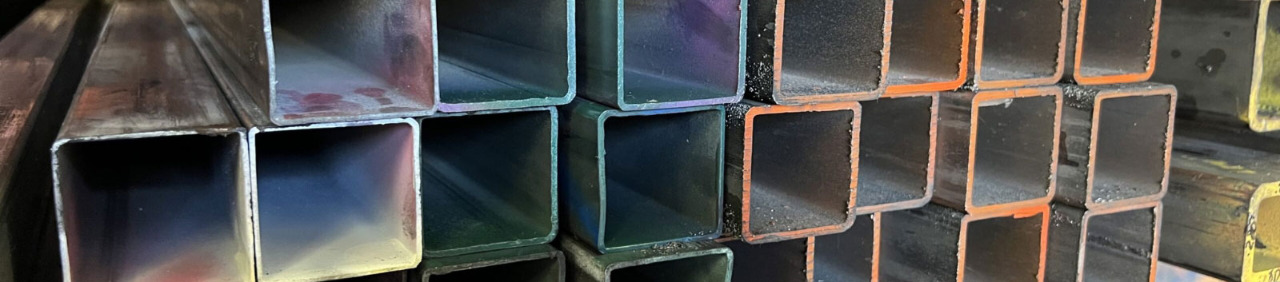

Industrial metals are the backbone of the modern industrial landscape. It’s used in construction, automotive, energy systems, household appliances, and many other everyday use cases. Its strength and versatility make it indispensable.
These metals drive economic growth, support infrastructure development, and enable technological innovation.
Dive deeper into the world of industrial metals in this blog.
The key highlights of the blog are:
From construction and infrastructure to the energy sector and the household appliances industry, if there is one thing in common, it’s the use of industrial metals. These metals, including structural steel, stainless steel, iron, copper, and aluminum, play a major role in modern infrastructure and everyday life. This blog discusses the importance of industrial metals, their roles, and how they aid different industries.
Industrial metals are metals used extensively in construction, manufacturing, engineering, transportation, and infrastructure projects. These materials are known for their strength, durability, conductivity, corrosion resistance, and formability, making them ideal for industrial applications.
Some commonly used industrial metals include:
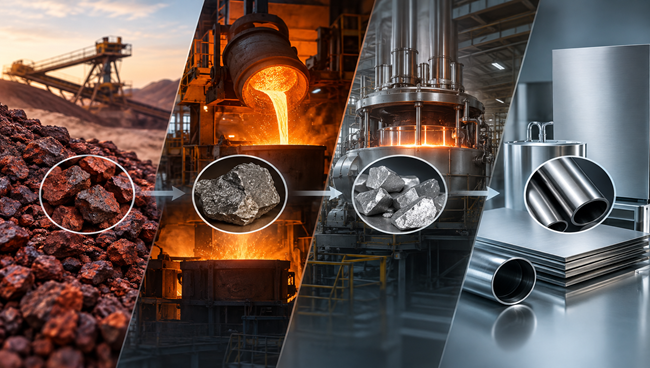
These metals are available in many forms, including bars, tubes, plates, coils, and steel sheets, depending on application requirements. They are the foundation for products and structures used every day around the world.
Industrial metals are both ferrous and non-ferrous, their usage depending on their specific properties. Some of these metal types are discussed below:
Ferrous metals contain iron and are known for their strength and durability.
These include:
Their common uses are:
Among these metals, steel is one of the most widely used, from kitchens to heavy industries.
Non-ferrous metals do not contain significant amounts of iron.
These metals are:
They are known for:
These metals are used in electrical systems, transportation equipment, HVAC systems, and architectural components.
Specialty metals are engineered for specific applications. The properties of metals are altered by alloying to enhance their existing characteristics and make them unbeatable even in harsh environments.
Some of the specialty metals are:
These materials are used in:
Industrial metals play a role in almost every aspect of modern life. They are used in residential and commercial buildings, transportation systems, electrical infrastructure, consumer electronics, and water and energy systems.
It is not possible to imagine the modern world without these metals, especially steel. It is known for its affordability, recyclability, and structural strength, and thus remains a favorite across industries.
Here are the key applications of industrial metals in manufacturing:
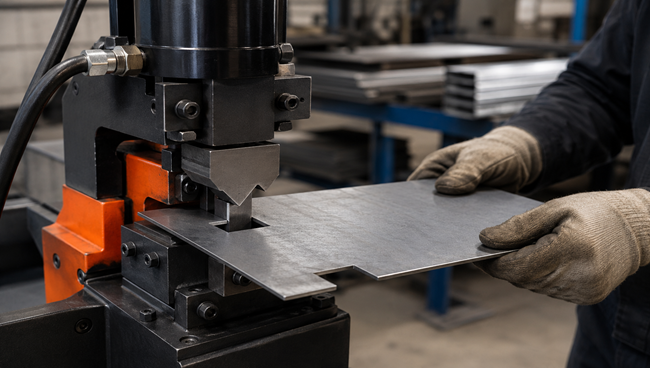
Metal stamping is one of the most common manufacturing processes involving industrial metals. It uses dies and presses to shape metal into precise components.
It offers the following benefits:
Stamped parts are widely used in automotive, construction, and industrial equipment sectors.
Sheet metals are used for:
Sheet materials provide an excellent balance of strength, flexibility, and ease of processing.
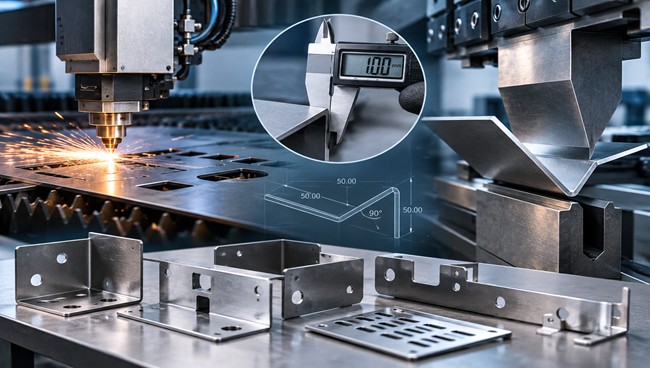
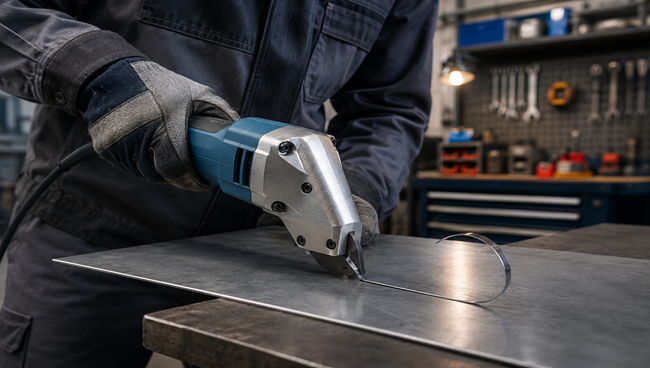
There are multiple methods for converting sheet metal into finished products, such as cutting, shearing, bending, drilling, punching, rolling, and welding. It requires proper planning to ensure that the result meets the specific requirements.
Stainless steel sheets are not just a raw material but one of the widely used and versatile products. They are known for their
They are used in:
Stainless steels are generally larger in size, making them ideal raw materials for producing finished products across multiple industries. Whether in kitchen appliances or heavy machinery manufacturing, their use remains highly valued.
Industrial metals are indispensable due to the multiple advantages they offer, such as:
The industrial landscape worldwide is changing. The time demands sustainable developments that last for decades. Contractors, infrastructure developers, manufacturers, automobile manufacturers, etc., everyone demands durable and sustainable metals. It has led to an increased need for industrial metals.
Steel alone accounts for hundreds of millions of tons of annual production worldwide and remains one of the most traded industrial commodities.
Reliable metal supply chains are required to drive economic growth worldwide.
While the demand for industrial metals is high, there are certain challenges as well.
Some of these are:
The increasing demand for metals and growth are driving technological advancements and efficiency improvements to address these issues.
Technology is shaping the next generation of metals and processing. The metal industry is going to witness certain changes as well, such as:
These innovations are improving efficiency while supporting sustainability goals.
Choosing the right material depends on several factors:
It’s wise to consult a reliable metal supplier to choose the right metal and grade for your project.
Industrial metals are essential to modern society. Owing to their obvious advantages as discussed above, the demand is also high. If you need a consistent supply of industrial metals for your business, you need a reliable supplier such as New Mexico Metals LLC.
We stock various metals, including stainless steel sheets, bars, and tubes, as well as line items you might need. Additionally, we offer metal processing services, including metal stamping, forming, and welding, so you get everything under one roof.
For more information, contact us!
Que: What are industrial metals?
Ans: Industrial metals are metals used extensively in construction, manufacturing, transportation, energy, and infrastructure applications.
Que: Why are industrial metals important?
Ans: They provide the structural strength, durability, and functionality needed for buildings, transportation systems, industrial equipment, and everyday products.
Que: What is metal stamping in manufacturing?
Ans: Metal stamping is a manufacturing process that uses dies and presses to shape metal sheets into precise components quickly and efficiently.
Que: What is a stainless steel sheet used for?
Ans: A stainless steel sheet is used in food processing equipment, medical devices, kitchen appliances, architectural panels, industrial machinery, and many corrosion-resistant applications.
Que: What industries rely on industrial metals the most?
Ans: Construction, automotive, aerospace, energy, transportation, manufacturing, infrastructure, and heavy industrial sectors rely heavily on industrial metals.

To meet the needs of both wholesale and retail customers by providing an extensive selection of metals cut to size with exceptional service.
New Mexico Metals LLC
Address: 5821 Midway Park Blvd NE # F, Albuquerque, NM 87109, United States
Phone: (505) 717-1900
FAX: (505) 717-1769
Email: info@newmexico-metals.com
8:00 AM - 5:00 PM Monday - Friday
9:00 AM - 12:00 PM Saturdays
Copyright © 2026. All Rights Reserved.
Website Design & Digital Marketing By WSI