Quick answer
Metal notching quality and accuracy depend on six factors: material type and thickness, tooling condition and clearance, machine capacity and settings, workpiece alignment, notch design and geometry, and inspection. Sharp tooling, correct clearance, a machine matched to the job, and a test piece before full production deliver the most consistent results.
Quick summary
Metal notching removes material from the edges of a metal workpiece to create a specific shape. It uses shear force to remove material, and the results depend on the material’s properties, tooling condition, machine settings, and cutting geometry. There are multiple factors at work during the metal notching process, which are discussed in this blog.
- Select the right metal grade and thickness for the application.
- Maintain sharp tooling and appropriate punch-to-die clearance.
- Choose a machine suited to the required notch dimensions.
- Position the workpiece correctly to prevent dimensional errors.
- Consider notch shape, corner radius, and proximity to bends.
- Inspect finished edges for burrs, cracks, and distortion.
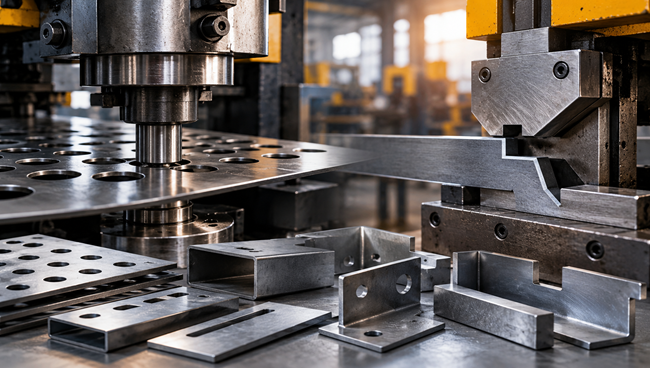
Metal notching removes sections from the edges or corners of a metal workpiece to prepare it for assembly or further processing. It works on sheets, plates, and other components. Notched metal components are then ready for bending, joining, assembly, or other processes. However, incorrect tooling, improper alignment, and incorrect machine settings can affect accuracy.
This blog discusses six key factors that affect the accuracy and quality of metal notching.
1
Factor 1Material Type and Thickness
Material type and thickness directly affect the required cutting force, tool wear, and edge quality. You can’t commence metal notching without determining the thickness and the material type. The metal notcher used for mild aluminum might not be ideal for stainless steel. Similarly, a machine setting suitable for thin, mild aluminum may not work for a thicker, stronger grade.
The required force also depends upon the material thickness. Using excessive force can damage tooling, while insufficient force can produce poor cuts.
Get it right: The best way to avoid such a mistake is to confirm the material grade and thickness before the operation. Select tooling and machine settings that align with the material and required notch dimensions.
2
Factor 2Tooling Condition and Clearance
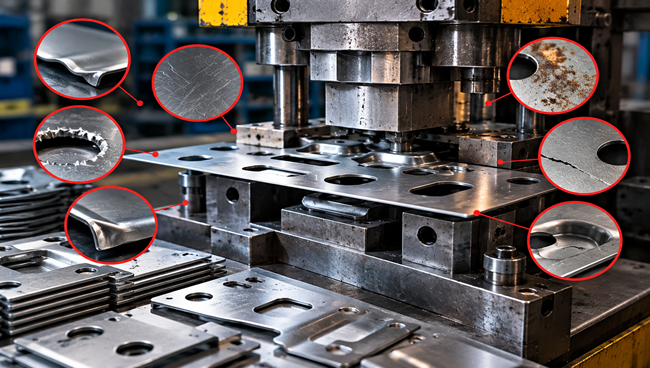
Tool condition also impacts the notch quality. A dull, damaged, or chipped tool produces inconsistent, rough, burred edges. Incorrect clearance between cutting components also affects how the metal separates.
Like metal punching, notching requires proper tool alignment and clearance for a clean cut. Excessive clearance increases burr formation, while insufficient clearance raises cutting forces and accelerates tool wear.
Get it right: To improve the quality, always inspect the tools before commencing the operation. Inspect punches and dies, keep cutting edges sharp, and verify clearance based on metal hardness and thickness. Replace damaged tools regularly to avoid mistakes.
3
Factor 3Machine Capacity and Settings
Not every machine can make the same cuts. Select the appropriate machine for consistent results. Choose a machine that matches the material so it performs properly without exceeding its operating limits.
A hydraulic sheet metal notcher is the best choice for hard metals in industrial applications. CNC machines provide precision for intricate work. Handheld metal notchers are best for small jobs. They are also portable, which makes on-site jobs possible.
| Machine type | Best for |
|---|---|
| Hydraulic sheet metal notcher | Hard metals and industrial applications |
| CNC machine | Precision and intricate work |
| Handheld metal notcher | Small jobs and portable, on-site work |
Heavy machinery isn’t always the right choice. Choose a tool based on the metal and job size.
Get it right: To avoid this mistake, set up the machine for the material and notch requirements, then test the first piece to confirm the settings produce the expected result.
4
Factor 4Workpiece Alignment and Positioning
Even with the right material and machine, results can still be inconsistent and inaccurate if the workpiece isn’t properly aligned or is positioned incorrectly. It can cause notches to appear in the wrong location, vary in size, or fail to match adjoining components.
When several identical parts are being processed, it is crucial. Small positioning errors may not seem like much, but they can cause assembly problems.
Get it right: This mistake can be prevented by using proper clamps, appropriate stops, guides, and measuring tools to position the sheet metal. Secure the material properly and verify its location before using the sheet metal notcher.
5
Factor 5Notch Design and Geometry
The notch’s shape, width, depth, and corner radius affect cutting quality and the finished part’s strength. Sharp internal corners concentrate stress, while notches too close to bends can distort during subsequent forming.
The notch must be carefully tested before creating brackets, panels, or structured components to ensure that it doesn’t weaken the surrounding material.
Get it right: Confirm all notch dimensions from the drawing before starting the operation.
6
Factor 6Inspection and Quality Control
Most often, inspections don’t form part of the metal notching process, which is common in smaller projects. This is a grave mistake because, without proper inspection, defects may go unnoticed until parts reach assembly. In large-scale projects, this can mean thousands of parts are wasted.
Get it right: You can reduce metal and time waste by establishing an inspection process that checks cut edges, measures critical dimensions, and compares finished components with approved drawings. Test the first piece before moving ahead with the large production run. You can also reach out to a specialist to learn when you should use a sheet metal punch hole.
The 6 Factors at a Glance
| Factor | What goes wrong | How to control it |
|---|---|---|
| Material type and thickness | Tool damage or poor cuts from wrong force | Confirm grade and thickness; match tooling and settings |
| Tooling condition and clearance | Burrs, rough edges, tool wear | Inspect tools; keep edges sharp; verify clearance |
| Machine capacity and settings | Inconsistent results, exceeded limits | Match machine to material; test first piece |
| Workpiece alignment | Notches in wrong place or wrong size | Clamps, stops, guides, measuring tools |
| Notch design and geometry | Stress concentration, distortion near bends | Test notch; confirm dimensions from drawing |
| Inspection and quality control | Defects reach assembly | Check edges and dimensions against drawings |
Metal Notching in Albuquerque
Metal notching accuracy and quality depend on confirming the material, thickness and hardness; tooling condition; the right tool or machine; notch design; inspection; and machine capacity. Managing these factors is crucial to reduce defects and minimize material defects.
Whether you need metal notching for a small- or large-scale project, it’s recommended to choose a professional expert who can manage these factors and deliver accurate, consistent, and quality notching results.
In Albuquerque, you can always rely on New Mexico Metals LLC. We use the GEKA Bendicrop 60S Universal Ironworker for metal punching and notching.
For more information, visit our store!
Frequently Asked Questions
What is the main purpose of metal notching?
Metal notching removes material from an edge or corner to create a specific profile. It helps components fit together and prepares them for bending, joining, and assembly.
What causes burrs during notching sheet metal?
Burrs can be caused by unsuitable clearance, dull tooling, misalignment, or incorrect machine settings.
Which machine is best for metal notching?
The answer depends upon the underlying job and metal. A hydraulic sheet metal notcher is best for industrial production, while a handheld notcher may suit thinner sheets.
How can I improve metal notching accuracy?
Use suitable tooling, verify material thickness, align the workpiece correctly, maintain consistent machine settings, and inspect finished dimensions throughout production.