Summary
Aluminum, whether raw or processed, is used in modern manufacturing, and why not? The metal offers excellent corrosion resistance, is malleable, and is beautiful. Many industries, from construction and transportation to electronics and packaging, rely heavily on it. This blog discusses why.
The key highlights of the blog are:
Aluminum is a versatile metal. It is lightweight, offers an excellent strength-to-weight ratio and corrosion resistance, and is a favorite among industries.
Whether used in structural components, electrical systems, transportation equipment, or packaging, aluminum raw material helps manufacturers produce durable, efficient, and sustainable products.
As industries continue to demand lighter, stronger materials, aluminum remains one of the most valuable engineering metals available today.
This blog discusses the various uses of raw aluminum and what makes it a favorite for modern manufacturing.
Aluminum is the second most widely used metal after steel because it offers properties that many other metals cannot match. However, aluminum is rarely used in its purest form. Instead, it is typically alloyed with other elements to achieve the specific properties required for a particular application. Its importance comes from its ability to:
These characteristics make aluminum an ideal material for manufacturers seeking both performance and long-term value.
Several properties explain why aluminum is widely used in modern manufacturing.
Lightweight: Aluminum weighs about one-third as much as steel, making it ideal for applications where reducing weight improves fuel efficiency or handling.
Corrosion Resistance: When exposed to air, aluminum forms a thin oxide layer that protects the surface from corrosion. This self-protecting characteristic extends product life in outdoor and industrial environments.
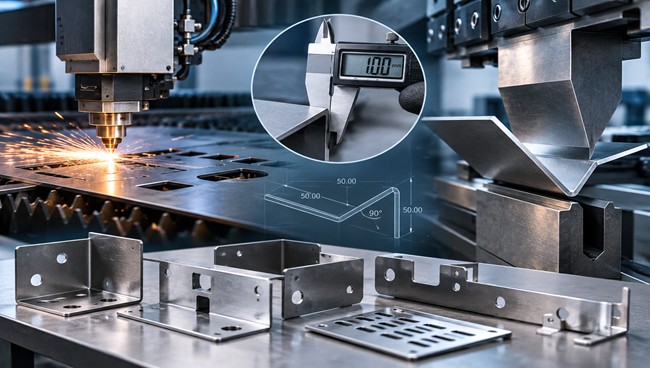
Excellent Formability: Aluminum can be rolled, bent, extruded, stamped, and machined into complex shapes while maintaining good mechanical properties.
High Thermal and Electrical Conductivity: Aluminum’s conductivity makes it suitable for heat exchangers, electrical equipment, and power transmission components.
Recyclability: Recycling aluminum requires only a fraction of the energy needed to produce primary aluminum from bauxite, making it one of the world’s most sustainable engineering materials.
Read more: Aluminium Raw Material Cost Factors Every Buyer Should Know
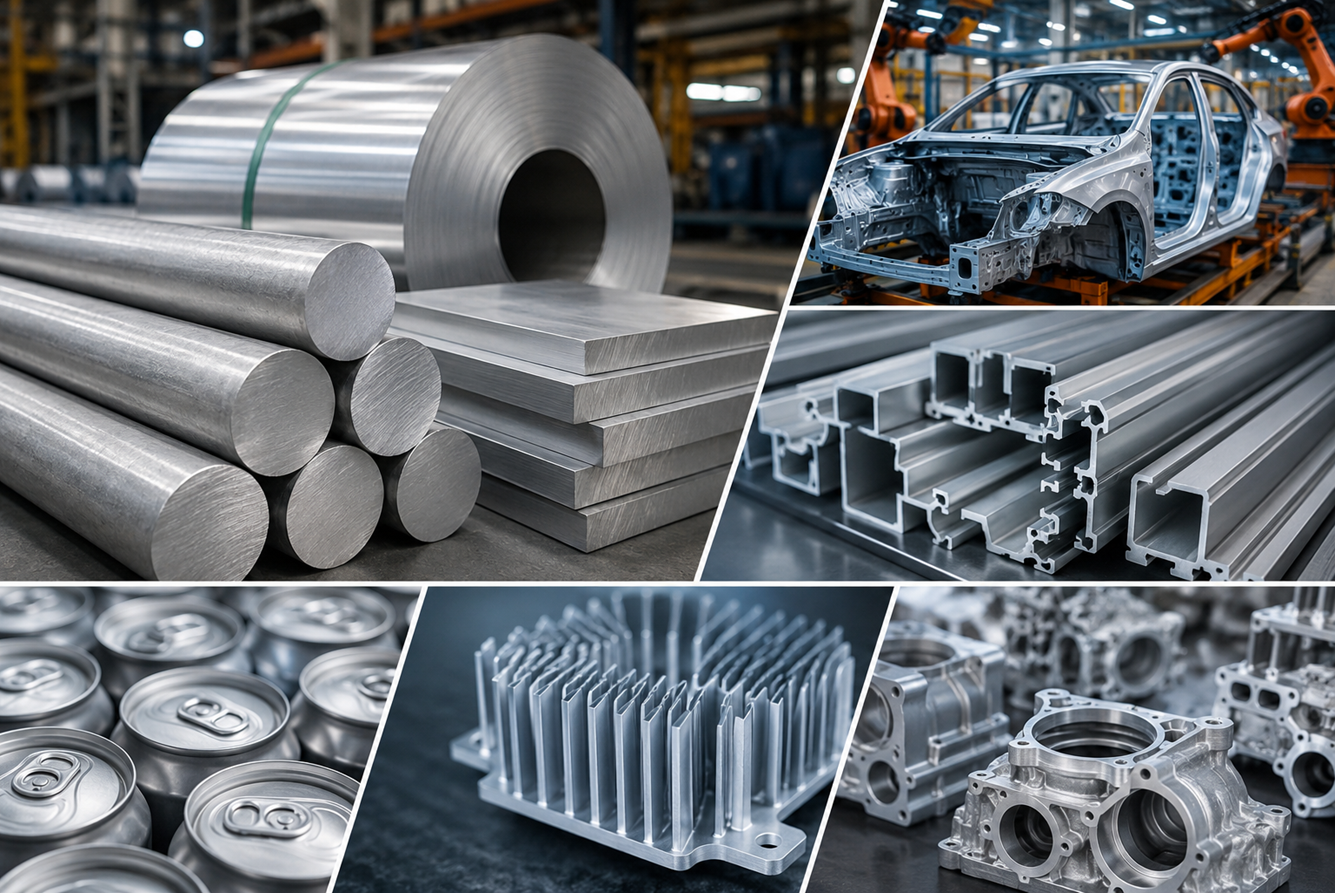
Here are the major applications of aluminum across various industries:
Builders use aluminum for curtain walls, roofing systems, window frames, structural panels, and architectural facades because it combines strength with corrosion resistance.
Vehicle manufacturers rely on aluminum to reduce overall weight while maintaining safety and structural integrity. Lighter vehicles improve fuel economy and electric vehicle range.
Aircraft components require materials that provide exceptional strength while minimizing weight. Aluminum alloys continue to play a major role in commercial and military aircraft.
Because aluminum conducts electricity efficiently, it is widely used for transmission lines, electrical enclosures, heat sinks, and electronic housings.
Aluminum foil raw material is processed into food packaging, pharmaceutical packaging, beverage containers, and household foil products. Aluminum’s excellent barrier properties help protect products from moisture, oxygen, and light.
Aluminum offers several advantages over other metals, which are discussed below:
These advantages reduce transportation costs, simplify manufacturing, and improve overall product performance.
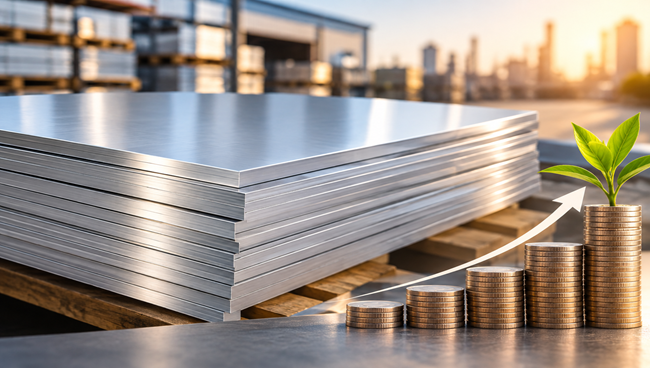
The aluminum raw material cost depends on several market and production factors rather than a single fixed price.
It’s influenced by:
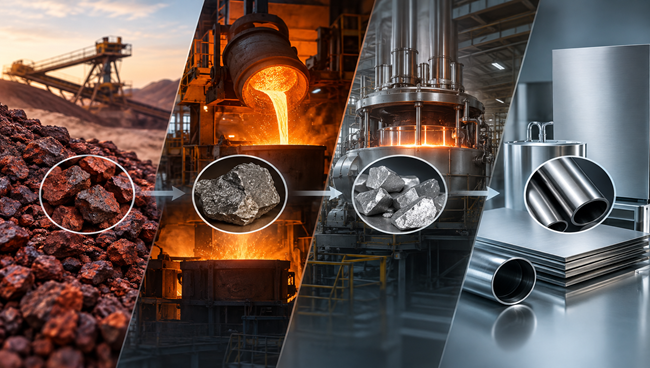
Primary aluminum is produced by refining bauxite into alumina (aluminum oxide) using the Bayer process, followed by smelting through the Hall-Héroult process. Because these stages require significant energy, electricity prices directly impact aluminum costs.
Aluminum is available in the following primary forms:
Raw Aluminum Sheet
Raw aluminum sheets are widely used for architectural panels, vehicle body parts, industrial equipment, HVAC systems, and machine components because they offer excellent formability and consistent thickness.
Aluminum Coils and Plates
Coils support high-volume manufacturing operations, while thicker plates are commonly used for heavy-duty structural applications and industrial machinery.
Extrusions and Bars
Extruded profiles are used in window systems, transportation, machinery frames, and structural supports. Aluminum bars are frequently machined into precision components.
Aluminum Foil Raw Material
Aluminum foil raw material is rolled into extremely thin sheets used for flexible packaging, food containers, insulation products, and pharmaceutical applications. The rolling process produces foil while maintaining aluminum’s barrier properties and corrosion resistance.
Read more: How Does Raw Aluminum Differ From Finished Aluminum Products?
Choosing the right aluminum raw material involves more than comparing prices. Manufacturers need to evaluate quality, availability, certifications, and supplier reliability to ensure consistent production.
Common challenges associated with sourcing aluminum are:
Price volatility: Aluminum raw material costs fluctuate based on global aluminum prices, energy costs, transportation expenses, and market demand.
Alloy selection: Different alloys offer varying strength, corrosion resistance, and machinability. Selecting the wrong grade impacts production.
Material certifications: Reputable suppliers provide mill test reports and certifications verifying chemical composition and mechanical properties.
Supply chain stability: Delivery delays can disrupt manufacturing schedules, making dependable suppliers essential.
Material form: Choosing between raw aluminum sheet, coils, bars, plates, or extrusions depends on the intended application and manufacturing process.
Sourcing aluminum requires planning and consideration so you don’t overpay. Purchasing during the off-season and in bulk helps.
Aluminum is a widely used metal, but finding the right source to purchase only top-quality aluminum is still a challenge. You need an experienced supplier who understands the nuances of the metal & its grades and helps you choose the right one for your project.
So, consult New Mexico Metals LLC for aluminum. If you are in manufacturing, you know the challenges of sourcing and why it’s important to build trusted relationships. We believe in long-term partnerships and offer the best aluminum raw material in Albuquerque.
Call us today or visit us to learn more about our offerings.
Que: What is raw aluminum used for?
Ans: It is used in construction and for manufacturing automotive parts, aircraft components, electrical equipment, industrial machinery, packaging products, consumer goods, etc.
Que: How is aluminum raw material produced?
Ans: Aluminum raw material begins as bauxite ore. The ore is refined into alumina (aluminum oxide) through the Bayer process. The alumina is then converted into pure aluminum using the Hall-Héroult electrolytic process before being cast into ingots, billets, slabs, or other semi-finished forms.
Que: What affects aluminum raw material cost?
Ans: Global commodity prices, electricity costs, alloy grade, transportation, supply and demand, tariffs, etc., impact aluminum raw material cost.
Que: What is aluminum oxide raw material?
Ans: Aluminum oxide raw material, also known as alumina (Al₂O₃), is the refined product obtained from bauxite before aluminum is smelted. It is the primary feedstock for aluminum production.
Que: What industries commonly use raw aluminum sheet?
Ans: Raw aluminum sheets are commonly used in construction, transportation, aerospace, HVAC, electrical equipment, food and beverage packaging, marine applications, industrial machinery, and consumer product manufacturing.

To meet the needs of both wholesale and retail customers by providing an extensive selection of metals cut to size with exceptional service.
New Mexico Metals LLC
Address: 5821 Midway Park Blvd NE # F, Albuquerque, NM 87109, United States
Phone: (505) 717-1900
FAX: (505) 717-1769
Email: info@newmexico-metals.com
8:00 AM - 5:00 PM Monday - Friday
9:00 AM - 12:00 PM Saturdays
Copyright © 2026. All Rights Reserved.
Website Design & Digital Marketing By WSI