
In manufacturing industries, sheet metal processing is considered crucial, and why not? It includes everything from cutting sheet metal to bending, forming, and stamping sheet metal. It converts flat sheet metals into finished products.
If you want to learn more about its usefulness, this blog is for you.
The key highlights of the blog are:
Many industries want a reliable method that makes the work easier and more efficient. Sheet metal processing is one such method and is widely used in many industries, including manufacturing. The art of turning flat sheet metal into finished products requires a combination of methods, as discussed in detail in the blog below.
Sheet metal processing is a collection of manufacturing techniques that convert flat metal sheets into finished components. These methods include cutting sheet metal, sheet metal forming, sheet metal bending, punching, stamping, and other operations that change the shape or dimensions of metal.
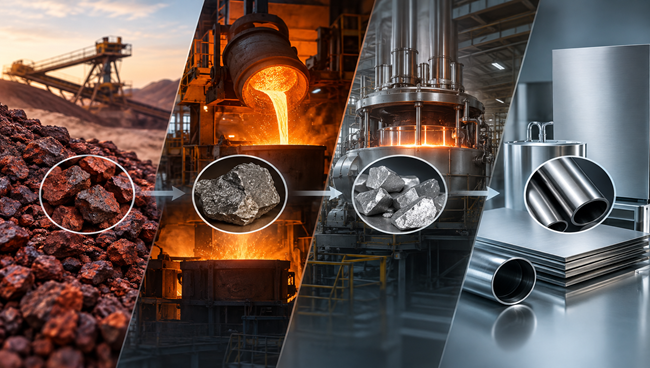
It is used across various industries and applied to steel, stainless steel, aluminum, copper, brass, and other materials. Depending on the application, processing involves manual equipment, hydraulic systems, CNC-controlled machinery, or automated production lines.
Here is why sheet metal processing is indispensable in the manufacturing industry:
It supports large-scale production while maintaining consistent quality. Automated machinery can produce thousands of identical components with minimal variation.
Consistency is especially important in industries where precision and reliability directly affect product performance.
Today, technology is quite advanced and delivers precision in critical sectors such as aerospace, automotive, and industrial equipment manufacturing. Accurate processing reduces assembly issues, minimizes waste, and improves overall product quality.
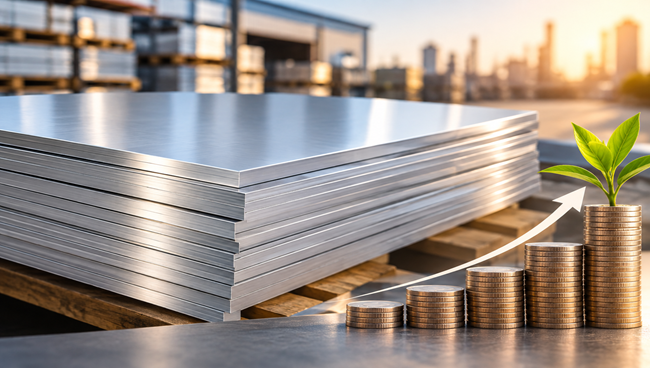
Sheet metal processing is considered highly cost-efficient. It focuses on efficient material use, high production speeds, and automation that reduce production costs.
Why so? Because:
Sheet metal is known to be highly flexible and can be used to create even complex components. From simple brackets to complex structural components, it can form them all.
This flexibility makes sheet metal suitable for a broad range of industrial applications.
Processed sheet metal components maintain excellent structural integrity. Properly formed and bent metal parts provide strength, corrosion resistance, and long service life, making them ideal for demanding environments.
Here are some sheet metal processing techniques commonly used in manufacturing:
Sheet metal forming involves reshaping metal without removing material. The process uses force to create bends, curves, channels, and other shapes while preserving material thickness.
It includes:
These techniques enable manufacturers to create strong, lightweight components efficiently.
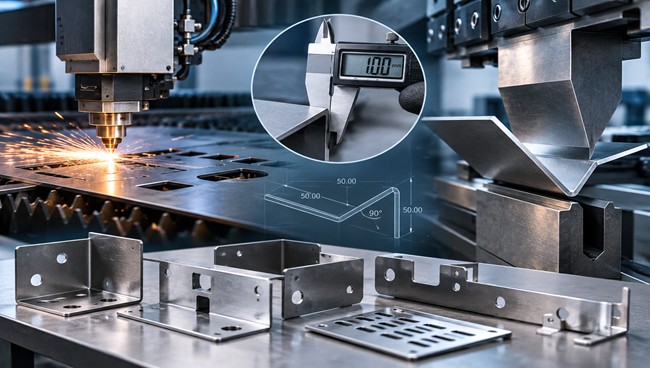
It changes the angle of a metal sheet along a straight axis to produce parts for construction, machinery, enclosures, and structural systems.
Proper bending can be ensured by considering the following:
Accurate bending helps ensure dimensional consistency and structural performance.
Sheet metal stamping uses specialized dies and presses to create shapes, holes, embossments, and other features. It is widely used for high-volume production because it offers exceptional speed and repeatability.
Stamping helps produce components for automotive parts, electrical enclosures, appliances, and industrial equipment.
Some major industries that use sheet metal processing are:
These industries require precise, durable components that can be produced efficiently and consistently.
Here are the various benefits of sheet metal processing:
Laser measurement systems, automated handling equipment, and digital controls help optimize every stage of production.
Despite its benefits, sheet metal processing presents several challenges.
After bending, metal may partially return to its original shape. Professionals understand the metal and anticipate the degree of springback, using specialized tools to bend the metal accordingly.
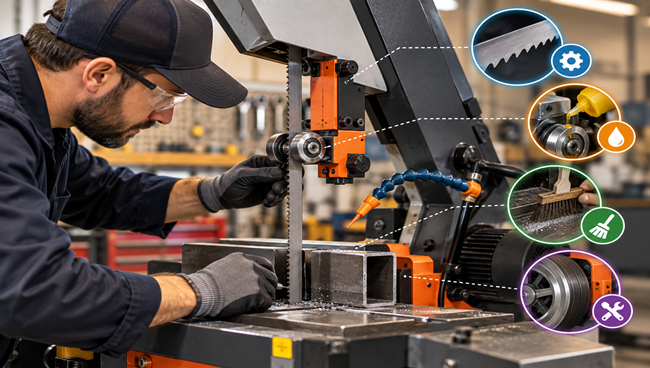
Tools wear over time through continuous use. It requires maintenance and inspection to maintain its quality and accuracy.
Poor planning can increase scrap rates. Efficient nesting and optimized cutting layouts significantly reduce waste.
Operator mistakes or equipment misalignment are a part of manufacturing and affect product quality. Automation and routine calibration help minimize these issues.
Consider the following when choosing a metal processing partner:
Do not make the mistake of choosing the partner who offers the cheapest quote. Choose someone with expertise in metals and equipment to ensure consistency across every batch.
The future of sheet metal processing is being shaped by automation, digital manufacturing, and sustainability initiatives.
Some of the emerging trends are:
These innovations are expected to improve productivity, precision, and environmental performance.
In modern manufacturing, sheet metal processing is an important cornerstone. Techniques such as sheet metal bending, cutting, forming, and stamping produce high-quality components efficiently and economically.
If you need consistent results for your large-scale production, you need a reliable partner such as New Mexico Metals LLC. We have the tools, expertise, and years of experience that make us the best choice for sheet metal processing in Albuquerque.
Give us a call today to discuss your needs!
Que: What is sheet metal processing used for?
Ans: Sheet metal processing is used to transform flat metal sheets into components for construction, automotive, aerospace, HVAC, industrial equipment, and many other applications.
Que: What is the difference between sheet metal forming and bending?
Ans: Sheet metal forming includes many shaping processes, while sheet metal bending specifically involves creating angles or curves along a straight axis.
Que: What machines are used in sheet metal processing?
Ans: Some common equipment includes laser cutters, press brakes, punch presses, stamping presses, CNC systems, and sheet metal bending machines.
Que: Why is sheet metal processing cost-effective?
Ans: It offers efficient material usage, high production speeds, automation capabilities, and reduced labor costs, making it economical for both small and large production runs.
Que: Which industries benefit the most from sheet metal processing?
Ans: Construction, automotive, aerospace, HVAC, energy, agriculture, telecommunications, and industrial manufacturing all benefit significantly from sheet metal processing.

To meet the needs of both wholesale and retail customers by providing an extensive selection of metals cut to size with exceptional service.
New Mexico Metals LLC
Address: 5821 Midway Park Blvd NE # F, Albuquerque, NM 87109, United States
Phone: (505) 717-1900
FAX: (505) 717-1769
Email: info@newmexico-metals.com
8:00 AM - 5:00 PM Monday - Friday
9:00 AM - 12:00 PM Saturdays
Copyright © 2026. All Rights Reserved.
Website Design & Digital Marketing By WSI