
Summary
Sheet metal notching plays a crucial role in modern manufacturing. However, the most important decision to make is which tool to use. Today, service providers use hydraulic sheet metal notchers for cleaner cuts, higher accuracy, and greater productivity. If you also use sheet metal notching, it’s important to understand the benefits of hydraulic sheet metal notchers so you can make the right decision.
This blog discusses these benefits in detail.
The key highlights of the blog are:
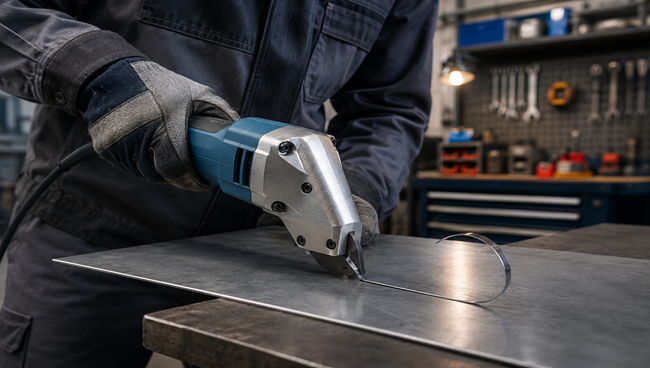
Metal notching is the process of removing excess material from the edges and corners of a metal sheet so it can be bent, folded, welded, or assembled more easily. Unlike a metal hole punch that creates a hole within the perimeter of the sheet metal, a notcher removes material from the perimeter.
A hydraulic sheet metal notcher uses hydraulic force to cut through the material with consistent force.
Because hydraulic systems deliver smooth, controlled pressure, they produce cleaner cuts with excellent repeatability while requiring less physical effort from the operator.
If you want to know why these machines are so popular, read this blog and learn about the various benefits of using a hydraulic sheet metal notcher.
The two terms are often used interchangeably, but they are very different.
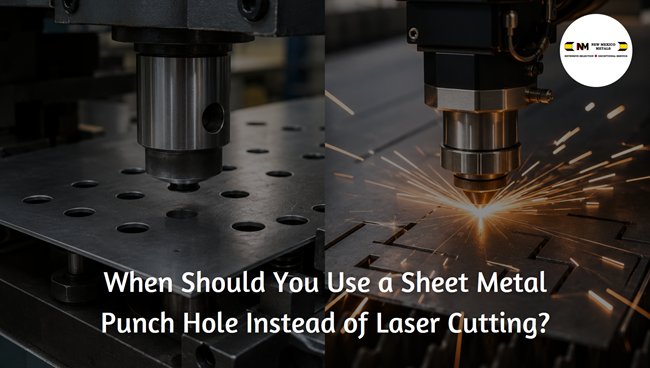
Metal notching removes material from the sheet’s edge to create corners for better folding, bending, or assembly. On the other hand, metal punching is used to punch holes within the perimeter of the sheet metal.
For example:
Here are the various benefits of a sheet metal notcher and why it is used across many industries for large production runs:
It delivers highly accurate cuts and stays consistent with every stroke. It delivers cleaner, repeatable notches that require little to no finishing.
Hydraulic machines remain the preferred choice for their faster speeds. Their higher cycle speeds help manufacturers increase productivity without sacrificing quality, making them ideal for medium- and high-volume production.
Compared to many manual cutting methods, hydraulic machines offer fewer burrs. Cleaner cuts reduce deburring time and improve the appearance and safety of finished parts.
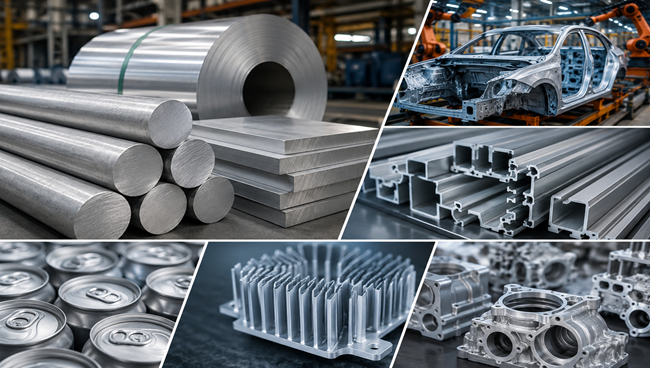
Hydraulic metal notchers are versatile and can handle mild steel, stainless steel, aluminum, copper, brass, and other alloys.
Many industrial models can also handle varying material thicknesses while maintaining excellent cutting quality.
Accurate notching of sheet metal minimizes unnecessary scrap. Because hydraulic systems consistently remove only the required material, manufacturers can improve material utilization and lower production costs over time.
Modern hydraulic notchers incorporate safety guards, foot-operated controls, emergency stops, and secure worktables that reduce operator exposure to moving blades. Also, they require less physical effort and provide greater control during operation.
Consistency is one of the main reasons hydraulic machines are so popular for sheet metal notching. They apply the same cutting force across all batches and produce consistent results through production cycles. It reduces inspection failures and minimizes costly rework.
Hydraulic systems automate most of the cutting process, thus requiring less operator assistance. One trained operator can process significantly more components than with hand-operated tools, improving labor efficiency.
A hydraulic sheet metal notcher can produce V-notches, corner notches, rectangular relief cuts, and other specialized shapes used before bending or assembly. They can also work on miscellaneous metals.
Hydraulic machines might cost more upfront, but the long-term savings are substantial. Faster production, lower labor costs, reduced scrap, improved accuracy, and longer machine life result in a lower overall cost per part over the life of the equipment.
Sheet metal notching is used across various industries for the following applications:
Consider the following before investing in a notching machine:
The machine features should align with your needs to improve both efficiency and equipment life.
Here are the best practices for effective results:
Every machine requires maintenance, and hydraulic sheet metal notchers are no different.
Modern manufacturing demands speed, repeatability, and precision. Hydraulic notchers meet these requirements by combining powerful cutting performance with excellent accuracy. They can process multiple materials & thicknesses while maintaining consistency, which makes them indispensable for modern operations. They integrate with other metal processing methods such as punching, bending, and welding to create efficient production workflows.
While hydraulic sheet metal notchers make the process easier and more efficient, they require a thorough understanding of the metals to achieve desired results. Despite their benefits, hydraulic sheet metal notchers are a significant investment. When you need sheet metal notching and consider investing in a hydraulic sheet metal notcher, your first question should be: “Is it worth it?”
Think of the better alternative. Contact New Mexico Metals LLC for the best metal notching services in Albuquerque. We use advanced technology and only the best materials. Whether you need sheet metal notching for a small or large project, we are here for you.
Give us a call today and learn more about our services!
Que: What is a hydraulic sheet metal notcher used for?
Ans: A hydraulic sheet metal notcher removes sections from the edges or corners of sheet metal to prepare parts for bending, welding, folding, or assembly.
Que: How does metal notching differ from metal punching?
Ans: Metal notching removes material from the edge of a workpiece, while metal punching creates holes within the sheet using a punch and die.
Que: What materials can be processed with a hydraulic sheet metal notcher?
Ans: It can process mild steel, stainless steel, aluminum, copper, galvanized steel, and other common sheet metals, depending on machine capacity.
Que: What are the advantages of hydraulic notching over manual notching?
Ans: They provide greater cutting force, higher precision, faster production, reduced operator fatigue, improved safety, and more consistent results.
Que: Can a sheet metal notcher handle thick metal sheets?
Ans: Yes. Many industrial hydraulic notchers can process thicker sheet metals that would be difficult or impossible to notch using manual equipment.

To meet the needs of both wholesale and retail customers by providing an extensive selection of metals cut to size with exceptional service.
New Mexico Metals LLC
Address: 5821 Midway Park Blvd NE # F, Albuquerque, NM 87109, United States
Phone: (505) 717-1900
FAX: (505) 717-1769
Email: info@newmexico-metals.com
8:00 AM - 5:00 PM Monday - Friday
9:00 AM - 12:00 PM Saturdays
Copyright © 2026. All Rights Reserved.
Website Design & Digital Marketing By WSI