Metal notching is a critical process that requires using the right tool to achieve the best possible results. There are multiple sheet metal notching tools, such as manual notchers, electric notching machines, and CNC-operated notchers, each designed for specific production needs. Choosing the right tool improves precision, reduces waste, and increases operational efficiency.
This blog has discussed various sheet-metal notching tools in detail.
The key highlights of the blog are:
Learn how to increase productivity by aligning the right tool with an underlying metal for the most accurate results.
The answer to this question isn’t straightforward because different metals and their grades behave differently during notching. The choice of tools also depends on several factors, including metal hardness, thickness, the scale of the job, and the affordability & availability of tools.
Whether you need metal notching for a DIY task or a large-scale industrial operation, the right tool choice plays a key role in determining the quality of the job.
This blog has discussed in detail the various metal notching tools, the role of metal punching in metal notching, the common challenges operators face, and what to expect from metal notching in the future.
Read on!
Metal notching is the process of removing excess metal from the perimeter of an item or a metal sheet. It can be a tube, bar, or a structural component that requires cutting corners, slots, or cutouts. It is commonly used before bending or assembling parts.
Here are various metal notching tools:
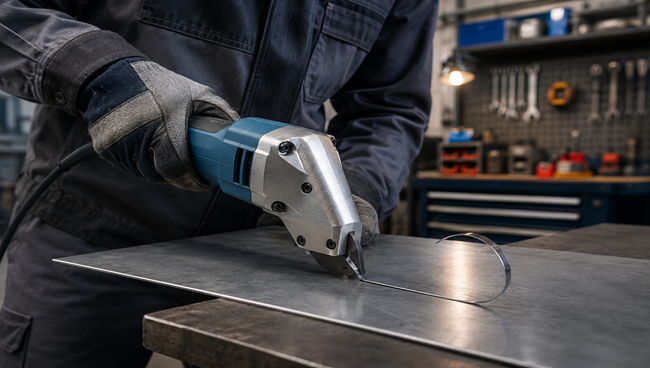
Manual notchers are simple hand-operated tools designed for light-duty applications. They are commonly used for thin sheet metal and low-volume production.
They are known for:
However, these are slower and less precise compared to CNC machines.
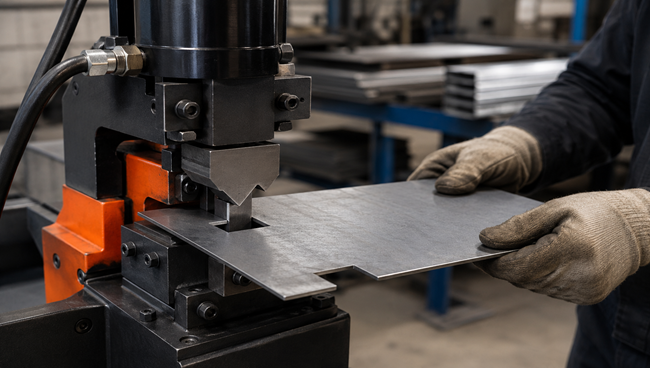
These metal notchers use hydraulic force to cut through metal with high accuracy. They are popular in industrial settings due to their power and efficiency.
They are known for:
Hydraulic systems are ideal for high-volume metal notching operations.
Mechanical notchers use motor-driven mechanisms to perform cutting operations. These machines are faster than manual tools and suitable for medium-scale production.
They are commonly used for repetitive sheet-metal notching tasks where consistent performance is required.
CNC notchers are computer-controlled systems designed for precision and automation. They can perform highly accurate cuts with minimal operator involvement.
They are known for:
CNC technology is known for its accuracy, speed, and precision, and is gaining popularity in industrial operations.
Turret punch presses combine metal punching and notching capabilities into a single machine. These systems use interchangeable tooling to quickly create holes, slots, and notches.
A turret punch machine can replace separate tools, such as a metal hole punch, in large-scale production environments.
Metal notching isn’t a standalone operation but a part of metalworking processes, which is often combined with metal punching. In fact, metal punching and notching are often considered the same, which is untrue.
Modern systems combine metal punching and notching in a single machine to improve efficiency.
A metal hole punch can be used alongside notching when creating holes or openings in sheet metal components.
Here are the key factors that must be considered when choosing a sheet metal notcher:
For heavy-duty applications, a hydraulic sheet metal notcher is the preferred choice due to its cutting power and durability.
There are multiple advantages of using advanced notching tools, such as:
Today, advanced CNC notchers are often the most preferred choice, but you should consider their feasibility for your operations before choosing them.
Sheet metal notching is popular in the following industries:
It is not an exhaustive list of the industries that rely on the precision of metal notching for proper assembly and performance.
Safety is crucial in all metal related works, and metal notching is no exception. Some common safety practices are:
Proper workforce training and tool maintenance play a key role in preventing workplace injuries and equipment damage.
A metal notching process involves:
Adjust the setup according to the underlying metal to achieve accurate results.
Some common challenges that operators face during metal notching include:
Here are the solutions to counter these issues:
These practices will improve the quality of metal notching operations.
The future of notching technology focuses on automation and efficiency. CNC systems, robotic handling, and smart monitoring technologies are becoming more common.
These innovations improve productivity, reduce downtime, and enhance precision in sheet-metal notching.
Instead of choosing the right tool for metal notching and failing, you can choose the right expert for your notching needs. In Albuquerque, you can always rely on New Mexico Metals LLC for top-quality metal notching operations. We use GEKA Bendicrop 60S Universal Ironworker for metal punching and notching, a machine that delivers exceptional results.
Whether you have retail or wholesale needs, you can choose us.
Contact us today to know more!
Que: What is the best tool for metal notching?
Ans: The best tool depends on your needs. While CNC and hydraulic notchers are preferred for high precision and heavy-duty operations, you should always consider the feasibility before choosing these notchers.
Que: How is metal punching different from metal notching?
Ans: Metal punching creates holes in metal, while notching removes sections from edges or corners for shaping and assembly.
Que: Can a turret punch machine perform notching operations?
Ans: Yes, turret punch presses can perform both punching and notching using interchangeable tooling systems.
Que: What materials can be used in sheet metal notching?
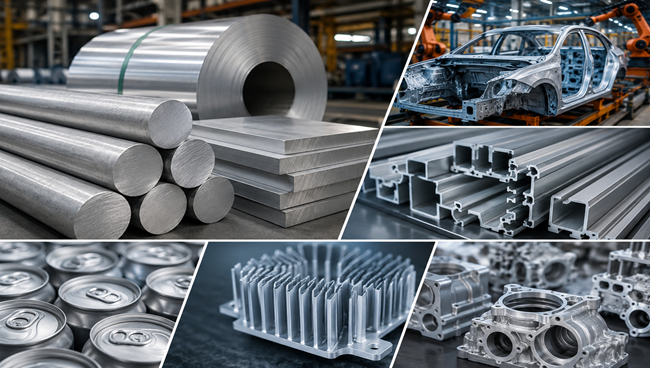
Ans: Common materials include steel, stainless steel, aluminum, copper, and brass.
Que: Is CNC notching better than manual notching?
Ans: Yes, CNC notching provides greater accuracy, speed, consistency, and efficiency compared to manual methods.

To meet the needs of both wholesale and retail customers by providing an extensive selection of metals cut to size with exceptional service.
New Mexico Metals LLC
Address: 5821 Midway Park Blvd NE # F, Albuquerque, NM 87109, United States
Phone: (505) 717-1900
FAX: (505) 717-1769
Email: info@newmexico-metals.com
8:00 AM - 5:00 PM Monday - Friday
9:00 AM - 12:00 PM Saturdays
Copyright © 2026. All Rights Reserved.
Website Design & Digital Marketing By WSI