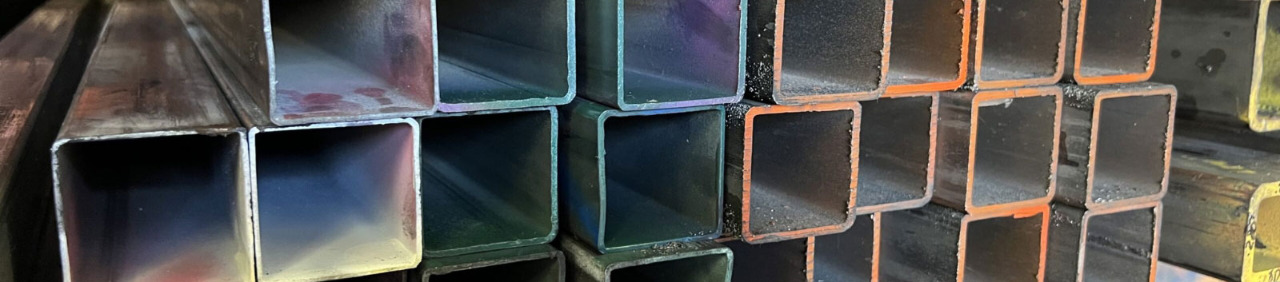
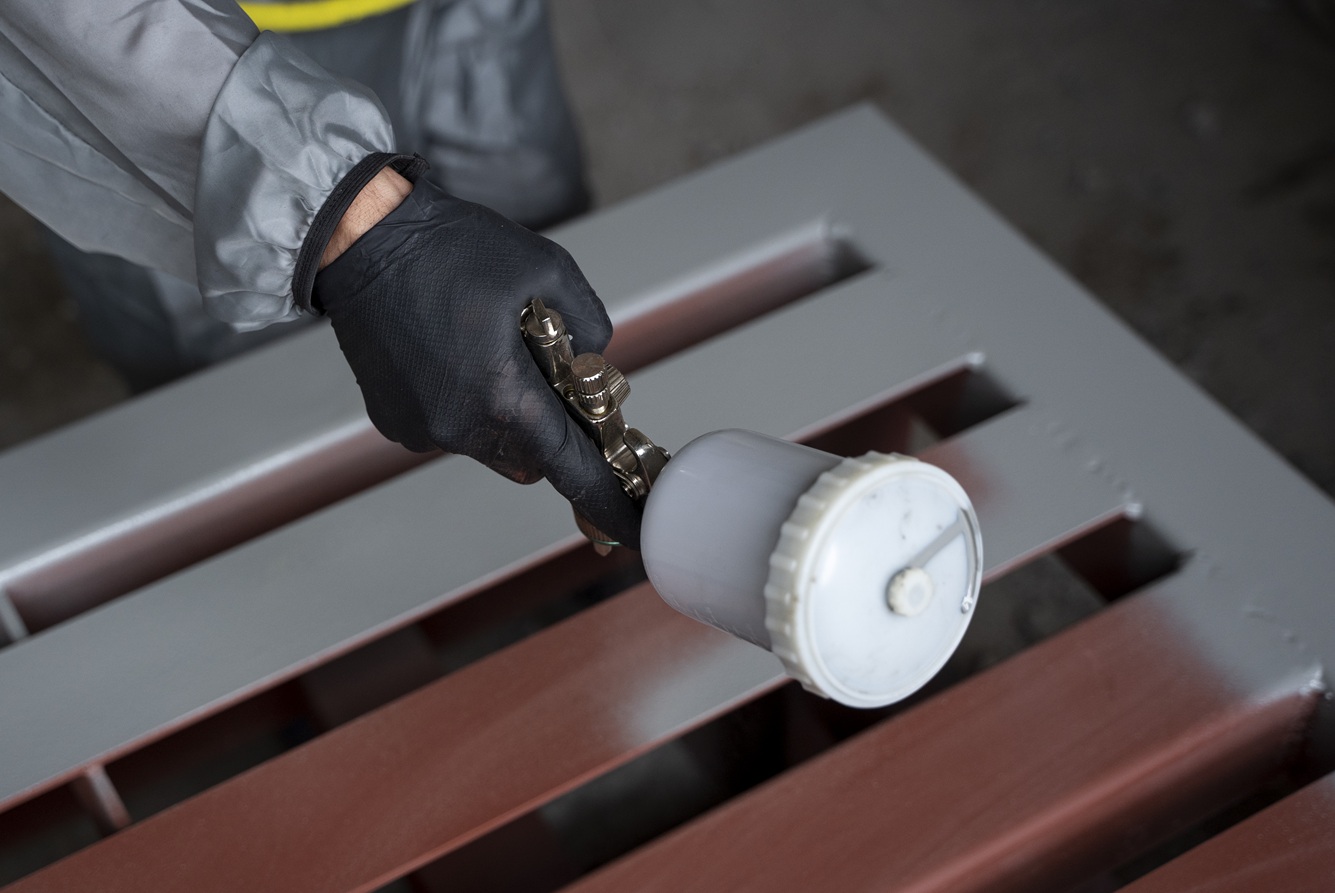
Metal components withstand extreme environmental conditions, including moisture, chemicals, UV radiation, abrasion, and other factors. They lead to corrosion and degradation. That’s why plate coating and steel plating are important for extending the life of a metal plate and improving its performance.
The blog has further details about metal sawing, drilling, metal plating and its benefits.
The key highlights of the blog are:
Corrosion and metal degradation are obvious results if you don’t invest in metal plate coating. Environmental factors such as chemicals, moisture, and UV radiation can take a toll on metals in extreme conditions and weather.
This blog discusses the various metal plate coating techniques, why they are essential, which industries use them, and the challenges they pose.
Read on!
Metal plate coating and plating are surface treatment processes designed to improve the performance and longevity of metal products.
Coating refers to applying a protective layer to the metal surface, such as paint systems, powder coatings, and thermal spray coatings.
Plating involves depositing a thin layer of another metal onto the base material through chemical or electrochemical processes. Some common examples include zinc, nickel, and chromium plating.
Both methods help protect a metal plate from corrosion, wear, oxidation, and chemical exposure while improving aesthetics and functionality.
Without protective treatments, metals deteriorate rapidly when exposed to harsh environments.
Check out some major benefits of metal plate coating:
For structural steel and industrial applications, steel coating is essential to meet performance requirements and extend asset lifespan.
Check out the common metal coating techniques used across industries:
Galvanization involves coating steel with zinc, typically through hot-dip galvanizing. When the environmental factors attack, it’s the zinc that withers, not the metal underneath.
It has multiple benefits, such as:
Galvanized steel is used in bridges, utility structures, fencing, and construction projects.
Powder coating applies a dry powder electrostatically, then cures under heat. The powder includes polymer resins, pigments, and additives that form a strong protective layer.
It has multiple benefits, such as:
Powder coating is preferred over traditional steel paint systems in many industrial applications.
Electroplating uses an electrical current to deposit a metal layer onto the surface. The coating metals include zinc, nickel, chromium, and copper.
Steel plating improves corrosion resistance, conductivity, appearance, and wear resistance.
Anodizing is primarily used on aluminum surfaces. It creates a controlled oxide layer that becomes part of the metal itself.
Its benefits are:
Although anodizing is not typically used on steel, it remains a major coating method across metal industries.
Thermal spraying applies molten or semi-molten materials to a metal surface. The materials include metals, ceramics, or polymers.
Its benefits are:
Thermal spray systems are used in energy, aerospace, and heavy industrial applications.
Organic coatings include paints, epoxies, polyurethanes, and specialized protective systems.
Some examples are:
These systems provide corrosion protection while offering aesthetic benefits and color customization.
Steel coating and plating are often considered the same, but here are some key differences between them:
The choice between steel coating and steel plating depends on application requirements, environmental exposure, and performance goals.
Coating and plating protect metals from corrosion and provide additional protection against environmental factors. The process is crucial and thus requires careful inspection to ensure the metal performs as desired.
The inspection methods used across industries are:
Inspection helps identify defects before they lead to premature failure. When you partner with an expert, learn about their inspection policies.
Selecting the best coating depends on several factors, such as:
Environmental Conditions: There are various things at play here. You must consider:
Material Type: Every metal is different, and thus, you must choose a coating method after consulting an expert.
Cost Considerations: The budget plays an important role in choosing the method. So, evaluate the following:
Performance Requirements: Determine whether corrosion resistance, wear resistance, appearance, or heat resistance is the primary objective.
Many industries depend heavily on coated metal products.
Construction Industry: Coatings are crucial to:
It is used for:
Oil and Gas Industry: Coatings are crucial to:
It is used for:
Transportation Industry: Coatings are used to:
It is used for:
Energy Sector: Coatings are used to:
It is used for:
Manufacturing and Industrial Equipment: Coatings are used to:
It is used for:
Coating and plating can fail to protect the metal if not performed properly.
The common reasons that impact coating and plating performance include:
Here are some solutions:
The emerging trends in coating and plating include:
These innovations are improving durability while reducing environmental impact.
Protective coatings and plating systems play a vital role in preserving metal performance, reducing maintenance costs, and extending service life. However, they only work when you choose the right expert to source the metal and metal coating.
In Albuquerque, New Mexico Metals LLC is the first choice for industries and businesses seeking metals and related services. Whether you need metal shearing, sawing, cutting, drilling, or any other services, we are here for you.
Contact us for details!
Que: What is the difference between steel coating and steel plating?
Ans: Steel coating applies a protective layer over the metal surface, while steel plating deposits another metal onto the surface through chemical or electrochemical processes.
Que: Which coating offers the best corrosion resistance?
Ans: Hot-dip galvanization is considered one of the most effective and economical corrosion-resistant coating methods for steel in outdoor environments.
Que: How is coating and plating inspection performed?
Ans: Inspection includes visual checks, thickness measurements, adhesion testing, corrosion testing, and surface profile analysis.
Que: What industries use metal plate coating the most?
Ans: Construction, oil and gas, transportation, energy, marine, and industrial equipment sectors are among the largest users of coated metal products.
Que: How long does a coated metal plate last?
Ans: Service life depends on the coating type and environment. Properly galvanized steel can often provide 50 years or more of protection in many outdoor conditions, while advanced coating systems may last even longer with proper maintenance.

To meet the needs of both wholesale and retail customers by providing an extensive selection of metals cut to size with exceptional service.
New Mexico Metals LLC
Address: 5821 Midway Park Blvd NE # F, Albuquerque, NM 87109, United States
Phone: (505) 717-1900
FAX: (505) 717-1769
Email: info@newmexico-metals.com
8:00 AM - 5:00 PM Monday - Friday
9:00 AM - 12:00 PM Saturdays
Copyright © 2026. All Rights Reserved.
Website Design & Digital Marketing By WSI