What Should You Look for in a Professional Sheet Metal Service Provider?

Where precision-engineered parts are concerned, the industries relying on them cannot afford to establish in-house departments for the same. The reason is simple- lack of expertise. Sheet metal processing is not as easy as it looks. It is a combination of the right metals & tools, knowledge, and experience.

Thus, you need an experienced sheet metal service provider, someone specializing in cutting, forming, or bending sheet metal.

However, the question is- how to find an eligible service provider? What should you look for in an expert who can guarantee the project’s success? If you are searching for the answer, you must know that there are several important aspects to evaluate before making a decision.

This blog has discussed them at length, so you can understand why it is essential to find the right partner and how to find one who understands industry standards.

Read on!

Why Choosing the Right Sheet Metal Service Matters?

Sheet metal components are widely used in various industries, including architecture, construction, automotive, aerospace, and manufacturing. These components must be accurately processed and precisely cut, bent, or punched to ensure quality. It can only be achieved by depending on the right tools and technology that an expert can offer.

When sheet metal bending or stamping isn’t done correctly, it can lead to dimensional errors, stress fractures, or assembly challenges. These issues can be costly and time-consuming. That’s why selecting the right partner for sheet metal forming is not just about getting the job done; it’s about doing it right every time.

Qualities to Look for in a Sheet Metal Service Provider

Here are some essential factors to consider when evaluating a potential sheet metal partner:

Technological Capabilities

Today, precision and consistency aren’t possible without using the right machines and tools. A provider with modern and well-maintained equipment can handle complex projects more efficiently and accurately.

Look for the following technical capabilities:

  • Sheet metal bending machines for accurate angle formation and consistency
  • Laser or CNC cutting tools for clean edges and intricate designs
  • Stamping presses for high-volume and uniform output
  • Hydraulic machines for large-volume operations

Choose a service provider who has the capabilities to fulfill your requirements and scale them if needed.

Range of Services Offered

A full-service provider can take your project from raw sheet to finished product without multiple hand-offs. When a company can handle everything from cutting sheet metal to sheet metal stamping under one roof, it simplifies communication and improves workflow efficiency.

Here are the services to look for:

  • Precision cutting
  • Metal shearing
  • Notching and punching
  • Sheet forming and bending
  • Surface preparation or finishing
  • Small or large batch capabilities
  • Consistent drilling and sawing

By choosing a provider who offers comprehensive services, you minimize coordination delays and quality inconsistencies.

Experience and Industry Knowledge

While tools and machines are a great aid, there is no substitute for technical knowledge and expertise. A service provider with a trained team and years of experience can work with different metals, understand industry requirements, and perform well under pressure.

Look for a partner who:

  • Recommend the best techniques for specific materials and project goals
  • Anticipate potential issues before they arise
  • Adjust processes for optimal performance
  • Has extensive knowledge about different metals and their grades

Hire a company with a proven track record.

Quality Control Practices

Every industry has specific regulations and industry standards to adhere to. Thus, quality checks are essential. Consistent quality isn’t optional.

Hire a company that will follow standardized inspection and verification procedures to ensure that every part meets your specifications

Learn about their quality control policies by asking the following questions:

  • Are measurements and tolerances verified at each stage?
  • How do you ensure defect prevention and correction?
  • Is the team trained to spot inconsistencies during production?
  • Is there an inspection stage where you inspect each item and remove the ones that do not meet the specifications?

Such checks ensure that each delivered component is perfect.

Turnaround Time and Project Scalability

You need a service provider who can meet deadlines without compromising quality. Whether a one-time small order or a recurring order for a large construction project, they must be flexible with order sizes and delivery.

Communicate the following to ensure you are both on the same page:

  • Expected lead times for common and custom parts
  • Whether they can scale up production on short notice
  • How do they handle urgent or priority orders

Conclusion

This blog has outlined the key considerations for selecting a sheet metal service provider. With this knowledge, partnering with New Mexico Metals LLC is the smart choice. We are experienced and are known as the best sheet metal service provider in Albuquerque. We offer comprehensive services, including drilling, bending, sawing, shearing, punching, notching, etc. Apart from our skills and knowledge, we also have the support of state-of-the-art machinery that we utilize.

Also, we cater to both retail and wholesale needs.

Give us a call today for more information!

Why Should You Source Industrial Metals for Large Projects?

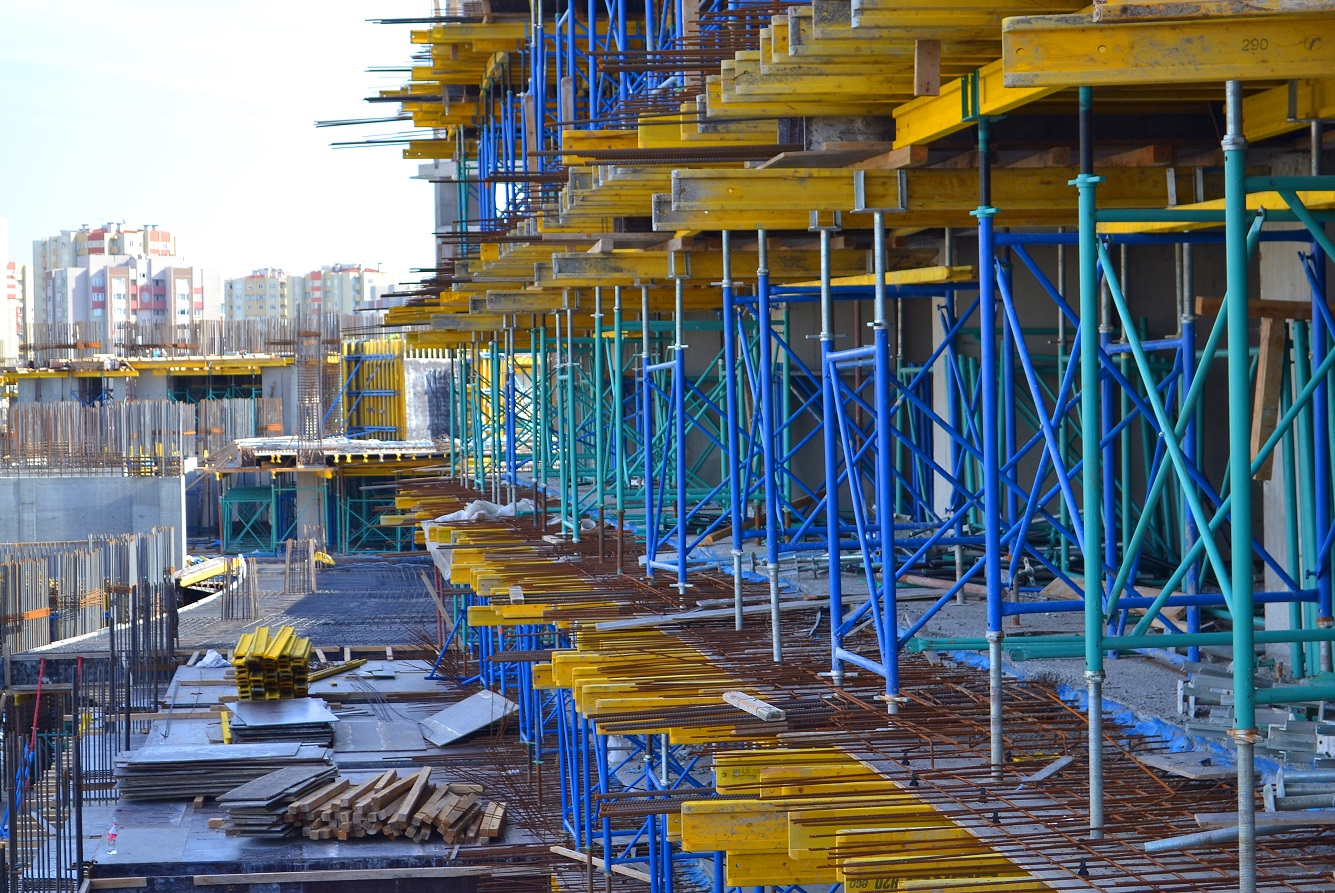
Large-scale construction and infrastructure projects depend on strength, precision, and durability. All these projects require a crucial resource: industrial metals. The right materials can significantly impact performance and project timelines, from framing general steel buildings to crafting components using metal stamping.

Proper selection is crucial to meet the demand for structural integrity and long-lasting performance. Regardless of the metal you need, choosing the right metals locally offers numerous benefits for builders, contractors, and engineers.

Read the blog to learn why industrial metals are the backbone of large-scale projects and why smart sourcing is key to success.

What are Industrial Metals?

Industrial metals are commonly used in construction, engineering, and other heavy-duty applications. These include steel, aluminum, copper, stainless steel, and alloys designed for strength and resistance. Unlike precious metals, these materials are valued for their functionality, load-bearing capacity, and corrosion resistance.

What Are the Uses of Industrial Metals?

Industrial metals are versatile, and their uses extend to many industries. Here are some key applications:

Framing and Support: Steel beams and columns are vital to keeping the structure strong in large steel buildings.

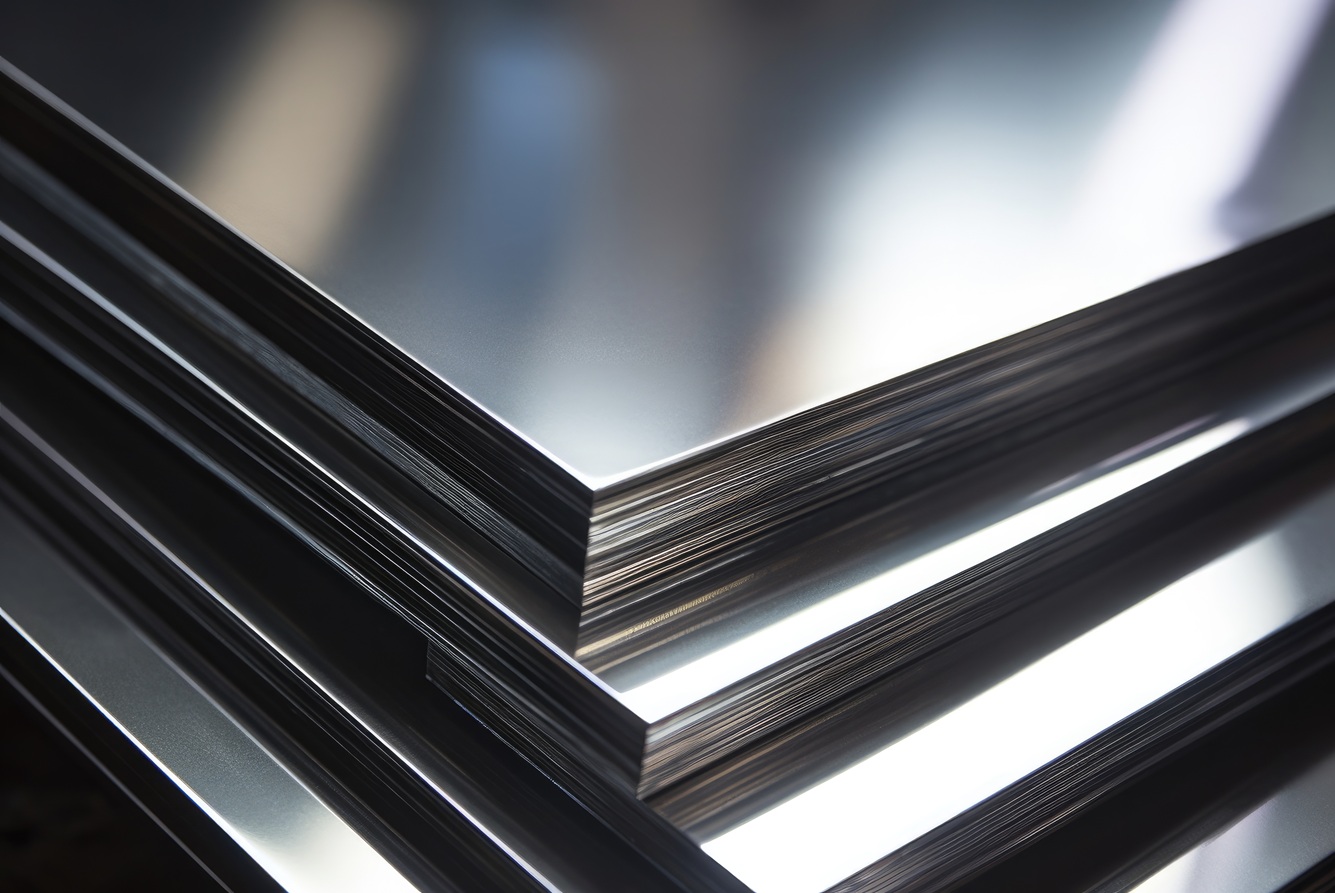
Metal Sheets for Construction: Stainless steel sheets and other metal panels cover buildings’ roofs, walls, and outer surfaces.

Shaped Parts for Machines: Techniques such as metal stamping, notching, and punching allow metal parts to be precisely formed to fit machines, panels, or various equipment types.

HVAC and Plumbing: Pipes, vents, and connectors in HVAC and plumbing are made of tough industrial metals to handle weather, moisture, and heat.

Energy and Power Systems: Whether it’s a power plant or a wind turbine, strong metals like steel and aluminum help everything run smoothly and last longer.

No matter your industrial project size and scope, reliance on industrial metals is unavoidable.

What Makes Industrial Metals Different?

Industrial metals are very different from consumer-grade metals. Their manufacturing aims at achieving unmatched strength, durability, and versatility. Considering the long lifespan of industrial projects, these metals are expected to meet high tolerances and withstand environmental pressure.

The key factors that distinguish industrial metals from consumer-grade metals are:

Load-Bearing Strength: Ideal for large projects where safety and structural integrity are top priorities.

Resistance to Environmental Conditions: Materials like stainless steel sheets resist rust, moisture, and extreme temperatures.

Customization Capability: Industrial metals can be cut, formed, bent, and shaped through metal stamping, sawing, or notching, enabling complete adaptability.

Consistent Quality: High standards are maintained across bulk orders to ensure that every piece performs as intended.

Which Industries Require Industrial Metals?

There is a long list of industries that rely on high-strength metals. Some of these are mentioned here:

Construction and Infrastructure: Construction and infrastructure projects rely heavily on structural steel and sheet metal for strength and durability.

Automotive and Transportation: Cars, trucks, airplanes, etc., all use different types of industrial metals to manufacture precise components.

Oil, Gas, and Energy: High-pressure environments require pipes, tanks, and enclosures made from corrosion-resistant stainless steel sheets and alloy steels.

Agriculture and Equipment: Multiple equipment and storage systems used in agriculture are made of industrial metals.

Telecommunications and Utilities: Transmission towers, electrical boxes, and support frames use durable metals for long-term performance in outdoor environments.

If you are working on a large-scale project in Albuquerque, source quality industrial metals at the best metal supplier in Albuquerque – New Mexico Metals LLC.

Why Are Industrial Metals In High Demand in Albuquerque and Beyond?

Albuquerque is growing. The economy is transforming, considering the recent announcements that put Albuquerque in the spotlight. It is attracting defense and manufacturing industry players; thus, the demand for industrial metals is higher than ever.

Whether you are part of any of the industries or not, you must learn why it is vital to source metals locally due to the following reasons:

Speed and Accessibility: It shortens the delivery time and reduces shipping costs. Thus, projects stay on schedule, and any material shortage can be quickly fulfilled.

Regional Expertise: At New Mexico Metal LLC, we know the regional construction codes and, thus, assist our clients in choosing the right steel supply options.

Support for Local Economy: As a responsibility towards the community, businesses should help local companies to grow by sourcing resources locally. It creates jobs in the Albuquerque community and helps drive economic growth.

Quality and Variety: At New Mexico Metals LLC, we stock a huge inventory of various metals and multiple grades. Also, we have over 19000 line items to choose from.

If your search for a reliable metal supplier in Albuquerque is ongoing, it can stop here at New Mexico Metals LLC.

Here, you always get what you need: steel supply options or advanced alloys for your project.

Why New Mexico Metals LLC Is The Best Option For Sourcing Metals Locally?

We offer everything from metal stamping and steel sheet sourcing to full support for general steel buildings. Our offerings include a wide range of metals and line items. We also offer metal-related services, such as metal sawing, shearing, drilling, punching, notching, etc.

When you partner with New Mexico Metals LLC, you get a full suite of metals and metal-related services under one roof.

For more information, contact us or visit us anytime.

Steel Quality Control: What are the Types of Quality Inspections?

Quality steel is not a magical invention. Instead, it is the result of rigorous quality steel control and testing, which ensures that the steel produced after the long process is of top quality. Right from the moment iron is extracted to the moment it is sent to the manufacturing concerns, quality testing must start.

If you are wondering why steel quality testing is so crucial, you must understand that several industries require steel that meets stringent standards and specifications. Thus, it becomes a crucial part of the steel manufacturing process. In this blog, you will learn about multiple quality inspection types.

Raw Material Inspection

Steel is an alloy made of iron ore, scrap metal, and other alloys. So, this is where steel quality testing starts while choosing the raw material. It must be ensured that the raw materials meet the required standards.

Visual Inspection

Visual inspection refers to the detailed examination of stainless-steel products. It requires the staff to inspect each product and look for any surface imperfections, irregularities, and defects. This inspection ensures the steel’s appearance aligns with quality standards and customer expectations.

Dimensional Inspections

Industries require steel items of a specific size, length, width, and thickness. It is the responsibility of the manufacturer to employ dimensional inspection wherein steel products are inspected for thickness, width, tend other critical measurements. This process ensures compliance with precise dimensional requirements specified for various applications and minimizes the wastage of time and resources. The aim is to detect any irregularities in time, which is crucial to avoid further deviation from the standard.

Chemical Composition Analysis

Carbon steel and stainless steel are both steel, so what is the difference?

It is the composition.

Carbon steel has a high carbon content, up to 2.1% of its mass, while stainless steel has only 0.5-0.10% of its mass. In addition, it also has chromium, nickel, tungsten, cobalt, and other corrosion-resistant materials.

It can be understood now that chemical composition is very crucial in manufacturing steel. Even the slightest deviation can change the steel type. Thus, chemical composition inspection is another crucial part of quality control in the steel industry.

This inspection ensures that the metal’s elemental composition meets the specified standards, verifying the presence and percentage of alloying elements.

Mechanical Property Testing

Stainless steel is known for its durability, strength, malleability, etc. So, when the manufacturing process is completed, the steel is tested for its mechanical properties to assess its strength, hardness, toughness, and other mechanical characteristics. Tensile, compression, and impact tests are conducted to validate the material’s mechanical properties.

Non-Destructive Testing

NDT involves certain testing techniques which test a material without altering the material permanently. The techniques include infrared testing, leak testing, ultrasonic testing, magnetic particle inspection, etc. These tests detect internal flaws or inconsistencies in steel without causing damage and ensure structural integrity and reliability.

Heat Treatment Verification

Heat treatment verification is when the metal undergoes heat treatment to enhance its properties. The steel attains the desired metallurgical properties when it undergoes multiple heating and cooling processes.

Coating and Plating Inspection

Coating and plating lend steel its appearance. Be it carbon steel or stainless steel, coating, and plating ensure that the metal looks aesthetically appealing and protects it from wear and tear, rust, and other environmental impacts.

Final Words

When procuring steel for your home or industrial use, you must invest time searching for the best stainless-steel supplier in Albuquerque. While quality testing is a manufacturer’s job, it is the supplier’s job to procure the best steel and make it available to you.

At New Mexico Metals LLC, we understand the importance of quality testing and inspection and thus get you the best quality steel items. In addition, we also offer quality metal services to offer you the best.

Give us a call or visit anytime!


Frequently Asked Questions

Que: How do quality testing and inspections contribute to the reliability of steel products?

Ans: By identifying and rectifying defects, procuring quality raw materials, ensuring compliance standards, and verifying production at each stage, these inspections contribute to producing high-quality metal products used across industries.

Que: Who conducts quality inspections in steel manufacturing?

Ans: Quality inspectors, technicians, and other quality control professionals perform these inspection tasks. Manufacturers often employ testing laboratories to conduct such inspections using professional tools and equipment.

Que: What is ultrasonic testing?

Ans: Ultrasonic testing is a type of non-destructive testing which uses high-frequency sound waves to detect flaws. The waves travel through the material, and as they encounter a discontinuity or change in structure, they reflect back. It is a valuable technique to gain information about the condition of the steel.

Sheet Metal Processing: Tips for a Flawless End Product

Sheet metal processing is the process of rendering sheet metal useful for multiple purposes by drilling, sawing, and shearing. Sheet metal is used in several industries, including aerospace and household appliance manufacturing. The secret behind high-quality products is attention to detail at every stage.

In this blog, you will learn the tips for sheet metal processing, including material selection, design considerations, cutting techniques, bending and forming, surface finishing, quality control, efficient production practices, automation, and safety measures.

Choosing The Right Sheet Material

Every product or purpose requires a specific sheet material type. Sheet metal can be made of iron, steel, carbon steel, aluminum, etc.  You must invest considerable time choosing the right sheet material for a successful project. The points to consider are material strength, corrosion resistance, and how well it fulfills the requirement. Every sheet metal material offers distinct advantages, which must be considered while making the decision.

Design Considerations

Sheet metals are designed for industry-specific requirements; for example, the automotive industry requires stainless steel, while the aerospace industry requires aluminum sheets. Thus, sheet metals are designed after taking key considerations into account, which are discussed here:

Material thickness: One must choose the right thickness for the required strength and durability.

Scalability: When designing components, scalability is a key consideration. Scalability refers to the capability of changing in size or scale. Design products that can be easily scaled up for mass production.

Budget: Budget is a deciding factor when considering the key factors as it impacts the choice of metal and the design you need.

Precise Cutting Techniques

Multiple cutting techniques are employed for sheet metal processing. As precision is paramount, laser cutting, waterjet cutting, and plasma cutting are popular since they offer high accuracy, reduced waste, and clear edges. Advanced computer-controlled machinery ensures precise cuts, minimizing material loss and rework.

Bending and Forming

Sheet metal bending is a crucial process in sheet metal processing. Using CNC press brakes and forming equipment for creating complex shapes and angles with high precision is a great idea. Pay attention to bend radius, relief cuts, and tool selection to achieve the desired results.

Surface Finishing and Coating

The shiny surface of the metal is obtained through rigorous finishing processes and coating, which lends aesthetic beauty to sheet metal components. Some popular finishing and coating techniques include powder coating, anodizing, and plating, which protect metal against corrosion and provide a polished appearance. These techniques are chosen after carefully considering the components’ further use or processing.

Quality Control in Sheet Metal Processing

Rigorous quality control is vital in sheet metal processing, like every other metal fabrication process. It is crucial to ensure that the end product meets the specifications and desired standards.  Conducting inspections and tests at different phases of the project, such as scrutinizing materials, verifying dimensions, and evaluating the quality of welds, is essential for ensuring the integrity of the process. In addition, continuous monitoring and preparing quality assurance reports help rectify issues early in production.

Efficient Production Practices

Efficiency is expected from every metal-related process. It is achieved through streamlining processes, well-trained staff, and advanced tools. Lean manufacturing principles can help reduce waste, improve production flow, and enhance efficiency.

Automation

With advanced tools and technologies in the metal processing world, increased automation plays a significant role in sheet metal processing as it offers consistency, speed, and precision. Automated material handling, robotic welding, and CNC machinery are integral in modern production facilities.

Safety Measures

Sheet metal processing is not for amateurs, as it is a hazardous process.  It involves sharp edges, heavy machinery, substantial metals, and potential exposure to chemicals.Prioritizing safety procedures at every stage is imperative to ensure employee safety. Appropriate training, required safety gear, and safety protocols must be provided to employees. Regular equipment maintenance and risk assessments also contribute to a safe working environment.

Sheet Metal Processing at New Mexico Metals LLC

Experience, skillset, and proper training are crucial for a flawless end product, and New Mexico Metals LLC possesses all of these. From sheet metal bending to metal punching, drilling, sawing, and shearing, we offer every service with assured quality. In addition, we have invested in the most advanced tools and machines over the years, which make us stand apart from our peers.

For more details, give us a call or book an appointment.

An Engineers’ Guide to Sheet Metal Bending and Laser Cutting

Sheet metal bending is an underrated process useful in engineering and manufacturing. Especially when mass production is concerned, sheet metal bending is crucial. The sheet metal is a thin metal form bent for use in various applications. Besides metal bending, laser cutting is another crucial process used to shape metal.

In this blog, we will discuss these two techniques and cover everything engineers need to know to master them.

Understanding Sheet Metal

Sheet metal is thin, flat sheets of metal. Metal sheets can comprise various metals, including aluminum, copper, and iron, and are not limited to steel. Sheet metal is available in different thicknesses and has distinct uses. Understanding sheet metal is the first step before you attempt sheet metal folding or laser cutting.

Materials: The choice of material depends on factors like strength, corrosion resistance, and cost. Usage is one of the crucial deciding factors. For example, if you are looking for strength, then carbon steel is better. If you are looking for softer metal, then aluminum is better.

Thickness: Sheet metal thickness is measured in gauge or millimeters. Thicker sheets are more robust but may require more force to bend or cut.

Sheet Metal Bending

Sheet metal bending is a versatile process that allows engineers to fold sheet metal into desired shapes and then send it for further processing. Here is what you should know about sheet metal folding:

Bending methods: There are multiple sheet metal bending methods, such as press brake bending, bottom bending, and air bending.

Each method has advantages and must be chosen based on the desired outcome.

Bend Allowance: Calculating the bend allowance is essential for precise bending. It accounts for the material’s thickness, bend angle, and bend radius to determine the flat pattern length.

Tools: Proper tools are crucial to achieve the desired bends and angles. Engineers must invest in proper punches and dies to offer quality sheet metal folding.

Laser Cutting

Laser cutting is another method for shaping sheet metal, where a high-powered laser is used to cut through the material. The considerations of laser cutting are:

Types of Lasers: Three main types of lasers are used in laser cutting- fiber lasers, Co2 lasers, and vanadate crystal lasers. One must be chosen based on the material type and thickness.

Edge Quality: The quality of the cut edge can be affected by factors like laser power, cutting speed, and assist gases.

Sheet Metal Design Considerations

Certain design considerations must be kept in mind during sheet metal folding. These considerations are discussed here:

Bend Radius: An appropriate bend radius must be maintained to ensure the sheet metal doesn’t crack or deform.

Wall Thickness: A uniform wall thickness must be maintained throughout the metal body to avoid any inaccuracy during bending.

Holes and Cutouts: Map holes and cutouts strategically on the sheet metal to avoid burring and compromising structural integrity.

Grain Direction: Also bear the sheet metal’s grain direction in mind, as cutting against the grain can lead to weakness in the metal.

Metal Sheet Bending Tools and Machines

Every engineer knows the importance of investing in the right metal sheet bending tools and machines, which are crucial for efficient sheet metal processing.

Press Brake

A press brake is a primary sheet metal folding machine with a sturdy frame, a punch, and a die. The metal sheet is put on the die, held with a back gauge, and then the punch is lowered on the metal against the die with considerable force and bends the metal at the desired angle. Hydraulic sheet bending machines are very popular in the market.

Laser Cutting Machine

Select a laser-cutting machine that suits your material type and thickness requirements. Also, consider your market before investing in one.

Safety Precautions During Sheet Metal Bending

When undertaking sheet metal bending or laser cutting, safety precautions must be borne in mind to avoid accidents. Here are some essential safety measures to follow during sheet metal bending:

Personal Protective Equipment: Always wear PPE, gloves, safety glasses, appropriate clothing, etc.

Machine Guards: Guards are designed to prevent contact with moving parts and reduce the risk of accidents. They must be in place before commencing metal bending.

Workspace Organization: Keep your work area clean and clutter-free to avoid any accidents. Also, it will aid in moving swiftly around the equipment.

Bending Aids: Use bending aids and tools, such as bending pliers or bars, to assist in holding and guiding the sheet metal during bending.

Future Trends in Sheet Metal Processing

The sheet metal processing industry is changing thanks to rapid technological advancements. Some sheet metal bending trends that you must be aware of are shared here:

Automation

Increased automation, be it the use of CNC machines or robotics in sheet metal processing, you will see more of these in the times ahead.

Digitalization

Integration of digital design and manufacturing tools for seamless processes.

Sustainability and Eco-Friendly Practices

With increasing emphasis on climate change, the future belongs to sustainable sheet metal processing techniques.

Sheet Metal Bending at New Mexico Metals LLC

The sheet metal bending process requires mastering the technique by understanding materials, processes, and design principles. At New Mexico Metals LLC, we offer unmatchable sheet metal bending services.

We have two sheet metal bending machines- Chicago Mechanical Brake and Baileigh Magnetic Brake, which offer numerous shapes. If you are looking for a specific bend, we can discuss it and help you.

Visit us today to learn more about us!


Frequently Asked Questions

Que: Is laser cutting good?

Ans: laser cutting is a versatile technique that can be used on a number of materials, including distinct metals such as steel, aluminum, copper, etc.

Que: How can I reduce metal waste during sheet metal processing?

Ans: You can reduce waste by optimizing your designs, nesting components, and recycling scrap material. Use the latest design techniques to help you out.

Que: What is the minimum bend radii for sheet metal?

Ans: There is no specified radii angle. The bend radii depend on the material and its thickness. You must determine it after getting an understanding of the metal.

Can You Weld Pot Metal? What You Need to Know!

metal supplier albuquerque

It is a commonly asked question whether one can weld pot metal. Yes, it can be welded, but it significantly depends on your alloy. It is not a straightforward method that applies uniformly. Pot metal has unique composition and properties, which makes the process challenging. Thus, when you need pot metal, choosing a metal supplier in Albuquerque known for quality metal offerings is crucial.

However, in this blog, you will learn about the limitations of welding pot metal, important considerations, and suitable alternatives.

What is Pot Metal?

Pot metal has derived its name from the traditional process, which resulted in the new alloy. In the early automobile industry, scrap metal pieces were gathered and melted into a pot for alternative uses. That’s how it got its name.

Pot metal is an alloy primarily made of zinc, aluminum, copper, tin, lead, iron, magnesium, and cadmium. The similarity between all these metals is that they have a low melting point, making pot metal a quick and efficient source to create inexpensive casts and other fixtures. However, the metal is brittle and susceptible to breakage under excessive stress.

There is no specific formula to make pot metal. However, the quantity of iron should be monitored, as iron is a high-melting-point metal which increases the melting point for all other metals as well. So, be careful while mixing up the metals, or take the help of a metal supplier in Albuquerque to sort it out for you.

Can You Weld Pot Metal?

Yes, even though it is challenging, you can weld pot metal. TIG Welding is the most preferred method of pot welding. Be it a DIY project or you need to weld it for industrial purposes, assistance from an expert will come in handy.

Welding Pot Metal

The process of welding pot metal is as follows:

Identification

Pot metal is an alloy that lacks a specific percentage composition of metals. Therefore, it becomes crucial to identify the alloy and the composition of its various metals in order to determine the appropriate technique for its use. Various types of pot metal are suitable for multiple purposes. So, define what strength, malleability, and ductility you require for the end use. Testing on a small sample is advised to determine the exact composition.

Pre-Weld Preparation

It is crucial to prepare the work surface for successful pot welding. Clean the surface thoroughly and remove any contaminants, dirt, grease, or any other debris which can affect the welding process or the quality of the end product.

Ensure Safety

Before commencing the welding, cover yourself in protective welding gear, glasses, and gloves. Welding is dangerous if you are not careful or if it is your first project. For beginners, choosing a professional welder to assist you is advised.

Preheating

Pot metal is prone to thermal stress during welding, which can lead to cracking. Preheating the material helps minimize these stresses. Gradually heat the metal using a propane torch or an oven to a temperature between 400-600°F (204-316°C) before starting the welding process.

Welding Techniques

Applying the correct technique is important after identifying the pot metal composition. As pot metal is brittle, traditional gas welding and arc welding are unsuitable. They generate high heat, making the pot metal prone to thermal stress and eventually cracking.

The popular methods of pot metal welding are:

TIG Welding: Tungsten Inert Gas welding is a popular method as it allows precise control over the heat input, allowing to weld the metal without causing any damage. However, it requires experience to weld the metal perfectly without cracking it.

Low-Temperature Brazing: Brazing utilizes a filler metal with a lower melting point than the base metal, allowing for a stronger bond. However, ensuring that the filler metal is compatible with the pot metal alloy is essential.

Post Weld Treatment

Once the metal has been welded, allow it to cool down. When it has cooled down completely, examine it for any cracks and assess whether it requires additional repair.

Alternative Repair Methods

Alternative repair methods often come in handy with pot metal welding due to the challenging welding. Here are some of the alternative methods which are used:

Cold Metal Stitching

Cold metal stitching refers to stitching up the cracks. Holes are created on either side of the cracks, and metal staples are used to join the broken pieces together. It does not require letting the metal undergo additional heating and strengthens the metal.

Adhesive Bonding

High-strength adhesives are effective for pot metal repair. A suitable adhesive must be chosen to repair the specific alloy types.

Final Words

The pot metal’s inherent brittleness and unique composition pose multiple challenges during welding. TIG Welding can be used to weld pot metal after identifying the pot metal composition. Allow an expert to assist you in welding to offer the best results.

New Mexico Metals LLC, a quality metal supplier in Albuquerque, is happy to help you choose the right metals for your project.

Visit us today for an expert opinion!

Metal Building Supply: Tips for Choosing the Right Materials

metal supplier in Albuquerque

A building is not just a structure of concrete but a structure of safety, hope, and security. So, whether you are working on a housing or gigantic industrial project, metal is vital in strengthening a structure.

But not every metal is the same. So, building construction requires careful consideration to choose the right metal and, on top of that, sourcing it from a quality metal supplier in Albuquerque.

Which Metals Are Suitable for Building Construction?

Every metal has different characteristics and is available in various grades, which determines its strength and uses. Here are some metals which are commonly used for building construction.

Steel

For your information, steel and stainless steel are different. Their composition makes all the difference and makes them suitable for various purposes, such as steel is a widely used metal in the industry. Its corrosion-resistance feature makes it ideal for multiple industries. It is used in making skyscrapers, commercial buildings, supporting structures, security fencing, deck plates, etc. Almost every building uses steel in one form or another.

Aluminum

The abundance of aluminum in the earth’s core and its light weight makes it an indispensable metal. It is a durable metal and can resist corrosion even better than steel. Windows, ceilings, window panes, massive structures, etc., entirely use aluminum. Along with building construction, aluminum is used in aircraft and space shuttles.

Iron

Even kids know that iron is an indispensable metal for building construction. But once again, cast iron and wrought iron are different. The huge bridges you see, harbors, railings, beams, ridges, girders, etc., are all iron.

It is said that iron is one of the strongest metals, which is true. Its only weakness is rust. However, coating iron with other metals can help the matter.

Copper

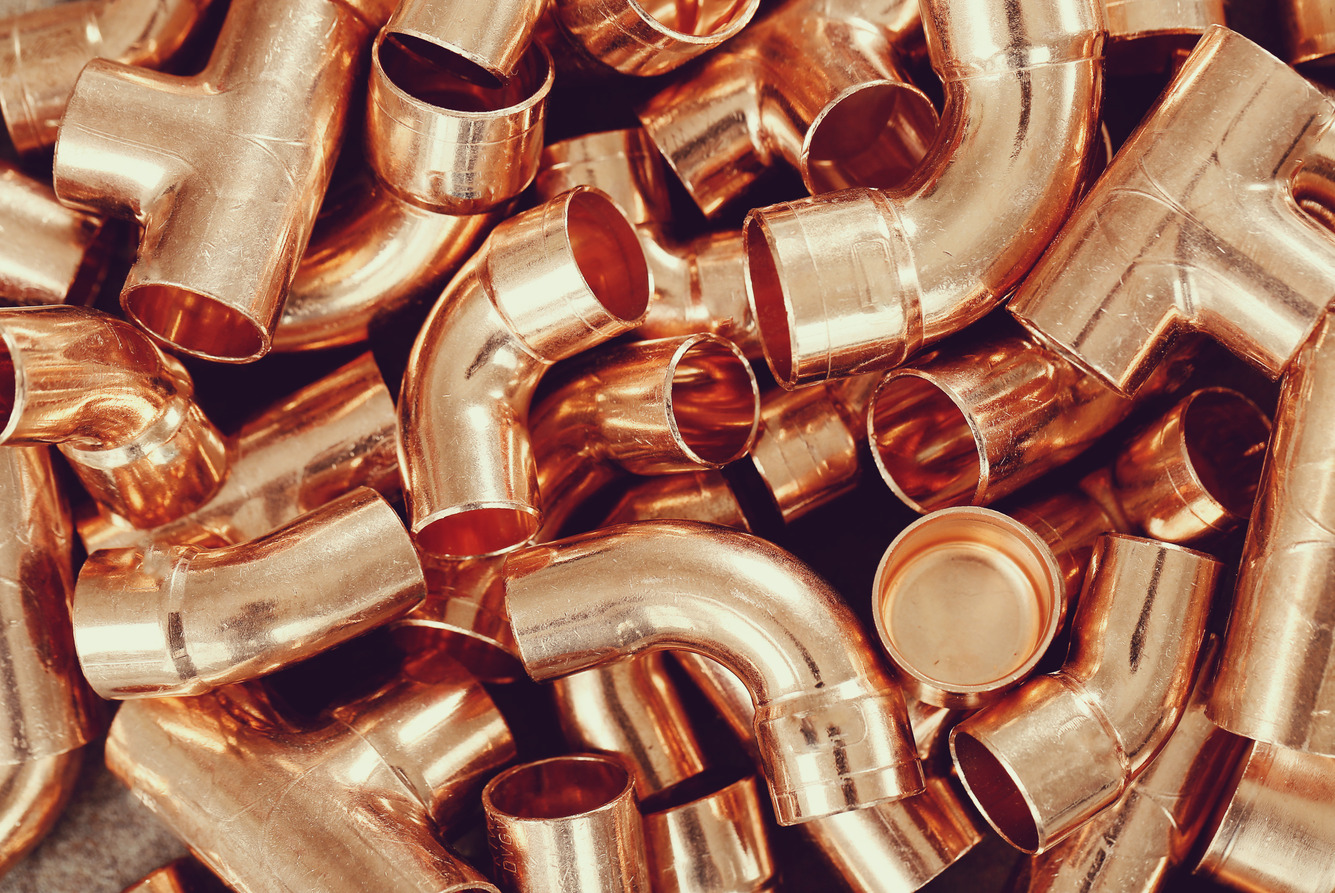
The red hue of the metal is lovely, and it is impossible to use it in building construction when aesthetic appearance is more important. You can recall the Berlin Cathedral of Germany, known for its green-hued roof, or the Rotunda at the University of Virginia in the USA. Copper is a non-magnetic, highly-malleable, corrosion-free metal used for ceilings, beams, aesthetic roofs, tubing, piping, etc. It is also used widely for water distribution in large structures.

Titanium

Titanium is not a commonly used metal for building construction, but its examples can be seen worldwide. For example, Japan is a futuristic country that uses titanium in construction widely. The most prominent example is Art Tower Mito. The Guggenheim Museum in Spain is also a good example.

Titanium’s corrosion resistance, tensile strength, lightweight, and durability work in its favor.

Tips to Choose the Right Metal for Construction

Before settling on a metal for your project, consider the environmental impacts and application requirements so the structure can last longer. These tips for choosing the right material will aid you in your quest.

Weldability

Weldability refers to the property of metal being fused to other parts or metals to create a structure. Weldability determines how long it will take to erect the design and how it can work around other materials.

Malleability

Malleability is the property of a metal to be pressured into thin sheets or cut into the desired shapes. For example, iron is more malleable than steel. Therefore, if you need to create a complex shape using metals, it is advisable to opt for the more pliable metal among the two choices.

Machinability

Machinability is the degree of ease at which a metal can be cut through a machine. Brittle metals have lower machinability. For example, stainless steel is better than iron regarding machinability.

Tensile Strength

Tensile strength is the degree of pressure a metal can handle without breaking down. For example, iron is stronger than aluminum but is a brittle metal. So, when pressure is applied to aluminum and iron, iron might withstand more weight and stress, but since aluminum is more malleable, it might bend. So, consider the use first, and then choose the right metal.

Albuquerque Metal Supply

It takes years to master the science of metals, to learn what makes a metal best suited for a specific project, and to understand the multitude of metal grades available. At New Mexico Metals LLC, we pride ourselves on investing many years in learning about metals and offering quality metals for both retail and industry use. We offer a wide range of metals, such as copper, aluminum, iron, stainless steel, brass, etc., and metal products to earn the title of the top-quality metal supplier in Albuquerque.

Contact us today for any of your metal needs!

The Five Advantages of Using Bronze in Metal Fabrication

Albuquerque Metal Supply


Bronze is widely used in industrial settings, parts, and decorative structures.

We offer several grades of Bronze and related metal products at New Mexico Metals LLC. So, you can trust us for your bronze needs in Albuquerque.

Bronze: The Metal

Before you dive into metal fabrication, it is advised to learn about metal. Bronze is an alloy that contains copper as its primary ingredient and 12% tin. Other metals are mixed to create different grades, such as manganese, zinc, nickel, aluminum, etc. In addition, it is red, which is quite attractive.

Bronze has been used for various purposes over centuries. The reason is that it is easy to fabricate and lasts long. There was an entire bronze age whose unique artifacts and sculptures are still available. But the metal lost prominence in the Iron age.

But its usefulness and its distinct properties made it a favorite for industrial uses. Since its fabrication is being discussed, let’s learn about the five advantages of using Bronze in metal fabrication.

Advantages of using Bronze in Metal Fabrication

The reddish hue and the fantastic look are not the only properties of Bronze. Here are some more of them.

Ease Of Shaping

Bronze is a non-corrosive metal. In industrial settings, metals are exposed to water, dust, grime, chemicals, and other elements. Iron is not a suitable metal for all processes. In such cases, Bronze is an excellent choice to fill the gap. The metal can be shaped easily, and since it does not rust, it lasts longer.

Aesthetic Appeal

Bronze has been used to make sculptures, statues, coins, and many other things for centuries. The reason is that Bronze has an aesthetic appeal. It has a reddish hue to it which looks beautiful. Bronze is a ductile metal stretched to a fine point, and details can be carved before it breaks. It allows molding it into the desired structures.

Long Lasting

When you are working on a project, you want it to last for a long time. But unfortunately, iron has a limited life due to its corrosive nature. But Bronze statues and sculptures are found intact even after thousands of years. That’s why it is used for construction projects, as they will stand for thousands of years if needed.

Spark Free

Several products, such as hammers, axes, and mallets, are widely used in industrial settings. But when they come close to other flammable materials, they cause sparks. It is unsafe, and thus Bronze has emerged as a substitute. It is non-magnetic, and its non-sparking properties ensure safety.

Excellent Finish

Bronze is a little brittle, but it can be softened with the right mixture of alloys. The nickel brass bronze has a slightly high amount of nickel, giving it a silvery finish. It provides the metal with a fantastic sheen and is suitable for applications where aesthetic is the primary focus.

Bronze is a cost-effective choice. In addition, it offers high dimensional precision. Its even finish glides smoothly against other metals; thus, it is a preferred choice for ball bearings and other automotive spare parts. Its use has also increased in plumbing applications due to its non-corrosive properties. It can even with stand salt water.

Quality Bronze Metal Supply in Albuquerque

Bronze is available in different grades, but each has a specific application. For example, the metal suitable for industrial bearing might need to be revised for musical instruments. Therefore, choosing a suitable metal is crucial for successful project completion.

At New Mexico Metals LLC, we are backed by extensive experience. Working with different metals for years, we have mastered the skills to understand your needs and help you with the correct metal grade. We house different grades of Bronze, including C932, C673, C863, C544, C510, etc.

Let us help you source the best for all your metal needs.