How Long Do Drill Bits Last When Drilling Hardened Steel?

Summary

Drilling hardened steel requires specialized tools, because using the wrong drill bit will not only render the metal useless but also damage the bit. Why is it important? Because drill bits are an investment, you must not let them go to waste.

When it comes to hardened steel, high-quality bits are designed to withstand extreme pressure and friction, but their lifespan depends heavily on drilling conditions and the equipment used.

Why you need the right setup and why extending drill life is necessary are discussed in detail in the blog.

The key highlights of the blog are:

  • Drill bit lifespan depends on material hardness, drilling speed, and heat control
  • High-quality drill bits for hardened steel and drill bits for stainless steel improve durability
  • Proper equipment, such as a metal drill press, helps maintain consistent drilling performance
  • Cooling, lubrication, and correct pressure extend drill bit life
  • Professional steel drilling services can ensure precise drilling without damaging tools


Drilling hardened steel is a demanding job. While the hardness and durability of steel are crucial for many projects, they pose challenges during drilling. Using a standard drill bit only adds to those challenges.

For this reason, choosing the right drill bits for hardened steel and using proper equipment, such as a metal drill press, is essential for successful metal drilling.

This blog discusses tips for extending the lifespan of drill bits for hardened steel, common mistakes to avoid, and why you should choose an expert for drilling hardened steel.

Read on!

What Determines the Lifespan of Drill Bits in Hardened Steel?

Many factors impact the life of drill bits, which are discussed below:

Material and Coating of Drill Bits

The material and coating used on the drill bits play a major role. High-speed steel (HSS), cobalt, and carbide drill bits are commonly used for drilling hardened metals.

Cobalt drill bits are particularly popular because they retain hardness at high temperatures, making them ideal for drilling hardened steel. Advanced coatings such as titanium nitride or black oxide further improve wear resistance.

Type of Metal Being Drilled

Steel has many types. There is carbon steel, stainless steel, high-strength structural steel, etc., and these are not the same. They have different hardness levels and structural properties. Harder steel types generate more friction, which shortens drill bit life.

For example, drill bits for stainless steel are designed to handle corrosion-resistant alloys that behave differently during drilling compared to hardened carbon steel.

Drilling Speed, Pressure, and Heat Control

Drilling is not just about speed; it’s about balancing speed, pressure, and heat control. High speeds generate heat that weakens the cutting edges, while excessive pressure can cause premature dulling.

Applying coolant is advised to protect both the metal and the drill bits.

Average Lifespan of Drill Bits for Hardened Steel

The lifespan of drill bits for hardened steel depends on drilling conditions, material hardness, and equipment used. Under optimal conditions, a high-quality cobalt drill bit may last through dozens of holes in hardened steel before requiring sharpening.

However, if drilling is performed without proper lubrication or speed control, drill bits dull after only a few holes.

The best way to extend the lifespan of drill bits is to understand the metal they’re cutting and use an appropriate drill bit.

Professional steel-drilling services use advanced machinery and techniques to ensure drill bits remain effective for longer.

Best Drill Bits for Hardened Steel and Stainless Steel

Recommended Drill Bits for Hardened Steel

Several drill bit types are commonly used for hardened steel applications:

Cobalt drill bits: Known for excellent heat resistance and durability

Carbide drill bits: Extremely hard and suitable for heavy-duty drilling

Titanium-coated drill bits: Provide added protection against wear

These tools are specifically designed to handle the stress of drilling hardened materials.

Best Drill Bits for Stainless Steel Applications

Specialized drill bits for stainless steel are designed to cut smoothly while minimizing heat buildup. Using the right drill bit type improves drilling accuracy and reduces the risk of tool failure.

How Does the Right Equipment Extend Drill Bit Life?

The equipment used greatly influences drill bit longevity. A metal drill press provides stable alignment, consistent speed control, and even pressure distribution.

Many professionals prefer using the best drill press for metal because it allows precise adjustments to speed and feed rate. This level of control prevents overheating and helps maintain sharp cutting edges.

Best Practices to Make Drill Bits Last Longer

Here are a few tips to extend the lifespan of the drill bits:

  • Use cutting fluids or lubricants to reduce friction
  • Maintain correct drilling speeds for the metal being drilled
  • Apply steady, moderate pressure rather than forcing the drill
  • Allow the drill bit to cool periodically during long drilling operations
  • Keep drill bits properly sharpened and aligned

These techniques improve efficiency and prevent unnecessary tool wear.

Common Mistakes That Reduce Drill Bit Lifespan

Avoid the following drilling mistakes to achieve the best results:

  • Don’t drill at excessively high speeds.
  • Use coolant when drilling very hard steel.
  • Use a center punch to mark the metal before drilling.
  • Don’t apply too much force when drilling, or the drill bit might break.

When to Replace Drill Bits Instead of Resharpening?

Drill bits can be sharpened, but there comes a time when replacing them is the wiser choice. Severely worn drills cannot maintain proper cutting geometry and impact accuracy.

If the drill bit has visible cracks, chipped edges, or excessive wear, replacing it is typically more effective than resharpening it.

Expert Steel Drilling Services and Drill Bit Maintenance in Albuquerque

Drilling hardened steel causes drill bits to wear excessively. If you attempt metal drilling, you need to maintain your drill bits and take appropriate measures to extend their lifespan. Drill bits can be expensive, and if you are working on a project that requires precision and accuracy, it’s wise to consult a professional. They have the expertise and tools, and it is a more cost-effective choice.

Consult New Mexico Metals LLC for steel drilling services in Albuquerque. We offer all metalworking services and supply only top-quality metals.

Contact us today!

Frequently Asked Questions

Que: How long do drill bits last when drilling hardened steel?

Ans: They can last through a dozen holes when used properly.

Que: Are drill bits for stainless steel suitable for hardened steel?

Ans: Some stainless steel bits can be used on hardened steel, but specialized cobalt or carbide bits are more effective.

Que: What is the best drill press for metal drilling?

Ans: The best drill press allows precise speed control, stable alignment, and adjustable pressure settings.

Que: Can overheating ruin drill bits during metal drilling?

Ans: Yes, excessive heat can soften the drill bit material and quickly dull the cutting edges.

Que: Is resharpening drill bits effective for hardened steel?

Ans: Yes, resharpening restores cutting performance if the drill bit is not excessively worn.

Steel Bender Guide: Best Methods for Clean, Accurate Bends

Summary

Steel bending is one of the most common metalworking processes, bending flat or tubular metals into functional structures. When the right equipment is used and the right techniques are applied, the results are excellent. That’s the reason why it is commonly used across several large-scale industries to produce thousands of identical products and components. As for the question of how accurately steel bends are achieved, this blog will answer it.

The key highlights of the blog are:

  • Steel bending requires specialized tools, such as sheet metal benders and roller benders.
  • Proper tooling and die selection help produce accurate, deformation-free bends
  • Techniques such as air bending and bottom bending improve precision
  • Different metals require different bending approaches, especially aluminum vs. steel
  • Professional metal cutting and bending services ensure consistent results for complex projects

Steel bending is not as straightforward a process as it seems. Steel is considered a malleable metal, but bending it requires a deep understanding of the metal, its various grades, and the right tools to achieve the desired results.

Steel bending turns flat and tubular metal into functional components that are sold as finished products or used for further processing or assembly. In short, it is crucial and requires accuracy and precision.

This blog discusses the complete steel bending guide to help you achieve clean, accurate bends.

Understanding Steel as a Bendable Metal

Key Properties of Steel That Affect Bending

Steel is known for its strength, durability, and versatility. However, these properties also affect its behavior during bending.

Some of the important properties of steel include:

  • Ductility, which determines how easily the metal can bend without cracking
  • Yield strength, which defines the force required to shape the metal permanently
  • Thickness, which affects the amount of pressure needed for bending

These properties must be considered when using a sheet metal bender or other bending equipment.

Common Challenges When Bending Steel

Steel is bendable, but there are some common challenges:

  • Material cracking at sharp angles
  • Surface deformation
  • Springback, where metal slightly returns to its original shape

Using the right techniques and tools helps reduce these issues and maintain clean bends.

Types of Steel Benders and Bending Equipment

Sheet Metal Bender: Ideal for Straight, Angular Bends

A sheet metal bender is used to create straight bends and precise angles. It can produce consistent results with minimal distortion.

Metal Roller Bender: Perfect for Curved and Circular Forms

The tool features a rotating roller. The metal passes through the rollers to create curved shapes, cylinders, and arcs.

Press Brakes and CNC Bending Machines

Press brakes and CNC bending machines provide advanced control for complex bending operations. These systems precisely control bending angles and pressure, which helps produce consistent results in large production runs.

Best Methods for Clean and Accurate Steel Bends

Here are some of the common methods used for steel bending and the tools that are used:

Air Bending vs. Bottom Bending vs. Coining

The three common methods are:

Air bending: This method uses a punch and die, with the punch pushing the metal into the desired bend, leaving a gap between the die and the metal. It allows for creating multiple angles for the bends with a single tool.

Bottom bending: It is the same as air bending, but it uses more force and pushes the metal completely into the die, improving precision and reducing springback.

Coining: This method requires extreme force to punch the metal into the die, ensuring no springback and accurate bends.

Each method offers advantages depending on the project’s precision requirements.

Proper Tooling and Die Selection

Selecting the correct tooling is often undermined, but it is the only way to achieve the perfect bend. Using the wrong punch or die can cause surface damage, inaccurate angles, or structural weaknesses.

Tools such as a stainless steel tube bender or a sheet metal bender are used by experts to shape metal without compromising quality.

Techniques to Reduce Cracking and Deformation

The following techniques reduce cracking and deformation:

  • Determine the correct bend radius
  • Apply consistent pressure
  • Use appropriate lubrication
  • Ensure proper alignment before bending

Experts rely on these techniques to render excellent bends.

Aluminum Bending vs. Steel Bending: Key Differences

Aluminum and steel are two different metals. While steel is stronger, aluminum is more machinable because it is softer. Both metals behave differently during bending. You cannot use steel benders for aluminum bending, as aluminum might crack if bent too sharply.

Using tools such as an aluminum bender helps achieve smooth bends while preventing structural damage. On the other hand, steel requires greater force and stronger equipment due to its higher strength.

When to Use Professional Metal Cutting and Bending Services?

Industrial and large-scale projects require expertise and specialized equipment to achieve precise results.

Thus, choose professional metal bending and cutting services for:

  • Complex bending designs
  • High-volume production
  • Thick or high-strength metal materials
  • Projects requiring precise tolerances

Modern professionals work with advanced machinery, such as laser-cutting and bending tools, to produce highly accurate components. It’s wiser to hire professionals for large-scale production needs.

Applications of Steel Bending Across Industries

Steel bending is used across the following industries:

  • Construction and infrastructure projects
  • Transportation and automotive systems
  • Industrial machinery and equipment
  • Energy and power generation
  • Architectural frameworks and support structures

The versatility of the process makes it useful across a range of applications.

Tips for Choosing the Right Steel Bender for Your Project

Consider the following when choosing the right steel bender for your project:

  • Material thickness and strength
  • Type of bend required
  • Production volume
  • Precision requirements

A sheet metal bender is the right choice for sheet metal, but a metal roller bender is more useful for creating curved or cylindrical shapes.

Partnering with New Mexico Metals for Professional Metalworking

Steel bending is a critical process, and thus, only experts should be entrusted with metal components, especially when you don’t have the right tools and equipment.

If you need steel bending in Albuquerque, choose New Mexico Metals LLC. We offer metalworking services and supply top-quality metals. We embrace technology and have state-of-the-art machines to cater to both retail and wholesale needs.

Contact us today for more details!

Frequently Asked Questions

Que: What is the best steel bender for clean, accurate bends?

Ans: A sheet metal bender or a CNC press brake is often the best option for achieving precise, consistent bends in steel.

Que: Can the same tools be used for bending aluminum and steel?

Ans: Some tools can handle both materials, but specialized equipment, such as an aluminum bender, is better suited for softer metals.

Que: Why does aluminum crack during bending?

Ans: Aluminum can crack if bent too sharply or without proper tooling. Using the correct bend radius and tools helps prevent this issue.

Que: Is a metal roller bender suitable for thick steel sheets?

Ans: Yes, a metal roller bender can handle thicker materials depending on the machine’s capacity and configuration.

Que: When should I use professional metal cutting and bending services?

Ans: Professional metal cutting and bending services are recommended for complex designs, large production runs, or projects requiring high precision.

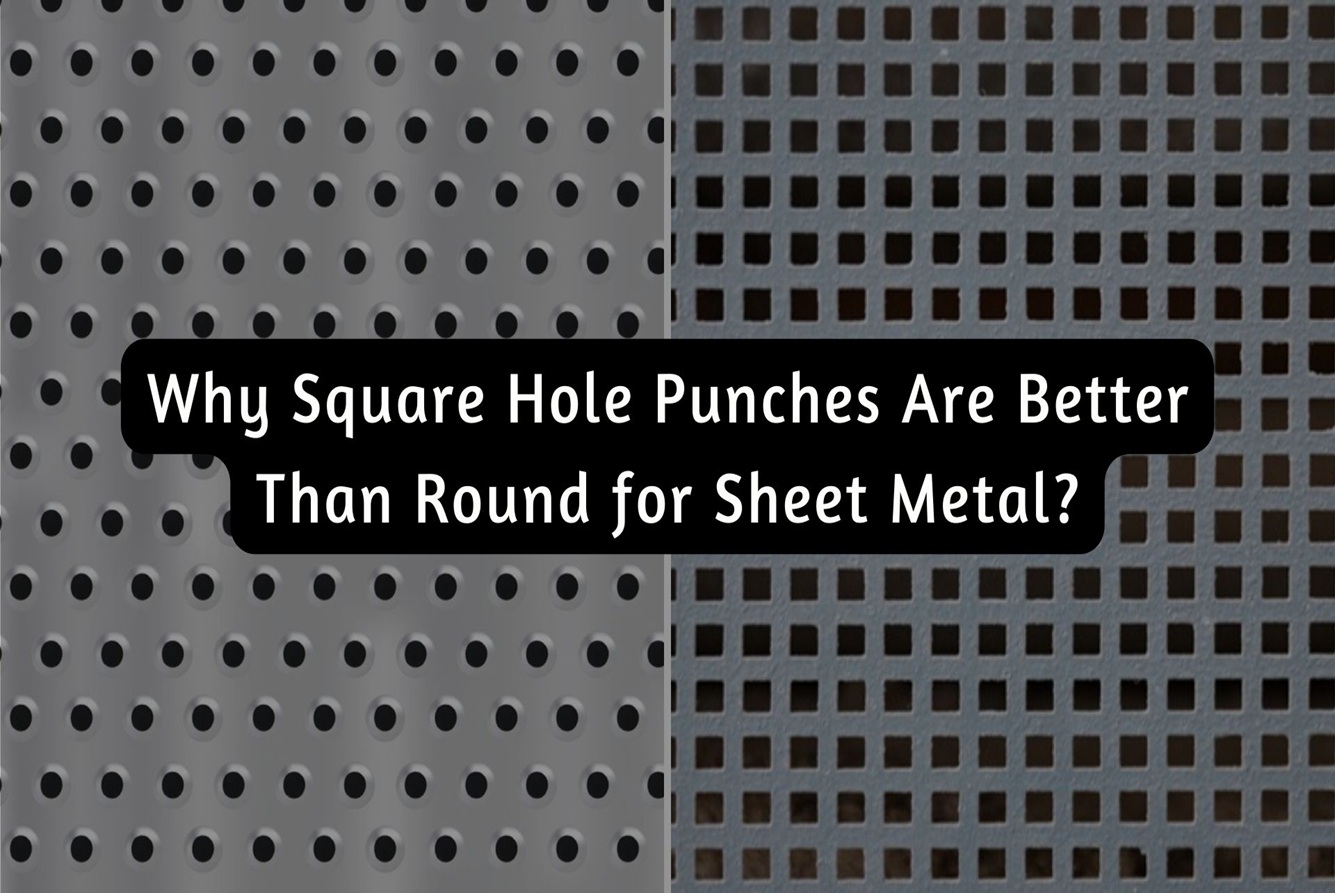
Why Square Hole Punches Are Better Than Round for Sheet Metal?

Summary

When you think of metal punching, the first thing that comes to mind is a round punch. Why not a square one? Square hole punching is also very popular and has specific structural advantages. A square-hole punch for metal produces clean edges and accurate shapes that support stronger mechanical connections in sheet-metal components.

Check out how it offers better alignments and improved load distribution.

The key highlights of the blog are:

  • Square punches create precise shapes that improve alignment and component fitting
  • Tools like a square sheet metal punch provide stronger structural engagement for bolts and fasteners
  • Options such as a 1-inch square hole punch or a large square hole punch support various sheet metal applications
  • Square holes often improve installation accuracy and reduce assembly errors
  • Selecting the right square punch cutter ensures consistent performance across different metal types

Creating accurate holes in sheet metals is a crucial part of many industrial and construction processes. However, more often than not, a round hole punch is the first thought that comes to mind when you think of metal punching.

A square hole punch also has its specific uses and is known to improve structural engagements and offer better alignment.

If you are considering metal punching for your next project, read this blog to explore square-hole punching for metal and how contractors can achieve highly precise shapes that support reliable installations.

What Is a Square Hole Punch?

A square hole punch is designed to create square-shaped holes in sheet metal. While round hole punches are standard, square pouches create corners that allow better contact between fasteners and metal components.

A square hole punch uses a punch-and-die mechanism to create clean, accurate shapes in a single operation. These tools are commonly used in electrical panels, industrial enclosures, mounting brackets, and structural systems.

Square vs. Round Hole Punches: Key Differences at a Glance

“Round or square punch- what does it matter?” 

One might think so, but the truth is that it makes a big difference. Both are used in sheet metal processing, but their functions differ.

Round punches are typically easier to manufacture and work well for general-purpose holes. However, square punches provide better mechanical engagement with square bolts, specialty fasteners, and structural components.

A square punch creates a more stable connection by preventing fasteners from rotating, which is especially beneficial in applications requiring secure fittings.

Why Square Hole Punches Perform Better in Sheet Metal Applications?

Here is why square hole punches are superior to round hole punches in several cases:

Superior Load-Bearing and Structural Strength

Square holes distribute load across flat edges rather than a curved surface. It allows bolts or connectors to fit more securely, reducing the likelihood of movement during operation.

Using a square hole punch for metal ensures stronger engagement between components, making it ideal for structural assemblies.

Improved Fit for Fasteners and Components

Square fasteners, carriage bolts, and specialty connectors fit more securely in square holes. A square punch cutter produces openings that match the geometry of these components, preventing unwanted rotation.

The improved fit helps maintain stability in structures exposed to vibration or heavy loads.

Enhanced Alignment and Installation Accuracy

Thanks to a square punch, installers can align components more precisely. The defined corners of square holes act as reference points, ensuring accurate positioning during assembly.

Better alignment reduces installation errors and improves overall efficiency.

Efficiency and Cost Benefits of Using Square Hole Punches

Although square punching tools may initially appear more specialized, they improve overall project efficiency.

Using a square punch for metal eliminates the need for additional modifications or secondary shaping that might be required when using round holes. It reduces labor time and helps ensure consistent results.

In addition, square punches can minimize assembly errors, thereby lowering rework costs and improving productivity.

Common Industries That Prefer Square Hole Punches

Here are the various industries that rely on square hole punches for precision and reliability:

  • Electrical and electronics industries frequently use square holes for panel components and connectors.
  • Construction projects use square holes for carriage bolts and support systems.
  • Industrial equipment manufacturers rely on square-hole punches for sheet-metal tools to create mounting points and mechanical assemblies.
  • Larger openings use square-hole punches for heavy-duty installations.

When A Round Hole Punch May Still Be Suitable?

Despite the distinct advantages of a square hole punch, the round hole punches remain useful and serve important roles. Round holes are preferred for applications involving pipes, tubing, fasteners, and others.

Round punches are also simpler to produce and may be more suitable for very thin sheet metal, where corner stress could be a concern.

How to Choose the Right Square Hole Punch for Sheet Metal?

It’s an important question because there are several factors to consider when choosing a square hole punch for metal:

  • Metal thickness and strength
  • Required hole size
  • Type of fastener or component used
  • Production volume and efficiency requirements

For example, a 1-inch-square hole punch is often used for structural fasteners, while a larger square hole punch may be required for heavy-duty equipment or industrial panels.

Square Hole Punching Best Practices

Here are some tips to produce the best possible results with a square hole punch:

  • Ensure that the punch and die are properly aligned before operation.
  • Maintain sharp cutting edges to prevent metal deformation.
  • Use appropriate pressure settings for the material thickness.
  • Regular maintenance of the square punch cutter also helps ensure clean edges and consistent hole quality.

Conclusion

This blog discussed the various advantages and applications of a square hole punching machine. If you have never used it before for a project, it’s wise to choose an expert to do it for you, be it a personal or an industrial project.

Choose New Mexico Metals LLC as your metal punching partner for quality results. We have the expertise and tools to deliver the results you need. Whether you have a retail or wholesale need, we can fulfill it. Our trained staff ensures that our techniques help you achieve success on your project.

Contact us today to learn more about our services.

Frequently Asked Questions

Que: Why are square hole punches better than round ones for sheet metal?

Ans: Square punches and round holes in metals both have their distinct purposes; however, square holes allow for better alignment, even load distribution, and prevent fasteners from rotating.

Que: What materials can a square hole punch for metal be used on?

Ans: Square punches are commonly used on steel, aluminum, stainless steel, and other sheet metals.

Que: Are square sheet metal punches more expensive than round punches?

Ans: Square punches can be slightly more specialized, but they often reduce overall project costs by improving installation efficiency.

Que: Can square hole punches be used on thick sheet metal?

Ans: Yes, heavy-duty tools such as a large square-hole punch can handle thicker sheet metal.

Que: Do square holes weaken sheet metal compared to round holes?

Ans: When properly designed and positioned, square holes maintain structural integrity and can even improve component stability in certain applications.

What Grades of Stainless Steel Pipe Are Available?

Summary

Stainless steel is a part of everyone’s everyday lives. However, no one stops to think and ask what types of stainless steel pipes or grades are available until it’s for a specific purpose. Stainless steel is known for its durability, strength, and corrosion resistance. Stainless steel pipes are versatile, used in construction, plumbing, and many other applications.

Different types of stainless steel pipes are used for specific purposes, and this blog discusses them in detail.

The key highlights of the blog are:

  • Grade 304 and 304L stainless steel pipes are widely used for general industrial applications
  • Grade 316 and 316L offer enhanced corrosion resistance for harsh environments
  • Grade 321 stainless steel pipes perform well in high-temperature conditions
  • Duplex stainless steel pipes provide excellent strength and corrosion resistance
  • Choosing the right stainless steel tube fittings, stainless steel compression fittings, and steel pipes and fittings ensures system efficiency and safety.

Stainless steel is often called the most commonly used metal across industries, but its various grades and types remain unknown to many. If you are also someone who doesn’t know the various types of stainless steel pipes available in the market, their grades, and what they are used for, this blog is for you.

It discusses the various grades of stainless steel, what are their specific uses, and why choosing the right grade matters for the success of your project.

Stainless Steel Pipe vs Stainless Steel Tubing

Most people consider pipes and tubing the same thing, which is wrong. The terms are often used interchangeably, but they differ in important ways.

Stainless steel pipe is typically measured by nominal pipe size and is used primarily for transporting fluids and gases in industrial systems.

Stainless tubing, on the other hand, is measured by its exact outside diameter and wall thickness. Tubing is often used in structural applications or precision systems where tighter tolerances are required.

Products such as stainless steel square tubing are commonly used in construction frameworks, railings, and architectural structures.

How Stainless Steel Pipe Grades Are Classified?

Stainless steel pipe grades are classified based on their chemical composition and mechanical properties.

Stainless steel is an alloy of iron, chromium, nickel, carbon, and other elements. These elements determine the key properties of the stainless steel, such as corrosion resistance, strength, and temperature tolerance.

When paired with components such as stainless steel pipe fittings and compression fittings, the correct pipe grade ensures efficient system performance.

Read more: How to Bend Stainless Steel Tubing Without Damaging the Finish?

Most Common Grades of Stainless Steel Pipe Available

Here are some of the most commonly used stainless steel pipe grades:

Grade 304 Stainless Steel Pipe

Grade 304 is the most widely used stainless steel pipe grade. It offers excellent corrosion resistance, durability, and ease of maintenance. This grade is commonly used in food processing, water systems, and general industrial piping.

Grade 304L Stainless Steel Pipe

Grade 304L contains lower carbon content than standard 304 stainless steel. This allows it to perform better in welding applications and reduces the risk of corrosion around welded joints.

Grade 316 Stainless Steel Pipe

Grade 316 stainless steel contains molybdenum, which improves corrosion resistance in harsh environments. It is commonly used in marine applications, chemical plants, and coastal structures.

Grade 316L Stainless Steel Pipe

Grade 316L is the low-carbon version of 316 stainless steel. It offers similar corrosion resistance while improving weldability and reducing the likelihood of structural weakening during welding.

Grade 321 Stainless Steel Pipe

Grade 321 stainless steel is stabilized with titanium, making it highly resistant to high-temperature oxidation. It is commonly used in heat exchangers and high-temperature industrial systems.

Duplex Stainless Steel Pipe Grades

Duplex stainless steel combines both austenitic and ferritic structures, providing superior strength and corrosion resistance compared to standard stainless steel grades.

Duplex pipes are often used in offshore oil platforms, chemical processing plants, and high-pressure piping systems. When used with high-quality stainless steel tube fittings, duplex stainless steel provides long-term reliability in demanding environments.

Less Common Stainless Steel Pipe Grades

The stainless steel pipe grades discussed above aren’t the only ones; certain specialized alloys aren’t available in the market and are sourced for specific purposes. These specialized alloy grades include 904L, 310S, 321, 321H, etc.

Specialized grades are typically selected for industries requiring advanced corrosion resistance or high-pressure performance.

Read more: 5 Reasons Local Stainless Steel Suppliers Are Game-Changers

Choosing the Right Stainless Steel Pipe Grade

Selecting the right grade depends on multiple factors, such as:

  • Operating temperature and pressure
  • Exposure to corrosive chemicals or environments
  • Structural strength requirements
  • Mechanical properties
  • Cost
  • Regulatory compliance
  • Compatibility with stainless steel pipe fittings and stainless steel compression fittings

Consulting experienced stainless steel suppliers is crucial for making the right choice.

Conclusion

Stainless steel pipes play a crucial role across industries, so choosing the right grade is more critical than it seems. Whether you are sourcing stainless steel pipes for fluid transport or plumbing, you must consider all the relevant factors before making the choice.

Consult stainless steel tubing suppliers, explore the various fittings and grade types, and choose a grade that best suits your needs.

If you need stainless steel pipes in Albuquerque, contact New Mexico Metals LLC, the renowned suppliers in the area.

We supply top-quality stainless steel pipes and tubings and can source specialized alloys if needed. For both retail and wholesale needs, you can reach out to us.

Contact us today!

Frequently Asked Questions

Que: What is the most commonly used stainless steel pipe grade?

Ans: Grade 304 stainless steel pipe is the most commonly used because it provides a strong balance of corrosion resistance, durability, and affordability.

Que: What is the difference between 304 and 316 stainless steel pipe?

Ans: The main difference is that 316 stainless steel contains molybdenum, which improves corrosion resistance, especially in marine or chemical environments.

Que: Can stainless steel pipe and stainless tubing be used interchangeably?

Ans: These are two different stainless steel products and should only be used for their defined purposes.

Que: Are stainless steel pipe fittings grade-specific?

Ans: Yes. Stainless steel pipe fittings should match the grade of the pipe to ensure compatibility and proper performance.

Que: How do I choose the right stainless steel tubing supplier?

Ans: You need suppliers who stock a huge variety of grades and metals, who are licensed, certified, knowledgeable, and offer metal-related services.

What Grades Do Aluminum Tube Suppliers Commonly Offer?

Summary

Selecting the right aluminum grade is essential when sourcing tubing for industrial, architectural, or structural applications. Reliable aluminum tube suppliers offer a range of alloy grades designed to meet specific strength, corrosion resistance, and durability requirements. Understanding these grades helps businesses choose materials that perform well in different environments and applications, as discussed in this blog.

The key highlights of the blog are:

  • 6061 aluminum is the most widely used and versatile alloy for structural and industrial use
  • 6063 aluminum is preferred for architectural projects and decorative structures
  • 3003 and 5052 aluminum offer strong corrosion resistance for outdoor and marine use
  • 7075 aluminum provides high strength for specialized applications
  • Verifying grades through trusted aluminum suppliers ensures quality and performance consistency

Understanding the differences among aluminum grades enables buyers to select materials that balance durability, appearance, and cost-effectiveness.

Aluminum suppliers in Albuquerque are the backbone of many industries, as they not only provide essential raw materials but also ensure the right grades are available at the right time.

Not every aluminum grade is the same; they differ in many ways and serve distinct purposes. If you understand these differences, you can choose the right grade for your needs, whether for a DIY project or an industrial application. In industrial use, the choice of metal can affect the outcome of a project.

Thus, you need to choose a reliable aluminum supplier that offers a range of grades. Some of these grades are discussed in the blog below, which will help inform the decision.

Read on!

Why Aluminum Grades Matter When Sourcing Tubes?

Aluminum tubes are used for their strength, appearance, corrosion resistance, and durability. These tubes are used across large-scale projects spanning multiple industries, such as construction, industrial manufacturing, infrastructure, aerospace, automotive manufacturing, and more. These projects rely on high-quality raw materials and their proper selection. Thus, choosing the right grade isn’t just a matter of sourcing; it also makes a direct contribution to the longevity of the project.

That’s why industries need reliable, knowledgeable aluminum tube suppliers who offer multiple aluminum grades at competitive prices.

Read more: Why Are More Businesses Investing in Aluminum Raw Material?

Common Aluminum Alloy Grades Offered by Aluminum Tube Suppliers

Explore the different grades that aluminum suppliers commonly offer:

6061 Aluminum Tubes: The Industry Standard

6061 aluminum is one of the most popular grades offered by aluminum tube suppliers. It provides an excellent balance of strength, weldability, and corrosion resistance.

This alloy is widely used in structural applications, transportation components, and industrial equipment. Many aluminum suppliers recommend 6061 aluminum because it performs reliably across a wide range of environments.

6063 Aluminum Tubes: Best for Architectural Applications

6063 aluminum is often chosen for architectural projects due to its smooth finish and excellent extrusion properties. It is commonly used in decorative and structural elements, such as window frames and railings.

Many aluminum railing contractors rely on 6063 aluminum tubing for projects that require both durability and visual appeal.

3003 Aluminum Tubes: Lightweight and Corrosion Resistant

3003 aluminum offers excellent corrosion resistance and flexibility. While it is not as strong as structural grades such as 6061, it is well-suited for applications that prioritize lightweight performance.

This grade is frequently used in storage tanks, piping systems, and equipment exposed to moisture or mild chemical environments.

5052 Aluminum Tubes: Marine and Outdoor Grade

5052 aluminum is known for superior corrosion resistance, especially in marine environments. It is commonly used for outdoor structures, transportation components, and marine applications.

7075 Aluminum Tubes: High-Strength Specialty Grade

7075 aluminum is recognized for its exceptional strength and durability. It is frequently used in aerospace, defense, and high-performance industrial applications.

Although more expensive, this alloy offers excellent strength-to-weight performance, making it valuable for specialized engineering projects.

Read more: What Are the Key Applications of Aluminum in Different Industries?

Aluminum Tubes vs Aluminum Sheets – What’s the Difference?

Aluminum tubes and sheets are often made of the same grades, but it’s the use cases where their purposes differ. Tubes are cylindrical and are mainly used for structural or fluid transport applications. On the other hand, sheets are often larger and used for panels, enclosures, and surface coverings.

If you are looking for the same grade tubes and sheets, they are easily available. Simply search “reliable aluminum sheet suppliers near me” to source the grade your project requires.

How Aluminum Tube Grades Impact Fencing and Railing Systems?

Aluminum is an aesthetic metal; therefore, its tubes are used in fencing and railings. These are durable and low-maintenance, which makes them a preferred choice among contractors. Many aluminum fence manufacturers use grades such as 6063 and 5052 because they provide corrosion resistance and a smooth finish suitable for outdoor installations.

Working with experienced aluminum railing suppliers ensures that selected tube grades meet structural and aesthetic requirements.

Choosing the Right Grade from Aluminum Tube Suppliers

Selecting the right aluminum grade depends on several factors, such as:

  • Strength and load requirements
  • Environmental exposure and corrosion risks
  • Appearance and finishing needs
  • Budget and project scale

Consult a knowledgeable aluminum supplier, such as New Mexico Metals LLC, to choose the grade that meets both performance and cost expectations.

Read more: Aluminium Raw Material Cost Factors Every Buyer Should Know

Industries Served by Aluminum Tube Suppliers

Aluminum tubing supports numerous industries, including:

  • Construction and infrastructure
  • Transportation and automotive
  • Marine and outdoor structures
  • Aerospace and defense
  • HVAC and mechanical systems

Aluminum suppliers are considered essential partners in the successful completion of projects across many industries.

How to Verify Aluminum Grades Before Purchasing?

Businesses can verify aluminum grades by:

  • Requesting material certification and documentation
  • Confirming alloy specifications and mechanical properties
  • Working with trusted aluminium plate suppliers and reputable suppliers
  • Conducting independent material testing if required

This step is crucial to ensure long-term performance and quality.

Conclusion

Aluminum is a crucial metal, but without the knowledge of different grades, it’s hard to make the right choice. You need an expert aluminum supplier on board to guide you in choosing the right metal grade for your project. Be it a DIY project or an industrial one, never compromise on quality.

Choose New Mexico Metals LLC for a huge inventory of aluminum grades and products. We serve many industries in Albuquerque and nearby areas and offer multiple aluminum tube grades.

Contact us today to learn more!

Frequently Asked Questions

Que: What is the most commonly used aluminum tube grade?

Ans: 6061 aluminum is the most commonly used grade due to its strength, corrosion resistance, and versatility.

Que: Which aluminum grade is best for railings?

Ans: 6063 aluminum is widely preferred for railings due to its smooth finish and excellent architectural performance.

Que: Do aluminum fence manufacturers use different grades?

Ans: Yes. Aluminum fence manufacturers often use 6063 or 5052 aluminum depending on strength, corrosion resistance, and environmental exposure requirements.

Que: Can aluminum sheets and tubes be purchased together?

Ans: Many aluminum suppliers and aluminum sheet suppliers offer both tubing and sheet materials in matching alloy grades.

Que: How do I know if I am getting the correct aluminum grade?

Ans: Buyers should request material certifications, verify supplier documentation, and work with reputable suppliers that adhere to quality control standards.

Which Metal Shearing Method Gives the Cleanest Cut?

Summary

What matters most during the shearing process is the method you choose. Multiple methods, tools, and technologies exist, and they must align with your needs to achieve cleaner, accurate cuts while minimizing waste and finishing work. Tools such as sheet metal shears, hydraulic metal shears, and electric sheet metal shears are common, but each serves a specific purpose, as discussed in this blog.

The key highlights are:

  • Hydraulic shears typically provide the cleanest and most consistent cuts
  • Electric sheet metal shears are ideal for light to medium-duty precision work
  • Electric drill shears offer flexibility, but may sacrifice edge smoothness
  • Heavy-duty metal shears support thick and high-strength materials
  • Proper blade alignment, material type, and machine settings directly impact cut quality
  • How the right method selection improves accuracy, reduces finishing time, and enhances overall productivity.

Metal shearing is known for producing clean and accurate straight cuts, but are these results automatic, or do the tools used play an important role?

Today, the need for metal shearing is greater than ever, as it is used across almost every major industry, including construction, manufacturing, automotive, electrical appliances, and industrial production. These industries seek quality cuts to improve structural performance, assembly precision, and overall project efficiency.

This blog discusses the various methods used to achieve the desired results and which method is best suited to each application.

Read on!

What Determines the Cleanliness of a Metal Shearing Cut?

Key Factors That Affect Cut Quality

Several factors influence how clean a shearing cut will be:

  • Blade sharpness and alignment
  • Material thickness and hardness
  • Cutting speed and pressure
  • Machine stability and operator precision
  • Clearance between shear blades

When these factors are properly balanced, metal shearing produces smooth edges with minimal burr formation.

Clean Cut vs Rough Cut: What to Look For

The qualities of a clean cut are:

  • Smooth edges with minimal burrs
  • Straight and uniform cut lines
  • Minimal distortion or warping

On the other hand, a rough cut shows jagged edges, bending, or excessive material stress.

Common Metal Shearing Methods

There are multiple types of shearing tools used for distinct needs, including manual shears, electric sheet-metal shears, heavy-duty metal shears, and advanced hydraulic shear systems.

These are discussed in detail below for your better understanding:

Electric Sheet Metal Shears

These are used for thinner materials. These tools feature a powered blade that moves quickly and consistently, allowing operators to produce straight or curved cuts with minimal effort.

Advantages of electric metal shears include:

  • Smooth cutting action with reduced operator fatigue
  • Suitable for light to medium gauge metals
  • Good control for detailed cutting work

These tools can produce cleaner cuts on thinner materials, but can’t apply the extreme force required to cut harder, thicker metals.

Electric Drill Shears

Electric drill shears attach to power drills and convert rotational movement into cutting motion. They offer portability and flexibility for on-site work.

Cleanliness of Cut

These are best suited for rough cuts because the drill shears create vibration due to the attachment, which affects edge smoothness.

Ideal Applications

Electric drill shears work best for:

  • Field repairs and maintenance
  • Light sheet metal trimming
  • Applications requiring mobility

They are versatile but less effective than hydraulic shearing systems.

Hydraulic Shear

A hydraulic shear is a favorite among industries because it produces quick, clean, and smooth edges. It uses pressurized hydraulic systems to apply a consistent force across the entire cutting blade. This controlled pressure ensures uniform cutting performance across thick or high-strength metals.

Why Do Hydraulic Shears Deliver the Cleanest Cuts?

They offer:

  • Even force distribution across the blade
  • Reduced vibration and material distortion
  • Precise blade alignment and clearance control
  • Capability to handle thick and heavy-duty materials

These advantages make heavy-duty metal shears ideal for industrial production.

Ideal Applications

Hydraulic shears are commonly used for:

  • High-volume production environments
  • Cutting thick steel and industrial metals
  • Projects requiring consistent, burr-free edges

Conclusion

In industrial settings, multiple methods are used simultaneously to produce a range of cut items. Electric metal shears, drill shears, and hydraulic shears work together to produce the most reliable cuts.

The choice of method remains with the expert, who ensures the right tool is used for the operation and that the desired results are achieved.

Thus, you need a reliable metal shearing expert on your team, such as New Mexico Metals LLC. We are known for our excellent service in Albuquerque. We understand industrial needs, embrace technology, and work as a reliable partner to deliver the most efficient solutions for their cutting needs.

Contact us today for more details!

Frequently Asked Questions

Que: Which metal shearing method produces the smoothest edges?

Ans: Hydraulic shears are the best among shears that can produce the cleanest cuts in less time.

Que: Are electric sheet-metal shears good for clean cuts?

Ans: Yes. Electric sheet-metal shears produce clean cuts for thin and medium-gauge metals.

Que: Do electric drill shears damage sheet metal edges?

Ans: Electric drill shears usually do not damage metal but may produce slightly rougher edges compared to hydraulic or dedicated electric shears.

Que: What is the best sheet metal shear for stainless steel?

Ans: Stainless steel is a hard metal, and hydraulic shears are best suited for harder metals, thus providing the force and stability needed to cut it.

Que: Is metal shearing better than cutting for clean edges?

Ans: Metals shearing is preferred for producing faster, straighter, and cleaner cuts than metal cutting.

What Makes a Metal Supply Company Reliable?

Summary

Choosing a reliable metal company can be tricky, especially with multiple options available. However, not everyone can offer top-quality metals, and thus, selecting a reliable company is a critical decision. Reliable metal supply companies help industries secure high-grade materials, consistent availability, and professional service. This blog discusses the various features that make a metal company reliable.

Key highlights are:

  • Ensures consistent access to high-quality industrial metals and supply
  • Provides reliable structural steel supply and metal plate supply for construction and manufacturing
  • Supports cost efficiency through affordable metal supply and competitive wholesale pricing
  • Improves project timelines with dependable delivery and logistics
  • Offers technical expertise and customer-focused support

Businesses rely on good decision-making to succeed. One important decision is choosing a reliable supplier who delivers consistent-quality material on time, meets quality standards, and supports efficient project execution.

With the growing demand for industrial metal supply, companies must carefully evaluate metal supply providers to ensure they can meet operational and performance expectations. This blog covers the characteristics of a reliable metal supply company so that you can make the right decision.

What Roles Does Industrial Metal Supply Play For A Company?

What Is Industrial Metal Supply?

Industrial metal supply refers to the procurement, stocking, and distribution of metals and their components used across various industries. It includes both raw and processed metals and related products used in industries such as construction, manufacturing, infrastructure, heavy machinery, and others.

Companies need a consistent source of industrial-grade metal to continue operations without unnecessary delays. Thus, a reliable supply chain is critical to the success of companies and to supplying the products demanded in the market. In short, it impacts not just industries but also customers.

Types of Metals Commonly Used By Industries

Industrial metal suppliers typically provide:

  • Carbon and structural steel
  • Stainless steel
  • Aluminum
  • Copper and brass
  • Alloy metals
  • Specialized metals and finished metal components

These materials are the backbone of industries, as they are among the most important raw materials that contribute to the safety and durability of projects.

Read more: 5 Reasons Local Stainless Steel Suppliers Are Game-Changers

Key Traits of Reliable Metal Supply Companies

Here is what sets reliable metal supply companies apart from their peers:

Consistent Product Quality and Material Standards

Material quality is the most important factor to consider when selecting an industry metal supplier. They offer consistency and meet quality standards for specific industries.

Wide Inventory and Product Availability

Reliable suppliers stock large quantities of various metals in different grades and sizes to support projects of all sizes. When you have access to a broad range of materials, it reduces delays as all your metal needs are fulfilled in one place. A reliable supplier can also get specialized metals available for a specific need.

Transparent Pricing and Fair Wholesale Rates

Cost is a deciding factor, and you need someone who quotes transparent and competitive prices. Access to affordable metal supply helps companies manage budgets without compromising material quality. It also builds trust and confidence between us.

Reliable Delivery and Logistics Capabilities

Select a partner who offers timely delivery and has logistics capabilities. Reliable metal supply companies invest in strong delivery systems that minimize delays and protect materials during transportation. It also ensures timely delivery, saving companies millions of dollars by helping avoid delays on time-sensitive projects.

Industry Experience and Technical Expertise

A reliable supplier is one with industry knowledge, local expertise, and technical expertise. It helps them guide customers to select the right materials, thicknesses, and grades, improving performance and reducing the risk of costly mistakes.

Customer Service as a Reliability Indicator

Customer service plays a major role in evaluating supplier reliability. Strong communication, quick response times, and knowledgeable staff are indicators of a commitment to supporting customers.

These suppliers offer guidance on material selection, order tracking, and problem resolution. Their responsibility doesn’t end at delivery; it extends to any support needed to deliver a better experience to their customers.

Compliance, Safety, and Ethical Practices

Today, customers prefer companies that follow ethical practices; thus, you need a supplier with essential safety policies in place and compliance with standards. These practices include proper material handling, storage procedures, and adherence to industry regulations.

Ethical sourcing and environmental responsibility are also important considerations. Suppliers that follow sustainable practices help businesses meet environmental and corporate responsibility goals.

How to Evaluate and Compare Metal Supply Companies?

When comparing metal supply companies, businesses should consider:

  • Material certifications and quality control processes
  • Inventory size and product range
  • Delivery reliability and logistics support
  • Pricing transparency and wholesale options
  • Industry reputation and customer reviews

These considerations will help you choose a supplier whose services align best with your needs.

Conclusion

A partnership with a reliable metal supplier is a boon for businesses, as it supports successful industrial operations. However, the selection process can be tedious.

In Albuquerque, you do not need to go through this exercise; you can contact us at New Mexico LLC for top-quality metal and products. We serve both retail and wholesale needs and are known for our excellent customer service.

Book an appointment today!

Frequently Asked Questions

Que: What makes industrial metal suppliers reliable?

Ans: A reliable supplier offers high-quality materials, maintains a large inventory, and charges fair prices.

Que: How do wholesale metal suppliers differ from retail suppliers?

Ans: Wholesale suppliers serve very large-scale projects that need a timely industrial metal supply, while retail suppliers focus on smaller metal quantities

Que: Why is metal plate supply important in industrial projects?

Ans: Metal plate supply supports structural components, heavy machinery, and industrial equipment. Reliable plate supply ensures durability and safety in construction and manufacturing.

Que: How can I verify the quality of a metal supply company?

Ans: You can verify quality by reviewing material certifications, testing standards, customer reviews, and industry-wide supplier experience.

Que: Do reliable metal supply companies offer custom services?

Ans: Reliable suppliers focus on providing consistent metal supply, cutting, drilling, bending, and related metalworking services rather than offering custom manufacturing solutions.

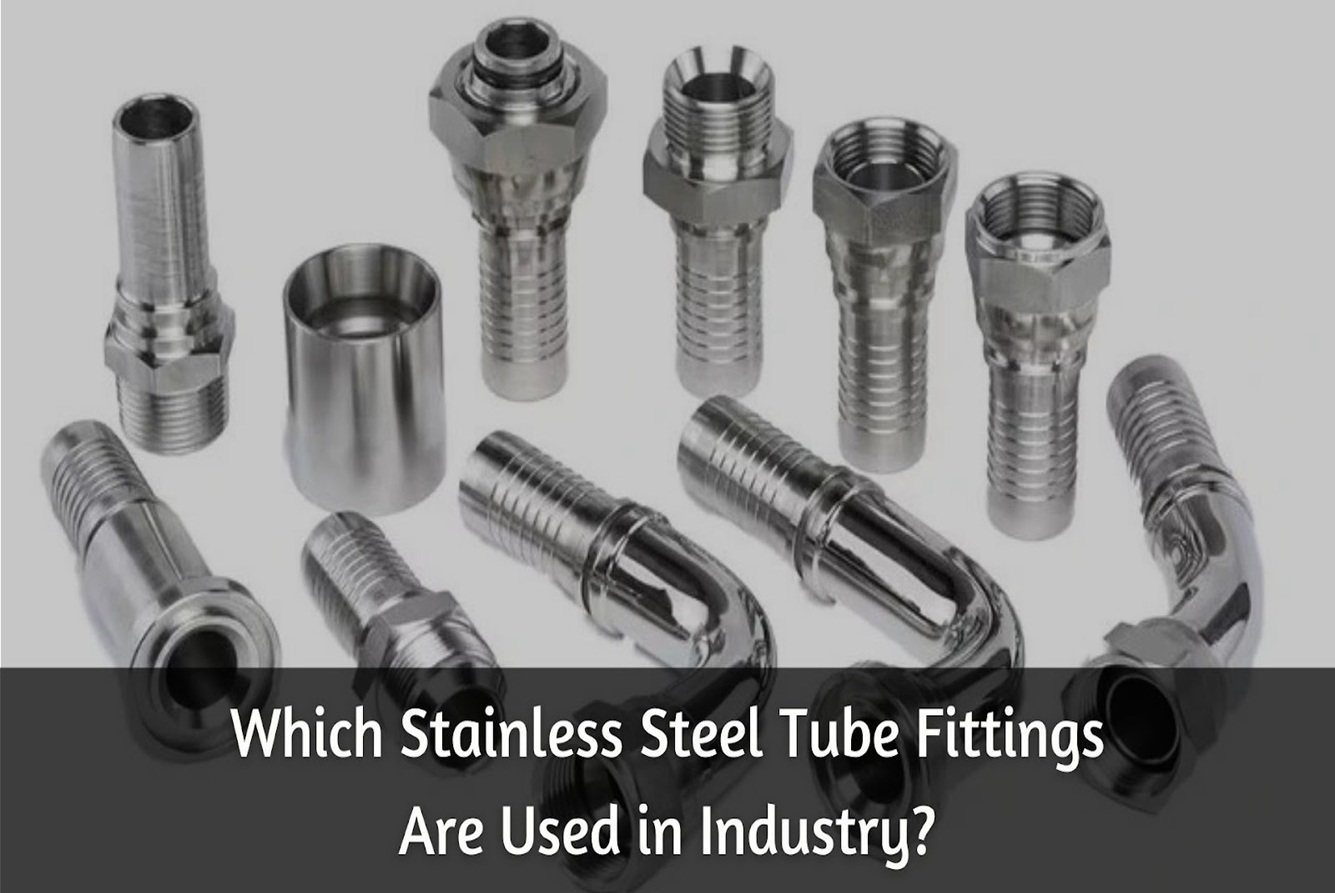
Which Stainless Steel Tube Fittings Are Used in Industry?

Summary

Stainless steel tube fittings play a critical role in industrial systems where safety, durability, and precision are essential. These are used across several industries, including oil and gas, food processing, chemical plants, and power generation. These fittings are crucial for leak-free connections and reliable fluid or gas flow.

This blog highlights the importance of these tube fittings, the most common types used across industries, and which grade is best suited for which industry.

The key highlights are:

  • The role that stainless steel suppliers play in ensuring quality
  • How tube fittings integrate with tubing, coils, pipes, and mesh
  • Selecting the right fittings for specific applications

Industries work with numerous sensitive materials, including gases, chemicals, and various fluids. They need secure connections to transport these materials, and that’s where stainless tube fittings come in.

These are widely used in industrial environments due to their strength, corrosion resistance, and durability.

However, selecting the right material and grade makes a lot of difference. This blog discusses the common types used across industries and why having the right stainless steel tubing suppliers on board is vital.

What Are Stainless Steel Tube Fittings?

Stainless steel tube fittings are components that connect, terminate, control, or adapt stainless steel tubing within a system. These differ from welded joints and allow for disassembly and maintenance without damaging the tubing.

These fittings are used alongside pipes, coils, mesh, and other components to form complete, integrated industrial systems.

Common Types of Stainless Steel Tube Fittings Used in Industry

Check out the common stainless steel fittings types:

Compression Fittings

Compression fittings are among the most widely used stainless steel tube fittings. They use a ferrule to create a tight seal around the tubing, making them ideal for high-pressure and vibration-prone environments.

Flare Fittings

Flare fittings rely on a flared tube end to form a metal-to-metal seal. These fittings are commonly used in systems that experience temperature changes or pressure fluctuations.

Welded Tube Fittings

Welded fittings provide permanent, leak-proof connections. They are often selected for critical systems that require maximum strength and minimal maintenance.

Threaded Tube Fittings

Threaded fittings allow easy assembly and disassembly. They are frequently used in utility lines, test systems, and applications requiring frequent adjustments.

Push-to-Connect and Specialty Fittings

These fittings offer quick installation and are used in low-pressure systems or specialized industrial setups where speed and simplicity are priorities.

Read more: How to Bend Stainless Steel Tubing Without Damaging the Finish?

Stainless Steel Grades Commonly Used in Tube Fittings

Stainless steel comes in various grades. Not every grade is similar. Some work best in coastal environments, while others are best for extreme temperatures. The following are some commonly used grades in tube fittings:

  • 410 stainless steel: Suitable for moderate corrosion resistance and high strength
  • 420 stainless steel: Known for its hardness and wear resistance
  • 440C stainless steel: Used where high strength and abrasion resistance are needed
  • 310 stainless steel supplier: Performs well in high-temperature environments
  • 904L stainless steel suppliers: Ideal for aggressive chemical and corrosive conditions

Selecting the correct grade ensures compatibility with system pressure, temperature, and chemical exposure.

Industrial Applications of Stainless Steel Tube Fittings

Explore which stainless steel grade aligns best with which industry:

Oil & Gas and Petrochemical Industry

Tube fittings handle high-pressure fluids and corrosive substances, making stainless steel essential for safety and durability. Working with 904L stainless steel suppliers is recommended.

Food, Beverage, and Pharmaceutical Processing

Hygienic design and corrosion resistance make stainless steel fittings ideal for clean processing environments. Grade 304 or 316 stainless steel is best for it. Companies making cutlery or surgical instruments must partner with 420 stainless steel suppliers for the highest-quality metal.

Chemical Processing Plants

Chemical systems depend on high-grade stainless steel—specifically grades 316 and 904L—to withstand harsh conditions while preventing leaks and contamination.

Power Generation and HVAC Systems

Tube fittings support steam, water, and cooling lines where long-term reliability is critical.

Other than this, DIYers interested in forging use grade 440C for premium-quality hunting knives, blades, and other applications. Choose a top-notch 440C stainless steel supplier to source quality metal for your needs.

Read more: 5 Reasons Local Stainless Steel Suppliers Are Game-Changers

How Tube Fittings Work with Other Stainless Steel Products?

Tube fittings are rarely used alone. They work alongside stainless steel tubing, pipes, coils, and mesh to create complete systems. The materials used for multiple components should be compatible with each other and, therefore, must be sourced from a reputable stainless steel supplier.

Proper integration reduces stress points, improves system efficiency, and simplifies maintenance.

How to Choose the Right Stainless Steel Tube Fittings?

Key factors that you must consider include:

  • Operating pressure and temperature
  • Type of fluid or gas
  • Environmental exposure
  • Required maintenance frequency
  • Compatibility with tubing and pipes

Consult with New Mexico Metals LLC for accurate guidance on choosing the material.

Benefits of Using Stainless Steel Tube Fittings in Industrial Systems

Stainless steel tube fittings are used in industrial settings for their obvious advantages:

  • Excellent corrosion resistance
  • High mechanical strength
  • Long service life
  • Low maintenance requirements
  • Compatibility with multiple stainless steel grades

These benefits make them a preferred choice across industrial sectors.

Why Working with Reliable Stainless Steel Suppliers Matters?

Quality is the first and foremost requirement in every industry, and it can only be assured by partnering with a reputable stainless steel supplier. They ensure consistent dimensions, verified material grades, and reliable performance. There are no pricing hassles, and you get ongoing support whenever you need it. They also help avoid costly rework, component failure, and unnecessary downtime.

There are multiple sources for stainless steel components, such as stainless steel coil suppliers, stainless steel tubing suppliers, and stainless steel pipe suppliers, each with expertise in a specific component. However, you must choose a supplier that offers a comprehensive range of stainless steel products.

Conclusion

Stainless steel tube fittings play a crucial role in many industries. However, what’s even more important is to source these fittings from trusted suppliers.

Choose New Mexico Metals LLC as your partner for the next project. We stock a wide range of stainless steel products to meet the needs of local industries.

Contact us today to learn more!

Frequently Asked Questions

Que: What are the most commonly used stainless steel tube fittings in the industry?

Ans: Compression fittings, flare fittings, welded fittings, and threaded fittings are the most widely used in industrial applications.

Que: Are stainless steel tube fittings different from stainless steel pipe fittings?

Ans: Yes. Tube fittings are designed for tubing with precise outside diameters, while pipe fittings are used with pipes measured by nominal size.

Que: Which stainless steel grade is best for industrial tube fittings?

Ans: The best grade depends on the application. 316, 904L, and 310 are commonly used for corrosive or high-temperature environments.

Que: Can stainless steel tube fittings be reused?

Ans: Some fittings can be reused, but it is not recommended, as it can affect sealing performance.

Que: How do I choose a reliable stainless steel supplier for tube fittings?

Ans: Choose someone who offers consistent quality standards, material traceability, and required guidance for selecting the right grade.

Metal Band Saw Maintenance Tips for Longer Blade Life

A metal band saw is a popular tool for cutting various metals. Metal sawing uses a variety of tools, including a metal cutting saw, a metal cut-off saw, or a circular metal cutting saw. Still, the common thing among all these tools is that they can only deliver the desired results when kept in optimal condition. It means a blade works best when properly maintained.

Without proper maintenance, even the best quality blades can wear out quickly, leading to downtime, increased costs, and inconsistent cuts.

This blog discusses the causes of blade wear and how to extend the blade’s lifespan. Read on!

How Metal Band Saw Blades Wear Out?

Metal band saw blades wear out due to friction, heat buildup, and improper cutting conditions. Other common causes include dull teeth, incorrect blade tension, poor coolant flow, and excessive cutting speeds.

Most of the time, blades fail mid-operation due to improper blade selection, insufficient lubrication, or the use of a poorly maintained saw, even on harder metals like stainless steel.

Unlike tools such as a metal hole saw or an 8-hole saw, band saw blades remain in continuous contact with the metal, making proper maintenance even more critical.

Daily Metal Band Saw Maintenance Checklist

If you use metal saws frequently or have a workshop, daily maintenance is crucial. Check out some simple routine tips:

  • Inspecting the blade for cracks or missing teeth
  • Checking blade alignment and tracking
  • Cleaning metal chips from the saw bed and guides
  • Verifying coolant levels and flow
  • Ensuring guide bearings move freely

These steps take only minutes but can greatly improve blade longevity.

Proper Blade Tensioning for Longer Blade Life

A metal band saw sits between two points of a machine and passes through the metal at a certain speed to cut through it. If a blade is not properly used, i.e., the correct blade tension isn’t achieved, the blade may wander, causing uneven cuts. On the other hand, over-tensioning leads to blade fatigue and breakage.

Follow the manufacturer’s recommended tension settings and recheck tension periodically, especially after installing a new blade. Proper tension helps your metal band saw maintain straight, accurate cuts with less stress on the blade.

Optimizing Cutting Speed and Feed Rate

Modern machines offer multiple sawing speeds that depend on material hardness and thickness. Monitoring feed rate is also important. Running the blade too fast generates excessive heat, while feeding too slowly can cause tooth wear and dulling.

For example:

  • Softer metals require higher speeds
  • Harder metals like stainless steel need slower speeds
  • Consistent feed pressure prevents tooth chipping

Optimized settings reduce wear and help your metal cutting band saw perform efficiently.

Importance of Coolant and Lubrication

As the band saw passes through the metal, friction generates heat; thus, a coolant is crucial to reduce it. Proper lubrication prevents metal from welding to the blade teeth and helps flush away chips.

It is especially important when cutting materials with tools like a hole saw for stainless steel or a metal-cutting circular saw, where heat buildup can be severe. Always ensure coolant nozzles are properly aimed and that the fluid is clean and at the correct concentration.

Blade Selection Tips That Reduce Wear

Choosing the right blade is the most important factor in reducing blade wear. It makes a significant difference in performance and durability.

Here are some key considerations in choosing a metal sawing blade:

  • The tooth pitch, i.e., number of teeth per inch, should be matched to the material. The softer the metal, the lesser the TPI.
  • The blade material should be appropriate for the metal type
  • Choose variable-pitch blades for mixed materials.

Using the wrong blade damages the blade and the material, leading to excessive wear.

Proper Break-In Procedure for New Band Saw Blades

If you are a beginner, you might be unaware of this step, but breaking in a blade is very important. The new blades have sharper teeth and must be rounded off for optimum performance.

Here are the tips to break in a blade:

  • Reduce cutting speed and feed rate by 50%
  • Cut for the first 10–15 minutes
  • Gradually increase to normal operating levels

This simple process significantly improves blade lifespan.

Common Metal Band Saw Maintenance Mistakes to Avoid

There are some common mistakes that experts avoid easily due to their knowledge and expertise, saving time and money. These common mistakes include:

  • Running dull blades too long
  • Ignoring blade tracking issues
  • Using incorrect cutting speeds
  • Neglecting coolant maintenance
  • Skipping regular inspections

Every tool, including high-performance equipment, needs proper techniques to deliver consistent results.

Maintenance Comparison: Band Saw vs Other Metal Cutting Saws

Compared to metal-cutting saws, such as a metal-cutting band saw, band saws require more frequent blade inspections but offer smoother cuts and less material waste. Circular saws and cold saws often require less blade-tension management but still require careful chip and heat control.

Whether you have a band saw, an 8-hole saw, or a circular saw, proper maintenance is non-negotiable.

Conclusion

Maintaining a metal band saw doesn’t require a rigorous routine; a few simple daily tips maximize blade life, improve cut quality, and reduce operational costs. These tips, as discussed above, include proper lubrication, maintaining an ideal cutting speed, correct blade tension, and routine inspection.

However, as a DIYer, you do not need to invest in a metal-cutting circular saw, a cold saw, or an 8-hole saw, because you can get the best metal-sawing services at New Mexico Metals LLC. We offer an extensive range of metal-related services, including metal sawing. Whether you need uniform sheets or large cuts using an 8-hole saw, we can do it for you.

Contact us today to learn more!

Frequently Asked Questions

Que: How often should a metal band saw blade be replaced?

Ans: The replacement depends on usage, material type, and maintenance. Blades can last for several months or longer with proper care.

Que: What shortens the life of a metal band saw blade the most?

Ans: poor lubrication, incorrect blade tension, skipping blade break-in, etc., impact the blade’s life the most.

Que: Can I use the same blade for different metals?

Ans: No, you need different blades for different metals, based on their properties.

Que: How is a metal cutting band saw different from a metal cutting circular saw?

Ans: A metal band saw offers smoother finishing, while a circular saw is faster but generates more heat and noise.

Que: Do Evolution metal cutting saws require the same maintenance?

Ans: While evolution metal-cutting saws require less blade-tension management, they still require regular blade inspections, cleaning, and proper speed control.

Sheet Metal Hole Punch vs Drilling: Which Is More Efficient?

Clean, accurate holes on metal sheets are common requirements across many industries. Two of the most common methods to do this are metal punching and drilling. Each method has distinct advantages and strengths, as well as limitations and ideal use cases.

When working with sheet metal, it can be confusing to weigh the benefits of the two methods and choose the right one for your project. It is important because it impacts productivity, cost, and overall project quality.

If you have also faced this dilemma, this blog is for you. It compares the two methods in detail and helps you determine which is more efficient for your specific needs.

Read on!

Understanding Sheet Metal Hole Punching

This process involves creating holes by applying shear force with a punch and die set. Unlike drilling, which uses a rotating drill, punching creates clean, accurate holes with a single motion.

Punching is widely used because it produces consistent hole sizes with smooth edges. The precise results are obtained using a range of tools, from manual punches to powered tools, including a hydraulic metal hole punch.

Types of Metal Hole Punches

Check out the different types of metal hole punches:

Steel Hole Punch

A steel hole punch is designed specifically for mild steel and carbon steel sheets. Steel is tougher than some metals and softer than others, and thus, specific steel hole punches are used to achieve clean, round holes in construction and industrial applications.

Stainless Steel Hole Punch

A stainless steel hole punch is built to handle harder materials without excessive wear. It ensures precise holes while preserving the strength and finish of stainless steel sheets.

Square Hole Punch for Metal

A square hole punch is no different than a regular punch, but creates rectangular shapes, instead of round ones. It is required for electrical panels, enclosures, and switch boxes. These shapes are harder to achieve accurately with drilling alone.

Heavy Duty Hydraulic Metal Hole Punch

These punches use hydraulic power to deliver high cutting force, cutting through thick, hard metal with minimal effort. It is a fast, efficient method for punching and is widely used across heavy-duty industries.

Benefits of Using a Sheet Metal Hole Punch

Using a sheet metal hole punch offers several advantages over drilling:

  • Faster hole creation with a single motion
  • Clean edges with minimal burrs
  • Consistent hole size and shape
  • Reduced tool wear compared to drill bits
  • Less heat generation, preserving material integrity

Punching is especially effective when multiple holes are required in a consistent pattern.

Sheet Metal Drilling

Check out how drilling works, the advantages of using sheet metal, and its advantages:

How Drilling Works for Metal Sheets?

Drilling involves using a rotating metal drill bit to cut through metal and create a hole. It can handle a range of hole sizes and depths across different metals.

Role of a Center Punch for Metal in Drilling

A center punch is used before drilling to create an indentation in the metal sheet, preventing drill bits from wandering and ensuring accurate hole placement.

Advantages of Drilling Sheet Metal

Here are the multiple advantages of metal drilling:

  • Flexible hole sizing
  • Suitable for thick materials
  • Widely available tools
  • Effective for low-volume or custom work

Limitations of Drilling

Drilling also has certain disadvantages, such as:

  • Slower than punching for repetitive tasks
  • Generates heat that may affect metal properties
  • Produces burrs that require secondary finishing
  • Drill bits wear out faster on hard metals

Sheet Metal Hole Punch vs Drilling: Efficiency Comparison

Let’s compare the two methods to see which one is better:

Speed and Productivity

Punching is significantly faster, especially when creating multiple holes. Drilling takes longer due to its setup, drilling time, and cleanup.

Precision and Hole Quality

Punching delivers uniform, smooth-edged holes. Drilling accuracy depends heavily on operator skill and often requires deburring.

Material Thickness and Strength

Drilling handles very thick metal better, while punching excels in thin to medium-thickness sheets. A hydraulic metal hole punch can extend punching capabilities to thicker materials.

Cost and Operational Efficiency

Punching reduces labor time and material waste, making it more cost-efficient for repeated operations. Drilling is more cost-effective for a range of hole sizes.

Safety and Ease of Use

Punching involves less vibration and reduced risk of bit breakage. Drilling requires care to avoid slipping.

When to Choose a Sheet Metal Hole Punch?

A sheet metal hole punch is the better choice when:

  • Multiple identical holes are required
  • Clean, professional edges are essential
  • Speed and efficiency are priorities
  • Square or specialty-shaped holes are needed
  • Working with thin to medium-thickness sheets
  • Portable punches are ideal for on-site applications.

When Drilling Is the Better Option?

Drilling is more suitable when:

  • Hole sizes vary frequently
  • Very thick metal is involved
  • Specialized or deep holes are required
  • Punch tooling is not available for a specific size

Drilling can achieve accurate results when combined with a center punch.

Industry Applications and Use Cases

Here are the various use cases of punching and drilling:

  • Construction and infrastructure
  • Electrical and control panel systems
  • Industrial equipment manufacturing
  • HVAC and mechanical installations
  • Metal enclosures and frames

Conclusion

In short, punching and drilling are both useful if you know when to use which method. The blog above discussed the advantages and disadvantages in detail so that you can make the right choice for your project.

If you are a DIYer or have short-term punching and drilling needs, it’s advised to outsource, rather than investing in expensive equipment and tools.

Visit New Mexico Metals LLC, where we offer punching, drilling, notching, shearing, and other metal-related services at competitive prices.

Contact us today to learn more about our services!

Frequently Asked Questions

Que: Is a sheet metal hole punch better than drilling?

Ans: The choice of the method depends on the project’s needs. If you want multiple identical holes, punching is better, but if the hole sizes vary, drilling is recommended.

Que: Can a steel hole punch work on stainless steel?

Ans: A standard steel hole punch may struggle with stainless steel. A dedicated stainless steel hole punch is recommended for best results.

Que: What is a square hole punch for metal used for?

Ans: A square metal hole punch creates rectangular shapes for switches, outlets, and electrical enclosures.

Que: Do I need a center punch for metal before drilling?

Ans: Yes, a center punch for metal helps guide the drill bit and ensures accurate hole placement.

Que: What are the advantages of a heavy-duty hydraulic metal hole punch?

Ans: A heavy-duty hydraulic metal hole punch offers high force, reduced operator effort, clean cuts, and the ability to handle thicker metal sheets efficiently.