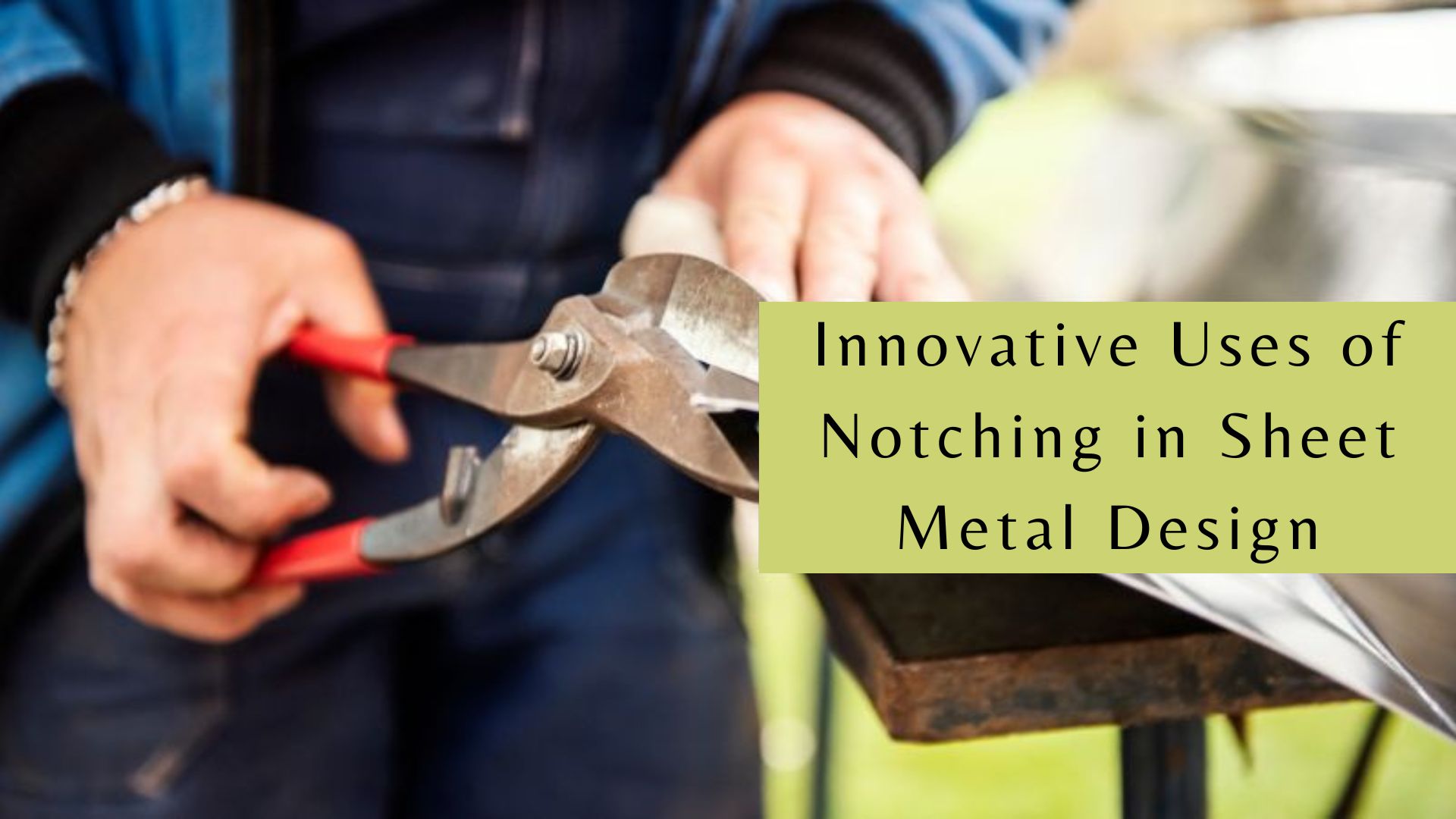
Sheet Metal Hole Punch vs Drilling: Which Is More Efficient?

Clean, accurate holes on metal sheets are common requirements across many industries. Two of the most common methods to do this are metal punching and drilling. Each method has distinct advantages and strengths, as well as limitations and ideal use cases.

When working with sheet metal, it can be confusing to weigh the benefits of the two methods and choose the right one for your project. It is important because it impacts productivity, cost, and overall project quality.

If you have also faced this dilemma, this blog is for you. It compares the two methods in detail and helps you determine which is more efficient for your specific needs.

Read on!

Understanding Sheet Metal Hole Punching

This process involves creating holes by applying shear force with a punch and die set. Unlike drilling, which uses a rotating drill, punching creates clean, accurate holes with a single motion.

Punching is widely used because it produces consistent hole sizes with smooth edges. The precise results are obtained using a range of tools, from manual punches to powered tools, including a hydraulic metal hole punch.

Types of Metal Hole Punches

Check out the different types of metal hole punches:

Steel Hole Punch

A steel hole punch is designed specifically for mild steel and carbon steel sheets. Steel is tougher than some metals and softer than others, and thus, specific steel hole punches are used to achieve clean, round holes in construction and industrial applications.

Stainless Steel Hole Punch

A stainless steel hole punch is built to handle harder materials without excessive wear. It ensures precise holes while preserving the strength and finish of stainless steel sheets.

Square Hole Punch for Metal

A square hole punch is no different than a regular punch, but creates rectangular shapes, instead of round ones. It is required for electrical panels, enclosures, and switch boxes. These shapes are harder to achieve accurately with drilling alone.

Heavy Duty Hydraulic Metal Hole Punch

These punches use hydraulic power to deliver high cutting force, cutting through thick, hard metal with minimal effort. It is a fast, efficient method for punching and is widely used across heavy-duty industries.

Benefits of Using a Sheet Metal Hole Punch

Using a sheet metal hole punch offers several advantages over drilling:

  • Faster hole creation with a single motion
  • Clean edges with minimal burrs
  • Consistent hole size and shape
  • Reduced tool wear compared to drill bits
  • Less heat generation, preserving material integrity

Punching is especially effective when multiple holes are required in a consistent pattern.

Sheet Metal Drilling

Check out how drilling works, the advantages of using sheet metal, and its advantages:

How Drilling Works for Metal Sheets?

Drilling involves using a rotating metal drill bit to cut through metal and create a hole. It can handle a range of hole sizes and depths across different metals.

Role of a Center Punch for Metal in Drilling

A center punch is used before drilling to create an indentation in the metal sheet, preventing drill bits from wandering and ensuring accurate hole placement.

Advantages of Drilling Sheet Metal

Here are the multiple advantages of metal drilling:

  • Flexible hole sizing
  • Suitable for thick materials
  • Widely available tools
  • Effective for low-volume or custom work

Limitations of Drilling

Drilling also has certain disadvantages, such as:

  • Slower than punching for repetitive tasks
  • Generates heat that may affect metal properties
  • Produces burrs that require secondary finishing
  • Drill bits wear out faster on hard metals

Sheet Metal Hole Punch vs Drilling: Efficiency Comparison

Let’s compare the two methods to see which one is better:

Speed and Productivity

Punching is significantly faster, especially when creating multiple holes. Drilling takes longer due to its setup, drilling time, and cleanup.

Precision and Hole Quality

Punching delivers uniform, smooth-edged holes. Drilling accuracy depends heavily on operator skill and often requires deburring.

Material Thickness and Strength

Drilling handles very thick metal better, while punching excels in thin to medium-thickness sheets. A hydraulic metal hole punch can extend punching capabilities to thicker materials.

Cost and Operational Efficiency

Punching reduces labor time and material waste, making it more cost-efficient for repeated operations. Drilling is more cost-effective for a range of hole sizes.

Safety and Ease of Use

Punching involves less vibration and reduced risk of bit breakage. Drilling requires care to avoid slipping.

When to Choose a Sheet Metal Hole Punch?

A sheet metal hole punch is the better choice when:

  • Multiple identical holes are required
  • Clean, professional edges are essential
  • Speed and efficiency are priorities
  • Square or specialty-shaped holes are needed
  • Working with thin to medium-thickness sheets
  • Portable punches are ideal for on-site applications.

When Drilling Is the Better Option?

Drilling is more suitable when:

  • Hole sizes vary frequently
  • Very thick metal is involved
  • Specialized or deep holes are required
  • Punch tooling is not available for a specific size

Drilling can achieve accurate results when combined with a center punch.

Industry Applications and Use Cases

Here are the various use cases of punching and drilling:

  • Construction and infrastructure
  • Electrical and control panel systems
  • Industrial equipment manufacturing
  • HVAC and mechanical installations
  • Metal enclosures and frames

Conclusion

In short, punching and drilling are both useful if you know when to use which method. The blog above discussed the advantages and disadvantages in detail so that you can make the right choice for your project.

If you are a DIYer or have short-term punching and drilling needs, it’s advised to outsource, rather than investing in expensive equipment and tools.

Visit New Mexico Metals LLC, where we offer punching, drilling, notching, shearing, and other metal-related services at competitive prices.

Contact us today to learn more about our services!

Frequently Asked Questions

Que: Is a sheet metal hole punch better than drilling?

Ans: The choice of the method depends on the project’s needs. If you want multiple identical holes, punching is better, but if the hole sizes vary, drilling is recommended.

Que: Can a steel hole punch work on stainless steel?

Ans: A standard steel hole punch may struggle with stainless steel. A dedicated stainless steel hole punch is recommended for best results.

Que: What is a square hole punch for metal used for?

Ans: A square metal hole punch creates rectangular shapes for switches, outlets, and electrical enclosures.

Que: Do I need a center punch for metal before drilling?

Ans: Yes, a center punch for metal helps guide the drill bit and ensures accurate hole placement.

Que: What are the advantages of a heavy-duty hydraulic metal hole punch?

Ans: A heavy-duty hydraulic metal hole punch offers high force, reduced operator effort, clean cuts, and the ability to handle thicker metal sheets efficiently.
The Evolution of Metal Punching and Notching Tools

Metal punching and notching are two of the most vital processes in metalworking. What’s remarkable is the myriad of changes these two processes have undergone over the years.

These are used across industries to create openings, angles, and shapes in sheet metal with speed and precision. For contractors, metalworkers, and engineers, it’s vital to understand the evolution of these tools to select the best equipment for the various applications.

This blog dives into the same, discussing how sheet metal notchers and punching tools have evolved.

What is Metal Punching?

Metal punching is the process of forcing a punch through sheet metal to create a distinct shape or hole. The tool uses shear force to separate the metal within the sheet’s perimeter, without damaging the sheet.

The process is known to create:

  • Bolt holes
  • Electrical panel openings
  • Industrial brackets
  • Clean cutouts in sheet metal

Modern punching tools range from handheld punches to high-powered automated systems.

What is Metal Notching?

Notching operation in sheet metal refers to removing a metal piece from the edge or corner of a metal sheet to create bends, joints, and custom shapes. Notching is used for:

  • HVAC ductwork
  • Metal enclosures
  • Structural frames
  • Industrial equipment

A sheet metal notcher produces precise corners and angles, making it a crucial step in assembly.

Evolution of Metal Punching and Notching Tools

Modern metal punching and notching tools differ significantly from the earliest ones.

At first, metalworkers relied on chisels and hammers. Then, they moved to lever-based punch tools, making the task easier and more consistent.

It was during the Industrial Revolution that mechanical punch presses and early notching machines were introduced. They were capable of repetitive, high-volume production.

Today, punching and notching have reached new levels of sophistication:

  • Hydraulic machines are used in industrial settings. They achieve great results using their immense force and minimal effort.
  • Electric and pneumatic tools are available for both small and large jobs, offering precision and speed.
  • CNC machines are used across industries for their accuracy to fractions of a millimeter.
  • Modular dies and punch sets allow versatility for different applications.

This evolution reflects the growth of machines as needs evolved over the decades.

Types of Sheet Metal Notchers and Punching Tools

The various types of notching and punching tools differ in terms of power, speed, precision, and portability. Some of those are discussed below:

Handheld Punch Tools: These are small and portable, usually electric-powered, and ideal for smaller jobs.

Bench-Mounted Metal Hole Punch Machines: Handheld tools cannot easily penetrate thicker material, so bench-mounted machines are used because they offer greater leverage.

Hydraulic Sheet Metal Notchers: These are known for their immense force and clean cuts with minimal effort, making them ideal for industrial settings.

Corner Notchers: Commonly used in HVAC and structural framing, these notch corners at preset angles with precision.

CNC Punching Machines: These are automated machines that are capable of producing thousands of identical punches. These are used in high-precision industrial applications.

Key Benefits of Modern Metal Punching and Notching Tools

The evolution in metal notching and punching offers several advantages:

  • Higher precision due to refined cutting mechanisms
  • Faster production with automated systems
  • Cleaner edges and minimal deformation
  • Greater versatility across multiple metal types
  • Improved safety with modern guarding and control systems
  • Reduced operator fatigue thanks to hydraulic and electric tools

Industries that work with sheet metal benefit from the faster speed, improved performance, and consistent quality.

Choosing the Right Sheet Metal Notcher for Your Project

Selecting a sheet metal notcher might seem like an easy decision, but it isn’t, because you need to consider the following factors:

  • The material thickness you plan to notch
  • Type of angles or shapes needed
  • Volume of production
  • Power source (manual, hydraulic, electric)
  • Precision requirements

Small jobs require manual notchers, while high-precision applications require CNC metal-punching and notching tools. For heavy-duty work or frequent use, a hydraulic sheet metal notcher offers the best power.

The Future of Notching and Punching Technology

Every industry is moving towards automation and robotics. It’s not far-fetched to expect that metal notching and punching will be automated in the future, improving energy efficiency and enabling smarter operations.

Some of the expected innovations are:

  • AI-assisted cutting adjustments for enhanced accuracy
  • IoT-enabled punch machines that track performance
  • Eco-friendly power systems reduce energy consumption
  • Advanced composite dies for longer service life

Conclusion

Metal punching and notching have come a long way from their early manual origins. Today’s tools, whether simple metal punches or high-powered hydraulic notchers, deliver unmatched precision, convenience, and efficiency.

Not every company can invest in modern metal notching and punching tools. You need the services of a metal notching and punching expert to achieve greater accuracy, smoother operations, and enhanced safety. Contact New Mexico Metals today!

Frequently Asked Questions

Que: What is the difference between metal punching and metal notching?

Ans: Metal punching removes metal from within the perimeter of a sheet of metal, while metal notching removes metal from the corners or edges, making it fit for assembly or bends.

Que: What is a notching operation in sheet metal used for?

Ans: It refers to removing material from specific locations on sheet metal to allow bending, forming, and assembly.

Que: What are the advantages of using a hydraulic sheet metal notcher?

Ans: Hydraulic sheet metal notchers offer precise results, fast operation, and can handle tougher metals.

Que: Can metal punching and notching be done on all types of metals?

Ans: Meta punching and notching tools work on almost all metals, including copper, aluminum, brass, steel, and special alloys.

Que: How has technology improved metal punching and notching tools?

Ans: Modern tools feature hydraulic systems, CNC automation, improved blade alloys, enhanced safety systems, and high-precision controls.

DIY Maintenance Tips for Extending the Life of Your Sheet Metal Notcher

Metal notching is the process of removing excess metal from a sheet. The process is performed using machines or tools designed especially for the same.

It is also true that the quality of the notches depends on the tools used and the skills of the expert undertaking the operation.

Thus, you must maintain your sheet metal notchers in good shape to achieve the desired results.

This blog is for you if you are a DIYer or someone who performs small notching operations.

Read it and learn the DIY maintenance tips for your sheet metal notcher to extend its lifespan.

Types of Metal Notchers

Before diving into the maintenance tips, you must learn about the different metal notchers, as the tips depend on the machine you use. Here are the various types of sheet metal notchers:

Handheld Notchers: As the name suggests, these are handheld tools, either completely manual or powered by electricity. They are portable and suitable for very small tasks.

Electric Notchers: These are self-explanatory in that they are powered by electricity. These can be handheld or bench-mounted and are suitable for small operations.

Hydraulic Notchers: These are used for thicker and heavier materials. These are bench-mounted, where a hydraulic press punches into the die and removes the metal. These are used in large-scale industries.

CNC Notchers: Known for their precision, these notchers use a computer program attached to a machine to precisely remove the excess metal. These machines are used wherever precision and accuracy are required alongside speed.

Specialty Notchers: These are specially designed machines for specific notchers. They include sheet metal corner notchers and angle notchers.

Which of the above-mentioned tools or machines do you use?

DIY Maintenance Tips for Sheet Metal Notchers

Here are the maintenance tips for metal notching tools that will allow you to use them for a long time:

Keep Your Metal Notcher Clean

The dust, dirt, and debris flying around during the operation accumulate inside the machine over time, especially if it is not cleaned. So, wipe down the machine after every task. Also, clean the hard-to-reach areas with compressed air to remove metal chips and parts.

Lubricate The Machine

You should always lubricate the moving parts whether a handheld or a powered tool. Proper lubrication minimizes friction and wear on critical components. Regularly oil the pivot points, bearings, and blades to ensure smooth operation. Also, check the manufacturer’s instructions to keep the machine in good shape.

Inspect and Sharpen the Blades

Blades are undoubtedly the most important part of a notcher and should always be in top condition. Over time, the blades get dull, reducing efficiency and the notch quality. To maintain the quality, inspect the blades regularly. Check whether the cuts are smooth or not. Use a grinding tool to sharpen the blades and replace them if they are excessively worn out.

Check Bolts and Fasteners

Loose bolts and fasteners can lead to machine misalignment and inaccurate notching.

Thus, check for loose screws and bolts on the notcher frame. Also, check the blade alignment and guide rails. If you hear any unusual noise during the operation, it might be due to a loose screw. It indicates potential problems if you continue working with a loose screw.

Check it and tighten it to ensure safety and work quality.

Align and Calibrate The Notcher

For a sheet metal corner notcher to function correctly, it must be properly aligned. Regular calibration ensures precision cuts and prevents unnecessary strain on the machine. If your notcher has an adjustable guide, verify its accuracy before making cuts.

Follow The Manufacturer’s Instructions

Each metal notcher is accompanied by an instruction manual, which you must follow to extend the tool’s lifespan. It should be thoroughly followed to keep yourself and the machine safe. Always wear protective gear during the operation. If you are a DIYer, gloves and goggles are mandatory if you don’t own a safety gear. Also, do not overload or overwork the machine.

Keep Your Work Area Clean

Keeping your work area clean is crucial, as clutter can lead to injuries and accidents. You might tip over something, or a stray piece of metal can injure you. Also, you need proper clamps to hold down the sheet metal for operation.

New Mexico Metals LLC for Sheet Metal Notching

You need not worry about the maintenance tips if you are a DIYer. Instead, you should visit us at New Mexico Metals LLC for quality sheet metal notching. As the experts, we have the tools and expertise to offer you the best quality notching in Albuquerque. Also, it is a cost-effective option for you, instead of investing in a metal notcher.

Contact us today for more information!

Innovative Uses of Notching in Sheet Metal Design

Metal notching is often viewed as “just another” metal-cutting activity that may not seem very important. However, if you are in the metal industry, you will agree that it is a crucial process. Even if you are not, this blog will make you look differently at all the metal works and realize that metal notching is indeed a vital process that has changed modern metal design and how components are created.

The art of removing the metal from metal edges to give it a perfect finish is called metal notching.

In this blog, you will learn more about notching operations on metal sheets, the different tools and techniques employed, and their applications.

Types of Notching Tools and Techniques

The different types of notching tools and techniques are discussed here:

Hydraulic Sheet Metal Notchers

Hydraulic metal notchers are powerful machines that are used to cut sheet metal effectively. The precision is high, and they slice through any metal, regardless of thickness.

These machines are designed to carve metal hole punches for both small and large-scale operations.

CNC Notching Machines

CNC stands for Computer Numeric Control. A pattern is fed to the machine, which moves intricately to cut through the sheet metal and carve the metal out. The best thing about these machines is that they are quick and consistent, thus creating consistent designs even for a million sheets.

Manual Notchers

Before these machines were developed, manual metal notchers were used to carve the metal. These handheld devices required a great deal of skill to ensure that all designs were consistent. Manual notchers are used in certain types of operations, especially in artistic pursuits.

Manual Machines Vs. Automated Machines

Undoubtedly, manual notching requires more skills and time than automated machines. Also, there is always a risk of deviating from the design.

Notching requires high precision and accuracy; even the slightest deviation is unacceptable, especially in industrial settings.

On the other hand, automated machines are faster, quicker, and consistent with designs. Thus, automated machines like CNC machines and hydraulics are more popular than manual ones.

Comparison of Different Notching Techniques

Based on modern metal notching methods, the machines are divided into two types- mechanical and laser cutting.

Mechanical machines include hydraulic and manual machines, which use a physical force to deform the metal.

Laser-cutting metal notching machines have a high-powered laser beam that easily cuts through the metal and offers precise cuts.

Innovative Applications of Notching in Sheet Metal Design

Here are some modern and innovative applications of metal notching:

Artistic Applications

Artists are leaning more towards using metal to create pieces that can withstand the test of time. These pursuits require not only intricate metal notching to give the metal a perfect edge but also metal punching and bending to form it into the desired shapes.

Architectural Applications

The use of metal in architecture isn’t new. Eiffel Tower, Willis Tower, The Gateway Arch, etc., are some of the prime examples. In modern architecture, metal is not just used in window panes and doors but enhances the aesthetic appeal of the places. The components, such as connectors and brackets, are designed using metal notching, the precision of which ensures that these elements fit together seamlessly, contributing to the structural integrity and visual harmony of architectural projects.

Industrial Uses

If you attempt to list the industries that utilize metal notching, you’ll find yourself counting for quite a while, as very few industries do not depend on this method. Be it electric enclosures, metal furniture, automotive parts, or kitchen appliances, it is used everywhere.

Advantages of Notching

Here are the multiple advantages of notching operation in sheet metal:

Precision: The precision of the process allows components to fit together perfectly.

Versatility: Unlike older times, modern notching machines can notch even the thickest metals with considerable ease.

Cost-Effectiveness: The method is very cost-effective, especially in large-scale operations.

Best Practices for Implementing Metal Notching

Here are the best practices for achieving perfection in metal notching:

Choose the Right Tool: Always choose the tool based on the metal you are notching, considering its hardness and thickness. It will ensure that you achieve perfect edges.

Right Setup: Ensure accurate setup and alignment of the metal sheet before notching to avoid errors.

Maintaining Equipment: Inspect and maintain the notching equipment, replacing them when necessary.

Future Trends in Metal Notching

Like many other industries, metal notching is increasingly focused on automation. AI-powered machines are already operating successfully in various sectors, and when applied to metal notching, they are expected to achieve remarkable results. The productivity and efficiency of notching operations on sheet metal are anticipated to reach unprecedented levels.

Conclusion

Until AI-powered machines become available, the market continues to rely on hydraulic, laser, and CNC machines, which are performing well. At New Mexico Metals LLC, we believe that machines should be mirrored by skilled workers. Thus, we have not only state-of-the-art metal notching machines but also an experienced staff whose goal aligns with the organization’s—to offer the best metal notching services in Albuquerque.

For any metal-related needs, contact us!