Sheet Metal Hole Punch vs Drilling: Which Is More Efficient?

Clean, accurate holes on metal sheets are common requirements across many industries. Two of the most common methods to do this are metal punching and drilling. Each method has distinct advantages and strengths, as well as limitations and ideal use cases.

When working with sheet metal, it can be confusing to weigh the benefits of the two methods and choose the right one for your project. It is important because it impacts productivity, cost, and overall project quality.

If you have also faced this dilemma, this blog is for you. It compares the two methods in detail and helps you determine which is more efficient for your specific needs.

Read on!

Understanding Sheet Metal Hole Punching

This process involves creating holes by applying shear force with a punch and die set. Unlike drilling, which uses a rotating drill, punching creates clean, accurate holes with a single motion.

Punching is widely used because it produces consistent hole sizes with smooth edges. The precise results are obtained using a range of tools, from manual punches to powered tools, including a hydraulic metal hole punch.

Types of Metal Hole Punches

Check out the different types of metal hole punches:

Steel Hole Punch

A steel hole punch is designed specifically for mild steel and carbon steel sheets. Steel is tougher than some metals and softer than others, and thus, specific steel hole punches are used to achieve clean, round holes in construction and industrial applications.

Stainless Steel Hole Punch

A stainless steel hole punch is built to handle harder materials without excessive wear. It ensures precise holes while preserving the strength and finish of stainless steel sheets.

Square Hole Punch for Metal

A square hole punch is no different than a regular punch, but creates rectangular shapes, instead of round ones. It is required for electrical panels, enclosures, and switch boxes. These shapes are harder to achieve accurately with drilling alone.

Heavy Duty Hydraulic Metal Hole Punch

These punches use hydraulic power to deliver high cutting force, cutting through thick, hard metal with minimal effort. It is a fast, efficient method for punching and is widely used across heavy-duty industries.

Benefits of Using a Sheet Metal Hole Punch

Using a sheet metal hole punch offers several advantages over drilling:

  • Faster hole creation with a single motion
  • Clean edges with minimal burrs
  • Consistent hole size and shape
  • Reduced tool wear compared to drill bits
  • Less heat generation, preserving material integrity

Punching is especially effective when multiple holes are required in a consistent pattern.

Sheet Metal Drilling

Check out how drilling works, the advantages of using sheet metal, and its advantages:

How Drilling Works for Metal Sheets?

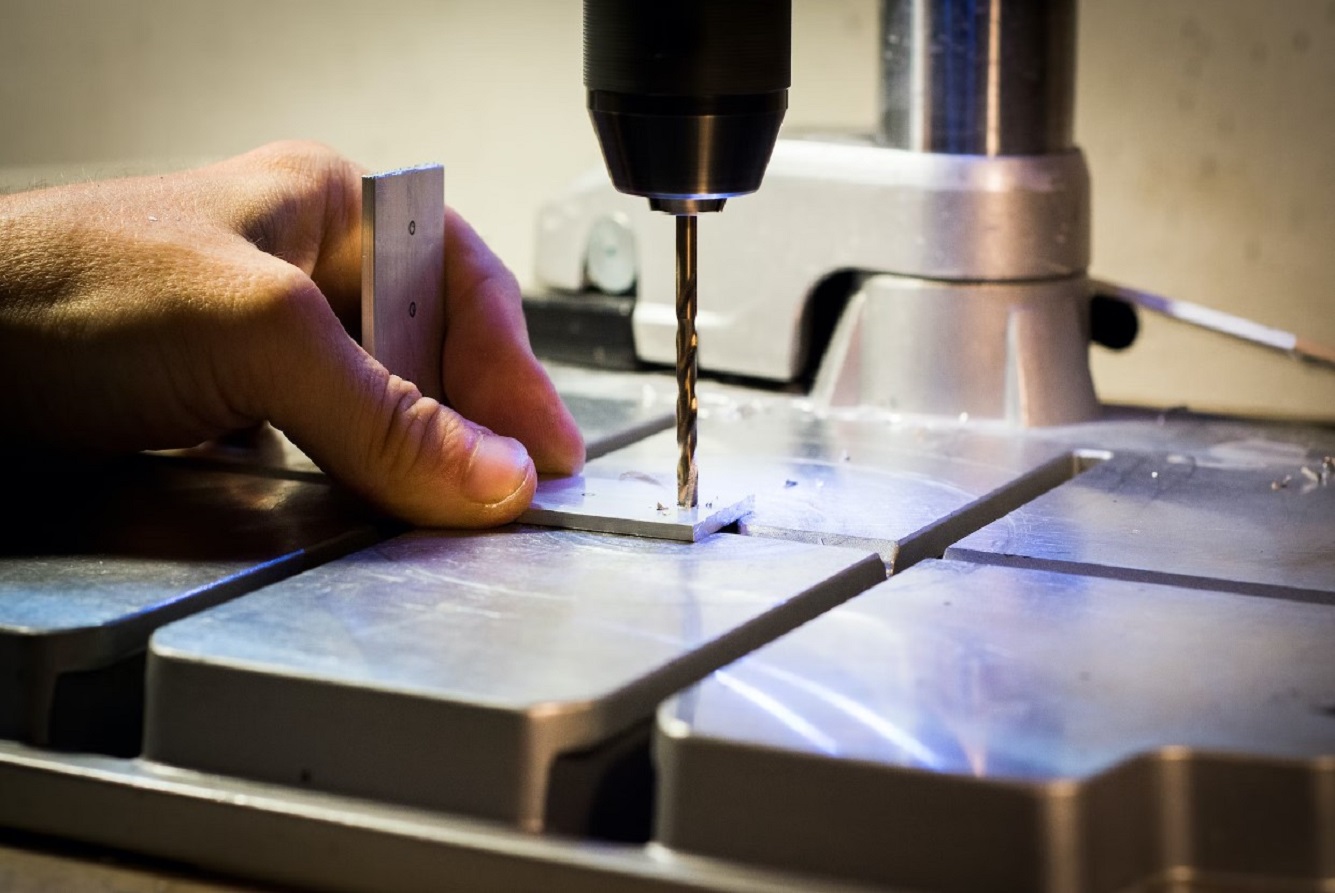
Drilling involves using a rotating metal drill bit to cut through metal and create a hole. It can handle a range of hole sizes and depths across different metals.

Role of a Center Punch for Metal in Drilling

A center punch is used before drilling to create an indentation in the metal sheet, preventing drill bits from wandering and ensuring accurate hole placement.

Advantages of Drilling Sheet Metal

Here are the multiple advantages of metal drilling:

  • Flexible hole sizing
  • Suitable for thick materials
  • Widely available tools
  • Effective for low-volume or custom work

Limitations of Drilling

Drilling also has certain disadvantages, such as:

  • Slower than punching for repetitive tasks
  • Generates heat that may affect metal properties
  • Produces burrs that require secondary finishing
  • Drill bits wear out faster on hard metals

Sheet Metal Hole Punch vs Drilling: Efficiency Comparison

Let’s compare the two methods to see which one is better:

Speed and Productivity

Punching is significantly faster, especially when creating multiple holes. Drilling takes longer due to its setup, drilling time, and cleanup.

Precision and Hole Quality

Punching delivers uniform, smooth-edged holes. Drilling accuracy depends heavily on operator skill and often requires deburring.

Material Thickness and Strength

Drilling handles very thick metal better, while punching excels in thin to medium-thickness sheets. A hydraulic metal hole punch can extend punching capabilities to thicker materials.

Cost and Operational Efficiency

Punching reduces labor time and material waste, making it more cost-efficient for repeated operations. Drilling is more cost-effective for a range of hole sizes.

Safety and Ease of Use

Punching involves less vibration and reduced risk of bit breakage. Drilling requires care to avoid slipping.

When to Choose a Sheet Metal Hole Punch?

A sheet metal hole punch is the better choice when:

  • Multiple identical holes are required
  • Clean, professional edges are essential
  • Speed and efficiency are priorities
  • Square or specialty-shaped holes are needed
  • Working with thin to medium-thickness sheets
  • Portable punches are ideal for on-site applications.

When Drilling Is the Better Option?

Drilling is more suitable when:

  • Hole sizes vary frequently
  • Very thick metal is involved
  • Specialized or deep holes are required
  • Punch tooling is not available for a specific size

Drilling can achieve accurate results when combined with a center punch.

Industry Applications and Use Cases

Here are the various use cases of punching and drilling:

  • Construction and infrastructure
  • Electrical and control panel systems
  • Industrial equipment manufacturing
  • HVAC and mechanical installations
  • Metal enclosures and frames

Conclusion

In short, punching and drilling are both useful if you know when to use which method. The blog above discussed the advantages and disadvantages in detail so that you can make the right choice for your project.

If you are a DIYer or have short-term punching and drilling needs, it’s advised to outsource, rather than investing in expensive equipment and tools.

Visit New Mexico Metals LLC, where we offer punching, drilling, notching, shearing, and other metal-related services at competitive prices.

Contact us today to learn more about our services!

Frequently Asked Questions

Que: Is a sheet metal hole punch better than drilling?

Ans: The choice of the method depends on the project’s needs. If you want multiple identical holes, punching is better, but if the hole sizes vary, drilling is recommended.

Que: Can a steel hole punch work on stainless steel?

Ans: A standard steel hole punch may struggle with stainless steel. A dedicated stainless steel hole punch is recommended for best results.

Que: What is a square hole punch for metal used for?

Ans: A square metal hole punch creates rectangular shapes for switches, outlets, and electrical enclosures.

Que: Do I need a center punch for metal before drilling?

Ans: Yes, a center punch for metal helps guide the drill bit and ensures accurate hole placement.

Que: What are the advantages of a heavy-duty hydraulic metal hole punch?

Ans: A heavy-duty hydraulic metal hole punch offers high force, reduced operator effort, clean cuts, and the ability to handle thicker metal sheets efficiently.
The Evolution of Metal Punching and Notching Tools

Metal punching and notching are two of the most vital processes in metalworking. What’s remarkable is the myriad of changes these two processes have undergone over the years.

These are used across industries to create openings, angles, and shapes in sheet metal with speed and precision. For contractors, metalworkers, and engineers, it’s vital to understand the evolution of these tools to select the best equipment for the various applications.

This blog dives into the same, discussing how sheet metal notchers and punching tools have evolved.

What is Metal Punching?

Metal punching is the process of forcing a punch through sheet metal to create a distinct shape or hole. The tool uses shear force to separate the metal within the sheet’s perimeter, without damaging the sheet.

The process is known to create:

  • Bolt holes
  • Electrical panel openings
  • Industrial brackets
  • Clean cutouts in sheet metal

Modern punching tools range from handheld punches to high-powered automated systems.

What is Metal Notching?

Notching operation in sheet metal refers to removing a metal piece from the edge or corner of a metal sheet to create bends, joints, and custom shapes. Notching is used for:

  • HVAC ductwork
  • Metal enclosures
  • Structural frames
  • Industrial equipment

A sheet metal notcher produces precise corners and angles, making it a crucial step in assembly.

Evolution of Metal Punching and Notching Tools

Modern metal punching and notching tools differ significantly from the earliest ones.

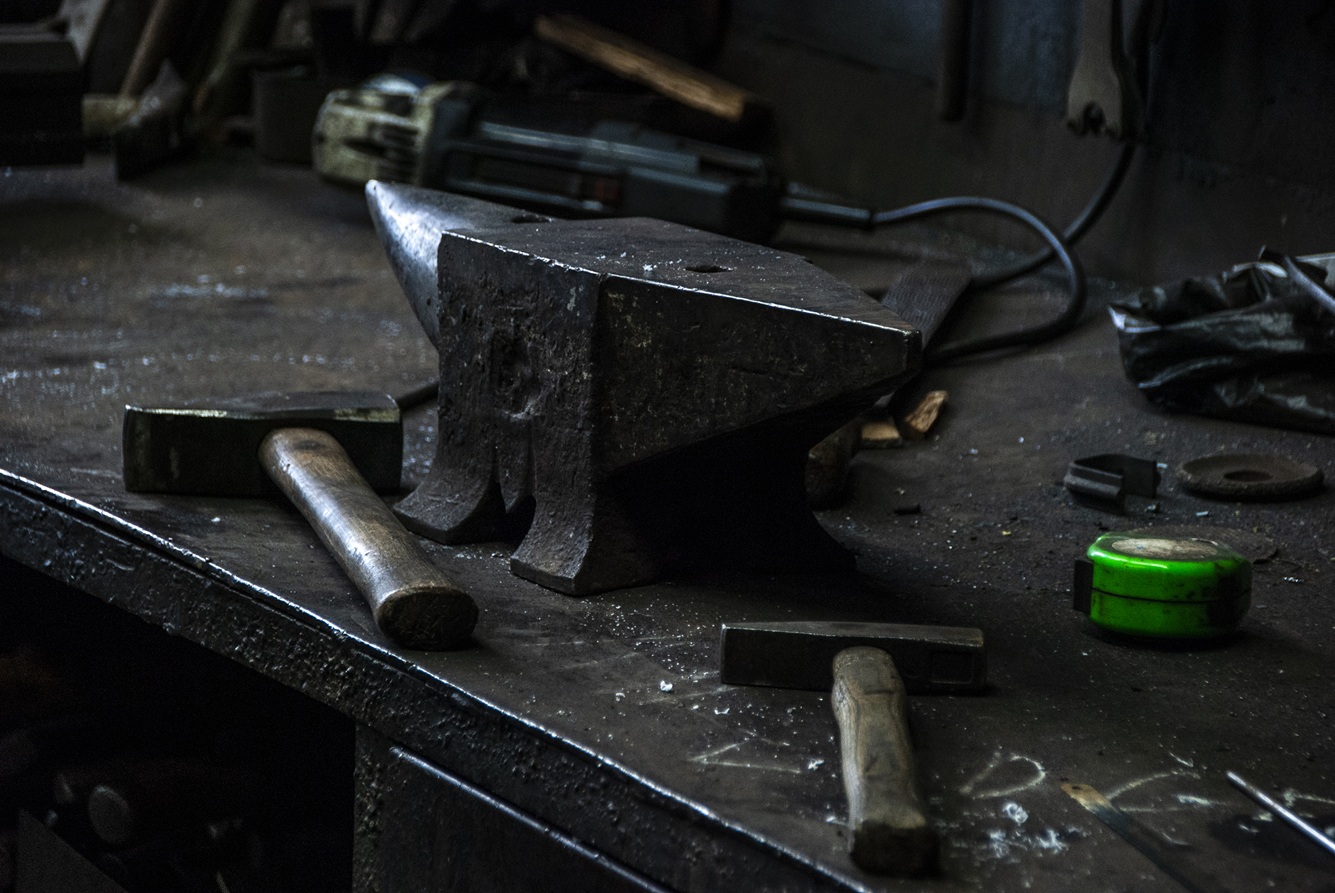
At first, metalworkers relied on chisels and hammers. Then, they moved to lever-based punch tools, making the task easier and more consistent.

It was during the Industrial Revolution that mechanical punch presses and early notching machines were introduced. They were capable of repetitive, high-volume production.

Today, punching and notching have reached new levels of sophistication:

  • Hydraulic machines are used in industrial settings. They achieve great results using their immense force and minimal effort.
  • Electric and pneumatic tools are available for both small and large jobs, offering precision and speed.
  • CNC machines are used across industries for their accuracy to fractions of a millimeter.
  • Modular dies and punch sets allow versatility for different applications.

This evolution reflects the growth of machines as needs evolved over the decades.

Types of Sheet Metal Notchers and Punching Tools

The various types of notching and punching tools differ in terms of power, speed, precision, and portability. Some of those are discussed below:

Handheld Punch Tools: These are small and portable, usually electric-powered, and ideal for smaller jobs.

Bench-Mounted Metal Hole Punch Machines: Handheld tools cannot easily penetrate thicker material, so bench-mounted machines are used because they offer greater leverage.

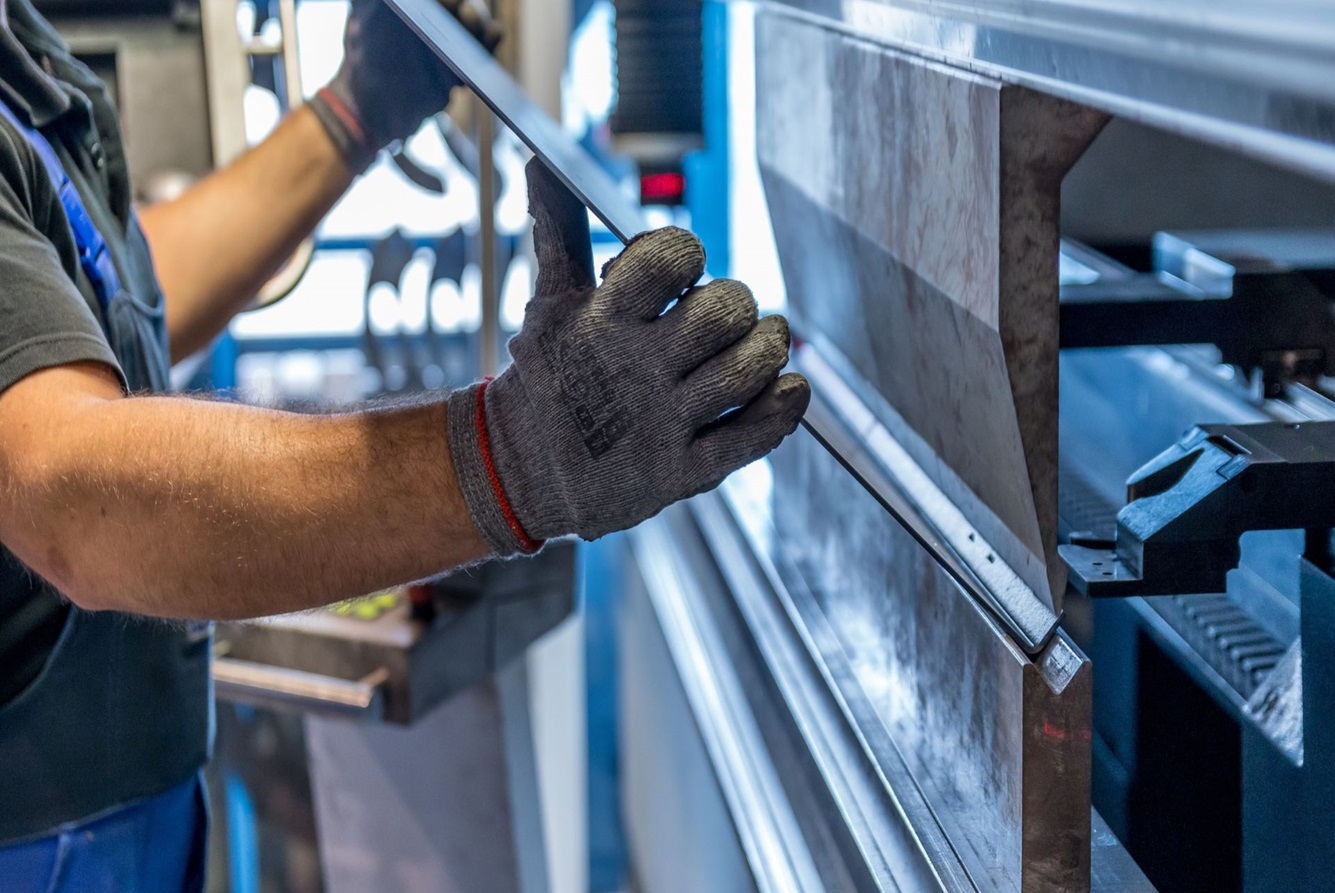
Hydraulic Sheet Metal Notchers: These are known for their immense force and clean cuts with minimal effort, making them ideal for industrial settings.

Corner Notchers: Commonly used in HVAC and structural framing, these notch corners at preset angles with precision.

CNC Punching Machines: These are automated machines that are capable of producing thousands of identical punches. These are used in high-precision industrial applications.

Key Benefits of Modern Metal Punching and Notching Tools

The evolution in metal notching and punching offers several advantages:

  • Higher precision due to refined cutting mechanisms
  • Faster production with automated systems
  • Cleaner edges and minimal deformation
  • Greater versatility across multiple metal types
  • Improved safety with modern guarding and control systems
  • Reduced operator fatigue thanks to hydraulic and electric tools

Industries that work with sheet metal benefit from the faster speed, improved performance, and consistent quality.

Choosing the Right Sheet Metal Notcher for Your Project

Selecting a sheet metal notcher might seem like an easy decision, but it isn’t, because you need to consider the following factors:

  • The material thickness you plan to notch
  • Type of angles or shapes needed
  • Volume of production
  • Power source (manual, hydraulic, electric)
  • Precision requirements

Small jobs require manual notchers, while high-precision applications require CNC metal-punching and notching tools. For heavy-duty work or frequent use, a hydraulic sheet metal notcher offers the best power.

The Future of Notching and Punching Technology

Every industry is moving towards automation and robotics. It’s not far-fetched to expect that metal notching and punching will be automated in the future, improving energy efficiency and enabling smarter operations.

Some of the expected innovations are:

  • AI-assisted cutting adjustments for enhanced accuracy
  • IoT-enabled punch machines that track performance
  • Eco-friendly power systems reduce energy consumption
  • Advanced composite dies for longer service life

Conclusion

Metal punching and notching have come a long way from their early manual origins. Today’s tools, whether simple metal punches or high-powered hydraulic notchers, deliver unmatched precision, convenience, and efficiency.

Not every company can invest in modern metal notching and punching tools. You need the services of a metal notching and punching expert to achieve greater accuracy, smoother operations, and enhanced safety. Contact New Mexico Metals today!

Frequently Asked Questions

Que: What is the difference between metal punching and metal notching?

Ans: Metal punching removes metal from within the perimeter of a sheet of metal, while metal notching removes metal from the corners or edges, making it fit for assembly or bends.

Que: What is a notching operation in sheet metal used for?

Ans: It refers to removing material from specific locations on sheet metal to allow bending, forming, and assembly.

Que: What are the advantages of using a hydraulic sheet metal notcher?

Ans: Hydraulic sheet metal notchers offer precise results, fast operation, and can handle tougher metals.

Que: Can metal punching and notching be done on all types of metals?

Ans: Meta punching and notching tools work on almost all metals, including copper, aluminum, brass, steel, and special alloys.

Que: How has technology improved metal punching and notching tools?

Ans: Modern tools feature hydraulic systems, CNC automation, improved blade alloys, enhanced safety systems, and high-precision controls.

How Does Sheet Metal Punching Process Work?

Have you ever wondered how holes are created in any metal sheet? Metals are hard and even harder to cut, punch, or saw. Then how are these holes created?

If you don’t belong to the metal industry, you might not be aware of the sheet metal punching process.

Every industry uses this process as it is an indispensable one. For creating holes, cutouts, and carving any shapes in the metal, sheet metal punching is used. Different metal working tools are used to punch sheet metal.

This blog will teach you about sheet metal punching and which machines are used.

What is Sheet Metal Punching?

Sheet metal punching is the process of creating holes, cutouts, or shapes in a metal sheet. It requires shear force to ensure that precise and accurate holes are carved. Generally, a punch and die set is used, wherein a metal sheet is kept between both, and the punch carves a shape.

Is Metal Punching and Notching Same?

People are often confused between the two terms as both are applied for removing metal from a metal sheet.

There is a clear distinction between both. Metal punching is applied to remove undesired material within the perimeter of the sheet metal. On the other hand, metal notching removes material from the sheet’s perimeter.

While both processes remove metal from the sheet, their uses and applications differ.

Which Machines Are Used in the Metal Punching Process?

There are different metal punching machines which are used in various operations and settings:

CNC Metal Punching: This is a modern method of sheet metal punching, where computer-programmed machinery undertakes the task. These machines are known for their precision and the ease with which they can create complex shapes for large-scale production.

Hydraulic Punch Press: A hydraulic punch press uses hydraulic power to create holes and cutouts in sheet metal. These machines can easily punch thicker materials and are used in heavy-duty applications.

Pneumatic Punch Press: A pneumatic punch press uses compressed air to generate the shearing force. These are lightweight machines used in smaller workshops. These machines are generally used for DIY and small-scale operations.

Hand-Powered Machines: Hand-powered machines can be completely manual or electric-powered. They require the skills of an expert to carve holes in a sheet. They are used for manual tasks and are not suitable for large-scale operations. Also, they are portable, which is an added benefit.

Laser Punching Machines: Laser technology is widely used in metal fabrication. It is also used in metal punching, wherein a high-powered laser creates precise and accurate holes without creating burred edges or wasting material.

Turret-Punch Press: These machines have a rotating punch with multiple tools that can carve different shapes without switching the machine. In the manufacturing industry, where time is of the essence, these machines ease operations.

How Does Punching Work?

Here is a common punching process for different machines discussed above:

Material Loading: This is the first step, wherein a metal sheet is loaded on the punch bed. Even in manual punching, material loading is required, whether you keep the metal on a table or a proper punching press.

Positioning and Clamping: The metal sheet must be positioned and clamped down for accurate punching at the desired points. During punching, as the shear force is applied, the metal might slip or jump, risking the safety of the workers and the machine. Thus, clamping is very crucial. In automatic machines, the metal sheets are often positioned and clamped by the machine itself.

Programming the Machine: This step is used for every other machine besides hand-powered machines. Be it CNC, laser, or turret punch, the program is fed to the computer so desired holes and shapes are punched.

Punching: This process differs from machine to machine. In hydraulic, CNC, and pneumatic machines, the punch powerfully descends on the sheet metal carving hole. In a turret punch, the rotating tool descends slowly and carves the metal with its sharp edge over the metal sheet. As for laser punching, the laser slowly moves in a specific direction to carve the punch.

Material Removal: A collection bed beneath the sheet metal is where the removed metal parts are collected. This is scrap, which is later recycled.

How Does New Mexico Metals LLC Overcome Punching Challenges?

There are indeed certain challenges in metal punching, such as:

Burr Formation: It is a common challenge that results from the lack of expertise and the right tools. The burrs on the edges affect aesthetics.

Material Thickness: It is evident that the thicker the material, the more challenging it is for the metal worker. Thick metals require a hydraulic press to remove the metal effectively.

Tools Wear and Tear: Metal punching tools have a low shelf life. Using worn-out tools and machines poses challenges.

Due to our expertise, we have succeeded in overcoming these challenges.

Our biggest tool is our expertise and our trained workforce. We understand the metal and use the right tools to create beautiful punches without affecting the metal’s strength and quality.

The second is investment in the right machines. We use GEKA Bendicrop 60S Universal Ironworker to deliver the promised quality.

The experience we have gained over the years, our investments in advanced machines, and a trained workforce are the reasons for our success.

Final Words

This blog has comprehensively covered everything about metal punching. Whether you are a small workshop owner or a DIY enthusiast interested in metal punching, this blog will help you.

For more information or metal punching needs, visit New Mexico Metals LLC today!

An Overview of How Metal Punching Process Works

Overview of How Metal Punching Process Works

With the inception of the Industrial Revolution, many industries switched from manual production processes to machine-aided ones. Metalworking is one such industry that has seen a significant change in the way products are manufactured.

In earlier times, metal objects were created by hot forging or cold forging methods. However, with the advent of technology, a new method was developed – Punching.

In this article, we’ll take a comprehensive look at how punching works – from the different types of equipment used to the various steps involved in the process.

What is Metal punching?

This is a process involving the use of specialized tools to create shapes, holes, or indentations in pieces of metal. The process can be performed by hand or using machine power, and is commonly used to create components for everything – from jewelry to aircraft.

Tools used to facilitate the punching process

This metal forming process involves the use of two important tools – punches and dies.

Punches are the cutting tools that create the shapes, holes, or indentations in the metal, while dies are specialized shapes that guide the punches to ensure accuracy.

Dies can be either single-stage or multi-stage – with multi-stage dies being more complex (and expensive) but also capable of creating more intricate shapes.

The punching process

A machine known as a punch press is used in the punching process. Punch presses work by using a die (a negative mold) to create the desired shape in the metal.

The metal is placed on top of the die, and then a punch (a positive mold) is used to push the metal into the die.

Once the metal has been punched, it can then be further processed into a desired form. This is done using a variety of different tools, depending on the type of metal being used and the desired final product.

Steps involved in the punching process

Depending on the type of project you’re working on, the order of these steps may vary slightly – but in general, most metal punching projects will follow these six steps:

1. Marking and Measuring

The first step is to mark and measure the metal piece to ensure that the punches will be placed in the correct location.

2. Layout and Drilling

In this step, the layout of the holes, shapes, or indentations to be created must be planned out – sometimes using a software program.

Once the layout is complete, pilot holes can be drilled or pilot indentations are hammered into the metal piece to help guide the punches.

3. Punching

This is the actual punching step, during which the punches are inserted into the pilot holes or indentations and used to create the desired shape in the metal.

4. Deburring

Once the punching is complete, any sharp edges on the metal piece must be removed – a process known as deburring.

5. Inspection

After deburring, the metal piece will be inspected to ensure that it meets all the requirements for the project.

6. Cleaning

The final step is to clean the metal piece, removing any debris or residue left behind by the punching process.

Key Takeaway

Whether you’re a hobbyist working on a small project or an industrial manufacturer, understanding the basics of the metal punching process is essential to creating high-quality parts.

If you’re looking for steel punching services in Albuquerque, New Mexico Metals LLC is your one-stop shop. We offer a variety of services, including custom metal fabrication, to meet your needs.

Contact us today to learn more about what we can do for you!