Sheet Metal Hole Punch vs Drilling: Which Is More Efficient?

Clean, accurate holes on metal sheets are common requirements across many industries. Two of the most common methods to do this are metal punching and drilling. Each method has distinct advantages and strengths, as well as limitations and ideal use cases.

When working with sheet metal, it can be confusing to weigh the benefits of the two methods and choose the right one for your project. It is important because it impacts productivity, cost, and overall project quality.

If you have also faced this dilemma, this blog is for you. It compares the two methods in detail and helps you determine which is more efficient for your specific needs.

Read on!

Understanding Sheet Metal Hole Punching

This process involves creating holes by applying shear force with a punch and die set. Unlike drilling, which uses a rotating drill, punching creates clean, accurate holes with a single motion.

Punching is widely used because it produces consistent hole sizes with smooth edges. The precise results are obtained using a range of tools, from manual punches to powered tools, including a hydraulic metal hole punch.

Types of Metal Hole Punches

Check out the different types of metal hole punches:

Steel Hole Punch

A steel hole punch is designed specifically for mild steel and carbon steel sheets. Steel is tougher than some metals and softer than others, and thus, specific steel hole punches are used to achieve clean, round holes in construction and industrial applications.

Stainless Steel Hole Punch

A stainless steel hole punch is built to handle harder materials without excessive wear. It ensures precise holes while preserving the strength and finish of stainless steel sheets.

Square Hole Punch for Metal

A square hole punch is no different than a regular punch, but creates rectangular shapes, instead of round ones. It is required for electrical panels, enclosures, and switch boxes. These shapes are harder to achieve accurately with drilling alone.

Heavy Duty Hydraulic Metal Hole Punch

These punches use hydraulic power to deliver high cutting force, cutting through thick, hard metal with minimal effort. It is a fast, efficient method for punching and is widely used across heavy-duty industries.

Benefits of Using a Sheet Metal Hole Punch

Using a sheet metal hole punch offers several advantages over drilling:

  • Faster hole creation with a single motion
  • Clean edges with minimal burrs
  • Consistent hole size and shape
  • Reduced tool wear compared to drill bits
  • Less heat generation, preserving material integrity

Punching is especially effective when multiple holes are required in a consistent pattern.

Sheet Metal Drilling

Check out how drilling works, the advantages of using sheet metal, and its advantages:

How Drilling Works for Metal Sheets?

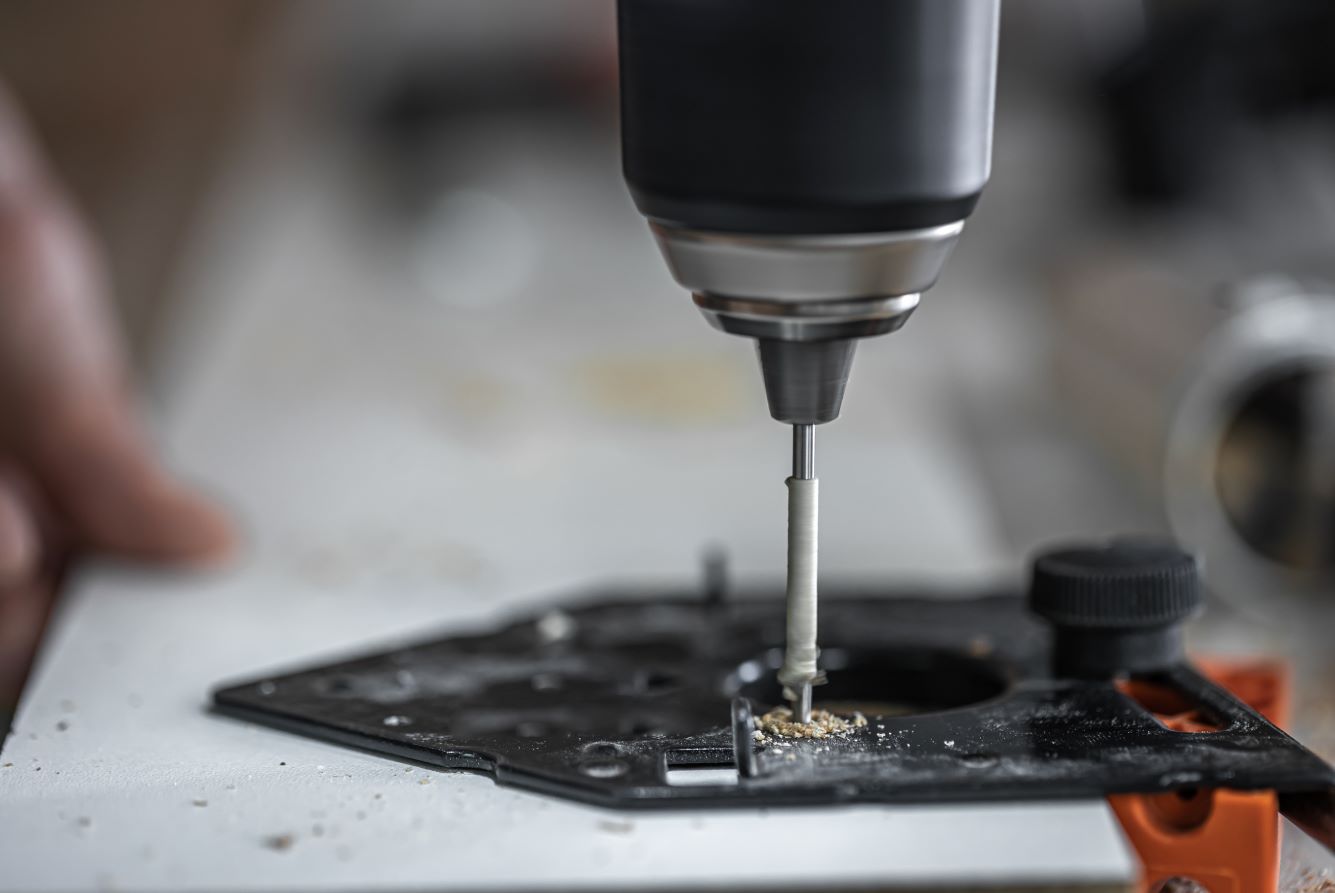
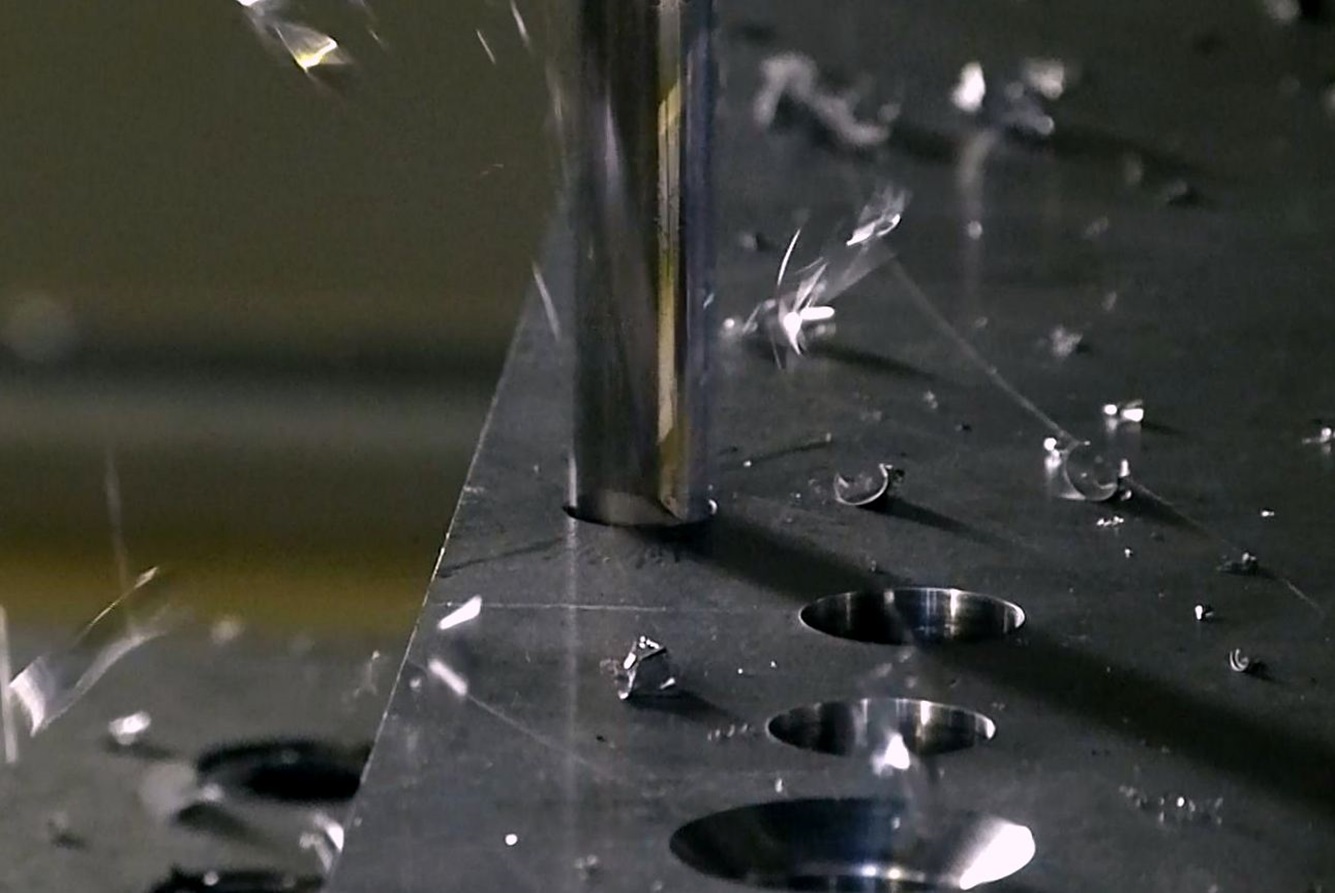
Drilling involves using a rotating metal drill bit to cut through metal and create a hole. It can handle a range of hole sizes and depths across different metals.

Role of a Center Punch for Metal in Drilling

A center punch is used before drilling to create an indentation in the metal sheet, preventing drill bits from wandering and ensuring accurate hole placement.

Advantages of Drilling Sheet Metal

Here are the multiple advantages of metal drilling:

  • Flexible hole sizing
  • Suitable for thick materials
  • Widely available tools
  • Effective for low-volume or custom work

Limitations of Drilling

Drilling also has certain disadvantages, such as:

  • Slower than punching for repetitive tasks
  • Generates heat that may affect metal properties
  • Produces burrs that require secondary finishing
  • Drill bits wear out faster on hard metals

Sheet Metal Hole Punch vs Drilling: Efficiency Comparison

Let’s compare the two methods to see which one is better:

Speed and Productivity

Punching is significantly faster, especially when creating multiple holes. Drilling takes longer due to its setup, drilling time, and cleanup.

Precision and Hole Quality

Punching delivers uniform, smooth-edged holes. Drilling accuracy depends heavily on operator skill and often requires deburring.

Material Thickness and Strength

Drilling handles very thick metal better, while punching excels in thin to medium-thickness sheets. A hydraulic metal hole punch can extend punching capabilities to thicker materials.

Cost and Operational Efficiency

Punching reduces labor time and material waste, making it more cost-efficient for repeated operations. Drilling is more cost-effective for a range of hole sizes.

Safety and Ease of Use

Punching involves less vibration and reduced risk of bit breakage. Drilling requires care to avoid slipping.

When to Choose a Sheet Metal Hole Punch?

A sheet metal hole punch is the better choice when:

  • Multiple identical holes are required
  • Clean, professional edges are essential
  • Speed and efficiency are priorities
  • Square or specialty-shaped holes are needed
  • Working with thin to medium-thickness sheets
  • Portable punches are ideal for on-site applications.

When Drilling Is the Better Option?

Drilling is more suitable when:

  • Hole sizes vary frequently
  • Very thick metal is involved
  • Specialized or deep holes are required
  • Punch tooling is not available for a specific size

Drilling can achieve accurate results when combined with a center punch.

Industry Applications and Use Cases

Here are the various use cases of punching and drilling:

  • Construction and infrastructure
  • Electrical and control panel systems
  • Industrial equipment manufacturing
  • HVAC and mechanical installations
  • Metal enclosures and frames

Conclusion

In short, punching and drilling are both useful if you know when to use which method. The blog above discussed the advantages and disadvantages in detail so that you can make the right choice for your project.

If you are a DIYer or have short-term punching and drilling needs, it’s advised to outsource, rather than investing in expensive equipment and tools.

Visit New Mexico Metals LLC, where we offer punching, drilling, notching, shearing, and other metal-related services at competitive prices.

Contact us today to learn more about our services!

Frequently Asked Questions

Que: Is a sheet metal hole punch better than drilling?

Ans: The choice of the method depends on the project’s needs. If you want multiple identical holes, punching is better, but if the hole sizes vary, drilling is recommended.

Que: Can a steel hole punch work on stainless steel?

Ans: A standard steel hole punch may struggle with stainless steel. A dedicated stainless steel hole punch is recommended for best results.

Que: What is a square hole punch for metal used for?

Ans: A square metal hole punch creates rectangular shapes for switches, outlets, and electrical enclosures.

Que: Do I need a center punch for metal before drilling?

Ans: Yes, a center punch for metal helps guide the drill bit and ensures accurate hole placement.

Que: What are the advantages of a heavy-duty hydraulic metal hole punch?

Ans: A heavy-duty hydraulic metal hole punch offers high force, reduced operator effort, clean cuts, and the ability to handle thicker metal sheets efficiently.
Mastering Metal Drilling Techniques: A Guide for DIY Enthusiasts

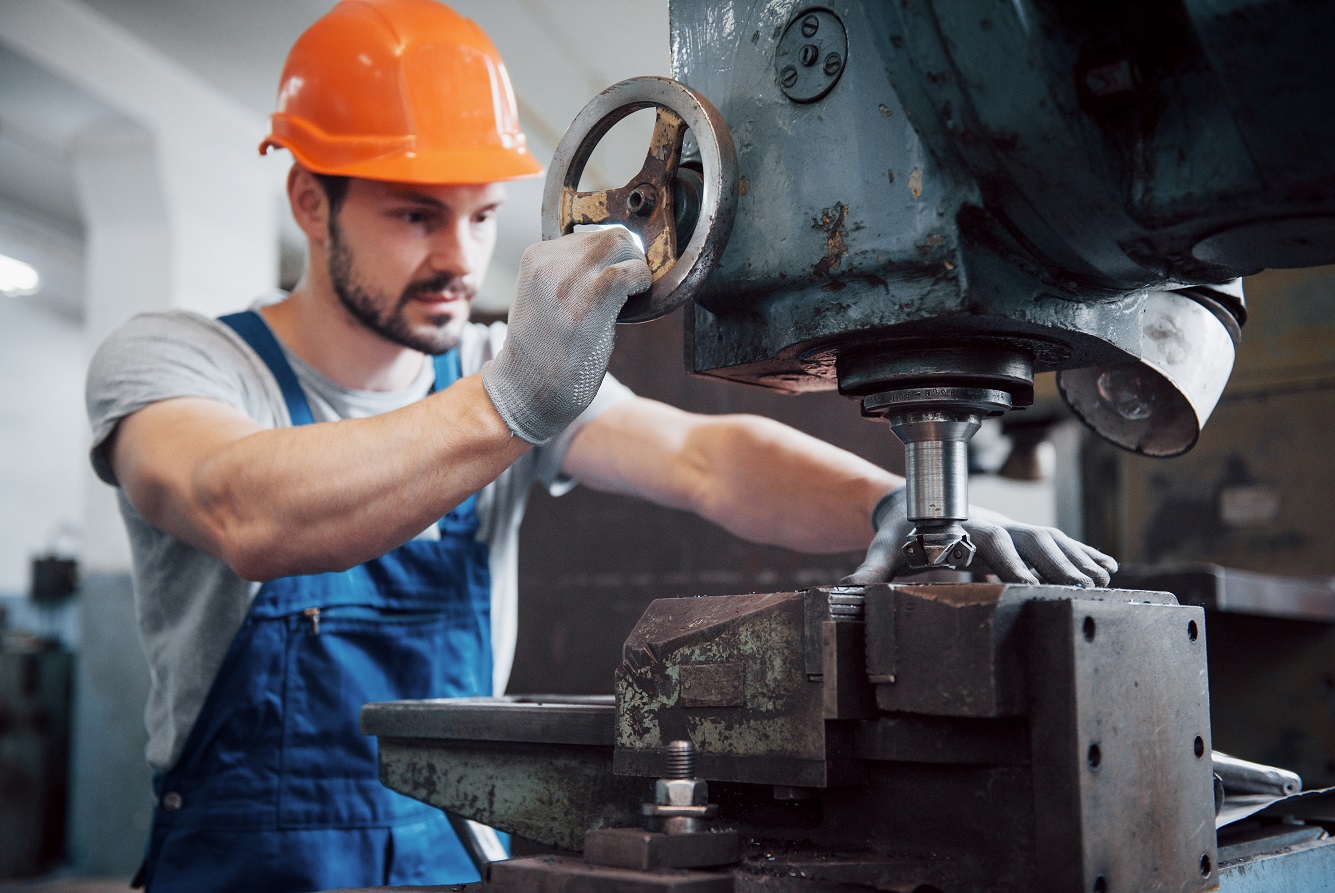
Multiple projects at home also require metal drilling. Drilling one simple hole in a metal sheet requires skill, and you cannot always rely on experts.

However, if you are attempting it yourself, you should always learn from the best to do it right when you undertake the drilling project.

For all DIY enthusiasts, if you are looking for a guide on the best metal drilling techniques, you are on the right page.

We are New Mexico Metals LLC, the best steel supplier in Albuquerque and metal drilling experts. If you get stuck, you can always approach us for your project, and we’ll be happy to help you out!

Let’s dive into the best metal drilling DIY guide now.

Understanding Metal Drilling

Metal drilling refers to creating holes in metal for multiple purposes, including product assembly, ventilation, etc. Metal drilling is not as straightforward as drilling wood or plastic, as metal is very hard and requires the right skill set to achieve excellence. In addition, understanding the tools at your disposal and the metal you are drilling is crucial for effective drilling.

Metal Drilling Essentials

You need the right tools to achieve the greatest results and excellence in your work. Here is a list of all the metal drilling essentials.

Drill

Of course, you need a drilling machine if you are drilling. There are two types of power drills that you can use: hand drills and power drills. Hand drills are manual, and you must rotate them bit by bit to carve a hole. On the other hand, power drills are the most common type of drill, and they are widely used in metal fabrication. They are powered by electricity and are quite easy to carve holes with.

Drill Bits

A drill cannot work without its drill bits. Drill bits are small, pointed tools that are an indispensable part of the drilling machine. When rotated, they scoop off the metal from the sheet. There are different types of drill bits, such as cobalt, stainless steel, HSS, etc.

Lubricants

As the metal is drilled, it generates heat, which can damage the drill bits and the metal itself. Thus, lubricants are used to reduce friction and improve drill quality.

Workstation

For every metal project, you need a stable, clean, and clutter-free workstation. This will contribute to the stability of the metal piece under operation and allow effective metal drilling. Ensure that your metal workstation is at the right height and can bear the brunt of machines. If you are not investing in multiple tools, you can use a table as your workstation.

Clamps

Clamps or vises are essential for every metal fabrication technique. They secure the metal workpiece in place and prevent movement during drilling.

Center Punch

A center punch is a tool for creating an indentation in the metal before using the drilling machine.

Deburring Tool

A deburring tool is used to remove any sharp edges or burrs from the drilled hole for a clean finish.

These essential tools must be in your garage before you commence any drilling project. If you need help, call us at New Mexico Metals LLC for expert metal drilling services in Albuquerque.

Selecting the Right Metal Drill Bits

Many DIY enthusiasts claim to have all the right tools but still end up with a messed-up drilling job. The reason might be choosing the wrong drill bit, which makes all the difference in metal drilling operations.

Here are some factors you should consider when choosing a metal drill bit.

Material Compatibility

Is your drill bit compatible with the metal that you are drilling? Understanding metal properties is crucial here. Cobalt or carbide drill bits must be preferred when drilling stainless steel or titanium. You can also use HSS drill bits for multiple metals.

Size and Diameter

You must choose the drill bit based on the desired size and diameter of the hole. Using an oversized or undersized drill will pose challenges.

Point Angle

Drill bits come in different point angles, such as 118 degrees or 135 degrees. Choose one based on metal type and thickness.

Specialized Bits

These drill bit types are used for specific operations such as enlarging existing holes or creating countersinks.

Metal Drilling at New Mexico Metals LLC

Drilling metal is a task that should generally be undertaken by those with more experience. It requires specialized tools, a certain skill set, and expert knowledge, making it advisable to seek professional assistance for such projects. So, if your DIY metal drilling project did not succeed, or you require any help, visit us at New Mexico LLC, the best steel supplier in Albuquerque.


Frequently Asked Questions

Que: How can drill bit breakage be prevented during drilling?

Ans: The answer lies in choosing the right drill bit for the project. Always use a sharpened and well-aligned drill for effective metal drilling. Also, use lubricant to avoid excessive heating.

Que: Can I use regular drilling bits?

Ans: Regular drill bits are good, but they cannot be used to drill different metals. You can utilize them for aluminum or copper but not for other harder metals.

Que: Is there a certain speed for drilling metals?

Ans: Yes, the speed of metal drilling depends on the material thickness, the type of hole you need, the size and type of drill bit, etc.

Cutting-Edge Tools for Metal Drilling: An Overview

metal drilling services albuquerque

Be it the manufacturing of a small mechanical part or an aircraft, metal drilling is essential. It refers to drilling holes in the metal to help join parts or create cutting-edge tools with the metal. If you manufacture a metal product and want to ensure the quality, you must know that precise, efficient, and high-quality drills are needed, which minimize waste and assure accuracy.

In this blog, we will explore the advancements in metal drilling technology and the innovative tools that have revolutionized the process. From drill bits to drilling machines, let’s delve into the world of cutting-edge tools for metal drilling.

For metal drilling services in Albuquerque, contact Mew Mexico Metals LLC only.

High-Speed Steel Drill Bits (HSS)

HSS drills are popular in the drilling world as they are known for their efficiency. These drills contain carbon alloys and other alloying elements such as tungsten and molybdenum. These alloys provide enhanced hardness, heat resistance, and durability, making HSS drill bits suitable for drilling through various metals, including steel, aluminum, and copper alloys.

Advancements in HSS drill bits have resulted in improved geometries and coatings. Enhanced flute designs enable efficient chip evacuation, reducing heat buildup and extending tool life. Additionally, advanced coatings like titanium nitride (TiN) and titanium aluminum nitride (TiAlN) enhance the drill bit’s hardness, wear resistance, and lubricity, resulting in faster cutting speeds and improved performance.

Carbide Drill Bits

For tougher metals, you need something tough to drill with. That’s why carbide drill bits are used for metal drilling, as they can easily drill tougher metals.

These bits are exceptionally hard and heat resistant. Made of carbide, tungsten, and carbon, they drill tough materials, including cast iron, stainless steel, and hardened steel.

When the two tough metals collide, it produces considerable heat, but carbide drills have high wear resistance and can withstand high temperatures during drilling, thus offering superior performance. The hardness and heat resistance combination allows carbide drill bits to maintain sharpness for longer durations, resulting in improved productivity and reduced downtime. When you must choose between carbide or cobalt drill bits, go for carbide drill bits as they stay sharper for longer.

Cobalt Drill Bits

These are a perfect substitute for carbide drill bits as they are heat resistant and can cut through hard metals, including copper, brass, stainless steel, hardened steel, cast iron, etc. Cobalt is the alloying element in these bits. These are a mixture of high-speed steel and 5-8% cobalt.

These drills are better than HSS drills due to cobalt which makes them extremely impactful on the metal and ensures extra strength and durability. These are wear-resistant and heat-resistant. Besides cutting hard metals, cobalt drill bits can also cut softer materials like wood and plastic.

Diamon-Coated Drill Bits

Diamond is made of carbon, the hardest known natural element. It is used for various processes, such as medical appliances, cutting machines, etc. Diamond-coated drills are used for drilling hard materials, such as glass, composites, and ceramics. Diamond-coated drill bits feature a layer of industrial-grade diamond particles on the cutting surface, which provides exceptional hardness and wear resistance. It can be said that diamond-coated drill bits can cut through anything smoothly and effectively.

The diamond particles give the drills the required hardness and impact, which ensures that holes are precise and efficient. There is no chipping or cracking of the material. Accuracy is the added benefit of these bits. There is no noise or excessive scrap produced.

In addition, these drill bits are suitable for every working environment.

Advanced Drilling Methods

Advanced drilling machines, besides the drill bits, have also revolutionized metal drilling services in Albuquerque.

CNC or Computer Numerical Controlling machines use computer programs to place holes accurately and allow for precise control and automation of the drilling process. The computer itself monitors the entire drilling operation, and there is no place for human error. It improves productivity in drilling operations as the machine ensures consistent hole placement and depth.

Magnetic drilling machines, also known as mag drills, are portable and efficient tools for drilling holes in metal. These machines use a strong electromagnet to secure the drill onto the workpiece, providing stability and precision. Mag drills are commonly used in construction, fabrication, and maintenance applications where portability and versatility are essential.

Metal Drilling Services in Albuquerque

Evolving with time and incorporating new technologies in the processes is necessary for businesses to survive. Thus, at New Mexico Metals LLC, we always employ state-of-the-art technology to complete operations. We believe in delivering quality; therefore, we have a ¾ HP 17” Dayton Press drill to drill any hole size. We are here for you, no matter what metal or material you need to be drilled.

Visit us for quality metal drilling services in Albuquerque!

5 Metal Drilling Tips for Making Holes in Hard Metal

5 Metal Drilling Tips for Making Holes in Hard Metal

If you are a DIY enthusiast who loves working with metals, you probably have encountered the difficulty of making holes in hard metal. It is not an easy feat, but with the right tools and techniques, you can make perfect holes in any type of hard metal, whether it’s aluminum, steel, or something else entirely.

This article will give you 5 metal drilling tips to help you make holes in hard metals like a pro!

1.    Pick the right drill press

A drill press is a must-have if you often work with metals and other materials. This press allows for precise drilling and provides stability when drilling. Drill presses are made to handle different kinds of metal.

Less powerful drill presses are sufficient when working on softer metals. However, hard metals like cast iron and hardened steel require powerful drill presses that can manage the extra torque.

2.    Choose the right bit

Most drill bits are made using high-speed steel and can drill effectively through most metals, including other materials like plastic and wood. However, if you need to drill holes through hard metals, you will require a different bit.

Drill bits made from cobalt blend or black oxide are most suited for hardened metals. Bits made from black oxide are of superior quality and last 50% longer than high-speed steel (HSS).

Although a bit pricey, these drill bits have an extra 5 – 8% cobalt, making them more resilient, sharper, and heat resistant.

3.    Lubricate your bits

Some people don’t find it necessary to use a lubricant when drilling softer metals. Drilling hard metals require cutting oil or a multi-purpose oil for lubrication. Lubrication makes the metal drilling process easier and helps your bits remain sharp by reducing friction and keeping the bits cool.

4.    Start by drilling the pilot hole

A pilot hole is a small hole you drill before making the actual hole. The pilot hole helps to ensure that your bit doesn’t wander when you start drilling the larger hole. It also helps to prevent the bit from slipping and breaking.

When making a pilot hole, use a smaller bit than the one you plan on using for the final hole, and drill slowly. This will make it easier to drill the larger hole and get a clean, accurate result.

5.    Apply slow drilling speed and the right pressure

Setting the right speed and applying the appropriate downward pressure when drilling is vital. The rule of thumb in drilling is to slow it down as much as possible.

Going with lower speeds of up to 3000 RPM for smaller bits and 1500 RPM for larger bits will ensure you don’t damage your bits and that your drilling is accurate.

Also, as you drill slowly, apply a downward pressure that is firm and steady enough to produce long shavings. If you are getting tiny shavings or dust particles, it’s a sign that you are not applying enough pressure or that the drill tip is dull and in need of re-sharpening.

Key Takeaway

Drilling holes in hard metals is not as difficult as it may seem. By using the right tools, lubrication, and technique, you can achieve perfect holes without any trouble. Remember to take your time when drilling and to apply firm and steady pressure for the best results.

If you need help with any project that requires drilling through hard metals or have any questions, feel free to contact New Mexico Metals LLC.  We are the leading experts in this field and would be happy to offer our assistance. Contact us today for all your metal drilling needs!