Which Stainless Steel Tube Fittings Are Used in Industry?

Summary

Stainless steel tube fittings play a critical role in industrial systems where safety, durability, and precision are essential. These are used across several industries, including oil and gas, food processing, chemical plants, and power generation. These fittings are crucial for leak-free connections and reliable fluid or gas flow.

This blog highlights the importance of these tube fittings, the most common types used across industries, and which grade is best suited for which industry.

The key highlights are:

  • The role that stainless steel suppliers play in ensuring quality
  • How tube fittings integrate with tubing, coils, pipes, and mesh
  • Selecting the right fittings for specific applications

Industries work with numerous sensitive materials, including gases, chemicals, and various fluids. They need secure connections to transport these materials, and that’s where stainless tube fittings come in.

These are widely used in industrial environments due to their strength, corrosion resistance, and durability.

However, selecting the right material and grade makes a lot of difference. This blog discusses the common types used across industries and why having the right stainless steel tubing suppliers on board is vital.

What Are Stainless Steel Tube Fittings?

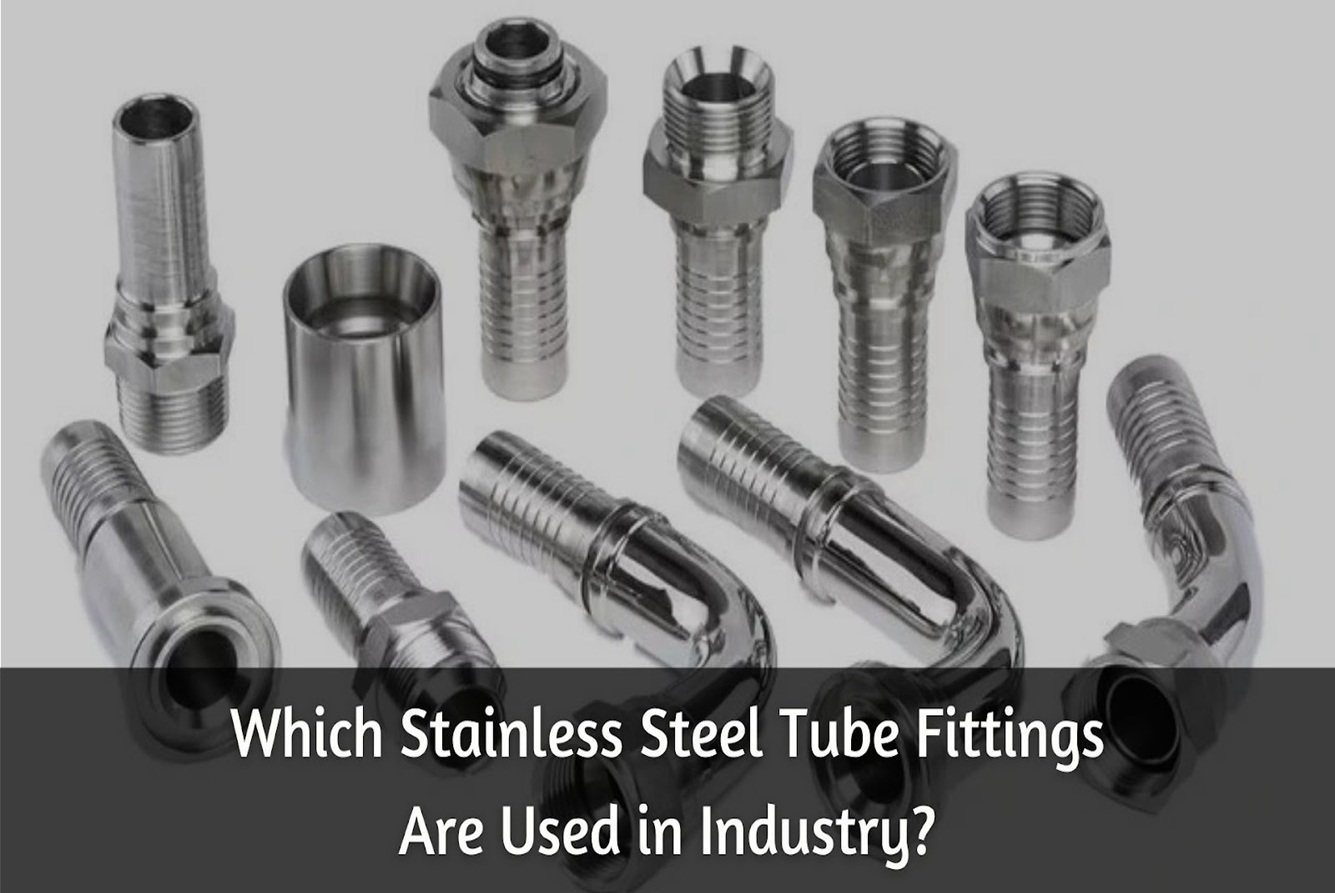
Stainless steel tube fittings are components that connect, terminate, control, or adapt stainless steel tubing within a system. These differ from welded joints and allow for disassembly and maintenance without damaging the tubing.

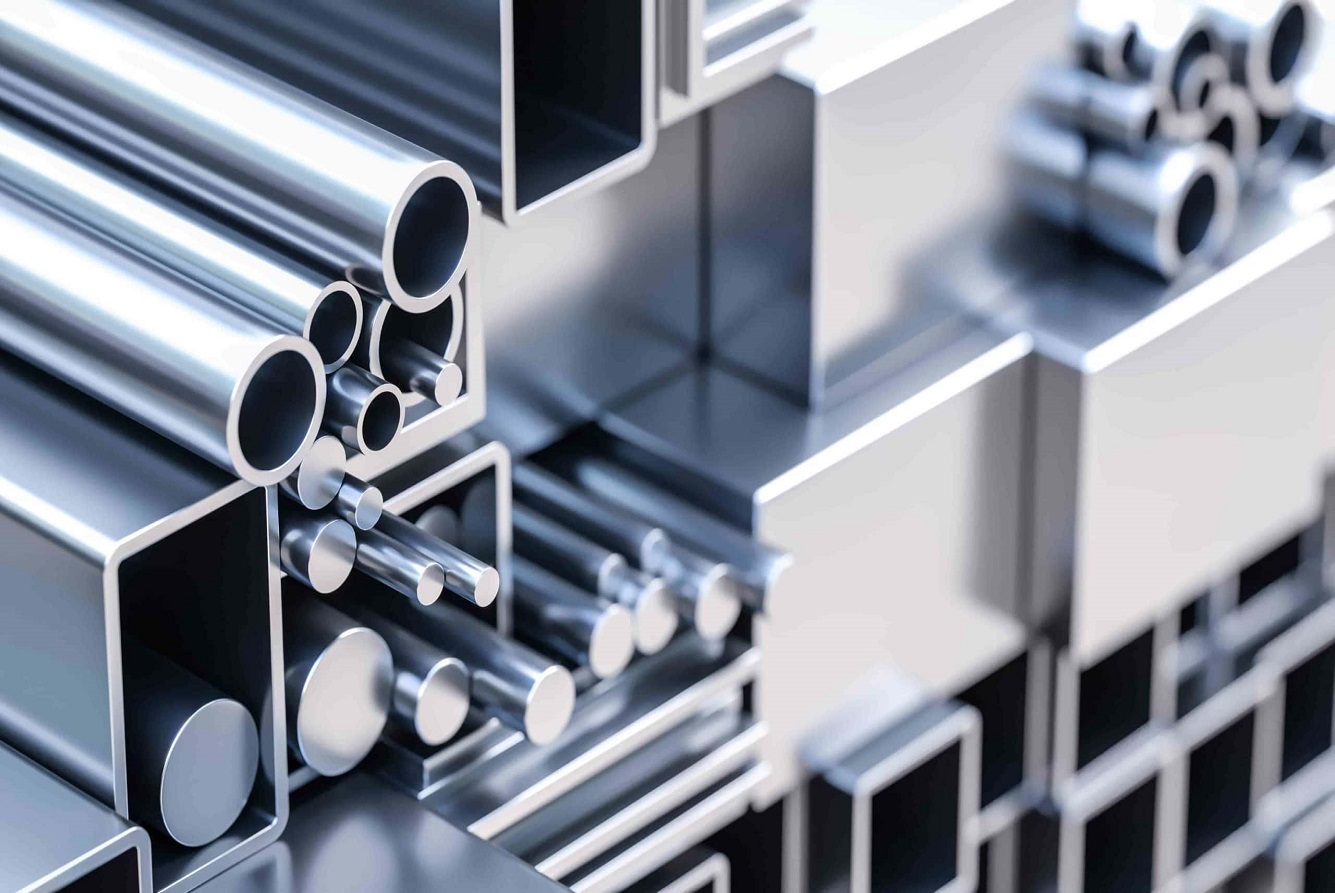
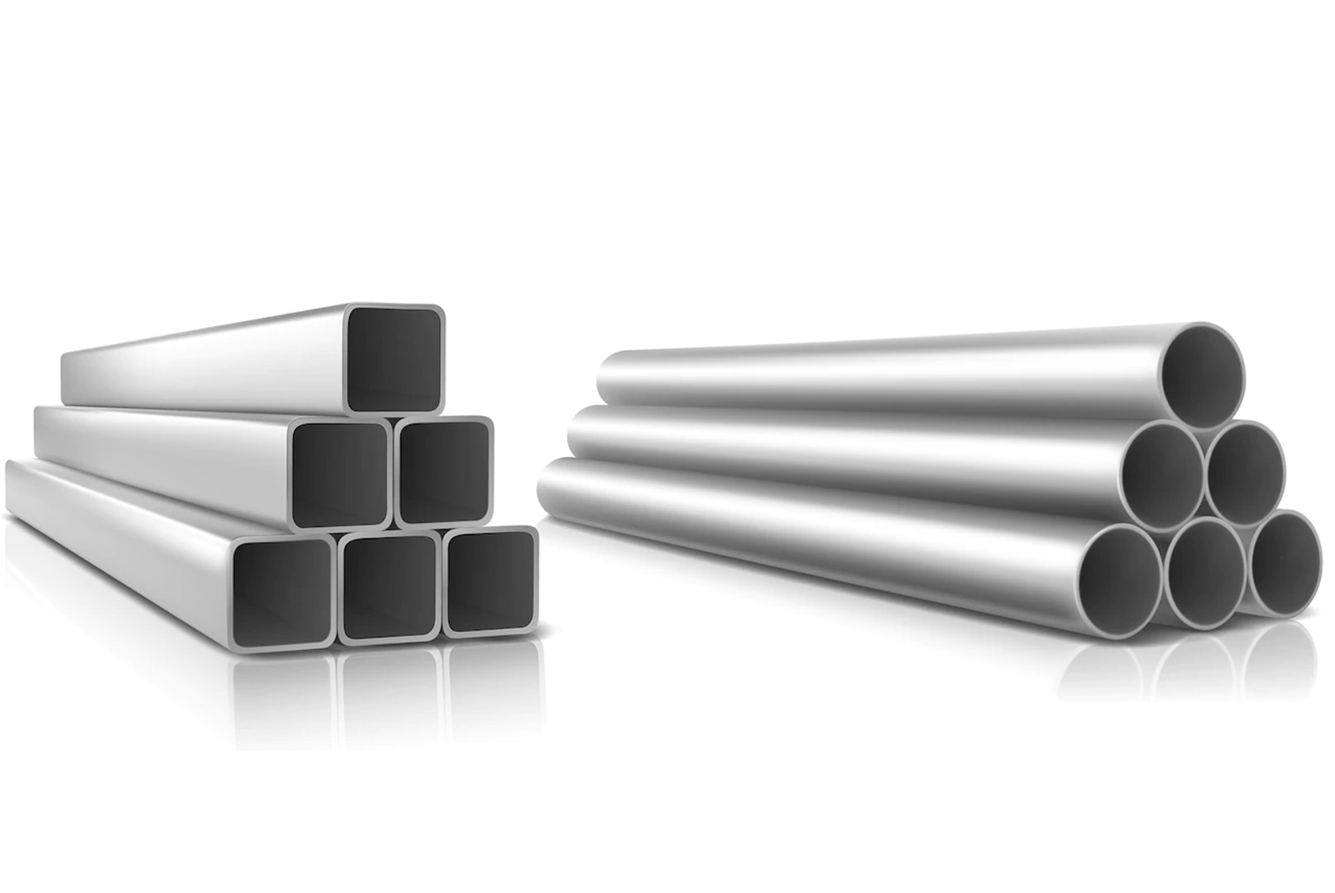
These fittings are used alongside pipes, coils, mesh, and other components to form complete, integrated industrial systems.

Common Types of Stainless Steel Tube Fittings Used in Industry

Check out the common stainless steel fittings types:

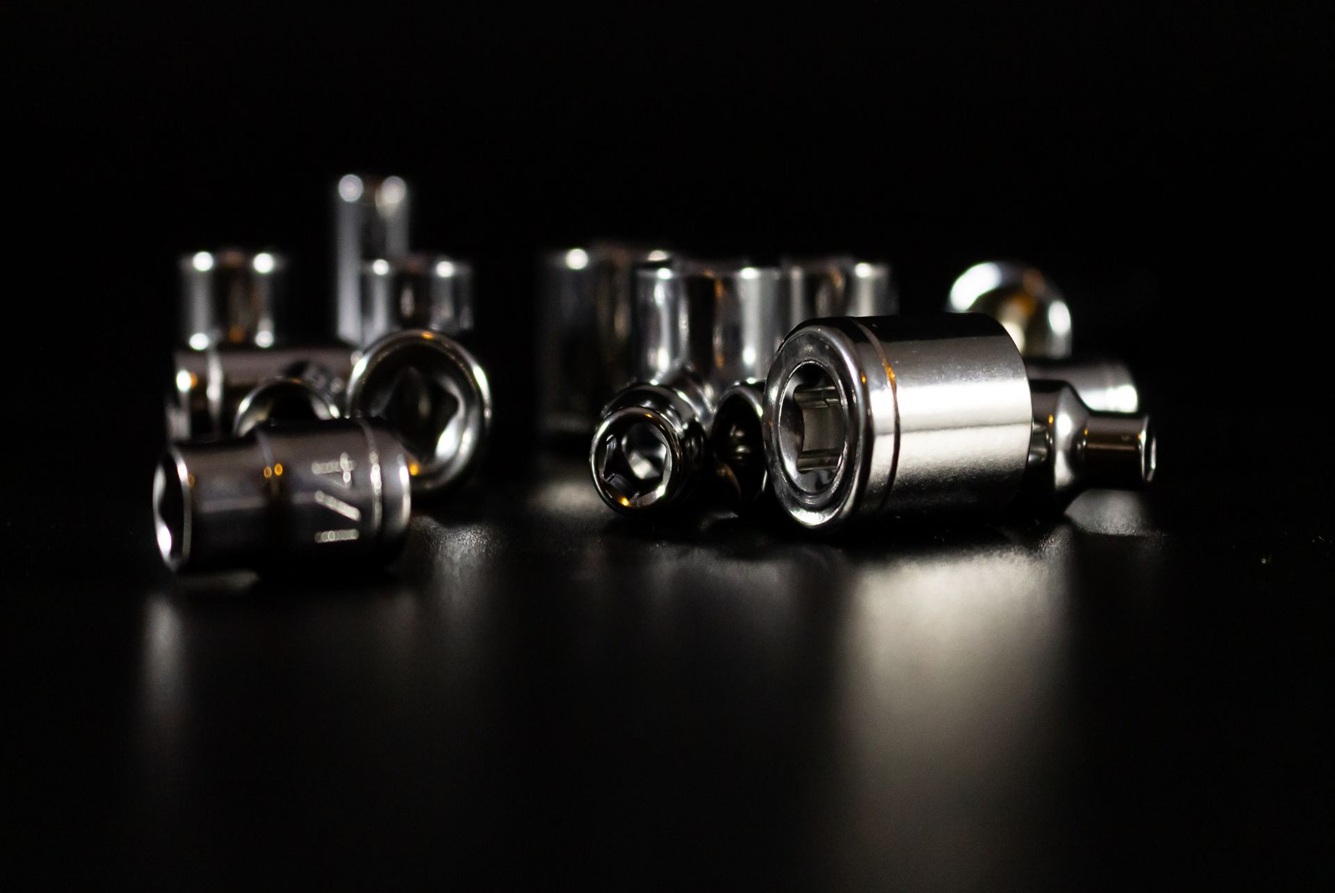
Compression Fittings

Compression fittings are among the most widely used stainless steel tube fittings. They use a ferrule to create a tight seal around the tubing, making them ideal for high-pressure and vibration-prone environments.

Flare Fittings

Flare fittings rely on a flared tube end to form a metal-to-metal seal. These fittings are commonly used in systems that experience temperature changes or pressure fluctuations.

Welded Tube Fittings

Welded fittings provide permanent, leak-proof connections. They are often selected for critical systems that require maximum strength and minimal maintenance.

Threaded Tube Fittings

Threaded fittings allow easy assembly and disassembly. They are frequently used in utility lines, test systems, and applications requiring frequent adjustments.

Push-to-Connect and Specialty Fittings

These fittings offer quick installation and are used in low-pressure systems or specialized industrial setups where speed and simplicity are priorities.

Read more: How to Bend Stainless Steel Tubing Without Damaging the Finish?

Stainless Steel Grades Commonly Used in Tube Fittings

Stainless steel comes in various grades. Not every grade is similar. Some work best in coastal environments, while others are best for extreme temperatures. The following are some commonly used grades in tube fittings:

  • 410 stainless steel: Suitable for moderate corrosion resistance and high strength
  • 420 stainless steel: Known for its hardness and wear resistance
  • 440C stainless steel: Used where high strength and abrasion resistance are needed
  • 310 stainless steel supplier: Performs well in high-temperature environments
  • 904L stainless steel suppliers: Ideal for aggressive chemical and corrosive conditions

Selecting the correct grade ensures compatibility with system pressure, temperature, and chemical exposure.

Industrial Applications of Stainless Steel Tube Fittings

Explore which stainless steel grade aligns best with which industry:

Oil & Gas and Petrochemical Industry

Tube fittings handle high-pressure fluids and corrosive substances, making stainless steel essential for safety and durability. Working with 904L stainless steel suppliers is recommended.

Food, Beverage, and Pharmaceutical Processing

Hygienic design and corrosion resistance make stainless steel fittings ideal for clean processing environments. Grade 304 or 316 stainless steel is best for it. Companies making cutlery or surgical instruments must partner with 420 stainless steel suppliers for the highest-quality metal.

Chemical Processing Plants

Chemical systems depend on high-grade stainless steel—specifically grades 316 and 904L—to withstand harsh conditions while preventing leaks and contamination.

Power Generation and HVAC Systems

Tube fittings support steam, water, and cooling lines where long-term reliability is critical.

Other than this, DIYers interested in forging use grade 440C for premium-quality hunting knives, blades, and other applications. Choose a top-notch 440C stainless steel supplier to source quality metal for your needs.

Read more: 5 Reasons Local Stainless Steel Suppliers Are Game-Changers

How Tube Fittings Work with Other Stainless Steel Products?

Tube fittings are rarely used alone. They work alongside stainless steel tubing, pipes, coils, and mesh to create complete systems. The materials used for multiple components should be compatible with each other and, therefore, must be sourced from a reputable stainless steel supplier.

Proper integration reduces stress points, improves system efficiency, and simplifies maintenance.

How to Choose the Right Stainless Steel Tube Fittings?

Key factors that you must consider include:

  • Operating pressure and temperature
  • Type of fluid or gas
  • Environmental exposure
  • Required maintenance frequency
  • Compatibility with tubing and pipes

Consult with New Mexico Metals LLC for accurate guidance on choosing the material.

Benefits of Using Stainless Steel Tube Fittings in Industrial Systems

Stainless steel tube fittings are used in industrial settings for their obvious advantages:

  • Excellent corrosion resistance
  • High mechanical strength
  • Long service life
  • Low maintenance requirements
  • Compatibility with multiple stainless steel grades

These benefits make them a preferred choice across industrial sectors.

Why Working with Reliable Stainless Steel Suppliers Matters?

Quality is the first and foremost requirement in every industry, and it can only be assured by partnering with a reputable stainless steel supplier. They ensure consistent dimensions, verified material grades, and reliable performance. There are no pricing hassles, and you get ongoing support whenever you need it. They also help avoid costly rework, component failure, and unnecessary downtime.

There are multiple sources for stainless steel components, such as stainless steel coil suppliers, stainless steel tubing suppliers, and stainless steel pipe suppliers, each with expertise in a specific component. However, you must choose a supplier that offers a comprehensive range of stainless steel products.

Conclusion

Stainless steel tube fittings play a crucial role in many industries. However, what’s even more important is to source these fittings from trusted suppliers.

Choose New Mexico Metals LLC as your partner for the next project. We stock a wide range of stainless steel products to meet the needs of local industries.

Contact us today to learn more!

Frequently Asked Questions

Que: What are the most commonly used stainless steel tube fittings in the industry?

Ans: Compression fittings, flare fittings, welded fittings, and threaded fittings are the most widely used in industrial applications.

Que: Are stainless steel tube fittings different from stainless steel pipe fittings?

Ans: Yes. Tube fittings are designed for tubing with precise outside diameters, while pipe fittings are used with pipes measured by nominal size.

Que: Which stainless steel grade is best for industrial tube fittings?

Ans: The best grade depends on the application. 316, 904L, and 310 are commonly used for corrosive or high-temperature environments.

Que: Can stainless steel tube fittings be reused?

Ans: Some fittings can be reused, but it is not recommended, as it can affect sealing performance.

Que: How do I choose a reliable stainless steel supplier for tube fittings?

Ans: Choose someone who offers consistent quality standards, material traceability, and required guidance for selecting the right grade.
Metal Band Saw Maintenance Tips for Longer Blade Life

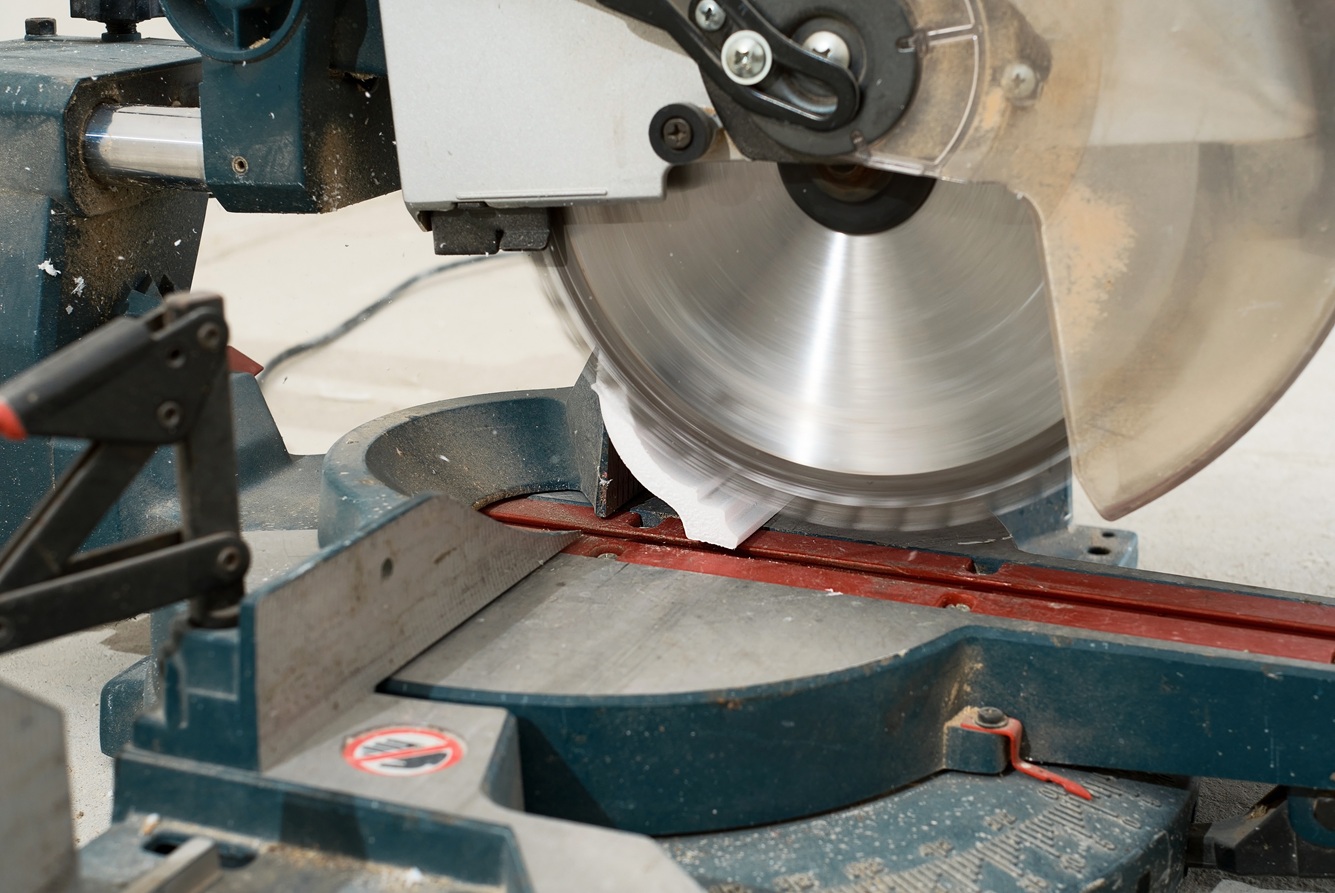
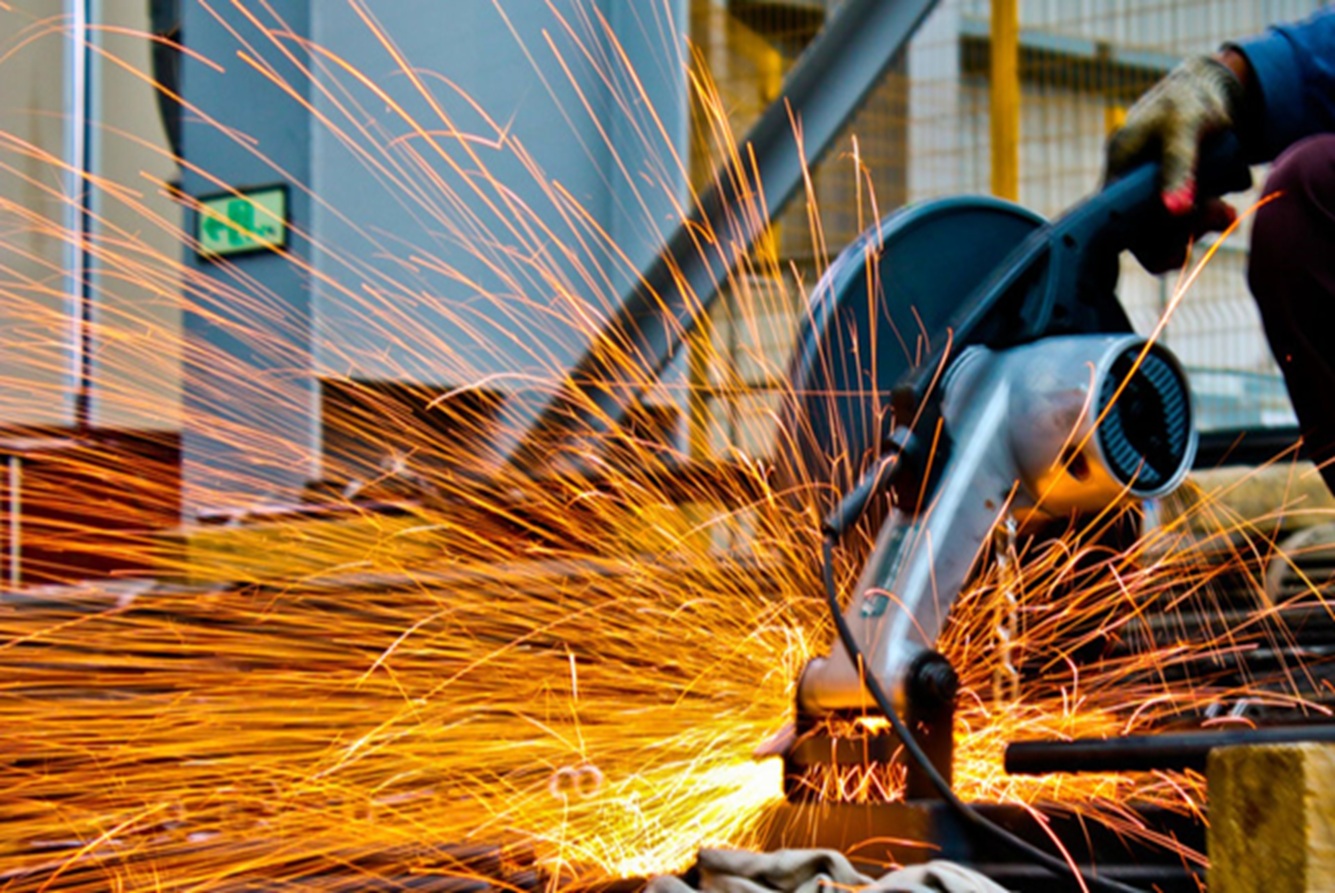
A metal band saw is a popular tool for cutting various metals. Metal sawing uses a variety of tools, including a metal cutting saw, a metal cut-off saw, or a circular metal cutting saw. Still, the common thing among all these tools is that they can only deliver the desired results when kept in optimal condition. It means a blade works best when properly maintained.

Without proper maintenance, even the best quality blades can wear out quickly, leading to downtime, increased costs, and inconsistent cuts.

This blog discusses the causes of blade wear and how to extend the blade’s lifespan. Read on!

How Metal Band Saw Blades Wear Out?

Metal band saw blades wear out due to friction, heat buildup, and improper cutting conditions. Other common causes include dull teeth, incorrect blade tension, poor coolant flow, and excessive cutting speeds.

Most of the time, blades fail mid-operation due to improper blade selection, insufficient lubrication, or the use of a poorly maintained saw, even on harder metals like stainless steel.

Unlike tools such as a metal hole saw or an 8-hole saw, band saw blades remain in continuous contact with the metal, making proper maintenance even more critical.

Daily Metal Band Saw Maintenance Checklist

If you use metal saws frequently or have a workshop, daily maintenance is crucial. Check out some simple routine tips:

  • Inspecting the blade for cracks or missing teeth
  • Checking blade alignment and tracking
  • Cleaning metal chips from the saw bed and guides
  • Verifying coolant levels and flow
  • Ensuring guide bearings move freely

These steps take only minutes but can greatly improve blade longevity.

Proper Blade Tensioning for Longer Blade Life

A metal band saw sits between two points of a machine and passes through the metal at a certain speed to cut through it. If a blade is not properly used, i.e., the correct blade tension isn’t achieved, the blade may wander, causing uneven cuts. On the other hand, over-tensioning leads to blade fatigue and breakage.

Follow the manufacturer’s recommended tension settings and recheck tension periodically, especially after installing a new blade. Proper tension helps your metal band saw maintain straight, accurate cuts with less stress on the blade.

Optimizing Cutting Speed and Feed Rate

Modern machines offer multiple sawing speeds that depend on material hardness and thickness. Monitoring feed rate is also important. Running the blade too fast generates excessive heat, while feeding too slowly can cause tooth wear and dulling.

For example:

  • Softer metals require higher speeds
  • Harder metals like stainless steel need slower speeds
  • Consistent feed pressure prevents tooth chipping

Optimized settings reduce wear and help your metal cutting band saw perform efficiently.

Importance of Coolant and Lubrication

As the band saw passes through the metal, friction generates heat; thus, a coolant is crucial to reduce it. Proper lubrication prevents metal from welding to the blade teeth and helps flush away chips.

It is especially important when cutting materials with tools like a hole saw for stainless steel or a metal-cutting circular saw, where heat buildup can be severe. Always ensure coolant nozzles are properly aimed and that the fluid is clean and at the correct concentration.

Blade Selection Tips That Reduce Wear

Choosing the right blade is the most important factor in reducing blade wear. It makes a significant difference in performance and durability.

Here are some key considerations in choosing a metal sawing blade:

  • The tooth pitch, i.e., number of teeth per inch, should be matched to the material. The softer the metal, the lesser the TPI.
  • The blade material should be appropriate for the metal type
  • Choose variable-pitch blades for mixed materials.

Using the wrong blade damages the blade and the material, leading to excessive wear.

Proper Break-In Procedure for New Band Saw Blades

If you are a beginner, you might be unaware of this step, but breaking in a blade is very important. The new blades have sharper teeth and must be rounded off for optimum performance.

Here are the tips to break in a blade:

  • Reduce cutting speed and feed rate by 50%
  • Cut for the first 10–15 minutes
  • Gradually increase to normal operating levels

This simple process significantly improves blade lifespan.

Common Metal Band Saw Maintenance Mistakes to Avoid

There are some common mistakes that experts avoid easily due to their knowledge and expertise, saving time and money. These common mistakes include:

  • Running dull blades too long
  • Ignoring blade tracking issues
  • Using incorrect cutting speeds
  • Neglecting coolant maintenance
  • Skipping regular inspections

Every tool, including high-performance equipment, needs proper techniques to deliver consistent results.

Maintenance Comparison: Band Saw vs Other Metal Cutting Saws

Compared to metal-cutting saws, such as a metal-cutting band saw, band saws require more frequent blade inspections but offer smoother cuts and less material waste. Circular saws and cold saws often require less blade-tension management but still require careful chip and heat control.

Whether you have a band saw, an 8-hole saw, or a circular saw, proper maintenance is non-negotiable.

Conclusion

Maintaining a metal band saw doesn’t require a rigorous routine; a few simple daily tips maximize blade life, improve cut quality, and reduce operational costs. These tips, as discussed above, include proper lubrication, maintaining an ideal cutting speed, correct blade tension, and routine inspection.

However, as a DIYer, you do not need to invest in a metal-cutting circular saw, a cold saw, or an 8-hole saw, because you can get the best metal-sawing services at New Mexico Metals LLC. We offer an extensive range of metal-related services, including metal sawing. Whether you need uniform sheets or large cuts using an 8-hole saw, we can do it for you.

Contact us today to learn more!

Frequently Asked Questions

Que: How often should a metal band saw blade be replaced?

Ans: The replacement depends on usage, material type, and maintenance. Blades can last for several months or longer with proper care.

Que: What shortens the life of a metal band saw blade the most?

Ans: poor lubrication, incorrect blade tension, skipping blade break-in, etc., impact the blade’s life the most.

Que: Can I use the same blade for different metals?

Ans: No, you need different blades for different metals, based on their properties.

Que: How is a metal cutting band saw different from a metal cutting circular saw?

Ans: A metal band saw offers smoother finishing, while a circular saw is faster but generates more heat and noise.

Que: Do Evolution metal cutting saws require the same maintenance?

Ans: While evolution metal-cutting saws require less blade-tension management, they still require regular blade inspections, cleaning, and proper speed control.

Best Metals for Laser Cutting and Their Unique Properties

In the world of metal works, technologies are evolving very fast. However, there is one technology that came to stay- laser cutting. It is an efficient and effective way of precise cutting used in many industries to cut metals for different purposes. While laser cutting is very effective and can cut metals of various thicknesses and strengths, selecting the right metal is crucial to achieving the best quality, speed, and durability.

In this blog, we will discuss the metals considered best for laser cutting and why.

Stainless Steel

Stainless steel is a versatile metal and is known to everyone. However, you should also know that while the metal is easier to work with, it has many very strong grades. Still, this metal is great for laser cutting. It is the first choice for laser cutting due to its corrosion resistance, exceptional strength, and wide use in different industries. It produces clean cuts with minimal burring, making it ideal for automotive, aerospace, and medical applications.

While thin steel plates can be efficiently cut with a metal shear machine, laser cutting is used for carving intricate designs and cutting thicker plates.

The different properties that make stainless steel the first choice for laser cutting are:

  • Malleability
  • Chrome finish that is suitable for many applications
  • Burr free cuts
  • High strength

Carbon Steel

Carbon steel differs from stainless steel because it has 2.5% carbon. It is a harder steel type used in heavy-duty construction due to its strength. Its high use in construction, machinery, and industrial applications requires the timely availability of laser-cut metal. Laser cutting is the only method that can ensure the timely availability of precisely cut carbon steel. Sheet metal cutting of carbon steel is easy with sheet metal shears and laser cutting.

The properties of carbon steel are:

  • High durability
  • Cost-effective than stainless steel
  • Versatile for different applications

Aluminum

Aluminum is a beautiful metal with a silvery finish. As the industry evolves, aluminum has become more than a metal used in kitchen and aerospace. It is also widely used in construction, electronics, and manufacturing.

Aluminum is a lightweight and soft metal, making it easier to work with. A sheet metal shear can easily cut aluminum sheets with precision. However, in large-scale production with millions of components, laser cutting offers the required accuracy and consistency.

The different properties of aluminum that make it easier for laser cutting are:

  • Highly malleable and ductile
  • Corrosion resistance
  • Lightweight
  • Excellent electrical conductivity

Titanium

Titanium is a strong metal and it has very specific uses. From firearms manufacturing to medical implants, this is a very versatile metal. Titanium is an expensive metal with a high demand. It must be understood that titanium waste is unacceptable. Thus, laser cutting is used for cutting titanium to ensure no wastage. The metal has superior strength and corrosion resistance, and it isn’t easy to work with traditional sheet metal shears. Thus, laser cutting is the most effective method for titanium cutting.

The different titanium properties are:

  • Strong yet lightweight
  • Biocompatible
  • Corrosion resistant

Brass and Copper

While stainless steel is the most discussed, brass and copper are two very different yet significant metals that are highly used in many industries. These are used for many applications, from kitchen utensils, doorknobs, and decor items to ventilations. Both metals are corrosion-resistant and soft, so they are easier to work with metal shear. However, for precision engineering, laser cutting is used.

Properties that make them suitable for laser cutting are:

  • High electrical and thermal conductivity
  • Attractive appearance
  • Suitable for precision engraving

Tungsten

Do you know that tungsten has the highest melting point among the metals? It is heat resistant, and thus, it is used in aerospace components, electrical contacts, and defense industries. The metal has a high tensile strength and is difficult to work with laser cutting, considering its high melting point. Thus, strong laser cutters are used for it, but it is crucial for precision engineering.

Properties that define tungsten are:

  • Highly dense and high tensile strength
  • Exceptional corrosion resistance
  • Very ductile

Conclusion

These are the different metals that are commonly selected to work with laser cutting. While laser cutting is considered a very precise and accurate method for metal cutting, it requires an expert who would choose the right material and laser power to achieve the best results.

If you want to cut any of the abovementioned metals, contact New Mexico Metals LLC, where we offer exceptional metal-cutting services. We have state-of-the-art machines and an expert staff, which allow us to deliver the promised results.

To learn more about our services, give us a call or visit us!

What is the Difference Between 303 and 304 Stainless Steel?

Stainless steel is a very popular metal. It has many grades used in different industries for various purposes. However, two very popular grades of steel are well-known among the masses. Grades 303 and 304 stainless steel are known for their specific properties and uses, and yet they are somehow mistaken as the same.

If you also believe these grades are similar, this blog is for you. In this blog, we will discuss the specific properties of both grades, how they differ, and, if you are trying to choose between them, what to ask your stainless steel supplier.

Composition

The composition of 303 and 304 stainless steel is the starting point between their differences. All stainless steel is made of iron, chromium, and nickel, but other alloying elements make them different.

303 Stainless Steel has sulfur and selenium as the alloying elements. These elements are mixed to increase the machinability of the metal. However, it also reduces the corrosion resistance capability of the grade when compared to 304 stainless steel.

304 Stainless Steel has 18% chromium and 8% nickel, which has named it “18/8” stainless steel. It doesn’t include sulfur, which makes it more corrosion-resistant and safe from oxidation.

Machinability

When sourcing stainless steel, the first question we ask at New Mexico Metals LLC is, what are you sourcing it for? If you are looking for a machinable grade, we recommend 303 stainless steel, which is softer than grade 304. The addition of sulfur in this grade increases the machinability of the grade, making it easier to cut and process and reducing wear and tear on tools.

On the other hand, grade 304 is not as easily machinable, but it can still be worked with standard machining processes. As it is hard, it requires more force to be reformed and thus causes more wear and tear on tools.

When large-volume production is desired, Grade 303 is the best choice.

Weldability

The manufacturing industry demands a significant supply of stainless steel due to its widespread applications. This extensive use is largely attributed to the metal’s excellent weldability. So, if you have to choose between 303 and 304 stainless steel, you must choose 304 for its easier weldability than grade 303.

Grade 303 has sulfur, which can cause hot cracks during welding. If it is welded, it requires preheating and post-welding treatments.

304 stainless steel is easily weldable and is thus used for welding pipes, sheets, and other metal components.

Cost

The cost of 303 stainless steel is higher than that of grade 304. This is because grade 304 is more readily available, whereas grade 303 is not. Additionally, grade 303 is more expensive due to its high machinability.

Corrosion Resistance

Both grades have chromium and nickel, yet Grade 304 is more corrosion-resistant than 303 stainless steel. It’s the lack of sulfur that makes 304 more corrosion-resistant.

303 is also resistant, but for uses in coastal areas or where the moisture exposure of the metal is high, Grade 304 is recommended to be used.

Grade 303 is more commonly used in dry environments or applications where corrosion resistance is not the primary concern.

How to Choose Between Grade 303 and 304 Stainless Steel?

If you are choosing between the two grades, the following tips will help you:

Application: What is the intended use of the metal? Are you using it for a large volume production, or is it a one-time use, and that too in a dry environment? As discussed above, Grade 303 is more machinable and is not fit for use in harsh environments, choose between the grades wisely.

Cost: Cost is an important consideration. What is your budget? Since grade 303 is more expensive, does your budget accommodate choosing this grade, or can you opt for grade 304? Keep in mind that other factors are also at play, so don’t let cost be the sole deciding factor.

Corrosion-Resistance: Corrosion resistance is a major deciding factor in choosing the right stainless steel grade. If the steel’s intended use is in a moist area, then grade 304 is recommended as it is more corrosion-resistant as compared to grade 303.

Conclusion

Hoping that the above blog has answered your questions about the difference between the two grades. The world of metal is quite interesting, especially if one has enough knowledge of the same.

At New Mexico Metals LLC, we love the nuances of steel and its different grades. Many more stainless steel grades are used in different industries, and we house them all. We boast of housing the most varied range of stainless steel and other metals and offering metal services such as bending, cutting, shearing, punching, notching, etc.

For any of your metal needs, visit us at the store.

How do Local Stainless Steel Suppliers Ensure Quality and Reliability?

The best source to procure metal for your personal and professional needs is to contact the local stainless steel suppliers. Sourcing steel from local suppliers offers multiple advantages, including timely delivery, quick replacement, and prompt customer service in case of a mishap or emergency requirement.

However, what matters most is the quality of the metal.

As mentioned, local stainless steel suppliers play a significant role in consistently ensuring high standards are met. But how do they meet such standards?

This blog answers the question of how local stainless steel suppliers, such as New Mexico Metals LLC, ensure quality and reliability.

Read on!

Why Local Stainless Steel Suppliers Are Crucial?

Not every item, particularly large quantities of metals, can be sourced globally. Local industries thrive with the help of local stainless steel suppliers who stock different grades and offer metal services, such as bending, sawing, cutting, punching, notching, and other services. It makes them crucial as they are responsible for sourcing, processing, and distributing stainless steel products that meet stringent quality standards.

Factors Ensuring Quality in Stainless Steel Supply

The factors below play a pivotal role in ensuring the quality of stainless steel supply quality:

Quality Standards

The stainless steel manufacturers are responsible for ensuring that all quality standards are met during production. They must ensure the metal’s strength, corrosion resistance, and durability. Also, they must adhere to international standards such as ASTM (American Society for Testing and Materials), ISO (International Organization for Standardization), and EN (European Norms).

At New Mexico Metals LLC, we source the metal from the most reputable manufacturers and house the best stainless steel in Albuquerque.

Material Sourcing

The quality of stainless steel begins with the raw materials. Only the stainless steel that goes through vigorous testing processes and inspection is worth procuring.

Stainless steel suppliers are bound to choose a manufacturer that follows standard procedures and manufactures quality products.

Reliability in Stainless Steel Supply Chain

A robust stainless steel supply chain is crucial for maintaining reliability. Thus, supply chain management and inventory management are expected to be among the strengths of a stainless steel supplier.

Supply Chain Management

A supply chain management system includes everyone in the vertical hierarchy, from the manufacturer to the end user. Suppliers can ensure the timely delivery of high-quality products only by implementing robust supply chain management. At New Mexico Metals LLC, we implement sturdy supply chain strategies to manage the flow of materials efficiently.

Strategic Partnerships: Over the years, we have established strategic partnerships with suppliers and logistics partners, thus ensuring timely delivery for every project.

Risk Management: We also understand the risks involved in the supply chain and have created contingency plans to overcome them.

Transparency: Transparency is our greatest tool, and we believe in open communication with manufacturers and customers.

Inventory Management

For every local supplier, maintaining an optimal level of inventory is a prerequisite to running the business successfully and meeting customer demands. Effective inventory management helps maintain the right balance between demand and supply. Today, inventory management systems are linked to sales, so when a large stock is sold, it updates the inventory and alerts you to procure more material.

There are warehouse management systems as well, which aid in keeping the inventory stocked.

Technology and Innovation

Here is how technology and innovative techniques help local stainless steel suppliers to maintain quality:

Advanced Manufacturing Techniques

A good stainless steel supplier also offers services such as metal bending, punching, notching, sawing, etc. The advanced machineries improve efficiency, reduce waste, and ensure consistent product quality. The advanced techniques used are:

CNC Machines: Computer Numeric controlled Machines are used for sawing, bending, punching, notching, etc. They are known for their precision and accuracy.

Laser Cutting: Laser cutting is one of the most effective methods in metalworking, as it ensures minimal material wastage and offers clean cuts.

Innovative Product Development

Innovation is the key to development in the metal industry. Suppliers have no intervention when it comes to developing the metals from raw materials. It’s the end product that matters. For example, stainless steel requires copper, zinc, nickel, gold, and even platinum plating and coating to make it suitable for specific purposes. Local stainless steel suppliers can meet unique customer requirements by engaging in product development, including custom sizes, shapes, and finishes.

Final Words

Every stainless steel supplier differs according to the metals they deal in and the services they offer, but each supplier plays a vital role in helping the local industries thrive.

New Mexico Metal LLC is the best stainless steel supplier in Albuquerque as we house distinct stainless steel grades and offer related services. We also provide custom products and thousands of line items for you to choose from.

Choose us today for any stainless steel supply needs!

Why Stainless Steel is the Preferred Choice for High-Quality Castings?

Stainless steel is an alloy mainly made of iron, which is a part of daily life no matter where you are and what you do. It is an indispensable metal used in everyday life, manufacturing industries, tools, as a raw material, and so many other ways. However, have you thought about why stainless steel is used so extensively for high-quality castings and why it has no rival among metals?

This blog is an answer to that curious question. We will delve into the specifics of stainless steel, its various properties, and how those properties make it an unsubstituted metal choice.

Read on!

What is Stainless Steel?

Stainless steel is an alloy of iron containing 10 percent Chromium and other metals such as nickel, manganese, magnesium, titanium, and a very low percentage of carbon. These metals are mixed together in fixed proportions to achieve the desired grade of this shiny metal. It is a non-corrosive, durable, and strong metal used for multiple applications, including casting.

Advantages of Stainless Steel Casting

Check out the distinct advantages of stainless steel casting:

Corrosion Resistance: The best property of stainless steel is that it is not prone to rust and corrosion. In fact, some stainless steel grades are even used for underwater marine operations as they are completely resistant to corrosion. It makes the metal fit for the product casting, which is exposed to extreme temperatures and environmental conditions.

Aesthetic Appeal: Many metals require thorough finishing after the casting, and stainless steel does it, too. However, the metal’s lustrous finish enhances the casting’s aesthetic appeal. When aesthetics are important, stainless steel is a great option.

Hygiene and Cleanliness: Stainless steel cast products are also used in food machinery and other kitchen products. Do you know why? That’s because stainless is easy to clean and maintain. Where hygiene is crucial, you can trust stainless steel.

Strength and Durability: Stainless steel castings are known for their high tensile strength and durability, ensuring long-lasting performance even under heavy loads and harsh conditions.

Types of Stainless Steels Used in Castings

Various stainless steel grades are used for casting, each with distinct properties and applications, as discussed below.

Austenitic Stainless Steel: Some of the popular grades of this type of steel are Grade 304 and 316, known for their exceptional corrosion resistance. They are also non-magnetic and super strong.

Ferritic Stainless Steel: Some popular grades of this type of steel are Grade 430 and 409. It is magnetic and strong and is used extensively in the automotive industry.

Martensitic Stainless Steel:  Martensitic stainless steel is distinct in its formation process and its specific martensite crystal structure. While it is hard and strong, it is not the best choice for corrosion resistance in stainless steel casting. Common grades of this type include 410 and 420.

Duplex Stainless Steel: It is a mixture of austenitic and ferritic stainless steel and combines both their properties, offering the required strength and exceptional corrosion resistance. Its common grades are 2205 and 2507 which are used extensively for marine applications.

Applications of Stainless Steel Casting

Following are the various applications of stainless steel casting in different industries:

Automotive Industry: Used to create exhaust systems, engine components, and other structural parts.

Aerospace Industry: Used to create landing gear, engine parts, etc.

Architectural Applications: Facades, railing, sculptures, window panes, etc.

Oil and Gas Industry: Stainless steel pipes, valves, pumps, etc.

Medical Industry: Used to create surgical equipment, dental tools, medical storage equipment, etc.

Perforated Stainless Steel in Castings

Perforated stainless steel has been stamped, punched, and cut to achieve aesthetic or functional goals. It is used widely in many industries for its pattern and purpose.

Here are the applications of perforated stainless steel in castings:

Filtration: Perforated stainless steel is used in filters and screens, allowing for precise filtration of liquids and gasses.

Architectural Designs: Perforated stainless steel panels control sound and reduce noise levels in architectural and industrial applications.

Decorative Elements: Perforated patterns are used extensively in decorative items because of their aesthetic appeal.

Custom Stainless Steel Castings

Custom stainless steel castings serve multiple purposes. First, they meet the specific requirements of your project. Also, if you require intricate and complex shapes, investment casting and casting can help achieve that, offering you unique components.

However, it is a tricky business, and you must find a reliable metal supplier to help you make custom casts.

For any custom metal casting needs in Albuquerque, contact New Mexico Metals LLC.

Conclusion

Stainless steel casting is not an easy process compared to other metal-related techniques. It requires excellent skill sets and machines to achieve perfection. When you need custom stainless steel casting for small needs, it is advised to approach a supplier who can best guide you.

At New Mexico Metals LLC, we boast a wide range of line items. We also offer custom services, so if you have a need, we can custom-make it for you.

Give us a call for more information!

Navigating Choices: A Comprehensive Guide to Stainless Steel Sheets

Stainless steel sheets are versatile, and thanks to their wonderful corrosion resistance properties, they are in demand for multiple reasons. As the consumer, you look for a durable metal that lasts decades. However, a lack of knowledge about stainless steel sheets can cause you to end up with the wrong material for your needs.

In this blog, you will find comprehensive details about stainless steel sheets, their properties, applications, factors to consider when choosing the right type, and other details. Read on.

Why Are Stainless Steel Sheets Popular?

Today, everywhere you see, you will find stainless steel, be it construction, medical field, automotive, or kitchen appliances. Stainless steel sheets are available in various grades and finishes, each tailored to specific applications and environments.

The different grades of stainless-steel sheets include grades 316, 302, 305, 304, 430, 414, 440, etc. Apart from this, the grades are divided based on the alloys that are used to manufacture them. You will learn about them further in the blog.

Applications of Stainless-Steel Sheets

Stainless steel sheets are used in various manners based on the needs of the specific industry. For example, industrial metals require stamping before they are put to further use, sent for assembly, or cut down into pieces for multiple industries.

The various industries where stainless sheets are used are:

Medical Equipment

Medical equipment requires the highest quality of stainless-steel grades. They are used for manufacturing of surgical equipment, medical fixtures, machinery, etc.

Construction

Stainless steel sheets have offered unmatchable strength, durability, and corrosion resistance to structures worldwide; thus, the sheets are used extensively in the construction industry. They are used to manufacture scaffolding, roofing, wall cladding, etc.

Automotive Industry

Multiple parts of vehicles, such as car exhaust systems, seatbelt springs, hose clamps, etc., are made of stainless steel.

Kitchen Equipment and Appliances

Your kitchen must be safe, and it should have no space for rusting. Thus, stainless steel is used extensively for manufacturing kitchen equipment, including knives, utensils, kitchen countertops in commercial spaces, etc. Multiple kitchen appliances, including microwaves, refrigerators, dishwashers, etc., are also made of stainless steel.

Marine and Aerospace

The marine and aerospace industry requires robust steel that is unaffected by atmospheric pressure, excessive exposure to heat, moisture, and other environmental effects. Thus, stainless steel stands out as the most suitable metal.

Industrial Equipment

Industrial metals are exposed to harsh environments and demand stainless steel machinery and other accessories to survive the conditions.

Art and Sculpture

Artists are taking an active interest in creating intricate artistic sculptures and designs with stainless steel, which renders their creations durable and aesthetically pleasing.

Choosing the Right Stainless-Steel Sheet

When selecting stainless steel sheets for a specific application, several factors should be considered:

Grade: As discussed, stainless steel sheets are available in multiple grades, and the right one shall be chosen for the underlying task, considering the grade characteristics.

Thickness: Based on the grade’s structural requirements and mechanical properties, choose the right stainless steel sheet thickness that will make your project successful.

Surface Finish: Industrial metals don’t focus primarily on aesthetics, but that’s not the case with artistic endeavors. The crux is that different purposes require different stainless steel sheet grades, which come in multiple surface finishes. Hot-rolled finished steel sheets are used where aesthetics is not important; on the other hand, cold-rolled finished steel has a beautiful matte appearance, smooth and beautiful. Based on the project requirements, choose the right surface finish.

Cost: Cost is the deciding factor in most cases. So, determine a budget and then peruse stainless steel sheet grades considering the above factors.

Reliable Steel Supply in Albuquerque

When you are an amateur, choosing the right stainless steel sheet grade can be overwhelming, considering your lack of knowledge. You need a reliable steel supplier in Albuquerque who can fulfill your needs and offer the best quality stainless steel sheets. Looking for a supplier with a diverse inventory, competitive pricing, and a track record of delivering high-quality products and excellent customer service is crucial.

Thus, look no further than New Mexico Metals LLC, Albuquerque, where we offer the best quality metals, procured from the best manufacturers in the country and brought to you affordably.

We also pride ourselves on being the best metal stamping service provider where you can get on-time service at the best rates.

Metal Stamping: Precision in Manufacturing

Metal stamping is the process of forming, punching, and notching metal sheets to render them useful for further processes. Metal stamping is a crucial operation that ensures that metal sheets are precisely stamped, or else the metal might become useless.

At New Mexico Metals LLC, we boast of having trained professionals who perform every operation, no matter how small it is, with precision and utmost care, so you trust only New Mexico Metals LLC for your metal-related needs.

Conclusion

In conclusion, stainless steel sheets offer a versatile solution for various applications across various industries. This blog is an attempt to help you learn about the considerations before choosing the right grade, the multiple applications, and how to make an informed decision.

However, if you need any help, contact us at New Mexico Metals LLC, and we will be happy to help.

From Ore to Elegance: The Journey of Stainless Steel in Modern Design

Modern architecture is transforming, and stainless steel is playing a vital role in it. Its timeless elegance, strength, and durability make it a preferred choice for various industries. Architecture, construction, medical, and even automotive industries are demanding steel. The transformation of steel into various products might be enchanting, but its journey from ore to elegance is enthralling. Its refined sophistication blends together history, art, and science and presents an unmatchable shining metal.

Explore this blog to discover the fascinating journey of stainless steel, tracing its evolution from raw ore to a crucial component in the machinery of modern design.

Unveiling the Origins – Iron Ore and Its Role

Stainless steel’s origin starts from the depths of the earth, where it is found in the form of iron ore. Iron ore is a mineral found in its natural solid form, but it is full of impurities. The first one is said to have been found in Egypt between 5000 and 3000 BCE. That was a long time ago. It is also believed that the technology of transforming iron ore into iron originated in the Middle East. However, by that time, iron ore had been found in Turkey, Greece, and other European countries, so it cannot be said with certainty who produced iron from iron ore for the first time.

Iron ore is extracted and refined to make iron. It goes through a lengthy process. You can check it out here.

The Art and Science of Steel Manufacturing

The transformation of iron ore into steel is a complex process that melds art and science. Traditional methods involved charcoal-fueled furnaces, where skilled artisans used carefully controlled temperatures to achieve the desired steel composition.

Today, we use blast furnaces and electric arc furnaces, which have revolutionized the process of stainless-steel manufacturing. A blast furnace is a machine wherein limestone, iron ore, and coke are poured together. When heated, coke releases oxygen from iron ore, while limestone removes impurities, which take the form of slag and is drained.

On the other hand, an electric arc furnace uses electrodes that are lowered into the metal and melt and mix the metals when heated. An electric arc furnace also utilizes scrap steel to produce recycled steel.

Shaping Elegance – Stainless Steel Manufacturing

The difference between iron and stainless steel is that iron is a pure metal, while stainless steel is an alloy. Its elegant shine is borrowed from other metals like chromium and nickel, which are infused along with iron to lend it a smooth, aesthetic appearance.

But do you know how stainless-steel resists corrosion and staining? The addition of chromium makes all the difference. Around 0-12% chromium is mixed in the mixture, which creates an invisible layer of chromium oxide on the surface, which protects this beautiful alloy from rusting. Nickel is also used in manufacturing stainless steel, strengthening the steel and adding luster.

Depending on the manufactured steel type, these metals are added to iron to form specific alloys suitable for varied uses.

Alloy Steel – Enhancing Strength and Performance

Stainless steel is an alloy, and it is available in different grades. However, steel’s performance is based on its formulation, the amount of each element used to achieve the desired strength. Alloying elements such as manganese, nickel, and molybdenum are strategically added to tailor the properties of the steel for specific applications. Whether it’s manganese’s toughness or molybdenum’s heat resistance, alloy steel showcases the versatility of iron-based alloys in meeting diverse industrial and design needs.

Iron and Steel in Symbiosis – The Versatility of Iron Steel

Stainless steel’s versatility is often discussed as this metal, and its alloys have made themselves indispensable in modern design. Be it the manufacturing of kitchen appliances, towering skyscrapers, a small needle, or automotive parts, stainless steel is everywhere. Its resistance to corrosion and staining makes it a preferred choice in environments ranging from hospitals to coastal areas. In contrast, its aesthetic appeal has made it a staple in contemporary architecture and interior design. In short, it can be said that it might take some years before the world finds an even better alternative for stainless steel, but presently, modern design is incomplete without iron and steel.

Conclusion

The journey from iron ore to stainless steel is truly amazing, and afterward, when it ends up in the store, it begins the journey of usefulness, as stainless steel makes its way into the lives of common people and graces your everyday lives.

When procuring stainless steel for your home or a DIY project, it is imperative that you source it only from a trusted supplier.

New Mexico Metals LLC, based in Albuquerque, is your trusted source for high-quality stainless-steel supplier to a diverse range of projects.

Contact us today!


Frequently Asked Questions

Que: What makes stainless steel different from steel?

Ans: Regular steel is prone to corrosion. Adding chromium to steel creates a protective layer on the metal’s surface, lends it corrosion-resistant properties, and transforms it into stainless steel.

Que: How versatile is stainless steel?

Ans: Stainless steel is a very versatile metal. It is used in almost every industry, including underwater operations. Stainless steel grades offer the required strength and corrosion resistance to last years, even in unfavorable environments. Apart from this, stainless steel is used in the automotive industry, the construction industry, artistic pursuits, etc.

Que: What makes alloy steel unique?

Ans: Alloy steel is customized by adding specific elements like manganese, nickel, or molybdenum to enhance its properties, such as strength, toughness, or heat resistance, making it ideal for various applications.

10 Things You Need to Know About Stainless Steel

Stainless steel supplier

As the world continues to modernize, people are constantly on the lookout for new ways to make their lives easier. Stainless steel is one of those materials that have made a significant impact in recent years due to its many benefits.

However, to better understand how to use this material, it is important to know a few things about it first. Here are 10 things you need to know about this precious metal:

1. An alloy

It’s made up of iron, chromium, and nickel. Chromium gives the steel its shiny appearance and resistance to rust while nickel adds its strength and durability. Combined, these properties make this material ideal for a wide array of applications.

2. Classified into different grades

This alloy comes in four major grades according to the crystal structure of steel, namely: ferritic, austenitic, martensitic, and duplex steel alloys. Each of these alloys has its unique properties which make them better suited for specific applications.

3. First invented in 1913

Harry Brearley, a famous metallurgist in Sheffield, invented the first stainless steel in 1913 while looking for a solution to stop the corrosion of gun barrels for the British Army.

4. Expands and contracts

The thermal expansion property of this metal makes it expand and contract slightly in response to temperature changes. When the temperature rises, the metal expands. Likewise, when the temperature falls, the metal contracts.

5. Corrodes when exposed to high temperatures

This alloy is susceptible to corrosion when exposed to high temperatures. Corrosion happens when chromium oxide – the layer protecting the surface of this metal, breaks down when exposed to high heat, allowing oxygen to reach the metal. Subsequently, this causes the metal to rust.

6. Vinegar restores its shiny surface

Iron oxide is a chemical compound – usually red-brown, which forms on the surface of steel when iron and oxygen combine. Vinegar contains acetic acid which helps to dissolve iron oxide, leaving the surface of steel smooth and shiny.

7. Can be harmful

If scratched, damaged, or when in contact with acidic foods, some stainless steels can leach metals into food. And while the amount of metal that leaches into food is generally considered to be low, it can still be a health concern, particularly for people with sensitivities or allergies to metals.

8. An environmental-friendly material

It’s a 100% recyclable material, and can be used time and again without losing any of its quality. Plus, it doesn’t release any harmful toxins or chemicals into the environment.

9. Can be magnetic

This alloy contains a small amount of ferrite – a type of iron that is magnetic. When exposed to a strong magnetic field, the ferrite can become magnetized and cause the steel to be attracted to the magnet. Although, martensitic stainless steels are generally magnetic without this exposure.

10. A fire-resistant material

With a high melting point ranging between 2550°F and 2790°F, this alloy is considered a fire-resistant material. Additionally, this metal is non-combustible, meaning it will not ignite in the presence of flames or heat.

Key Takeaway

Since its inception over 100 years ago, stainless steel has become one of the most popular and versatile materials in the world. From an interesting invention to its important properties, this amazing metal is sure to be a mainstay in the world for many years to come.

Whether you’re a contractor looking for materials for a new building or a homeowner searching for steel for your DIY project, please contact New Mexico Metals LLC, the leading stainless steel supplier in Albuquerque.

Our wide variety of products is sure to have what you’re looking for, and our team of experts is always available to answer any questions you may have.

Thank you for choosing New Mexico Metals LLC!

Aluminum vs. Stainless Steel: Which is Better for Metal Work?

Aluminum vs. Stainless Steel Which is Better for Metal Work

Metal work is a popular hobby and profession, and many different types of metal can be used for various projects. In this blog post, we will compare two of the most common metals for this type of work, aluminum versus stainless steel, and discuss 3 pros and 3 cons of each material.

Aluminum Pros:

  1. A lightweight metal. Aluminum has a low density of 2.7 kg per dm3, making it one of the lightest metals in the world. This property is what makes this metal so easy to work with.
  1. Durable material. Aluminum has a long lifespan – 40-plus years for building and 80-plus years for window frames, making it one of the most durable materials. For this reason, aluminum is a preferred construction material.
  1. A corrosion-resistant metal. Usually, a thin but effective layer of oxide forms on the surface of aluminum, preventing further oxidation from happening. This is what prevents aluminum from rusting.

Aluminum Cons:

  1. Aluminum is not as sturdy and strong as stainless steel. Therefore, it can only be used for very specific projects and not all projects.
  2. It can be difficult to cut or drill aluminum due to its ductility and softness. A gummy buildup is often formed when aluminum is machined or cut.
  3. Aluminum is a good conductor of heat and electricity, which can be a problem if you’re not careful when working on it.

Stainless Steel Pros:

  1. A strong and durable metal. With a density range of 7750 kg/m3 to 8050 kg/m3, stainless steel is 250% times denser than aluminum, making it very strong and more durable. This is the reason why stainless steel is used in heavy-duty projects.
  2. It’s corrosion-resistant. Stainless steel contains chromium compounds. When Oxygen in the air mixes with this compound, a protective layer forms on the surface of stainless steel, making it very resistant to corrosion and rust.
  3. It has a high melting point. The average melting point of stainless steel falls between 2550 and 2790°F, withstanding very high temperatures. This is why it’s used in the automotive industries, aerospace industry, and steam boilers.

Stainless Steel Cons:

  1. Stainless steel is not as easy to weld as aluminum. Therefore, you might need special equipment to weld stainless steel.
  2. The high-density property of stainless steel makes it not the ideal material for projects where weight is a factor.
  3. Stainless steel is expensive. It is much harder to produce stainless steel compared to aluminum and requires more energy and resources to do so, making it more expensive.

Key Takeaway

As with most things in life, there is no clear winner between aluminum and stainless steel. If you need something strong and durable, stainless steel is a good choice. If you need something light and corrosion-resistant, aluminum might be the better option. Ultimately, it’s up to you to decide which material is best suited for your project.

However, if you’re still unsure which metal is right for you, please contact the best metal supplier in Albuquerque, New Mexico Metals LLC. Our team of experts is always on hand to offer advice and assistance, so you can be confident you’re making the best purchase for your needs.