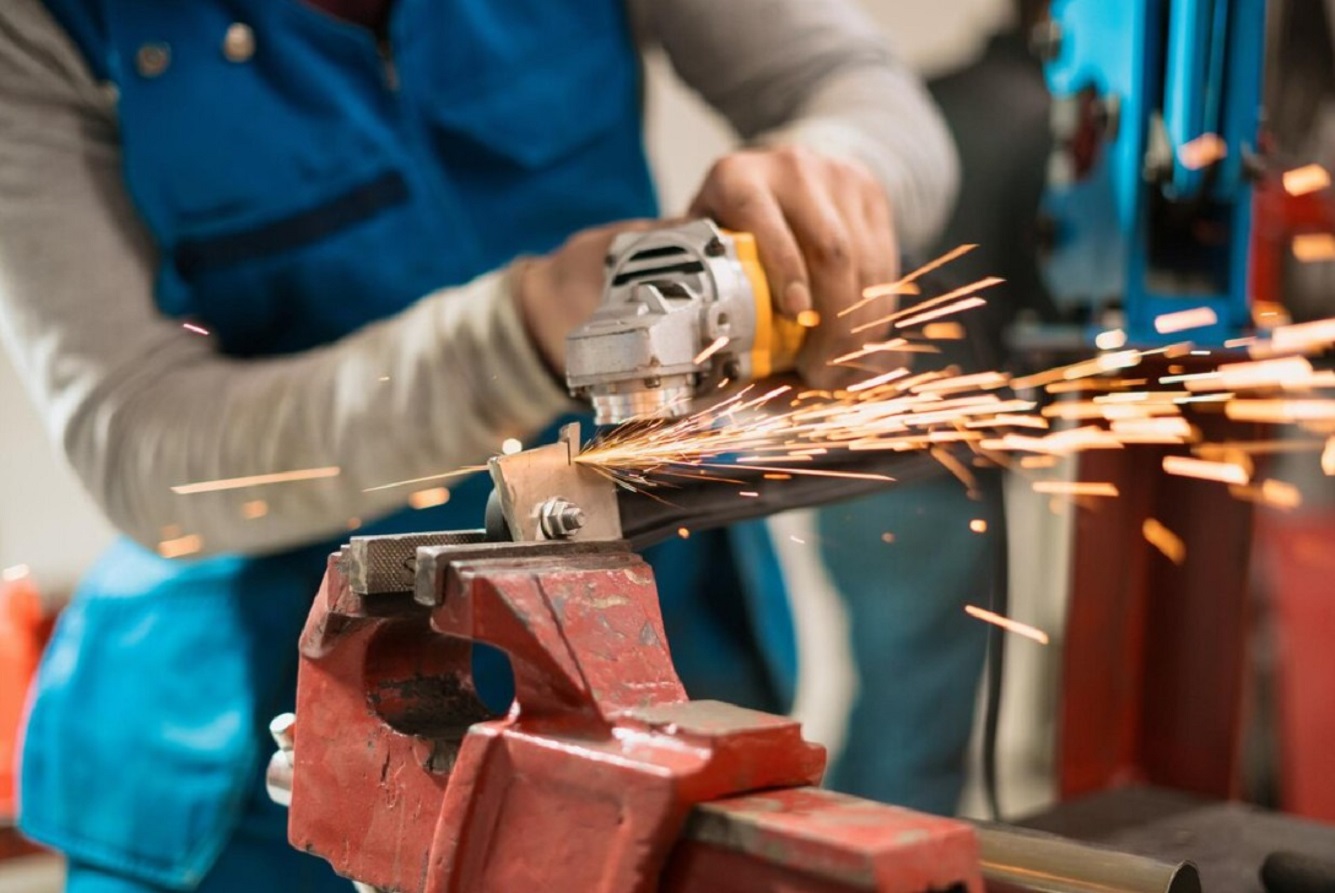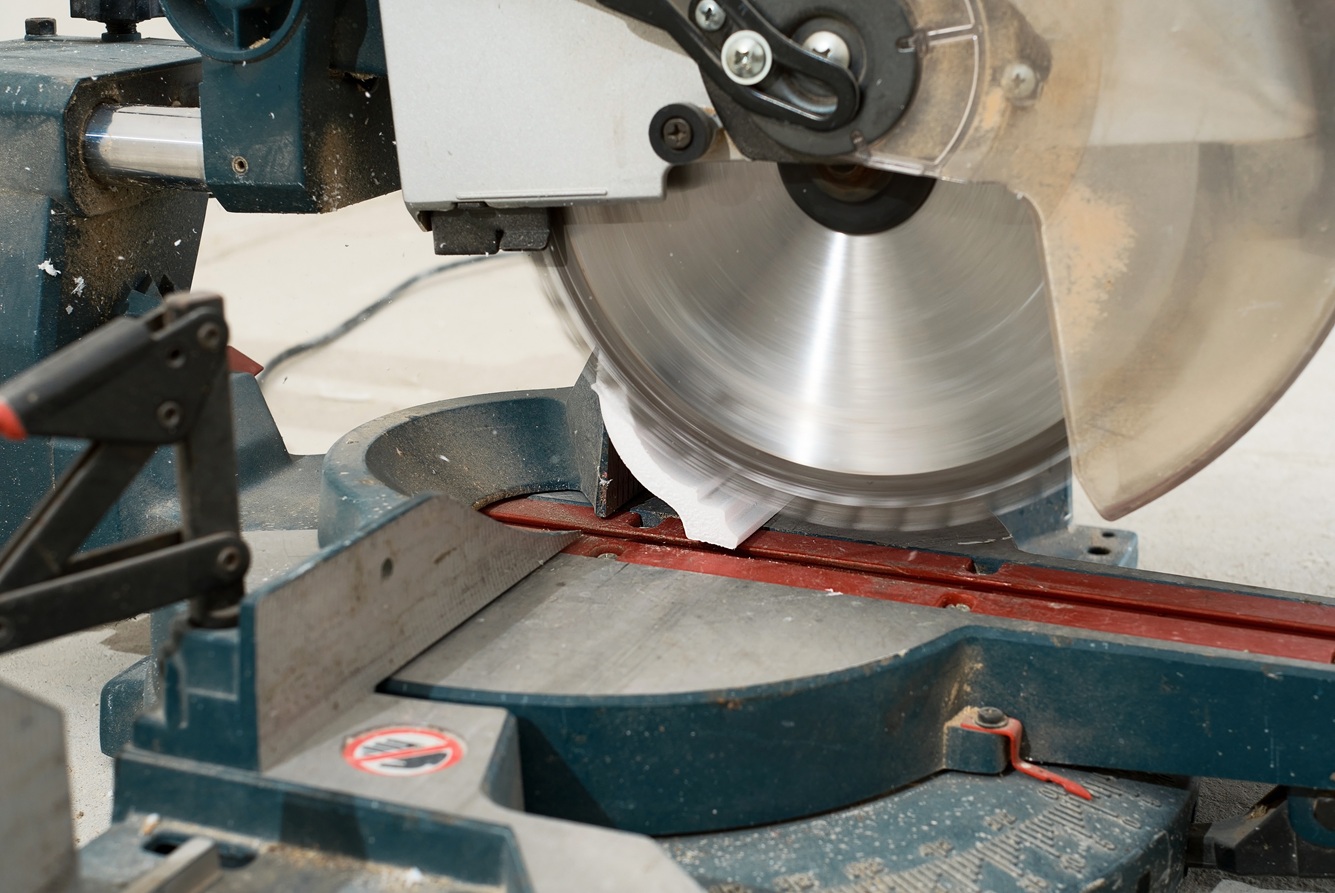
Metal Band Saw Maintenance Tips for Longer Blade Life

A metal band saw is a popular tool for cutting various metals. Metal sawing uses a variety of tools, including a metal cutting saw, a metal cut-off saw, or a circular metal cutting saw. Still, the common thing among all these tools is that they can only deliver the desired results when kept in optimal condition. It means a blade works best when properly maintained.

Without proper maintenance, even the best quality blades can wear out quickly, leading to downtime, increased costs, and inconsistent cuts.

This blog discusses the causes of blade wear and how to extend the blade’s lifespan. Read on!

How Metal Band Saw Blades Wear Out?

Metal band saw blades wear out due to friction, heat buildup, and improper cutting conditions. Other common causes include dull teeth, incorrect blade tension, poor coolant flow, and excessive cutting speeds.

Most of the time, blades fail mid-operation due to improper blade selection, insufficient lubrication, or the use of a poorly maintained saw, even on harder metals like stainless steel.

Unlike tools such as a metal hole saw or an 8-hole saw, band saw blades remain in continuous contact with the metal, making proper maintenance even more critical.

Daily Metal Band Saw Maintenance Checklist

If you use metal saws frequently or have a workshop, daily maintenance is crucial. Check out some simple routine tips:

  • Inspecting the blade for cracks or missing teeth
  • Checking blade alignment and tracking
  • Cleaning metal chips from the saw bed and guides
  • Verifying coolant levels and flow
  • Ensuring guide bearings move freely

These steps take only minutes but can greatly improve blade longevity.

Proper Blade Tensioning for Longer Blade Life

A metal band saw sits between two points of a machine and passes through the metal at a certain speed to cut through it. If a blade is not properly used, i.e., the correct blade tension isn’t achieved, the blade may wander, causing uneven cuts. On the other hand, over-tensioning leads to blade fatigue and breakage.

Follow the manufacturer’s recommended tension settings and recheck tension periodically, especially after installing a new blade. Proper tension helps your metal band saw maintain straight, accurate cuts with less stress on the blade.

Optimizing Cutting Speed and Feed Rate

Modern machines offer multiple sawing speeds that depend on material hardness and thickness. Monitoring feed rate is also important. Running the blade too fast generates excessive heat, while feeding too slowly can cause tooth wear and dulling.

For example:

  • Softer metals require higher speeds
  • Harder metals like stainless steel need slower speeds
  • Consistent feed pressure prevents tooth chipping

Optimized settings reduce wear and help your metal cutting band saw perform efficiently.

Importance of Coolant and Lubrication

As the band saw passes through the metal, friction generates heat; thus, a coolant is crucial to reduce it. Proper lubrication prevents metal from welding to the blade teeth and helps flush away chips.

It is especially important when cutting materials with tools like a hole saw for stainless steel or a metal-cutting circular saw, where heat buildup can be severe. Always ensure coolant nozzles are properly aimed and that the fluid is clean and at the correct concentration.

Blade Selection Tips That Reduce Wear

Choosing the right blade is the most important factor in reducing blade wear. It makes a significant difference in performance and durability.

Here are some key considerations in choosing a metal sawing blade:

  • The tooth pitch, i.e., number of teeth per inch, should be matched to the material. The softer the metal, the lesser the TPI.
  • The blade material should be appropriate for the metal type
  • Choose variable-pitch blades for mixed materials.

Using the wrong blade damages the blade and the material, leading to excessive wear.

Proper Break-In Procedure for New Band Saw Blades

If you are a beginner, you might be unaware of this step, but breaking in a blade is very important. The new blades have sharper teeth and must be rounded off for optimum performance.

Here are the tips to break in a blade:

  • Reduce cutting speed and feed rate by 50%
  • Cut for the first 10–15 minutes
  • Gradually increase to normal operating levels

This simple process significantly improves blade lifespan.

Common Metal Band Saw Maintenance Mistakes to Avoid

There are some common mistakes that experts avoid easily due to their knowledge and expertise, saving time and money. These common mistakes include:

  • Running dull blades too long
  • Ignoring blade tracking issues
  • Using incorrect cutting speeds
  • Neglecting coolant maintenance
  • Skipping regular inspections

Every tool, including high-performance equipment, needs proper techniques to deliver consistent results.

Maintenance Comparison: Band Saw vs Other Metal Cutting Saws

Compared to metal-cutting saws, such as a metal-cutting band saw, band saws require more frequent blade inspections but offer smoother cuts and less material waste. Circular saws and cold saws often require less blade-tension management but still require careful chip and heat control.

Whether you have a band saw, an 8-hole saw, or a circular saw, proper maintenance is non-negotiable.

Conclusion

Maintaining a metal band saw doesn’t require a rigorous routine; a few simple daily tips maximize blade life, improve cut quality, and reduce operational costs. These tips, as discussed above, include proper lubrication, maintaining an ideal cutting speed, correct blade tension, and routine inspection.

However, as a DIYer, you do not need to invest in a metal-cutting circular saw, a cold saw, or an 8-hole saw, because you can get the best metal-sawing services at New Mexico Metals LLC. We offer an extensive range of metal-related services, including metal sawing. Whether you need uniform sheets or large cuts using an 8-hole saw, we can do it for you.

Contact us today to learn more!

Frequently Asked Questions

Que: How often should a metal band saw blade be replaced?

Ans: The replacement depends on usage, material type, and maintenance. Blades can last for several months or longer with proper care.

Que: What shortens the life of a metal band saw blade the most?

Ans: poor lubrication, incorrect blade tension, skipping blade break-in, etc., impact the blade’s life the most.

Que: Can I use the same blade for different metals?

Ans: No, you need different blades for different metals, based on their properties.

Que: How is a metal cutting band saw different from a metal cutting circular saw?

Ans: A metal band saw offers smoother finishing, while a circular saw is faster but generates more heat and noise.

Que: Do Evolution metal cutting saws require the same maintenance?

Ans: While evolution metal-cutting saws require less blade-tension management, they still require regular blade inspections, cleaning, and proper speed control.

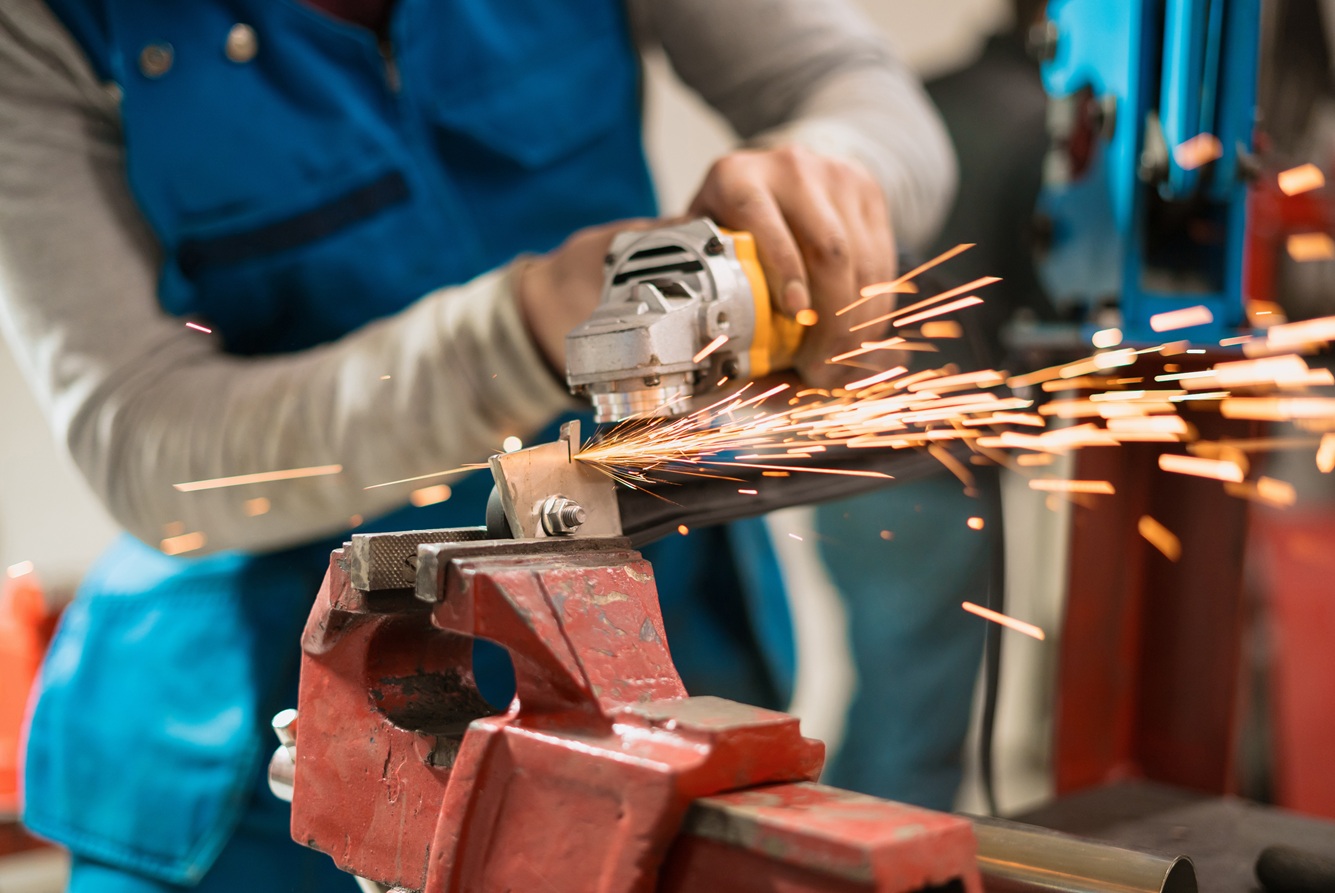
What Industries Use Sheet Metal Cutting and Bending Most?

Sheet metal cutting and bending are part of your everyday life, as the various things you use and see around you are created using the two processes. These processes play a vital role in shaping products and structures across sectors, including construction, automotive, manufacturing, and aerospace.

Modern technologies such as laser cutting and bending have contributed to increasing demand for advanced metal bending services, as industries continue to depend heavily on these processes.

If you are curious and want to know which industries most rely on sheet metal cutting and bending, this blog is for you. It will help you make informed decisions when sourcing materials or selecting sheet metal bending services that meet your operational needs.

What Is Sheet Metal Cutting and Bending?

Sheet metal cutting and bending involve shaping metal sheets into functional components—cutting determines the size and dimensions, while bending gives the metal its structure.

Sounds simple, right? In reality, these processes demand precision and expertise. Metal can easily deform, crack, or warp under pressure, leading to material waste and higher production costs if not handled correctly.

Sheet metal cutting and bending are often used with steel, aluminum, stainless steel, and other alloys. The two processes offer versatility, strength, and cost efficiency.

Industries That Rely Most on Sheet Metal Cutting and Bending

The following industries rely the most on metal cutting and bending:

Automotive Industry

In the automotive industry, metal cutting and bending are used for vehicle frames, panels, brackets, and reinforcements. The sector demands precision. Tools like an aluminum bender are commonly used for lightweight components that improve fuel efficiency.

Construction and Architecture

Laser cutting and bending create roofing, cladding, frames, staircases, and structural supports from sheet metal. If you want consistent angles and strong load-bearing components, search for a reliable “metal bending service near me” to find an expert.

Aerospace and Aviation

In aerospace, accuracy and material integrity are essential. Laser cutting and bending are used to produce high-precision parts that meet strict safety and performance standards.

Manufacturing and Industrial Equipment

Factories and industrial facilities use sheet metal for machine housings, enclosures, guards, and frames. A metal roller bender produces curved components for tanks, ducts, and protective covers.

HVAC and Ventilation Industry

HVAC systems use metal cutting and bending machines for ducts, vents, and air-handling units. Secure fittings and smooth airflow can be ensured by relying on professional sheet metal bending services.

Electronics and Electrical Industry

The electrical industry relies on sheet metal cutting and bending to create electrical cabinets, control panels, and enclosures. Accurate bending ensures proper component placement and cable management while maintaining safety standards.

Renewable Energy Sector

Solar panels, wind turbines, and energy storage systems use sheet metal components for frames and housings. Durable and precisely bent metal supports long-term outdoor performance.

Tools and Equipment Used in Sheet Metal Cutting and Bending

Check out the different tools that professionals use to cut and bend the sheet metals correctly:

Sheet Metal Bender

This tool is used to bend flat metal sheets accurately and is used in construction, HVAC, and industrial applications.

Metal Roller Bender

A bender can bend cylindrical shapes with considerable ease. It’s used to produce rounded components such as tanks, pipes, and architectural features.

Aluminum Bender

An aluminum bender, as the name suggests, is used to shape lightweight components, allowing smooth bends without cracking or surface damage. It is widely used in automotive and aerospace applications.

Why Industries Prefer Professional Metal Cutting and Bending Services?

Industries prefer professional metal cutting and bending over in-house processing due to the following reasons:

  • High precision and repeatability
  • Access to advanced equipment
  • Reduced material waste
  • Faster turnaround times
  • Consistent quality across large volumes

Browsing “sheet metal bending near me”? Visit New Mexico Metals LLC, the specialized provider that can efficiently handle your complex requirements.

How to Choose the Right Sheet Metal Cutting and Bending Partner?

Here are a few factors to consider when you are choosing a metal cutting and bending partner:

  • Experience with multiple industries
  • Capability to handle various metals and thicknesses
  • Availability of modern-day equipment, such as laser cutting and bending systems
  • Commitment to quality control and safety
  • Faster turnaround
  • A good reputation among industry professionals
  • Exceptional customer service and onsite assistance
  • Competitive pricing

A dependable partner understands your needs, has ample industry experience, and helps you navigate challenges on the project.

Conclusion

There aren’t many industries that don’t rely on metal cutting and bending, as discussed in the blog above.

However, the most important thing is that you need experienced professionals to handle metal cutting and bending for your project, ensuring excellent-quality products and components.

Thus, visit New Mexico Metals LLC. We offer a complete range of metal-related services, including laser cutting and bending, and we believe in delivering quality to all our clients, whether retail or wholesale.

If you are seeking “metal bending services near me”, we are here for you. Contact us today!

Frequently Asked Questions

Que: What industries use sheet metal cutting and bending the most?

Ans: Automotive, construction, manufacturing, HVAC, electronics, etc., are some of the industries that rely heavily on metal cutting and bending.

Que: What is the difference between a sheet metal bender and a metal roller bender?

Ans: A sheet metal bender is used to bend flat metal sheets, while a metal roller bender transforms cylindrical shapes.

Que: Why is laser cutting and bending preferred in manufacturing?

Ans: Laser cutting and bending offer high precision, cleaner edges, and minimal material waste, and thus, are preferred by industries.

Que: What materials are commonly used in sheet metal cutting and bending?

Ans: Steel, aluminum, stainless steel, and copper are the most commonly used materials.

Que: Should businesses outsource metal cutting and bending services?

Ans: Businesses need access to advanced tools and consistent quality that only skilled operators can offer, and thus, they must outsource metal cutting and bending services.

Metal Shear Cutter Guide: From Manual to Electric Options

Cutting metal into smaller parts is often the first step in many industrial and construction-related processes. Metal sheets are usually shipped in uncut forms and must be cut accurately to prepare them for the intended use.

Whether you are working with thin sheets or thick steel plates, using the right sheet metal shear is important as it impacts efficiency, safety, and overall results.

Today, a wide variety of sheet metal shears is available, but it is important to know when to use an electric shear or a hydraulic shear for a specific task.

This blog discusses metal shears in detail, a complete cutter guide covering manual shears to powered alternatives.

Read on!

Read more: Which Electric Metal Shears Work Best for Heavy-Duty Jobs?

What Is a Sheet Metal Shear?

It is a cutting tool designed to slice metal sheets cleanly without producing excessive heat or sparks. Unlike abrasive cutting methods like sawing, waterjet cutting, or chop sawing, shearing relies on mechanical force to separate metal along a straight or curved line.

These shears are used across a variety of metals, including steel, aluminum, and copper.

Types of Metal Shear Cutters Explained

Check out the different kinds of sheet metal shears:

Manual Sheet Metal Shears

Manual shears are the oldest shear types, which are still trusted for light-duty and thin materials. These shears are operated by physical force. These tools are simple, affordable, and easy to use, but require significant effort for thicker metals.

Electric Metal Shears

Electric metal shears use a powered motor to cut through metal with minimal effort. They offer faster speeds and consistent results, making them suitable for medium-duty tasks and repetitive work.

Electric Drill Shears

Electric drill shears attach to standard power drills and convert rotational motion into cutting action. These tools provide flexibility and portability, making them useful for on-site work where space or power sources are limited.

Hydraulic Shear Machines

Hydraulic machines use hydraulic force to cut through thicker sheet metals with ease. They are known for heavy-duty applications and precision.

Manual vs Electric vs Hydraulic Shears: Key Differences

Here are the key differences between the three metal shear types:

  • Manual shears are best for small projects and thin materials.
  • Electric shears balance power and portability, ideal for frequent cutting tasks.
  • Hydraulic metal shears excel in high-volume or thick-material applications where strength and consistency are essential.

You must evaluate your needs and consult an expert to determine which shears would work best for you, providing superior performance and durability.

How to Choose the Best Metal Shear Cutter?

Consider the following factors when choosing a metal shear cutter:

Material Thickness: For thicker metals, hydraulic shears are best; for thin sheets, manual shears are best.

Type of Metal: Harder metals, such as carbon steel or tool steel, require electric or hydraulic solutions.

Cutting Frequency: You can use manual shears for DIY tasks, but for high-frequency cutting, powered tools are preferred.

Portability: Working on site? Electric drill shears are ideal for the same.

Precision Requirements: Powered systems are known for cleaner edges and accuracy.

If you are a DIYer, investing in equipment can be an expensive decision. However, for workshops handling diverse materials, electric shears or hydraulic metal shears can improve productivity and consistency.

Sheet Metal Shear Safety and Best Practices

As safety is paramount during metal shearing, here are a few safety practices that must be followed:

  • Wearing cut-resistant gloves and eye protection
  • Securing the metal sheet before cutting
  • Keeping hands clear of cutting edges
  • Avoiding excessive force that may damage blades
  • Following manufacturer-recommended operating speeds

These are proven tips that reduce the risk of injury and ensure cleaner, more controlled cuts.

Read more: How Do Sheet Metal Cutting Machines Ensure Precision Every Time?

Maintenance Tips for Metal Shear Cutters

Sheet metal shears are a significant investment and must be maintained properly to extend their lifespan. Here are some tips to ensure consistent performance:

  • Clean blades after each use
  • Inspect cutting edges for wear or damage
  • Lubricate moving parts as recommended
  • Replace dull blades promptly
  • Store tools in dry, controlled environments

Make it a habit to keep your metal shears in top condition and achieve quality results with every cut.

Common Applications of Electric Shears and Hydraulic Shears

Powered shears are preferred for the following:

  • Cutting steel and aluminum sheets
  • Preparing materials for bending or punching
  • HVAC ductwork and panels
  • Structural components and enclosures
  • Industrial metal processing

Electric sheet metal shears are preferred for medium-duty applications, while hydraulic shear systems are used for thick plates and continuous production environments.

Conclusion

Understanding the differences between manual, electric, and hydraulic metal shears is crucial for choosing the right tool for your project. As discussed in the blog, manual metal shears are useful for light tasks, electric metal shears remain useful for medium-duty applications, and hydraulic metal shears are used for heavy-duty and industrial applications.

While manual shears are easy to use, it is recommended to hire a professional for medium- to heavy-duty tasks. New Mexico Metals LLC is the right choice for metal shearing services in Albuquerque. We offer a complete range of metal-related services, including sawing, cutting, bending, punching, notching, and more. We can also guide you to choose the right sheet metal shears for your project.

Contact us for more information!

Frequently Asked Questions

Que: What is the difference between electric shears and electric drill shears?

Ans: Electric shears are standalone powered tools, while electric drill shears attach to a drill and use its motor for cutting.

Que: Can electric metal shears cut stainless steel?

Ans: Yes, electric metal shears can cut stainless steel if you use the right tool as per the sheet’s thickness.

Que: When should I choose a hydraulic shear instead of an electric shear?

Ans: A hydraulic shear is best suited for thick metals, high-volume cutting, and heavy industrial applications.

Que: Are sheet metal shears suitable for curved cuts?

Ans: Yes, sheet metal shears can handle gentle curves with precision.

Que: How long do metal shear cutter blades last?

Ans: Blade life depends on material type, cutting frequency, and maintenance. With proper care, blades can last for extended periods before needing replacement.

Precautions To Take During Metal Sawing

Precautions To Take During Metal Sawing

Metal sawing isn’t something you perform every day at home. It is a rare situation when you are either working on a big building project for your home or if you have developed this love for metal sawing. In any case, you need to take precautions to keep yourself safe because it might look easy, but it is a dangerous task as tools are sharp and not suitable for a beginner.

Choose The Right Tool

The same blade can’t cut all types of metal. For example, using a heavy cutter for a thin metal sheet or tool will enhance the risk of metal slipping due to pressure. Thus, it’s important to choose the right blade for the right material.

Blades are of two types- ferrous and non-ferrous. As the name suggests, ferrous blades are used to cut ferrous metals such as iron and cast iron. On the other hand, non-ferrous blades are used to cut softer metals like aluminum. Bi-Metal blades are a popular choice because they can cut either ferrous or non-ferrous materials that are not heat-treated.

Protect Yourself with The Safety Gear

One must undertake the metal sawing process after wearing proper safety gear. For heavy metal sawing, CSA-certified personal protective equipment is essential. One must also wear gloves to lessen the danger from friction and vibration. Your eyes also need protection, and safety glasses are mandatory. If you are working on a home project and lack PPE and other safety gear, wear your shades to protect your eyes.

Protection should be your priority, even if you are a pro, and you must always wear PPE.

Adopt The Right Metal Sawing Technique

To get the desired results, adopt the correct technique.

Before starting, choose the right blade. Take the help of an expert, if needed.

Wear your PPE, and get the material ready. Measure the material and mark it to make the right cuts. No matter what metal sawing tool you use, always clamp down the metal. At home, it is not possible to have professional tools, so it is advised to get your metals cut by a professional.

The speed and feed rate of cutting are also crucial. Harder metals require a precise and slow cut. However, even thin metals require steady sawing for smoother cuts.  Softer materials can be cut with a higher speed and feed than harder materials.  Consult a manual when selecting the speed and feeds of the cutting technique you use.  Be very careful when attempting to cut heat-treated or exceptionally hard materials as they typically require special cutting tools or blades.

Choosing The Right Metal Saw 

There are different types of metal sawing machines. You don’t need those heavy industry machines if you are a DIYer. A handheld saw may look like the easiest option, but it is not. For a DIYer, a chop saw is best. It is stable and comes with a protective guard. It can cut all types of metals, but it might not be helpful if you are into sheet sawing. Chop saw is portable, easy to use, and can make straighter cuts on thin and thick metals.

It has a platform to clamp down the metal and offers safer cuts for inexperienced people. Their only con is- they are high-priced, but if you cut metal regularly, it is a good investment.

Get The Required Training

It might sound like an exaggeration and unnecessary for a one-time project, but if you often undertake metal sawing projects, then acquiring the training should be on your list. Of course, you don’t need the heavy training required to undertake industrial projects, but you can intern with an expert and learn the basics.

Choose An Affordable Option

Investing in a chop saw makes no sense if you are doing a one-time project. Considering your metal sawing needs, go for a manual tool. Tools like a bandsaw, handsaw, tin snips, an angle grinder, metal air shears, etc., are some of the metal sawing tools which you can use. They are affordable and effective.

Don’ts of Metal Sawing

These are some essential don’ts you must avoid whenever you are sawing.

  • Never stand in front of the cutting machine when starting it. The blade might not be in place, resulting in drastic results.
  • Do not exceed the maximum operating speed.
  • Never use a chipped or cracked wheel. It will affect the cuts and send the metal chips flying, which can be life-threatening.
  • Always use the right-sized blade. If a blade doesn’t fit the machine, don’t force it and get another one that does.
  • Never start a machine without a safety guard.
  • Do not force cut.
  • Never use mounting flanges which are not clean, flat, and equal.

Best Metal Sawing Services in Albuquerque

Metal sawing requires technical expertise, the right tools, training, and equipment to make the right cuts. It isn’t easy and shouldn’t be undertaken if one lacks proper training.

We offer premium metal sawing services at New Mexico Metals LLC, Albuquerque. We are proud to inform you that we meet retail and wholesale needs. So, be it your DIY or heavy-duty project, we can cut the metal for you. Our state-of-the-art sawing machines and expert staff will tend to all your needs and assist you in making your project a success.

Visit us today or contact us anytime.


What Is Metal Shearing and Its Advantages Over Other Cutting Methods?

Metal Shearing Machine in Albuquerque

Metal cutting requires precision, clarity, and minimum possible waste. Several methods are used for cutting, but which one is best? Metal shearing is one of the cutting methods that is the most common and is used extensively by metal suppliers and manufacturing giants. So, what is the shearing process and why is it so popular?

What Is Metal Shearing Method?

Shearing is a process that uses shear force on metal to cut it. Metal is placed down on a bench or a hold down. A square arm positions the cut. The blade is attached to a tool or a machine. There are two blades, a lower blade and an upper blade. When the metal is put into place, the blade cuts it down with force, giving clear edges and cuts. The lower blade usually remains stationary.

Why Metal Shearing Is Better Than Other Cutting Methods?

Several other metal cutting methods are available, but the shearing process is the cutting method most widely used. The shearing process is not a panacea for all metal cutting needs, but its advantages make it one of the best metal cutting methods.

Why? Here are the answers:

It Provides Clear Cuts

One of the greatest benefits of metal shearing is straight and clean cuts which are not offered by any other cutting method. Be it laser cutting or plasma cutting, the edges aren’t as smooth as shearing. The blades in the shearing process slide along the metal sheet with great force, leaving a clean cut.

Straighter Lines

The shearing process is best for cutting metals and provides straighter cuts than any other method. The hold downs keep the metal in place, allowing the blades to make straighter cuts. The method will leave you in awe with its perfect, straight lines.

Minimum Waste

Unlike sawing, or grinding, which results in metal wastage, shearing is an efficient process. The material is cut with much precision, and there is a bare minimum or even zero wastage of metal, which makes it the best metal cutting process.

It Is Best Suited for Soft Metal

Soft metals like bronze, aluminum, brass, or thin steel sheets need gentle cutting. Sawing, grinding, welding, flaming, etc., damage these metals. Shearing involves a blade that doesn’t saw, melt, or grind the metal, making it a perfect cutting method for softer metals.

Best For High-Output Industries

Shearing takes less time than welding, flaming, plasma cutting, and grinding. High volume applications that cut thousands of metal sheets every day require a process that is fast, efficient, and low cost. The shearing metal cutting method fits this requirement.

Is Shearing the Perfect Metal Cutting Method?

No method is perfect. Every method has its pros and cons. The shearing method is no different.

Some of the cons of the shearing process are:

  • It is not suitable for harder metals like tungsten.
  • It is not ideal for lengths less than 0.25”.
  • The straight and clean cuts depend mainly on the metal being cut. It can leave the metal deformed if the blades don’t hit right.
  • It is not suitable for thick plates.
  • It is less expensive.
  • It is much faster than other cutting methods.

Despite the disadvantages, the shearing process offers cleaner, straighter, and less deformed cut metals, which makes it stand out from other metal cutting methods.

Shearing At NM Metals

NM Metals is one of the best metal suppliers in New Mexico. Apart from offering high-quality metals and thousands of metal products, we offer the best services in town and nearby areas. We boast of our quality and our well-trained staff.

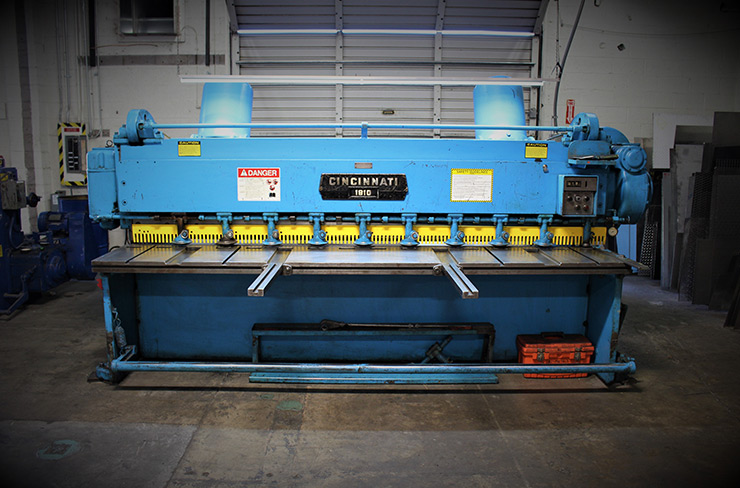
Shearing is one of the services we offer. We have three different shearing machines. The Cincinnati mechanical squaring shear can cut metal ultrathin. Its shear tolerance is +/- 1/16th, which makes it one of the best shear machines. It can cut steel, stainless steel, mild steel, aluminum, bronze, copper, alloy sheet, Nickel sheet, #8 mirror, and many more.

We have another shear that is a Pexto Model mechanical squaring shear which can shear 12-gauge x 52” capacity. Its shear tolerance is +/- 1/16th and is one of our best shearing machines.

The third shearing machine is out GEKA Ironworker which will shear plate and bar up to .375” thick and 14” wide.  It will also shear Steel Angles up to 4” X 4” X 0.375”, Low Carbon Square Bar, and Round Bar up to 1.5”.

At NM Metals, we believe in precision and maintaining quality throughout our processes, thus providing you with the cleanest and most perfectly sheared metals.

You can drop by anytime and contact us at your convenience. Quality awaits you at NM Metals.