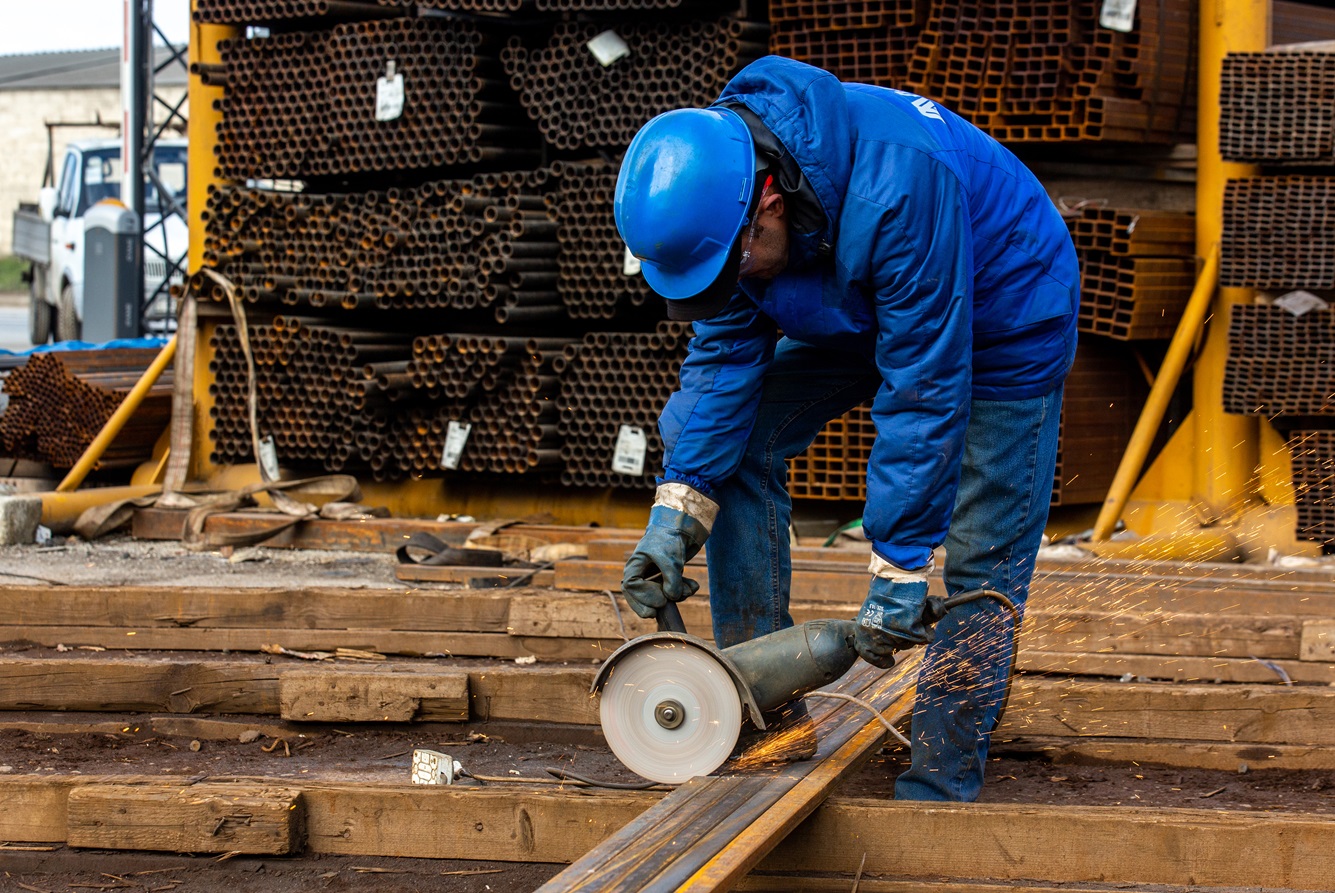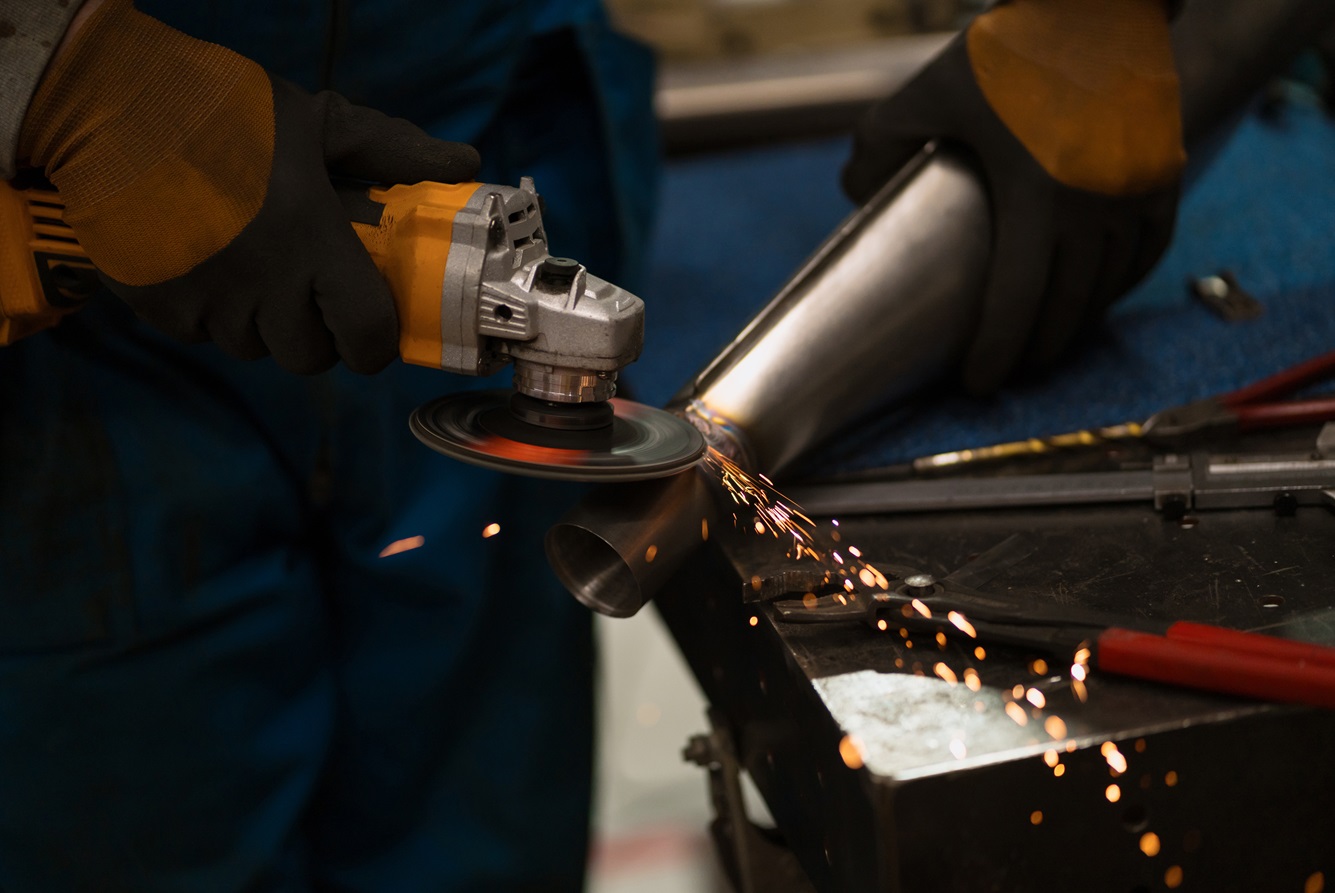
Which Metal Shearing Method Gives the Cleanest Cut?

Summary

What matters most during the shearing process is the method you choose. Multiple methods, tools, and technologies exist, and they must align with your needs to achieve cleaner, accurate cuts while minimizing waste and finishing work. Tools such as sheet metal shears, hydraulic metal shears, and electric sheet metal shears are common, but each serves a specific purpose, as discussed in this blog.

The key highlights are:

  • Hydraulic shears typically provide the cleanest and most consistent cuts
  • Electric sheet metal shears are ideal for light to medium-duty precision work
  • Electric drill shears offer flexibility, but may sacrifice edge smoothness
  • Heavy-duty metal shears support thick and high-strength materials
  • Proper blade alignment, material type, and machine settings directly impact cut quality
  • How the right method selection improves accuracy, reduces finishing time, and enhances overall productivity.

Metal shearing is known for producing clean and accurate straight cuts, but are these results automatic, or do the tools used play an important role?

Today, the need for metal shearing is greater than ever, as it is used across almost every major industry, including construction, manufacturing, automotive, electrical appliances, and industrial production. These industries seek quality cuts to improve structural performance, assembly precision, and overall project efficiency.

This blog discusses the various methods used to achieve the desired results and which method is best suited to each application.

Read on!

What Determines the Cleanliness of a Metal Shearing Cut?

Key Factors That Affect Cut Quality

Several factors influence how clean a shearing cut will be:

  • Blade sharpness and alignment
  • Material thickness and hardness
  • Cutting speed and pressure
  • Machine stability and operator precision
  • Clearance between shear blades

When these factors are properly balanced, metal shearing produces smooth edges with minimal burr formation.

Clean Cut vs Rough Cut: What to Look For

The qualities of a clean cut are:

  • Smooth edges with minimal burrs
  • Straight and uniform cut lines
  • Minimal distortion or warping

On the other hand, a rough cut shows jagged edges, bending, or excessive material stress.

Common Metal Shearing Methods

There are multiple types of shearing tools used for distinct needs, including manual shears, electric sheet-metal shears, heavy-duty metal shears, and advanced hydraulic shear systems.

These are discussed in detail below for your better understanding:

Electric Sheet Metal Shears

These are used for thinner materials. These tools feature a powered blade that moves quickly and consistently, allowing operators to produce straight or curved cuts with minimal effort.

Advantages of electric metal shears include:

  • Smooth cutting action with reduced operator fatigue
  • Suitable for light to medium gauge metals
  • Good control for detailed cutting work

These tools can produce cleaner cuts on thinner materials, but can’t apply the extreme force required to cut harder, thicker metals.

Electric Drill Shears

Electric drill shears attach to power drills and convert rotational movement into cutting motion. They offer portability and flexibility for on-site work.

Cleanliness of Cut

These are best suited for rough cuts because the drill shears create vibration due to the attachment, which affects edge smoothness.

Ideal Applications

Electric drill shears work best for:

  • Field repairs and maintenance
  • Light sheet metal trimming
  • Applications requiring mobility

They are versatile but less effective than hydraulic shearing systems.

Hydraulic Shear

A hydraulic shear is a favorite among industries because it produces quick, clean, and smooth edges. It uses pressurized hydraulic systems to apply a consistent force across the entire cutting blade. This controlled pressure ensures uniform cutting performance across thick or high-strength metals.

Why Do Hydraulic Shears Deliver the Cleanest Cuts?

They offer:

  • Even force distribution across the blade
  • Reduced vibration and material distortion
  • Precise blade alignment and clearance control
  • Capability to handle thick and heavy-duty materials

These advantages make heavy-duty metal shears ideal for industrial production.

Ideal Applications

Hydraulic shears are commonly used for:

  • High-volume production environments
  • Cutting thick steel and industrial metals
  • Projects requiring consistent, burr-free edges

Conclusion

In industrial settings, multiple methods are used simultaneously to produce a range of cut items. Electric metal shears, drill shears, and hydraulic shears work together to produce the most reliable cuts.

The choice of method remains with the expert, who ensures the right tool is used for the operation and that the desired results are achieved.

Thus, you need a reliable metal shearing expert on your team, such as New Mexico Metals LLC. We are known for our excellent service in Albuquerque. We understand industrial needs, embrace technology, and work as a reliable partner to deliver the most efficient solutions for their cutting needs.

Contact us today for more details!

Frequently Asked Questions

Que: Which metal shearing method produces the smoothest edges?

Ans: Hydraulic shears are the best among shears that can produce the cleanest cuts in less time.

Que: Are electric sheet-metal shears good for clean cuts?

Ans: Yes. Electric sheet-metal shears produce clean cuts for thin and medium-gauge metals.

Que: Do electric drill shears damage sheet metal edges?

Ans: Electric drill shears usually do not damage metal but may produce slightly rougher edges compared to hydraulic or dedicated electric shears.

Que: What is the best sheet metal shear for stainless steel?

Ans: Stainless steel is a hard metal, and hydraulic shears are best suited for harder metals, thus providing the force and stability needed to cut it.

Que: Is metal shearing better than cutting for clean edges?

Ans: Metals shearing is preferred for producing faster, straighter, and cleaner cuts than metal cutting.

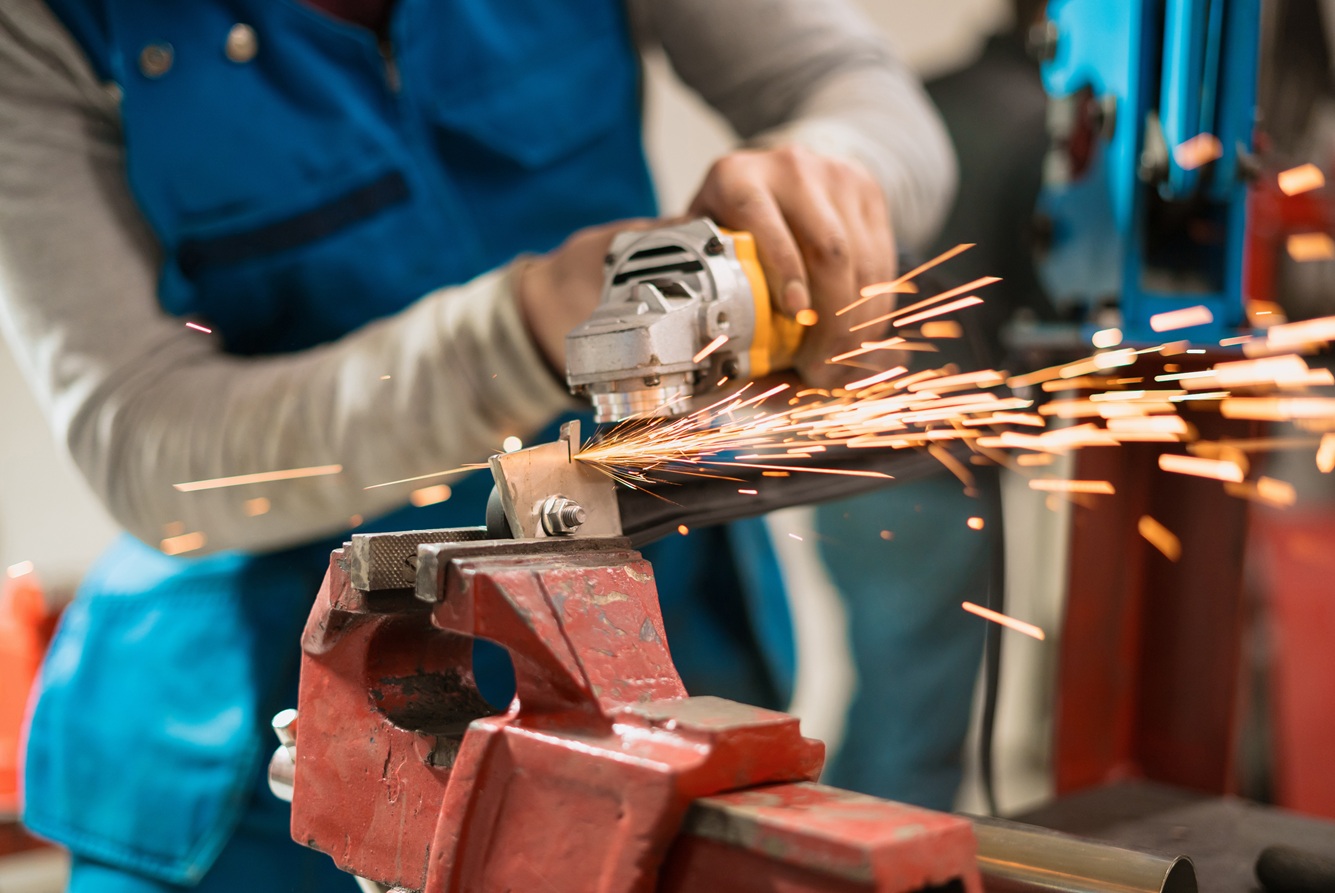
What Industries Use Sheet Metal Cutting and Bending Most?

Sheet metal cutting and bending are part of your everyday life, as the various things you use and see around you are created using the two processes. These processes play a vital role in shaping products and structures across sectors, including construction, automotive, manufacturing, and aerospace.

Modern technologies such as laser cutting and bending have contributed to increasing demand for advanced metal bending services, as industries continue to depend heavily on these processes.

If you are curious and want to know which industries most rely on sheet metal cutting and bending, this blog is for you. It will help you make informed decisions when sourcing materials or selecting sheet metal bending services that meet your operational needs.

What Is Sheet Metal Cutting and Bending?

Sheet metal cutting and bending involve shaping metal sheets into functional components—cutting determines the size and dimensions, while bending gives the metal its structure.

Sounds simple, right? In reality, these processes demand precision and expertise. Metal can easily deform, crack, or warp under pressure, leading to material waste and higher production costs if not handled correctly.

Sheet metal cutting and bending are often used with steel, aluminum, stainless steel, and other alloys. The two processes offer versatility, strength, and cost efficiency.

Industries That Rely Most on Sheet Metal Cutting and Bending

The following industries rely the most on metal cutting and bending:

Automotive Industry

In the automotive industry, metal cutting and bending are used for vehicle frames, panels, brackets, and reinforcements. The sector demands precision. Tools like an aluminum bender are commonly used for lightweight components that improve fuel efficiency.

Construction and Architecture

Laser cutting and bending create roofing, cladding, frames, staircases, and structural supports from sheet metal. If you want consistent angles and strong load-bearing components, search for a reliable “metal bending service near me” to find an expert.

Aerospace and Aviation

In aerospace, accuracy and material integrity are essential. Laser cutting and bending are used to produce high-precision parts that meet strict safety and performance standards.

Manufacturing and Industrial Equipment

Factories and industrial facilities use sheet metal for machine housings, enclosures, guards, and frames. A metal roller bender produces curved components for tanks, ducts, and protective covers.

HVAC and Ventilation Industry

HVAC systems use metal cutting and bending machines for ducts, vents, and air-handling units. Secure fittings and smooth airflow can be ensured by relying on professional sheet metal bending services.

Electronics and Electrical Industry

The electrical industry relies on sheet metal cutting and bending to create electrical cabinets, control panels, and enclosures. Accurate bending ensures proper component placement and cable management while maintaining safety standards.

Renewable Energy Sector

Solar panels, wind turbines, and energy storage systems use sheet metal components for frames and housings. Durable and precisely bent metal supports long-term outdoor performance.

Tools and Equipment Used in Sheet Metal Cutting and Bending

Check out the different tools that professionals use to cut and bend the sheet metals correctly:

Sheet Metal Bender

This tool is used to bend flat metal sheets accurately and is used in construction, HVAC, and industrial applications.

Metal Roller Bender

A bender can bend cylindrical shapes with considerable ease. It’s used to produce rounded components such as tanks, pipes, and architectural features.

Aluminum Bender

An aluminum bender, as the name suggests, is used to shape lightweight components, allowing smooth bends without cracking or surface damage. It is widely used in automotive and aerospace applications.

Why Industries Prefer Professional Metal Cutting and Bending Services?

Industries prefer professional metal cutting and bending over in-house processing due to the following reasons:

  • High precision and repeatability
  • Access to advanced equipment
  • Reduced material waste
  • Faster turnaround times
  • Consistent quality across large volumes

Browsing “sheet metal bending near me”? Visit New Mexico Metals LLC, the specialized provider that can efficiently handle your complex requirements.

How to Choose the Right Sheet Metal Cutting and Bending Partner?

Here are a few factors to consider when you are choosing a metal cutting and bending partner:

  • Experience with multiple industries
  • Capability to handle various metals and thicknesses
  • Availability of modern-day equipment, such as laser cutting and bending systems
  • Commitment to quality control and safety
  • Faster turnaround
  • A good reputation among industry professionals
  • Exceptional customer service and onsite assistance
  • Competitive pricing

A dependable partner understands your needs, has ample industry experience, and helps you navigate challenges on the project.

Conclusion

There aren’t many industries that don’t rely on metal cutting and bending, as discussed in the blog above.

However, the most important thing is that you need experienced professionals to handle metal cutting and bending for your project, ensuring excellent-quality products and components.

Thus, visit New Mexico Metals LLC. We offer a complete range of metal-related services, including laser cutting and bending, and we believe in delivering quality to all our clients, whether retail or wholesale.

If you are seeking “metal bending services near me”, we are here for you. Contact us today!

Frequently Asked Questions

Que: What industries use sheet metal cutting and bending the most?

Ans: Automotive, construction, manufacturing, HVAC, electronics, etc., are some of the industries that rely heavily on metal cutting and bending.

Que: What is the difference between a sheet metal bender and a metal roller bender?

Ans: A sheet metal bender is used to bend flat metal sheets, while a metal roller bender transforms cylindrical shapes.

Que: Why is laser cutting and bending preferred in manufacturing?

Ans: Laser cutting and bending offer high precision, cleaner edges, and minimal material waste, and thus, are preferred by industries.

Que: What materials are commonly used in sheet metal cutting and bending?

Ans: Steel, aluminum, stainless steel, and copper are the most commonly used materials.

Que: Should businesses outsource metal cutting and bending services?

Ans: Businesses need access to advanced tools and consistent quality that only skilled operators can offer, and thus, they must outsource metal cutting and bending services.

Metal Shear Cutter Guide: From Manual to Electric Options

Cutting metal into smaller parts is often the first step in many industrial and construction-related processes. Metal sheets are usually shipped in uncut forms and must be cut accurately to prepare them for the intended use.

Whether you are working with thin sheets or thick steel plates, using the right sheet metal shear is important as it impacts efficiency, safety, and overall results.

Today, a wide variety of sheet metal shears is available, but it is important to know when to use an electric shear or a hydraulic shear for a specific task.

This blog discusses metal shears in detail, a complete cutter guide covering manual shears to powered alternatives.

Read on!

Read more: Which Electric Metal Shears Work Best for Heavy-Duty Jobs?

What Is a Sheet Metal Shear?

It is a cutting tool designed to slice metal sheets cleanly without producing excessive heat or sparks. Unlike abrasive cutting methods like sawing, waterjet cutting, or chop sawing, shearing relies on mechanical force to separate metal along a straight or curved line.

These shears are used across a variety of metals, including steel, aluminum, and copper.

Types of Metal Shear Cutters Explained

Check out the different kinds of sheet metal shears:

Manual Sheet Metal Shears

Manual shears are the oldest shear types, which are still trusted for light-duty and thin materials. These shears are operated by physical force. These tools are simple, affordable, and easy to use, but require significant effort for thicker metals.

Electric Metal Shears

Electric metal shears use a powered motor to cut through metal with minimal effort. They offer faster speeds and consistent results, making them suitable for medium-duty tasks and repetitive work.

Electric Drill Shears

Electric drill shears attach to standard power drills and convert rotational motion into cutting action. These tools provide flexibility and portability, making them useful for on-site work where space or power sources are limited.

Hydraulic Shear Machines

Hydraulic machines use hydraulic force to cut through thicker sheet metals with ease. They are known for heavy-duty applications and precision.

Manual vs Electric vs Hydraulic Shears: Key Differences

Here are the key differences between the three metal shear types:

  • Manual shears are best for small projects and thin materials.
  • Electric shears balance power and portability, ideal for frequent cutting tasks.
  • Hydraulic metal shears excel in high-volume or thick-material applications where strength and consistency are essential.

You must evaluate your needs and consult an expert to determine which shears would work best for you, providing superior performance and durability.

How to Choose the Best Metal Shear Cutter?

Consider the following factors when choosing a metal shear cutter:

Material Thickness: For thicker metals, hydraulic shears are best; for thin sheets, manual shears are best.

Type of Metal: Harder metals, such as carbon steel or tool steel, require electric or hydraulic solutions.

Cutting Frequency: You can use manual shears for DIY tasks, but for high-frequency cutting, powered tools are preferred.

Portability: Working on site? Electric drill shears are ideal for the same.

Precision Requirements: Powered systems are known for cleaner edges and accuracy.

If you are a DIYer, investing in equipment can be an expensive decision. However, for workshops handling diverse materials, electric shears or hydraulic metal shears can improve productivity and consistency.

Sheet Metal Shear Safety and Best Practices

As safety is paramount during metal shearing, here are a few safety practices that must be followed:

  • Wearing cut-resistant gloves and eye protection
  • Securing the metal sheet before cutting
  • Keeping hands clear of cutting edges
  • Avoiding excessive force that may damage blades
  • Following manufacturer-recommended operating speeds

These are proven tips that reduce the risk of injury and ensure cleaner, more controlled cuts.

Read more: How Do Sheet Metal Cutting Machines Ensure Precision Every Time?

Maintenance Tips for Metal Shear Cutters

Sheet metal shears are a significant investment and must be maintained properly to extend their lifespan. Here are some tips to ensure consistent performance:

  • Clean blades after each use
  • Inspect cutting edges for wear or damage
  • Lubricate moving parts as recommended
  • Replace dull blades promptly
  • Store tools in dry, controlled environments

Make it a habit to keep your metal shears in top condition and achieve quality results with every cut.

Common Applications of Electric Shears and Hydraulic Shears

Powered shears are preferred for the following:

  • Cutting steel and aluminum sheets
  • Preparing materials for bending or punching
  • HVAC ductwork and panels
  • Structural components and enclosures
  • Industrial metal processing

Electric sheet metal shears are preferred for medium-duty applications, while hydraulic shear systems are used for thick plates and continuous production environments.

Conclusion

Understanding the differences between manual, electric, and hydraulic metal shears is crucial for choosing the right tool for your project. As discussed in the blog, manual metal shears are useful for light tasks, electric metal shears remain useful for medium-duty applications, and hydraulic metal shears are used for heavy-duty and industrial applications.

While manual shears are easy to use, it is recommended to hire a professional for medium- to heavy-duty tasks. New Mexico Metals LLC is the right choice for metal shearing services in Albuquerque. We offer a complete range of metal-related services, including sawing, cutting, bending, punching, notching, and more. We can also guide you to choose the right sheet metal shears for your project.

Contact us for more information!

Frequently Asked Questions

Que: What is the difference between electric shears and electric drill shears?

Ans: Electric shears are standalone powered tools, while electric drill shears attach to a drill and use its motor for cutting.

Que: Can electric metal shears cut stainless steel?

Ans: Yes, electric metal shears can cut stainless steel if you use the right tool as per the sheet’s thickness.

Que: When should I choose a hydraulic shear instead of an electric shear?

Ans: A hydraulic shear is best suited for thick metals, high-volume cutting, and heavy industrial applications.

Que: Are sheet metal shears suitable for curved cuts?

Ans: Yes, sheet metal shears can handle gentle curves with precision.

Que: How long do metal shear cutter blades last?

Ans: Blade life depends on material type, cutting frequency, and maintenance. With proper care, blades can last for extended periods before needing replacement.

What Materials Can Be Cut Using a Sheet Metal Shear?

Every industry that works around metal uses some common methods, such as metal shearing. The method uses sharp tools to make clean, precise, and consistent cuts to ensure that the components fit perfectly with each other. Thus, it can be said that sheet metal shears are indispensable tools across various industries. They cut many metals, including but not limited to steel, aluminum, iron, copper, brass, bronze, and other alloys.

As Albuquerque grows and the demand for metals rises, businesses turn to shearing machines for small-scale jobs and large industrial projects due to their faster speed.

Whether you are a contractor, engineer, or just a curious hobbyist, this blog will help you use the right metal with sheet metal shears.

How Do Metal Shear Machines Work?

A metal shear machine uses shear force to create clean and precise cuts. It doesn’t chip the metal, cause excessive burrs, or warp it due to excessive heat. The sheet metal cutting process involves applying a strong, even force to shear the metal between two blades. One of the blades moves while the other remains stationary, chopping the metal cleanly. The method is quite popular for mass processing.

Types of Shears To Cut Metal

The different types of metal shears are discussed here:

Mechanical Shears: Powered by a flywheel, these shears deliver quick, high-powered cuts ideal for thin to medium-thickness metals.

Hydraulic Metal Shears: These machines use hydraulic pressure to cut through thicker materials with more control.

Electric Sheet Metal Shears: These are compact, portable, and, thus, more suitable for small jobs. They are often used for on-site projects.

Guillotine Shears: These shears use the mechanism of a guillotine to cut metal. These machines are known for their ability to cut straighter lines.

Understanding which metal shear is suitable for cutting the underlying metal is crucial. Each of the shears discussed above has distinct advantages, but one aim i.e., to create straight and burr-free cuts.

Metals and Alloys Suitable for Sheet Metal Shearing

Choosing a metal for sheet metal cutting is subject to many factors, such as project requirements, hardness, thickness, strength, ductility, etc. Thus, when choosing the metal, understand how different metals respond to metal shear machines. Let’s look at some of the most commonly used metals and why they are ideal for shearing machines.

Mild Steel and Carbon Steel

The two metals offer a good mix of strength and flexibility. Steel plates made from these metals cut easily with minimal bending. The amount of carbon in the steel affects how tough it is, and it takes more effort to cut.

Stainless Steel

Stainless steel is harder compared to mild steel. However, it can be easily cut with hydraulic or guillotine shears. Depending on the thickness and hardness of the metal, use sharp, high-quality blades to get cleaner cuts.

Aluminum and Aluminum Alloys

Aluminum is easier to cut since it is soft and lightweight. Also, it puts less strain on the blades, making it a budget-friendly option.

Copper and Brass

These soft metals are great for cutting with shears. They are easy to shape and don’t leave rough edges, which is especially helpful in electrical work where smooth edges are important.

Galvanized and Coated Sheets

Galvanized and coated sheets can also be cut using sheet metal shears. However, they are not great for blades. The coating wears them down faster, making regular maintenance necessary.

Why Are Some Metals Better for Shearing Than Others?

Metal shearing is nothing less than an art and requires a thorough understanding of the metals, their properties, and metal shear machines. If you wonder why some metals work better with shears than others, remember that shearing works best with metal when:

  • It has a relatively low to medium hardness
  • Offers good ductility
  • It has a uniform thickness
  • It doesn’t cause excessive friction or blade wear

These properties ensure clean cuts with minimal edge deformation.

New Mexico Metals LLC for Metal Cutting

If you’re seeking reliable solutions for metal cutting, choose New Mexico Metals LLC in Albuquerque. We are known for our superb quality of work. We embrace technology and use Cincinnati 1810 ¼” x 10’ mechanical squaring shear, Pexto Model 12U52 mechanical squaring shear, and GEKA Ironworker. Our cuts are immaculate, and we pride ourselves on our quality of work. We offer both retail and wholesale services. So, whether you need shearing for a pet project or you have an industrial need, we are your best choice in Albuquerque.

If you need metal shearing, do visit New Mexico Metals LLC.

Boosting Efficiency in Manufacturing with Advanced Metal Cutting Services

The manufacturing industry is on the rise, and the reasons are obvious. The rapid development is causing manufacturing industries to adapt to changing processes and choose more efficient ones. However, there can be no compromises with quality.

Metal cutting is an advancement that isn’t discussed enough but is impacting the industry’s efficiency. Metal shearing offers the desired products to many industries, including manufacturing. Modern technologies have revolutionized sheet metal cutting, and in this blog, you will learn about its positive impact.

Let’s dive into the blog and explore how advanced metal-cutting services offer unparalleled benefits to manufacturers.

Evolution of Metal Cutting

Metal cutting has come a long way from manual operations. Over the decades, the industry has faced many technological changes and has adopted the best ones. Advanced metal cutting machines such as CNC metal shears and laser shearing machines have changed the landscape of metal cutting services. The traditional, time-consuming methods were less precise but still helpful for certain jobs. Manual and advanced methods are a great combination for different metal-cutting operations. While manual cutting tools are great for small jobs, advanced machines offer precision and speed for manufacturing projects, offering high-quality metal components.

Why are Advanced Metal Cutting Machines Gaining Popularity?

There are many reasons why advanced metal shears are being prioritized over traditional metal shearing tools. Some of these reasons are discussed below:

Precision and Accuracy

What matters most in a metal cutting machine today is that it has high-quality blades and offers advanced controls to run the operation smoothly. Advanced metal shears have sophisticated controls and blades that ensure precise cuts in no time. Along with providing accurate and timely results, these machines also avoid material wastage, which is unavoidable in manual or outdated machines.

High-Speed Operation

Speed is the major reason advanced metal-cutting machines are replacing the old methods. Manufacturers require large amounts of cut metal without compromising the quality of cuts, and modern machines offer the same. The higher output by these machines is increasing the manufacturing industry’s efficiency by meeting the demands of mass production.

Versatility

Advanced metal cutting machines equipped with laser and CNC technology are quite versatile. These machines can cut various metals, including steel, stainless steel, iron, titanium, aluminum, copper, etc. Also, they can handle different sizes and thicknesses, making them suitable for various applications.

Automation and Integration

Apart from the technology, these machines are also aided by technology, which automates the cutting process. CNC and laser machines come equipped with software so that you can feed the design, and it can produce consistent results for thousands of components. It has reduced the likelihood of human error.

Benefits of Advanced Metal Cutting Services in Manufacturing

Find out what are the benefits offered by the features of advanced cutting machines in manufacturing:

Increased Efficiency

The faster production time and reduced downtime have significantly improved the efficiency of the manufacturing industry.

Cost Savings

Precision cutting reduces material waste, which means less procurement of raw materials and less time and resources spent on recycling. It leads to cost savings.

Flexibility in Design

Advanced machines offer the freedom to create more intricate and complex designs through metal shearing. Experienced metal workers can precisely cut metal to desired specifications. It is opening doors for more customization and innovation in product development.

Role of New Mexico Metals LLC in Metal Cutting

As a manufacturer, what do you need regarding metal cutting? You need a reliable company that can deliver on time without compromising quality. You seek experience to cut intricate designs without wasting raw materials. Cost savings is another aspect that you seek as a manufacturer.

At New Mexico Metals LLC, you get all of it. We have been in the metal industry for a long time and offer exceptional quality cuts for both retail and wholesale needs. We owe it to our skilled workers and investment in the most advanced metal shears. We embrace technology with open arms as it allows us to offer excellent quality to our clients. And we aim to do so at competitive prices.

To know more about our services, contact us today!

Conclusion

Advanced metal shear machines are transforming the manufacturing industry landscape by boosting efficiency. As industries evolve, they must adopt advanced cutting solutions to speed up manufacturing and stay competitive in today’s marketplace.

For advanced metal-cutting needs, visit us at New Mexico Metals LLC today!

We offer metal cutting services, shearing, drilling, stamping, punching, and notching.

Call us for an inquiry today!

Metal Shearing Machines: Essential Tools for Modern Metalwork

Metal Shearing machines are used to carry out the crucial process of metal shearing, which is indispensable in many industries. The purpose is simple: to shear the metal efficiently and accurately.

These machines are very popular because metal shearing is a very important process, making metal shearing machines even more important.

This blog discusses metal shearing machines, their types, applications, how to choose one, and their distinct advantages.

Check this out!

Types of Metal Shearing Machines

There are different types of metal shearing machines, which are discussed below:

Sheet Shearing Machines

A metal sheet is a very thin piece of metal and, thus, requires a machine with high power that can cut the metal into straight lines. These machines can cut thin to medium-thickness sheets easily.

CNC Sheet Shearing Machines

Computer Numerical Control machines are advanced versions of traditional shearing machines. They are equipped with computerized control that monitors every step and produces identical sheet pieces per the programmed instructions. These machines are also capable of cutting complex shapes and patterns.

Plate Shearing machines

Metal plates are thicker than metal sheets and thus require greater force to complete the task. They are used in industries that manufacture ships, heavy-duty machinery, construction equipment, etc.

Applications of Metal Shearing Machines

Every industry that uses metal for its manufacturing uses metal shearing machines. Be it the automotive industry, aerospace, car manufacturing, or kitchen appliance manufacturing company, either they use in-house machines or outsource the shearing jobs.

Most of these industries, especially smaller ones, rely on local metal shearing service providers to do the shearing job.

Key Features to Consider When Choosing a Metal Shearing Machine

Here are the key factors that you must consider when choosing a metal shearing machine:

Metal Thickness and Hardness

The metal under the operation is the basis for deciding which metal shearing machine to use. For example, aluminum is a soft metal, and its sheets are easier to cut than iron sheets. Also, if you are cutting iron sheets, you must assess the thickness of the sheet so the right machine with a suitable shearing blade can be employed.

Material Handling Capabilities

A good shearing machine can handle different metals. Look for machines with adjustable settings for various metals and alloys.

Safety Features and Controls

Today, shearing machines have built-in safety features such as emergency stop buttons, safety guards, overload protection, etc. Invest in a machine that ensures your safety.

Automation

Automation is the key to staying relevant and competitive in the market. While manual shearing machines are ideal for small projects and hydraulic machines offer immense power, opting for a CNC machine is recommended for larger projects.

Advantages of Using Shearing Machines

The use of sheet shearing machines is not necessitated by their advantages but by their need.

In earlier times, handheld shears were commonly used and were effective until demand surged, creating a need for more powerful tools. This led to the popularity of mechanical shears powered by manual levers. Later, hydraulic machines were introduced and remain widely used today. Today, CNC machines are used as they are known for efficient operations and precision.

Laser-cutting machines are used in advanced industries where smooth edges and consistent quality are required. AI-powered machines are in the pipeline and will soon make their debut.

As machines advanced, their benefits also grew. With modern machinery came greater precision, efficiency, and an enhanced ability to handle larger workloads. Additionally, automation helped reduce operational costs. Thus, the advantages of metal shearing machines are quite evident, making them indispensable.

Maintenance and Care Tips for Metal Shearing Machines

Every metal shearing machine or tool has its own maintenance requirements. They must be regularly inspected for wear and tear, and if they are not useful, they must be replaced promptly.

Lubricants are advised during the shearing process. Keep the machine clean and lubricated to prevent rust and corrosion. Additionally, ensure that all safety features function correctly and that operators are trained to use the machine safely and effectively.

Future Trends in Metal Shearing Technology

Innovation in metal shearing machines aims to increase efficiency, precision, and accuracy and reduce material wastage. Like every industry, the Internet of Things and Artificial Intelligence are set to gear up metal shearing machines and make them faster, more efficient, and more automated than ever before.

Final Words

Metal shearing machines are very, very important.

It is impossible to shear metal without their aid and to achieve such perfection in metal cuts.

At New Mexico Metals LLC, we have three machines to perfectly shear metal sheets.

Also, we embrace change with open arms.

Our expertise has allowed us to become the best metal shearing service provider in Albuquerque.

For more information about us, visit our workshop or contact us today!

Revolutionizing Metal Cutting: Benefits of Laser Cutting for Steel Plates

Metal cutting is a fundamental process that has significantly transformed with technological advancements. In the industrial realm, its usefulness is unparalleled. Different methods and techniques are used to cut metal, and each has its own limitations and advantages. Laser cutting is one method known for unmatched precision and accuracy.

This blog is about metal cutting, the role of laser cutting in industrial settings, its benefits, applications, and related matters.

Read on!

Traditional Metal Cutting Techniques

The traditional metal cutting methods include:

Metal Shears: Metal shears have been used for metal cutting for ages. Several handheld tools achieve metal cutting, but as we know, “to err is human,” these shears are not used very commonly, not unless absolutely required.

Shearing Machines: Different metal shearing machines are used for metal cutting. Hydraulic and CNC machines are all examples of metal shearing machines.

Sheet Metal Shears: Cutting sheet metal is different from cutting sheet bars and pipes. Sheet metal shears have been in use for years. These handheld metal cutters include pliers, combs, electric shears, etc.

Laser Cutting: The Modern Approach

Laser cutting is the best method of sheet metal cutting. It utilizes a focused laser beam to melt, burn, and vaporize the material, leading to clean cuts. The laser beam is so powerful that it can cut through any hard or thick metal.

How laser cutting works is a common question asked by the masses.

Here is the answer.

The laser beam is at the center of this process. The high-power laser is carefully guided on the surface of the metal, whose heat melts and burns the material, separating it into two clean parts. The laser is guided by CAD, thus able to cut even larger and thousands of sheet metals with the same accuracy and precision.

What makes it better than other traditional metal-cutting methods is that it is a very efficient and quick process. Laser cutting can cut any metal and any complex shape. There is no significant tooling requirement, as the process is automated.

Benefits of Laser Cutting for Steel Plates

The multiple benefits of laser cutting for steel plates are discussed below:

Precision and Accuracy

Steel plates come in varied thicknesses and sizes. Multiple industries require different plate types to be cut in distinct shapes. With laser cutting, a metal service provider can offer unmatched precision, accuracy, and custom cuts. The pattern is fed into the computer program, and the machine takes care of the rest. Millions of plates can be cut with laser cutting in a similar pattern.

Cost-Effectiveness

Laser cutting is often used for industrial needs because the larger the operation, the more cost-effective it is. Time is money, and the time that laser cutting saves the industries makes it a cost-effective process.

Also, it causes the least material waste, and with lower labor costs, it is indeed the most cost-effective method.

Increased Efficiency

Compared to other metal cutting methods, laser cutting has emerged as the fastest. And why not? With minimal manual intervention and automated techniques, the process offers quick turnaround times.

Versatility

Harder and thicker steel plates require high-power lasers, but there is no metal that laser cutting cannot shear. From thin gauges to thick plates, it accommodates diverse manufacturing needs.

Applications of Laser Cutting

Laser cutting was introduced in the 1970s. Although it has only been a little more than 50 years since then, this method of metal cutting is used extensively in almost all industries. Here are some of the industries that use laser cutting for shearing steel plates.

Automotive Industry: The precision that the automotive industry demands is unreal; thus, laser cutting has emerged as the solution. Whether it’s chassis parts or body panels, laser cutting is the way to go.

Construction and Architecture: Steel is used heavily in architectural endeavors. Laser cutting is the only way to achieve intricacy in steel structural components.

Aerospace Industry: No part of the aerospace industry can be trifled with, let alone designing the structural components. The aircraft components are crafted using laser cutting.

Manufacturing and Engineering: Laser cutting is a boon for mass production, be it industrial machinery, heavy components, or small metal parts. It can carve millions of identical products.

Choosing the Right Metal Cutting Service

Choosing a metal-cutting service provider requires assessing the needs to be fulfilled and whether the service provider has the resources and knowledge to do so. Ask for their qualifications, experiences, check out customer reviews and testimonials, visit the workshop, learn about the machines they house, etc.

Ask important questions about their techniques and methods, such as:

  • What material thicknesses and hardness does their laser cutting machine can handle?
  • Do they have samples of the steel plates they have produced in the past?
  • Do they offer on-site technical support?
  • What types of machines do they use for other operations?
  • What quality assurance do they offer?

Final Words

Laser cutting is an advanced metal cutting technique not used by every metal fabricator. From shear to cut metal to laser cutting, metal cutting has witnessed rapid transformation over the years. Laser cutting has emerged as the unmatched winner in terms of precision and accuracy.

At New Mexico Metals LLC, we offer exceptional metal-cutting services. With our trained staff and advanced machines, you get quality service.

For more information, contact us today!

Electric Metal Shears Unleashed: Efficiency in Metal Cutting

At New Mexico Metals LLC, we offer custom metal shearing services in Albuquerque. Our clients often wish to know what kind of shears we use, why we use them, what about hydraulic shears, etc.

Electric metal shears have undoubtedly transformed metal shearing. It has become quite easy to shear metals cleanly and precisely. These tools are indispensable in multiple industries. Thus, we have compiled this blog, in which we will discuss the basics of electric metal shears, their applications, a comparison between electric shears and hydraulic shears, etc.

So, dive right in!

Understanding Hydraulic Sheet Metal Shears

Hydraulic shears use powerful thrusts generated by hydraulic cylinders to create the force and cut through the metal. Hydraulic power is used in multiple industries, and using it in the shearing technique is a wonderful way to achieve precision and perfection in metal shearing.

The key characteristics of hydraulic shears are:

  • The powerful cutting force of hydraulic shears allows for effortless cutting through thick metal, a task that is significantly more time-consuming with manual shearing. The precision obtained through hydraulic shears is next-level.
  • Hydraulic shears are often quite large and come with all the bits and pieces to secure your workpiece and perform the shearing operation successfully without a hitch or running the risk of an injury.

Electric Metal Shears

Electric metal shears come in various forms. The most popular ones are hand-held electric shears, which are effortless to operate and offer sleek and precise cuts through thin metal pieces. They are preferred, especially for small applications.

The key characteristics of electric metal shears are:

Versatility

Electric shears are known for their versatility, as they can cut through various materials and thicknesses.

Ease of Use

Electric shears are very easy to operate and require minimal physical effort. However, for complex shearing, the technician’s skills must be above par.

Portability

One of their most popular features is their size, which makes them easy to carry to different job sites.

Cost-Effective

Electric metal shears are very cost-effective and a great investment. Even DIYers can invest in these.

Unlike hydraulic metal shears, which are used for heavy-duty applications, electric metal shears are the preferred choice, especially for custom metal fabrication of smaller scale.

Comparing Electric and Hydraulic Metal Shears

Read on to learn the comparison between the two shears.

Cutting Capacity

There is no doubt that hydraulic shears are much more powerful and can cut through thick metals with considerable ease, which isn’t possible with electric shears.

Portability

Due to their size and weight, hydraulic shears are stationary, while electric shears are very portable and best for on-site projects.

Precision and Control

Hydraulic shears are known for their exceptional precision and cleaner cuts. Electric shears are also very precise in cutting, although this depends heavily on the choice of shear and the metal being cut. Workman skills also play an important role here.

Maintenance and Cost

Hydraulic and electric shears require regular maintenance. However, the size and weight of hydraulic shears makes them more costly to maintain. Considering they are used for heavy-duty applications; it is irrelevant if you are a DIYer. You can invest in electric shears without disrupting your bottom line.

Applications of Electric Metal Shears

Some real-world applications of electric metal shears are:

Construction

In the construction industry, electric metal shears are used to create structural components such as roofing, siding, and other parts.

Automotive Industry

The automotive industry requires immense precision and consistency in its various components, and thus, it requires electric metal shears to create chassis and other bodily components.

HVAC

In the HVAC industry, electric shears cut ductwork and metal sheets for heating, ventilation, and air conditioning systems.

Manufacturing

The manufacturing industry is quite huge, and there are numerous components, appliances, and other products that require the precision of electric metal shears.

Art & Craft

With the rising use of metal in art & craft, electric shears are employed to carve specific designs.

Tips for Maximizing Efficiency with Electric Metal Shears

Here are certain tips to maximize efficiency with electric metal shears:

Sharp Blades

It is crucial to always inspect the blades for wear and tear before and after use, so they can be replaced promptly, or else they will damage the edges.

Use Correct Settings

Understanding the shear and its capability is crucial to changing settings according to the operation at hand.

Proper Maintenance

Every tool requires proper maintenance to work efficiently. Follow the manufacturer’s guidelines and operate the equipment as directed.

Safety First

Every metal fabrication operation must be commenced after ensuring your safety. Wearing proper gear is a prerequisite for successful operation.

Final Words

Electric metal shears are indispensable. They offer multiple advantages over traditional methods and hydraulic machines. Choosing the right tools can make a significant difference in the operation.

At New Mexico Metals LLC, we use three different shears- Cincinnati mechanical squaring shear, Pexto Model 12U52 mechanical squaring shear, and GEKA Ironworker to achieve precision in metal shearing.

For top-notch metal shearing services in Albuquerque, contact us!

Hand Shears vs. Bench Shears: Which is Right for Your Workshop?

In every metal workshop, efficiency and precision are achieved by using the right tools.

Shearing is a metal fabrication technique that uses several tools to cut the metal. However, if you use metal shearing for the first time, you will always face a dilemma between hand and bench shears. Both of these are metal shearing tools, the use of which is inspired by multiple factors.

In this blog, you will learn about these in detail and which one is right for you.

For advanced metal shearing services in Albuquerque, contact New Mexico Metals LLC today!

Understanding Shearing and Cutting

Metal shearing and cutting are often used interchangeably, but the two processes differ. Metal shearing involves cutting metal sheets or plates into smaller pieces using shear forces. A perpendicular force is applied to the sheet metal to cut it accurately.

Cutting, on the other hand, involves separating a piece of metal from the other using manual or automated tools such as saws and hand blades. It is handy for small-sized metal pieces. However, it lacks the accuracy offered by metal shearing.

Hand Shears: Features and Benefits

As mentioned earlier, a hand shear is one of the different types of shearing tools. Its name is quite self-explanatory. It is a shearing tool that is manually operated. A typical hand shear has two sharp blades that cut metal with precision.

Here are some features of hand shears:

  • When used correctly, these are highly durable. You can change the blades, and they will be new again.
  • They are very affordable and low maintenance as well.
  • These are very easy to operate. Just mark the metal and use the shear to cut it.

Benefits of Using Hand Shears

The benefits of using hand shears are mentioned below:

Portability

The most evident advantage of using hand shears is that they are portable. Unlike bench shears, which are often stationed at the bench or a table, hand shears are easy to move and work around. This is especially useful for DIYers who don’t have a dedicated workstation.

Versatility

Hand Shears are versatile as they cut different metals, including copper, steel, aluminum, etc. Just be mindful of the blade that you are using, and you are good to go.

Precision

Considering that you are shearing the metal through a hand shear, you need skills to operate it. It is difficult to achieve straight lines when you are a DIYer. However, when you entrust the task to an expert, they achieve unmatched precision with hand shears owing to their expertise.

Cost-Effective

For all DIYers, if you undertake metal shearing rarely, invest in a hand shear, not a bench shear. Hand shears are significantly less expensive than bench shears.

Intricate Shearing

Shearing is known for making straighter cuts in metal sheets. But when you are dealing with small-sized metal pieces, hand shears are very useful, as they can create intricate designs.

Bench Shears

Bench shears are bigger than hand shears and are used to cut various metal shapes. They are also called guillotine or squaring shears. The features of bench shears are discussed below:

Bench shears have a sturdy construction to ensure stability while cutting heavy metals.

  • The cutting mechanism of bench shears is quite powerful as mechanical and hydraulic systems power it.
  • Bench shears are designed for easy maintenance. Unlike other metal fabrication machines and tools, they are easier to maintain.
  • Bench shears are designed to be user-friendly, with intuitive controls and ergonomic features for operator comfort.

Benefits of Using Bench Shears

Here are the different benefits of using bench metal shears:

Power and Efficiency

Bench shears are very efficient as they are powered by hydraulic and mechanical systems. They are quick and fit for industrial shearing.

Cutting Capacity

Bench shears have a wider cutting capacity, from thin and soft metals like aluminum to cutting harder and thicker metals, such as carbon steel, iron, etc.

Straighter Cuts

When there is a need for straighter cuts, bench shears are the answer. This is a reason why bench shears are so popular.

Durability

Bench shears are durable and last for years when used and maintained properly.

Considering the Right Shearing Tool

When you are choosing between hand shears and bench shears, consider the following factors:

Workshop Size

If you are a DIYer, and your garage is your workshop, you must consider this factor. Hand shears are the best option if you have limited space. However, if metal fabrication is your hobby and you have a workshop, you can go for bench shear.

Type of Work

What do you need a shearing tool for? It refers to the size of the project. Hand shears are suitable for smaller, precision cuts, while bench shears excel at cutting thicker materials and large volumes.

Budget

Consider the long-term value of your investment and spend accordingly. Hand shears are relatively inexpensive and are a good option for DIYers. Bench shears are a good fit for those with no budget constraints and who use the shears for multiple projects.

Conclusion

Both shears have unique features and offer distinct advantages. The choice should be based on your need, expertise in operating the shear, and budget. Consider the factors discussed above and make the right choice.

DIYers attempting metal shearing for the first time are advised to use professional metal shearing services in Albuquerque.

Contact New Mexico Metals LLC for custom metal shearing needs. We have the expertise, tools, and reputation to offer the desired metal cuts.

Contact us now!

Electric Shears vs. Traditional Tools: Revolutionizing Sheet Metal Cutting

The metalworking industry can be said to be the most complicated of all, considering the various metals that are used and the various applications that require metal and its multiple components. Metal shearing is pivotal in making metal sheets suitable for further processing.

Metal shearing has evolved from manual tools to automated ones. This blog aims to understand how sheet metal shearing has changed over the years and how electric shears have revolutionized metal cutting over traditional tools.

Understanding Different Types of Metal Shearing Tools

Before discussing why electric shears are better than traditional tools, let’s discuss the multiple metal shearing tools.

Snips

Snips are small, handheld, plier-like tools used to cut thin metal sheets manually. They offer simple straight-cut, left-cut, and right-cut options.

Shears

Manual shears are handheld tools that offer versatility in metal cutting. They can cut curves and straight lines in sheet metal.

Saws

Metal cutting saws are used for cutting thicker metal sheets, which cannot be cut with snips or manual shears. However, metal-cutting saws are not known for their precision.

Electric Shears

Electric sheet metal shears are powered by electricity and thus offer quicker and more efficient cuts.

Exploring Specific Tools for Precision: Steel Shear

Before cutting through sheet metal, the main task is to find the right tool for the metal to be cut. When it comes to stainless steel, multiple grades require a careful understanding of the metal to choose the right blade. Steel shears are specific blades designed to cut through multiple grades of steel sheets. Choosing the right shear is crucial to achieving high quality and precision.

At New Mexico Metals LLC, we have the experience, and our talented workforce knows which steel shear will help us offer you the desired outcome. This has helped us earn a reputation as the expert in metal shearing services in Albuquerque.

Factors to Consider When Selecting a Metal Shearing Tool

If you are a DIY enthusiast who handles small DIY projects yourself, this section is for you.

Material Thickness: Consider the metal and its thickness before choosing the tool. Only the right tool can offer clean and precise cuts.

Cutting Capacity: What is the maximum thickness that your tool can cut? Learn about its cutting capacity before commencing the shearing job.

Ease of Use: Choose a shearing tool that can be easily used and handled without much experience. If you are a beginner, then take the help of an expert.

Accuracy: Multiple shearing tools are available on the market, but not all of them can offer precise cuts. You need a tool that guarantees accuracy.

Metal shearing is not easy, and we advise that you visit New Mexico Metals LLC, Albuquerque, for your metal shearing needs.

Enhancing Efficiency Through Electric Sheet Metal Shear Machines

Electric sheet metal shears are preferred for large-scale shearing operations as they are designed to handle high-volume cutting with speed and precision. Traditional tools cannot match electric shears in this regard. Electric shears come in multiple varieties, including mechanical shears, hydraulic shears, pneumatic shears, etc. They are equipped with various features that simplify and quicken metal shearing, thus enhancing efficiency.

Comparing Sheet Metal Shears for Varied Applications

When comparing electric shears to traditional shears, keep these factors in mind for an effective comparison:

Speed: There is no doubt that electric sheet metal cutters are much faster than manual tools, making them the preferred choice for large-volume operations.

Precision: Today, electric shears are equipped with CNC technology, ensuring clean, precise, and even complex cuts with considerable accuracy, which is not obtained through manual tools.

Versatility: If you have ever used handheld tools such as snips or manual shears, you would agree that they are limited in the types of cuts they can make. Even if you can carve a complex pattern with manual tools, it is very time-consuming. Electric sheet metal shears, on the other hand, offer versatility in terms of the material thickness that they can cut and the patterns they can shear on sheet metal.

Cost: Electric shears are much costlier than traditional tools. However, they save significant time and labor costs, making them effective in the long run.

Choosing The Right Shearing Tools for Your Needs in New Mexico

When you handle your small projects yourself and must choose the right tools for your needs, this blog will come in handy. Multiple shearing tools were discussed above so that you can determine your needs and which tool will serve you best. However, if you face any difficulty, seek the help of an expert. Visit New Mexico Metals LLC and get the best metal shearing services in Albuquerque.

Conclusion

Sheet metal shearing has come a long way, and electric shears are making a real difference in how industries work. They have quickened operations and made it possible to satisfy the demands of multiple industries that require metal shearing, which would never have been possible with traditional cutting tools.

At New Mexico Metals LLC, Albuquerque, we offer unparalleled metal shearing services, both retail and wholesale. Whether your project is small or gigantic, we can handle it.

Place your trust in us and give us a call for an inquiry!


Frequently Asked Questions

Que: Can electric shears cut multiple metals?

Ans: Yes, electric sheet metal shears can cut various metals, including stainless steel, iron, copper, aluminum, brass, nickel, etc.

Que: Are electric shears safe to use?

Ans: Electric shears require experience and skills; otherwise, accidents might happen. If you are a beginner without experience using electric drills or metal cutters, it is advised not to use one. However, if you are experienced, wear proper gloves, safety gear, and eye protection to avoid injury.

Que: Why are traditional metal cutting tools not suitable for high-volume operations?

Ans:  While it’s true that manual tools were once exclusively used for cutting sheet metal, they were labor-intensive and incurred significant costs. Electric sheet metal shears, on the other hand, are efficient and, therefore, preferred for high-volume operations.