What Industries Use Sheet Metal Cutting and Bending Most?

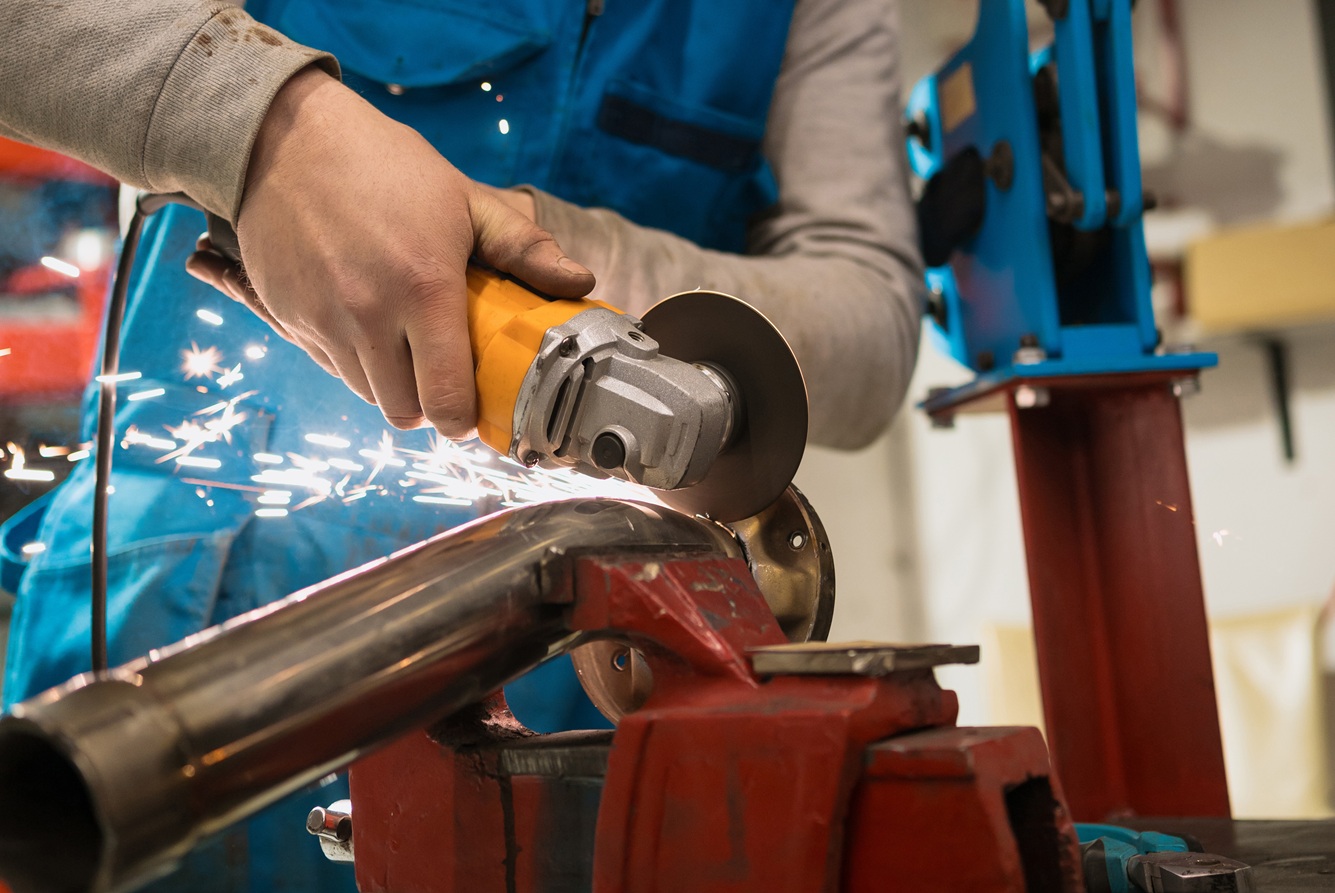
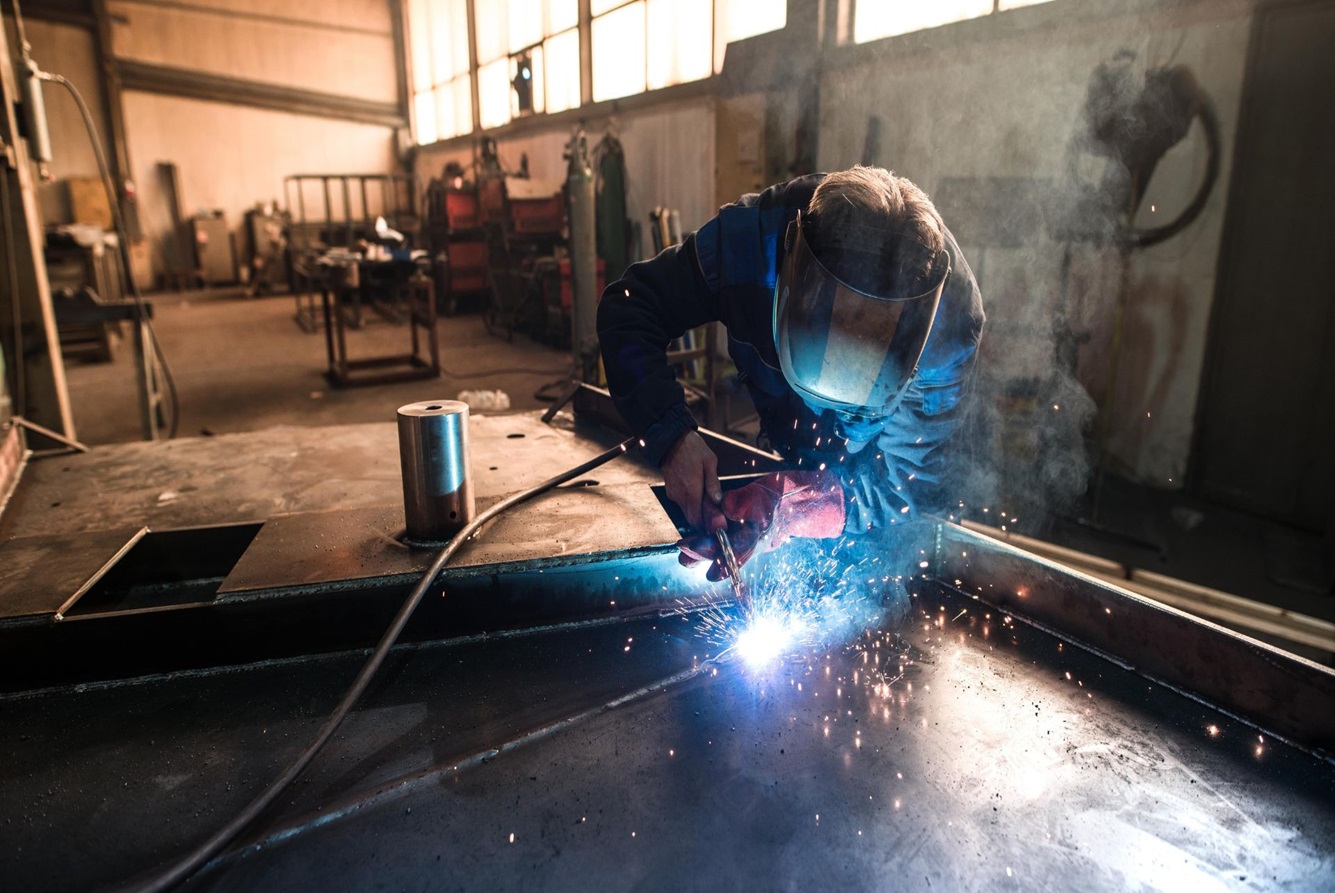
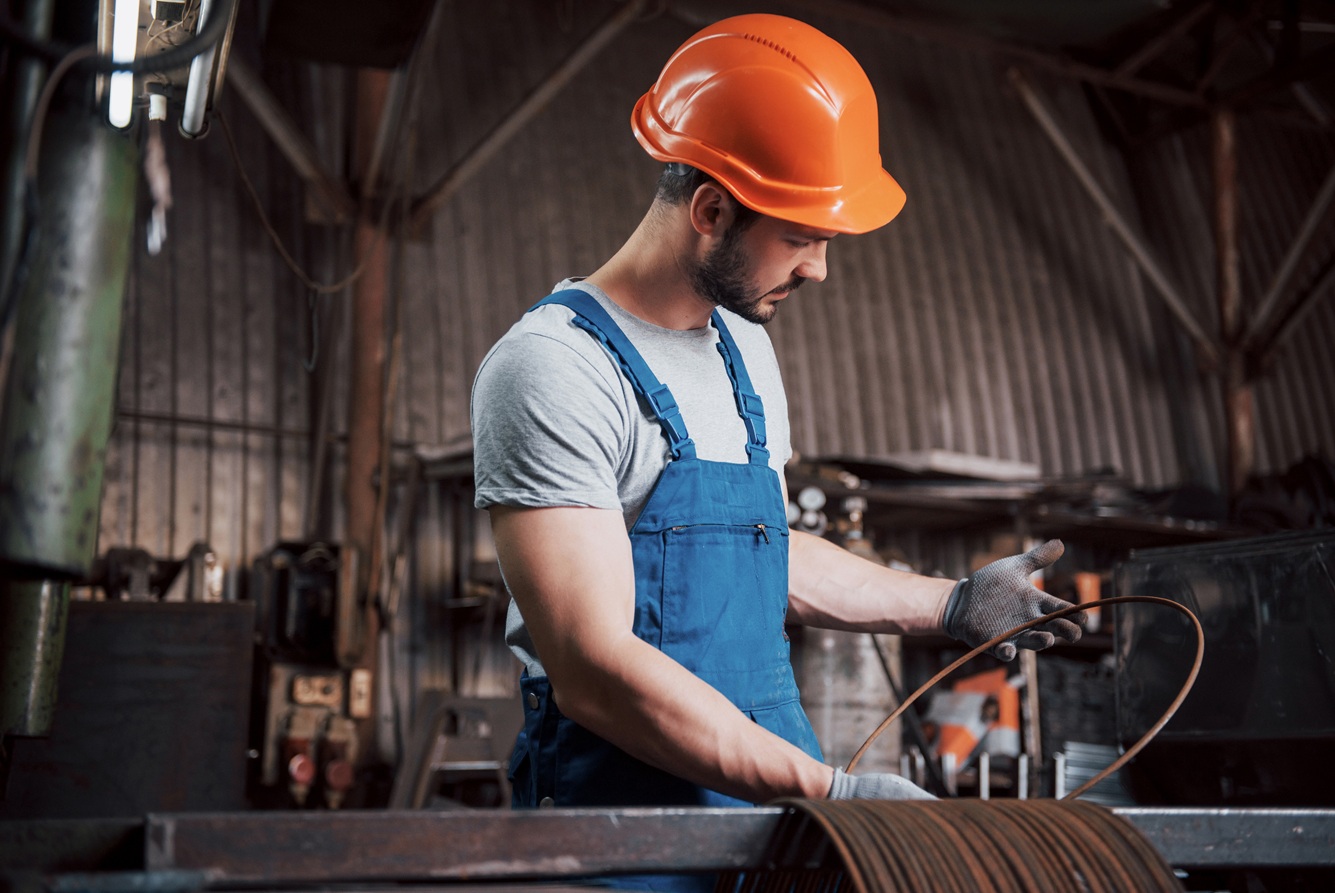
Sheet metal cutting and bending are part of your everyday life, as the various things you use and see around you are created using the two processes. These processes play a vital role in shaping products and structures across sectors, including construction, automotive, manufacturing, and aerospace.

Modern technologies such as laser cutting and bending have contributed to increasing demand for advanced metal bending services, as industries continue to depend heavily on these processes.

If you are curious and want to know which industries most rely on sheet metal cutting and bending, this blog is for you. It will help you make informed decisions when sourcing materials or selecting sheet metal bending services that meet your operational needs.

What Is Sheet Metal Cutting and Bending?

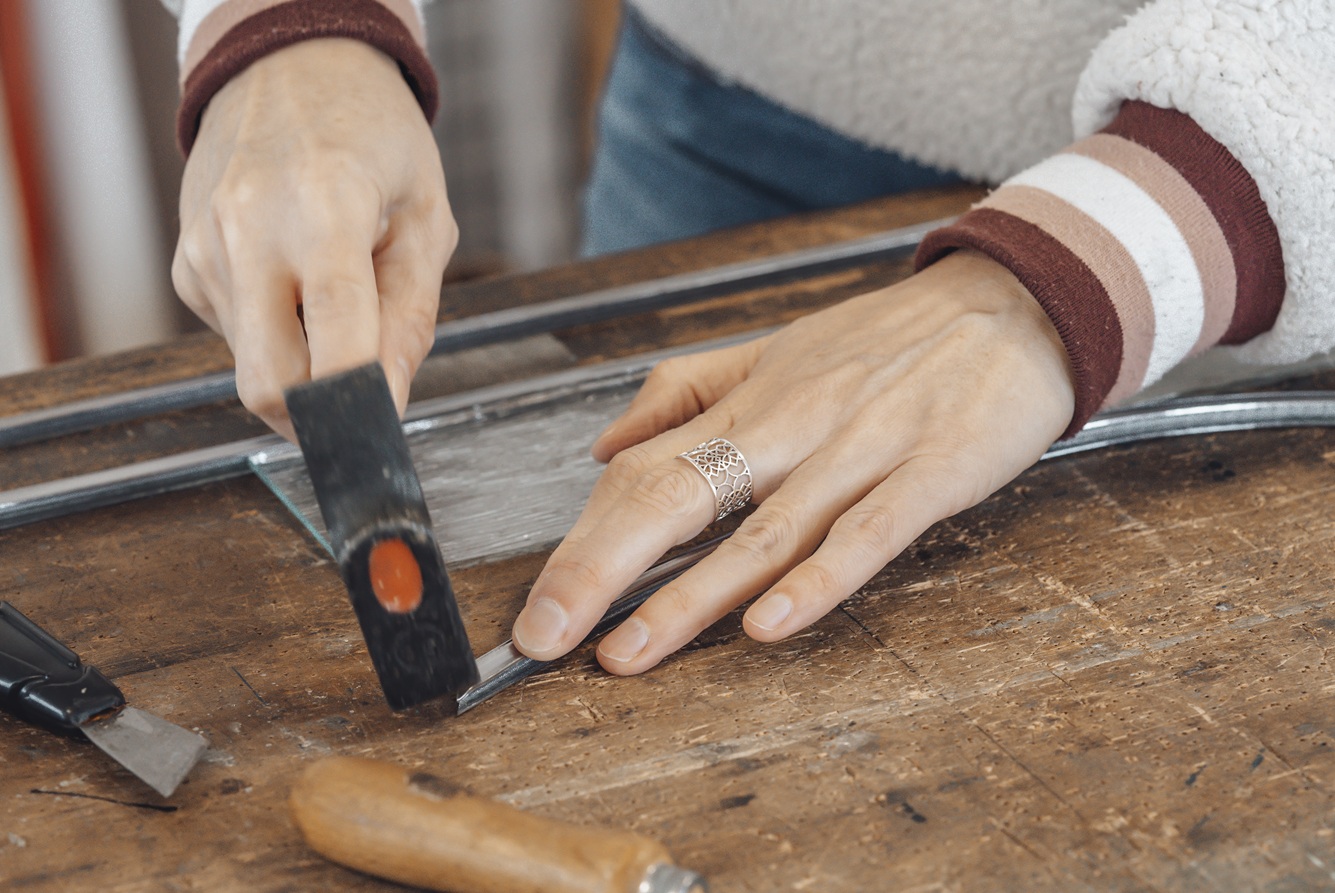
Sheet metal cutting and bending involve shaping metal sheets into functional components—cutting determines the size and dimensions, while bending gives the metal its structure.

Sounds simple, right? In reality, these processes demand precision and expertise. Metal can easily deform, crack, or warp under pressure, leading to material waste and higher production costs if not handled correctly.

Sheet metal cutting and bending are often used with steel, aluminum, stainless steel, and other alloys. The two processes offer versatility, strength, and cost efficiency.

Industries That Rely Most on Sheet Metal Cutting and Bending

The following industries rely the most on metal cutting and bending:

Automotive Industry

In the automotive industry, metal cutting and bending are used for vehicle frames, panels, brackets, and reinforcements. The sector demands precision. Tools like an aluminum bender are commonly used for lightweight components that improve fuel efficiency.

Construction and Architecture

Laser cutting and bending create roofing, cladding, frames, staircases, and structural supports from sheet metal. If you want consistent angles and strong load-bearing components, search for a reliable “metal bending service near me” to find an expert.

Aerospace and Aviation

In aerospace, accuracy and material integrity are essential. Laser cutting and bending are used to produce high-precision parts that meet strict safety and performance standards.

Manufacturing and Industrial Equipment

Factories and industrial facilities use sheet metal for machine housings, enclosures, guards, and frames. A metal roller bender produces curved components for tanks, ducts, and protective covers.

HVAC and Ventilation Industry

HVAC systems use metal cutting and bending machines for ducts, vents, and air-handling units. Secure fittings and smooth airflow can be ensured by relying on professional sheet metal bending services.

Electronics and Electrical Industry

The electrical industry relies on sheet metal cutting and bending to create electrical cabinets, control panels, and enclosures. Accurate bending ensures proper component placement and cable management while maintaining safety standards.

Renewable Energy Sector

Solar panels, wind turbines, and energy storage systems use sheet metal components for frames and housings. Durable and precisely bent metal supports long-term outdoor performance.

Tools and Equipment Used in Sheet Metal Cutting and Bending

Check out the different tools that professionals use to cut and bend the sheet metals correctly:

Sheet Metal Bender

This tool is used to bend flat metal sheets accurately and is used in construction, HVAC, and industrial applications.

Metal Roller Bender

A bender can bend cylindrical shapes with considerable ease. It’s used to produce rounded components such as tanks, pipes, and architectural features.

Aluminum Bender

An aluminum bender, as the name suggests, is used to shape lightweight components, allowing smooth bends without cracking or surface damage. It is widely used in automotive and aerospace applications.

Why Industries Prefer Professional Metal Cutting and Bending Services?

Industries prefer professional metal cutting and bending over in-house processing due to the following reasons:

  • High precision and repeatability
  • Access to advanced equipment
  • Reduced material waste
  • Faster turnaround times
  • Consistent quality across large volumes

Browsing “sheet metal bending near me”? Visit New Mexico Metals LLC, the specialized provider that can efficiently handle your complex requirements.

How to Choose the Right Sheet Metal Cutting and Bending Partner?

Here are a few factors to consider when you are choosing a metal cutting and bending partner:

  • Experience with multiple industries
  • Capability to handle various metals and thicknesses
  • Availability of modern-day equipment, such as laser cutting and bending systems
  • Commitment to quality control and safety
  • Faster turnaround
  • A good reputation among industry professionals
  • Exceptional customer service and onsite assistance
  • Competitive pricing

A dependable partner understands your needs, has ample industry experience, and helps you navigate challenges on the project.

Conclusion

There aren’t many industries that don’t rely on metal cutting and bending, as discussed in the blog above.

However, the most important thing is that you need experienced professionals to handle metal cutting and bending for your project, ensuring excellent-quality products and components.

Thus, visit New Mexico Metals LLC. We offer a complete range of metal-related services, including laser cutting and bending, and we believe in delivering quality to all our clients, whether retail or wholesale.

If you are seeking “metal bending services near me”, we are here for you. Contact us today!

Frequently Asked Questions

Que: What industries use sheet metal cutting and bending the most?

Ans: Automotive, construction, manufacturing, HVAC, electronics, etc., are some of the industries that rely heavily on metal cutting and bending.

Que: What is the difference between a sheet metal bender and a metal roller bender?

Ans: A sheet metal bender is used to bend flat metal sheets, while a metal roller bender transforms cylindrical shapes.

Que: Why is laser cutting and bending preferred in manufacturing?

Ans: Laser cutting and bending offer high precision, cleaner edges, and minimal material waste, and thus, are preferred by industries.

Que: What materials are commonly used in sheet metal cutting and bending?

Ans: Steel, aluminum, stainless steel, and copper are the most commonly used materials.

Que: Should businesses outsource metal cutting and bending services?

Ans: Businesses need access to advanced tools and consistent quality that only skilled operators can offer, and thus, they must outsource metal cutting and bending services.
Metal Shear Cutter Guide: From Manual to Electric Options

Cutting metal into smaller parts is often the first step in many industrial and construction-related processes. Metal sheets are usually shipped in uncut forms and must be cut accurately to prepare them for the intended use.

Whether you are working with thin sheets or thick steel plates, using the right sheet metal shear is important as it impacts efficiency, safety, and overall results.

Today, a wide variety of sheet metal shears is available, but it is important to know when to use an electric shear or a hydraulic shear for a specific task.

This blog discusses metal shears in detail, a complete cutter guide covering manual shears to powered alternatives.

Read on!

Read more: Which Electric Metal Shears Work Best for Heavy-Duty Jobs?

What Is a Sheet Metal Shear?

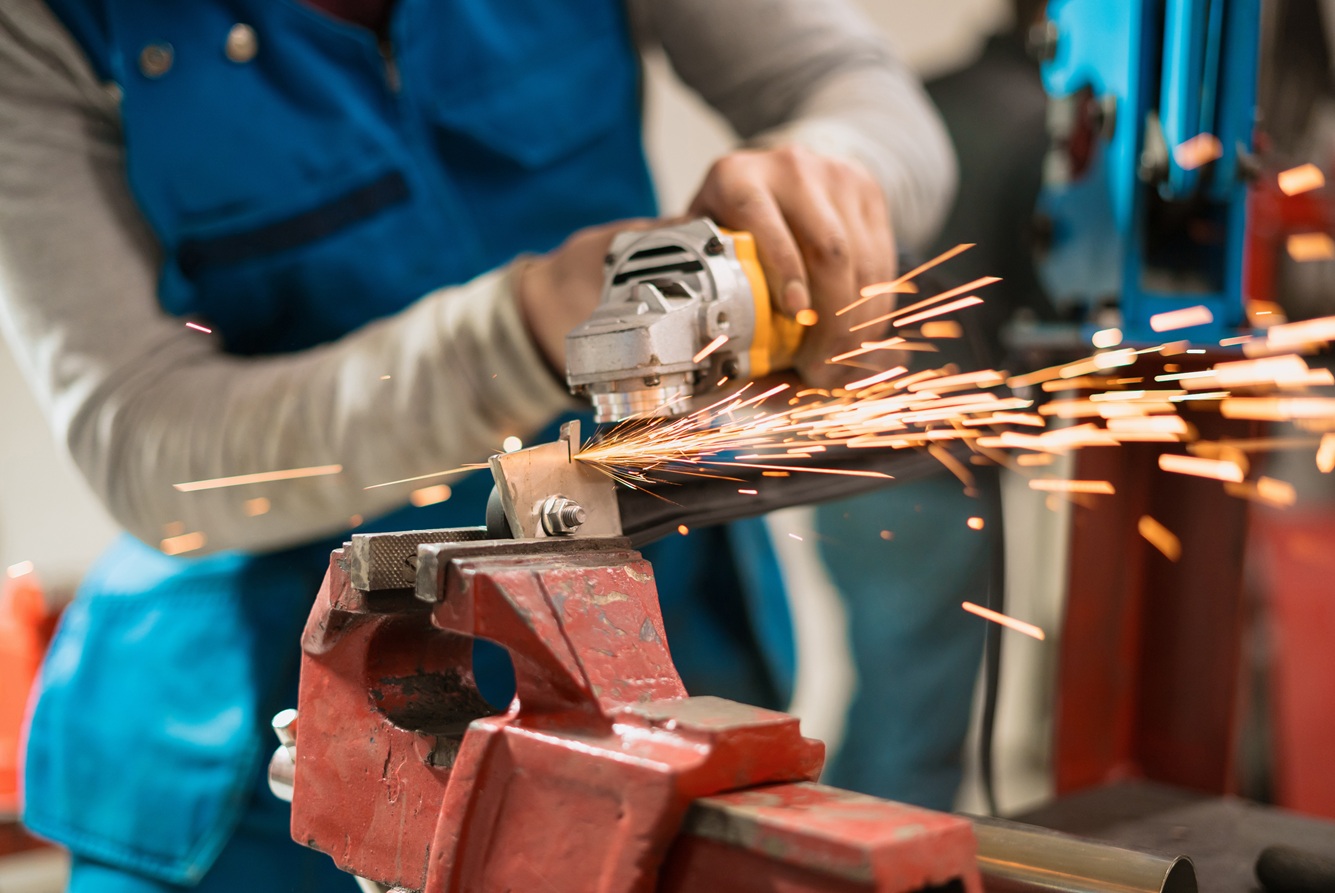
It is a cutting tool designed to slice metal sheets cleanly without producing excessive heat or sparks. Unlike abrasive cutting methods like sawing, waterjet cutting, or chop sawing, shearing relies on mechanical force to separate metal along a straight or curved line.

These shears are used across a variety of metals, including steel, aluminum, and copper.

Types of Metal Shear Cutters Explained

Check out the different kinds of sheet metal shears:

Manual Sheet Metal Shears

Manual shears are the oldest shear types, which are still trusted for light-duty and thin materials. These shears are operated by physical force. These tools are simple, affordable, and easy to use, but require significant effort for thicker metals.

Electric Metal Shears

Electric metal shears use a powered motor to cut through metal with minimal effort. They offer faster speeds and consistent results, making them suitable for medium-duty tasks and repetitive work.

Electric Drill Shears

Electric drill shears attach to standard power drills and convert rotational motion into cutting action. These tools provide flexibility and portability, making them useful for on-site work where space or power sources are limited.

Hydraulic Shear Machines

Hydraulic machines use hydraulic force to cut through thicker sheet metals with ease. They are known for heavy-duty applications and precision.

Manual vs Electric vs Hydraulic Shears: Key Differences

Here are the key differences between the three metal shear types:

  • Manual shears are best for small projects and thin materials.
  • Electric shears balance power and portability, ideal for frequent cutting tasks.
  • Hydraulic metal shears excel in high-volume or thick-material applications where strength and consistency are essential.

You must evaluate your needs and consult an expert to determine which shears would work best for you, providing superior performance and durability.

How to Choose the Best Metal Shear Cutter?

Consider the following factors when choosing a metal shear cutter:

Material Thickness: For thicker metals, hydraulic shears are best; for thin sheets, manual shears are best.

Type of Metal: Harder metals, such as carbon steel or tool steel, require electric or hydraulic solutions.

Cutting Frequency: You can use manual shears for DIY tasks, but for high-frequency cutting, powered tools are preferred.

Portability: Working on site? Electric drill shears are ideal for the same.

Precision Requirements: Powered systems are known for cleaner edges and accuracy.

If you are a DIYer, investing in equipment can be an expensive decision. However, for workshops handling diverse materials, electric shears or hydraulic metal shears can improve productivity and consistency.

Sheet Metal Shear Safety and Best Practices

As safety is paramount during metal shearing, here are a few safety practices that must be followed:

  • Wearing cut-resistant gloves and eye protection
  • Securing the metal sheet before cutting
  • Keeping hands clear of cutting edges
  • Avoiding excessive force that may damage blades
  • Following manufacturer-recommended operating speeds

These are proven tips that reduce the risk of injury and ensure cleaner, more controlled cuts.

Read more: How Do Sheet Metal Cutting Machines Ensure Precision Every Time?

Maintenance Tips for Metal Shear Cutters

Sheet metal shears are a significant investment and must be maintained properly to extend their lifespan. Here are some tips to ensure consistent performance:

  • Clean blades after each use
  • Inspect cutting edges for wear or damage
  • Lubricate moving parts as recommended
  • Replace dull blades promptly
  • Store tools in dry, controlled environments

Make it a habit to keep your metal shears in top condition and achieve quality results with every cut.

Common Applications of Electric Shears and Hydraulic Shears

Powered shears are preferred for the following:

  • Cutting steel and aluminum sheets
  • Preparing materials for bending or punching
  • HVAC ductwork and panels
  • Structural components and enclosures
  • Industrial metal processing

Electric sheet metal shears are preferred for medium-duty applications, while hydraulic shear systems are used for thick plates and continuous production environments.

Conclusion

Understanding the differences between manual, electric, and hydraulic metal shears is crucial for choosing the right tool for your project. As discussed in the blog, manual metal shears are useful for light tasks, electric metal shears remain useful for medium-duty applications, and hydraulic metal shears are used for heavy-duty and industrial applications.

While manual shears are easy to use, it is recommended to hire a professional for medium- to heavy-duty tasks. New Mexico Metals LLC is the right choice for metal shearing services in Albuquerque. We offer a complete range of metal-related services, including sawing, cutting, bending, punching, notching, and more. We can also guide you to choose the right sheet metal shears for your project.

Contact us for more information!

Frequently Asked Questions

Que: What is the difference between electric shears and electric drill shears?

Ans: Electric shears are standalone powered tools, while electric drill shears attach to a drill and use its motor for cutting.

Que: Can electric metal shears cut stainless steel?

Ans: Yes, electric metal shears can cut stainless steel if you use the right tool as per the sheet’s thickness.

Que: When should I choose a hydraulic shear instead of an electric shear?

Ans: A hydraulic shear is best suited for thick metals, high-volume cutting, and heavy industrial applications.

Que: Are sheet metal shears suitable for curved cuts?

Ans: Yes, sheet metal shears can handle gentle curves with precision.

Que: How long do metal shear cutter blades last?

Ans: Blade life depends on material type, cutting frequency, and maintenance. With proper care, blades can last for extended periods before needing replacement.

Why Metal Stamping Is Key to Modern Steel Supply Chains?

Metal stamping is one of the few processes that is used across several industries due to the accuracy, consistency, and speed it offers. In the automotive, construction, or energy sectors, they rely heavily on this process. But why? If you have the same question as to how simple steel sheets are converted into shapes and designs, and how they contribute to the modern steel supply chain, this blog is for you.

Dive deeper into the world of metal stamping.

What Is Metal Stamping?

Metal stamping is the process of creating shapes from a flat metal sheet using presses and dies. The method uses controlled force to bend, emboss, or form metal into precise components. Common materials used in stamping include carbon steel, stainless steel sheet, aluminum, and other industrial metals.

The process is known for high-volume production while maintaining tight tolerances. The ability to repeatedly produce identical parts makes stamping essential for maintaining supply chain consistency.

The Role of Metal Stamping in Steel Supply Chains

Today, industries want efficient processes. That’s where metal stamping steps in. It helps bridge the gap between raw steel and finished components by ensuring that all materials are processed quickly and accurately.

For large-scale projects such as general steel buildings, stamping ensures that structural components meet exact specifications, enabling faster assembly and fewer on-site adjustments. This reliability is crucial for meeting deadlines and controlling costs.

Advantages of Metal Stamping in Modern Production

Check out the multiple advantages of metal stamping in modern industrial settings:

Cost Efficiency

Metal stamping is a highly cost-effective method, especially for large production runs. It can produce thousands of identical parts once the tooling is set. This efficiency lowers per-unit cost.

Precision and Uniformity

Uniformity is crucial to ensure that products can fit together seamlessly. It’s something only modern machines can achieve through proper supervision. Stamped components maintain consistent dimensions, which is essential when working with steel sheet and stainless steel sheet. It also reduces onsite adjustments and work delays caused by components that need rework.

Strength and Durability

If you think that metal stamping might compromise material strength and impact its durability, you are wrong. The process enhances material strength by maintaining grain structure during forming.

Sustainability and Waste Reduction

Metal stamping not only shapes metal but also optimizes steel sheet usage, thereby reducing material wastage.

Applications of Metal Stamping in the Steel Industry

Here are the various applications of metal stamping used across industries:

  • Structural connectors and brackets
  • Panels and frames for commercial buildings
  • HVAC components
  • Industrial enclosures
  • Reinforcement elements for steel structures

How Metal Stamping Enhances the Stainless Steel Supply Chain?

Stainless steel and metal stamping go back a long way. Stainless steel is one of the widely used metals for its corrosion resistance and durability. Precision stamping allows stainless steel components to be formed without compromising their surface quality or strength.

Every industry relies on metal stamping services, which in turn depend on reliable metal suppliers and skilled metalworking experts. Metal suppliers such as New Mexico Metals LLC work with trusted steel manufacturers to source high-quality steel. It’s a supply chain that works together to ensure that industries receive components that meet strict performance standards.

Future Trends: Automation and Smart Metal Stamping

Automation is everywhere, and metal stamping isn’t untouched. Advanced presses, sensors, and digital controls allow for real-time monitoring and adjustments, improving accuracy and reducing downtime. Smart systems detect defects early, ensuring only high-quality components reach the assembly line.

As industries grow rapidly, the need for faster, more efficient metal stamping has necessitated the use of automation. In the future, it is expected to play an even greater role in meeting volume requirements.

Choosing the Right Metal Stamping Partner

Here are some key factors to consider when choosing the right metal stamping partner:

  • Someone with experience working with stainless steel sheets
  • Ability to meet volume and timeline requirements
  • Strong quality control processes
  • Consistent material handling practices
  • A knowledgeable staff
  • Advanced stamping tools and machines
  • Logistics to deliver the metal on time

A reliable metal stamping partner ensures each batch is consistent in quality and delivered on time.

Conclusion

Metal stamping requires skills, knowledge, and advanced machinery, three things that many companies lack. Thus, at New Mexico Metals LLC, we offer not only metal stamping but also other metalworking processes, including shearing, cutting, punching, and notching. We deliver precision, strength, and sustainability and support industries through unmatched excellence and reliability, working with many industries in Albuquerque.

Contact us today to learn more about our services!

Frequently Asked Questions

Que: What makes metal stamping essential in steel supply chains?

Ans: Metal stamping is fast, efficient, precise, and able to produce high volumes, ensuring smooth material flow and reliable quality throughout the supply chain.

Que: Which metals are commonly used in metal stamping?

Ans: Metal stamping is typically performed on stainless steel sheets, carbon steel, aluminum, and other industrial metals.

Que: How does metal stamping benefit general steel buildings?

Ans: Structured components are used to provide precise dimensions and structural reliability in general steel buildings.

Que: Is metal stamping suitable for stainless steel materials?

Ans: Yes, metal stamping and stainless steel go hand in hand, as the process maintains its strength, corrosion resistance, and surface quality.

Que: How is automation transforming metal stamping?

Ans: Automation is slowly shaping the future of metal stamping by improving its speed, accuracy, quality control, and efficiency.

Expert-Approved Sheet Metal Bending Hacks You Should Try

Whether you are part of a construction project or working on your DIY project, if it involves metal bending, this blog is for you.

Sheet metal bending plays a crucial role in shaping metal, and thus, achieving clean, precise bends requires skill, planning, and the right techniques.

This guide discusses the basics of metal bending, metal-bending hacks, common mistakes to avoid, and how to choose the right service provider. Whether you are working in a workshop or evaluating professional sheet metal bending services, this guide will help you.

Read on!

Basics of Metal Bending

What is Sheet Metal Bending?

It is the process of deforming metal by bending it along a straight axis to create angles, channels, and curves. It is used where cutting and welding it back isn’t feasible. It might seem like a simple process, but it isn’t, considering the metal must be bent without cracking, warping, or weakening it.

Key Factors That Affect the Bending Process

The key factors that impact the bending process are:

  • Material type (steel, aluminum, copper, stainless steel)
  • Sheet thickness
  • Grain direction
  • Bend radius requirements
  • Tooling selection

Each of these factors plays a crucial role in deciding whether the metal is even right for the bending operation. Experts also consider springback and bending radius to achieve better precision.

Expert-Approved Sheet Metal Bending Hacks

Here are some expert tips that will improve metal bending for you:

Use the Right Bending Tools and Dies

Choosing a bending tool depends directly on the material type and thickness. When the sheet metal type aligns with the right tooling and dies, the results are exceptional. Using the wrong tool can cause distortion and incorrect angles.

Calculate Bend Allowance and Deduction Correctly

Experts don’t make the mistake of ignoring bend allowance- the amount of material required to form the bend. Proper calculations prevent undersized or oversized parts and ensure the final dimensions are perfect.

Pre-Score or Groove Thick Metal Sheets

Scoring helps reduce resistance in thicker sheets by creating a partial cut along the bend line. It ensures cleaner bends with less force and reduces the risk of metal cracking.

Control the Grain Direction

Metal has a natural grain from the rolling process. Bending against the grain improves flexibility and reduces cracking. Bending with the grain can weaken the structure and cause fractures.

Optimize the Bending Sequence

Bending requires order because poor sequencing can block access to certain parts and prevent further bends. Experts map out a bend order before the operation.

Heat-Assisted Bending for Hard Metals

Experts recommend pre-heating hard metals at low temperatures before bending to achieve better results. It reduces internal resistance, making it easier to perform precise metal bending without damaging the sheet.

Use a Back Gauge for Consistent Angles

Beginners often overlook a back gauge, but experts recommend it because it keeps the sheet in the same position every time. It’s essential for repetitive bending tasks and maintaining accuracy.

Common Mistakes to Avoid in Sheet Bending

Even the smallest mistakes in sheet metal bending can be catastrophic during assembly, and thus, look out for the following common mistakes:

Using the wrong bend radius: Measure it correctly because a too-tight radius can cause cracks.

Ignoring springback: Metal tends to spring back to its original position, distorting bends. Overbending compensates for this natural reaction.

Incorrect tool selection: Choosing the wrong tool causes dents, marks, and distorted bends.

Not accounting for material hardness: Stronger metals need higher tonnage and proper setup.

Choosing the Right Sheet Metal Bending Services

Consider the following when selecting metal bending services:

  • Advanced bending machines with CNC precision
  • Knowledge of different metals and thicknesses
  • High accuracy and consistency
  • Support for both sheet metal bending and steel bending
  • Quick turnaround times
  • Expert staff

A reliable service provider has both experience, tools, and a knowledgeable staff to meet your needs.

Conclusion

Bending metal sheets like a pro isn’t impossible. All you need to do is consider the expert hacks discussed above. Implementing these hacks can dramatically improve accuracy and reduce costly mistakes.

However, the better alternative is to find an expert like New Mexico Metals LLC for metal bending services. We offer trusted sheet metal bending for complex, high-volume work across both retail and wholesale needs.

Contact us to learn more about our offerings.

Frequently Asked Questions

Que: What is the difference between sheet metal bending and steel bending?

Ans: Sheet metal bending typically involves bending thinner metal sheets, while steel bending can involve thicker plates as well as other components.

Que: Can I bend sheet metal at home without professional tools?

Ans: Yes, thin metal sheets can be bent using clamps and simple hand tools, but professional tools are required for accuracy and to reduce the risk of cracking or uneven bends.

Que: How do I prevent cracks while bending sheet metal?

Ans: Bend against the grain, use the correct bend radius, and avoid tight, sharp angles to prevent cracks and warping during bending.

Que: What materials are best suited for metal bending?

Ans: Both softer and harder metals can be bent, provided the crucial factors are considered and springback is taken into account. Aluminum, copper, stainless steel, brass, and hardened alloys are among the most common metals suitable for metal bending.

Que: Why should I hire metal-bending services instead of DIY?

Ans: Experts such as New Mexico Metals LLC have advanced machinery, knowledgeable staff, and experience in metal bending, making them more reliable than DIY methods.

Safety Tips to Follow When Working with Sheet Metal Shearing Tools

Metal tools are powerful. Whether you bend, punch, weld, or cut metal, every machine engaged in operation requires handling experience.

Sheet metal shearing refers to cutting metal with a shear force to part it into smaller sizes. Metals are hard, and cutting them is even harder. The process requires knowledge, skills, and tools. Yet, there is always a risk of injury, damage, or metal wastage.

Check out this blog to keep yourself, machines, and metals safe. Here, we have discussed some safety tips for metal shearing which will help you.

Read on!

Metal Shearing Safety Tips

Check out these safety tips for using sheet metal shears and protect yourself:

Wear Personal Protective Equipment

Depending on the size of the operation, you must dress accordingly in Personal Protective Equipment.

PPE includes gloves, safety glasses, ear protection, steel-toe boots, and long-sleeved clothing. Glasses, ear protection, and gloves are mandatory in all cases, no matter if you are sharing a single metal sheet or undertaking a large-scale operation.

If you are a professional who works on metal shearing several hours a day, ensure your safety with proper equipment. Even if you are a DIYer, it is advised to invest in adequate PPE.

Choose The Right Machine

Metal shearing requires understanding the metal first and using a machine or tool accordingly. For example, you can’t pursue a large-scale metal shearing operation with a handheld shear. Understand the metal and then choose the right metal cutting shears.

Harder metals require an even stronger blade that doesn’t burr the edges. A blunt blade might even cause an accident if the metal slips or flies around. It can be very hazardous to not invest in the right machine.

For example, you should go for a CNC machine for a larger operation where consistency and quality are paramount.

Unless you are a professional, you can’t invest in such machines.

So, visit us at New Mexico Metals LLC, and we will utilize the right machine for your operation.

Follow Machine Operating Guidelines

Every machine comes with a set of instructions on how to use it. Always adhere to the instructions.

Only allow trained professionals like New Mexico Metals LLC to undertake the operation. Also, set the parameters for different metals as prescribed in the manual. It will ensure that you don’t damage the machine by using it incorrectly.

Check the Machine Before Operation

Check the machine before every operation. Ensure it is kept on a balanced floor, the clamps work fine, and the blade is not damaged. Depending on the metal sheet, change the blade if needed. Check out loose components and whether all electrical connections are intact. Only after ensuring that the machine is in optimum condition should you commence operation. It will help avoid accidents and injuries during operation.

Also, new machines are equipped with emergency stoppers which shut the machine down during a mishap. So, invest in advanced machines.

Electrical faults are also one of the major reasons for operational accidents. So, always ensure that all electrical connections are intact. Connections to the right power source are also crucial.

Maintain Workspace Organization

The area around the electric metal shears should be clean and clutter-free. Always clean up after an operation and clear the workspace to avoid accidents.

Improper lighting can always be a major contributor to mishaps. So, ensure proper lighting around the workspace.

Specify Emergency Procedures

In DIY operations, where you work alone or with friends, you should have specified emergency procedures. Keep fire extinguishers and first aid kits ready. Also, keep hospital and emergency contacts handy for emergencies.

For small fabricators, it is crucial to invest in workforce training. Invest time in practice drills to ensure everyone knows the best metal shearing practices and all emergency procedures.

For large workshops, whether personal or professional, it is crucial to have marked hallways for emergency exits during a fire or electrical fault.

What is The Best Safety Tip for Metal Shearing?

The best safety tip for metal shearing is to consult and hire a professional for every operation, whether a DIY project or a large industrial one. Professionals know the best practices, have relevant experience, and have the right machines and tools for all metal types. They will ensure that the metal is sheared correctly, and it will ensure the success of your operation.

Conclusion

Your best option for metal shearing in Albuquerque is New Mexico Metals LLC. We are known for delivering on our promises. Superior quality is our first goal. We have a trained workforce and advanced machines.

Our electric metal shears include Cincinnati 1810 ¼” x 10’ mechanical shear, Pexto Mechanical shear, and GEKA Ironworker, which shear every metal type easily and precisely, guaranteeing quality.

For any metal shearing needs, contact us today!

The Evolution of Metal Punching and Notching Tools

Metal punching and notching are two of the most vital processes in metalworking. What’s remarkable is the myriad of changes these two processes have undergone over the years.

These are used across industries to create openings, angles, and shapes in sheet metal with speed and precision. For contractors, metalworkers, and engineers, it’s vital to understand the evolution of these tools to select the best equipment for the various applications.

This blog dives into the same, discussing how sheet metal notchers and punching tools have evolved.

What is Metal Punching?

Metal punching is the process of forcing a punch through sheet metal to create a distinct shape or hole. The tool uses shear force to separate the metal within the sheet’s perimeter, without damaging the sheet.

The process is known to create:

  • Bolt holes
  • Electrical panel openings
  • Industrial brackets
  • Clean cutouts in sheet metal

Modern punching tools range from handheld punches to high-powered automated systems.

What is Metal Notching?

Notching operation in sheet metal refers to removing a metal piece from the edge or corner of a metal sheet to create bends, joints, and custom shapes. Notching is used for:

  • HVAC ductwork
  • Metal enclosures
  • Structural frames
  • Industrial equipment

A sheet metal notcher produces precise corners and angles, making it a crucial step in assembly.

Evolution of Metal Punching and Notching Tools

Modern metal punching and notching tools differ significantly from the earliest ones.

At first, metalworkers relied on chisels and hammers. Then, they moved to lever-based punch tools, making the task easier and more consistent.

It was during the Industrial Revolution that mechanical punch presses and early notching machines were introduced. They were capable of repetitive, high-volume production.

Today, punching and notching have reached new levels of sophistication:

  • Hydraulic machines are used in industrial settings. They achieve great results using their immense force and minimal effort.
  • Electric and pneumatic tools are available for both small and large jobs, offering precision and speed.
  • CNC machines are used across industries for their accuracy to fractions of a millimeter.
  • Modular dies and punch sets allow versatility for different applications.

This evolution reflects the growth of machines as needs evolved over the decades.

Types of Sheet Metal Notchers and Punching Tools

The various types of notching and punching tools differ in terms of power, speed, precision, and portability. Some of those are discussed below:

Handheld Punch Tools: These are small and portable, usually electric-powered, and ideal for smaller jobs.

Bench-Mounted Metal Hole Punch Machines: Handheld tools cannot easily penetrate thicker material, so bench-mounted machines are used because they offer greater leverage.

Hydraulic Sheet Metal Notchers: These are known for their immense force and clean cuts with minimal effort, making them ideal for industrial settings.

Corner Notchers: Commonly used in HVAC and structural framing, these notch corners at preset angles with precision.

CNC Punching Machines: These are automated machines that are capable of producing thousands of identical punches. These are used in high-precision industrial applications.

Key Benefits of Modern Metal Punching and Notching Tools

The evolution in metal notching and punching offers several advantages:

  • Higher precision due to refined cutting mechanisms
  • Faster production with automated systems
  • Cleaner edges and minimal deformation
  • Greater versatility across multiple metal types
  • Improved safety with modern guarding and control systems
  • Reduced operator fatigue thanks to hydraulic and electric tools

Industries that work with sheet metal benefit from the faster speed, improved performance, and consistent quality.

Choosing the Right Sheet Metal Notcher for Your Project

Selecting a sheet metal notcher might seem like an easy decision, but it isn’t, because you need to consider the following factors:

  • The material thickness you plan to notch
  • Type of angles or shapes needed
  • Volume of production
  • Power source (manual, hydraulic, electric)
  • Precision requirements

Small jobs require manual notchers, while high-precision applications require CNC metal-punching and notching tools. For heavy-duty work or frequent use, a hydraulic sheet metal notcher offers the best power.

The Future of Notching and Punching Technology

Every industry is moving towards automation and robotics. It’s not far-fetched to expect that metal notching and punching will be automated in the future, improving energy efficiency and enabling smarter operations.

Some of the expected innovations are:

  • AI-assisted cutting adjustments for enhanced accuracy
  • IoT-enabled punch machines that track performance
  • Eco-friendly power systems reduce energy consumption
  • Advanced composite dies for longer service life

Conclusion

Metal punching and notching have come a long way from their early manual origins. Today’s tools, whether simple metal punches or high-powered hydraulic notchers, deliver unmatched precision, convenience, and efficiency.

Not every company can invest in modern metal notching and punching tools. You need the services of a metal notching and punching expert to achieve greater accuracy, smoother operations, and enhanced safety. Contact New Mexico Metals today!

Frequently Asked Questions

Que: What is the difference between metal punching and metal notching?

Ans: Metal punching removes metal from within the perimeter of a sheet of metal, while metal notching removes metal from the corners or edges, making it fit for assembly or bends.

Que: What is a notching operation in sheet metal used for?

Ans: It refers to removing material from specific locations on sheet metal to allow bending, forming, and assembly.

Que: What are the advantages of using a hydraulic sheet metal notcher?

Ans: Hydraulic sheet metal notchers offer precise results, fast operation, and can handle tougher metals.

Que: Can metal punching and notching be done on all types of metals?

Ans: Meta punching and notching tools work on almost all metals, including copper, aluminum, brass, steel, and special alloys.

Que: How has technology improved metal punching and notching tools?

Ans: Modern tools feature hydraulic systems, CNC automation, improved blade alloys, enhanced safety systems, and high-precision controls.

The Hidden Process: Turning Steel Iron Ore into Stainless Steel

While stainless steel is widely used across many industries, not everyone knows where it comes from, how it is made so strong, corrosion-resistant, and durable, and what makes it indispensable.

If you are also unaware of the inception of stainless steel, this blog is for you. It covers the journey from steel iron ore to the final finished product. Whether you are an individual or a business searching for stainless steel suppliers near me, understanding the process will help you make the right choice when choosing the different grades.

Read on!

What Is Stainless Steel?

Stainless steel is an alloy made of iron, chromium, nickel, carbon, and other elements. Chromium is the element responsible for the protective layer that prevents the metal from rusting and corroding.

Some of the common uses of stainless steel are:

  • Structural components
  • Food processing equipment
  • Medical instruments
  • Automotive parts
  • Household products
  • Kitchen items
  • Home interior designs such as railing, balustrades, finishing touches, etc.

Evidently, stainless steel has varied uses, and most importantly, there is a need for quality stainless steel for these applications.

The Origin: Extracting and Refining Steel Iron Ore

The journey of stainless steel starts with mining iron ore. It is the basic raw material that is used to extract iron. It occurs in many forms, such as hematite, magnetite, limonite, and siderite. Once extracted, it undergoes crushing, screening, and refining to remove impurities.

The key steps of processing iron ore are:

Crushing & Screening: The extracted material is screened, and smaller pieces are removed that don’t fit the crusher’s gap. The larger rocks are sent to the crusher for crushing into smaller pieces.

Grinding: The smaller rocks are then fed into the grinder to separate iron ore from the rocks.

Magnetic Separation: Unwanted materials are removed at this stage using magnets.

Pelletizing: Small pellets made from processed iron are carried to the blast furnace.

Smelting: The process in which coke and limestone are added to iron pellets. Limestone removes impurities, while coke burns in a hot air blast to produce carbon monoxide, which reduces iron oxide and produces molten iron.

The Transformation: How Steel Iron Ore Becomes Stainless Steel?

Below is the detailed process of converting iron into steel:

Step 1: Ironmaking

Iron pellets are burned in a blast furnace with limestone and coke to remove impurities and create molten iron.

Step 2: Steelmaking

The molten iron is transferred to a furnace, where oxygen is blown through it to remove excess carbon. Alloying elements like chromium and nickel are added.

Step 3: Refining

To achieve precise stainless steel grades, the composition is altered to create different grades.

Step 4: Casting and Shaping

The refined stainless steel is cast into slabs and pellets. These forms are then shaped into sheets, bars, tubes, and coils to meet industry needs.

It is the stage at which a steel manufacturer ensures accuracy, consistency, and high performance.

Manufacturing Excellence: Inside a Stainless Steel Manufacturer’s Facility

The steps shared above are the basic ones. In addition to those, steel requires finishing to improve its performance. Processes such as hot rolling, cold rolling, annealing, and pickling improve hardness, corrosion resistance, and surface finish.

These processes are essential for manufacturers to ensure:

  • Material purity
  • Dimensional accuracy
  • Surface consistency
  • Mechanical strength

Manufacturers are responsible for ensuring that the steel that crosses their threshold is top-quality and ready for distribution to stainless steel suppliers.

Stainless Steel Sheet Suppliers: Where Quality Meets Variety

Stainless steel sheet suppliers are not just suppliers but also important partners on your project, offering a wide range of thicknesses, surface finishes, and grades. These sheets are used across many industries, including construction, automotive, manufacturing, and heavy machinery. A good stainless steel sheet supplier offers a variety of grades. Some of the popular grades are:

  • 304 stainless steel sheet
  • 316 stainless steel sheet
  • Brushed finish sheets
  • Mirror finish sheets

When sourcing stainless steel sheets, it’s crucial to discuss your needs with the supplier so they can guide you in choosing the right quality. Expert suppliers offer this service to their clients.

The Role of Stainless Steel Suppliers in the Industry

Stainless steel suppliers act as the bridge between manufacturers and end users. They ensure:

  • Reliable stock availability
  • Competitive pricing
  • Guidance on material grade
  • Fast deliveries
  • Access to specialized forms like tubing, bars, or sheets

Whether you are a contractor, engineer, or builder, working with a dependable steel supplier is crucial for project efficiency and consistent material quality throughout the project.

Applications of Stainless Steel Products in Modern Industries

Because of its corrosion resistance and durability, stainless steel is used across multiple sectors:

Construction: Used to make railings, cladding, beams, and even interior decorative items.

Automotive: Exhaust systems, trims, and finishing touches are made using steel.

Medical: Its corrosion resistance makes it the right fit for surgical tools and hospital equipment.

Food Processing: Industrial kitchens and piping rely on stainless steel

Energy: Heat exchangers and power plant components are made of stainless steel

Stainless steel is a part of everyday life, from households to high-tech engineering; it is everywhere.

Sustainability and Recycling: Giving Stainless Steel a Second Life

Stainless steel is one of the most recyclable metals. Up to 90% of stainless steel products are made from recycled material, making it both cost-effective and eco-friendly.

Sustainability benefits include:

  • Reduces the mining of iron ore
  • Lower energy consumption
  • Minimal waste
  • Long product lifespan

Stainless steel allows companies to make eco-conscious decisions by choosing recycled steel products.

Conclusion

When you are in a business where stainless steel is a core component, it’s crucial to understand the journey of iron ore to stainless steel. Why? Because then you can choose a stainless steel supplier who sources stainless steel materials from quality manufacturers and guides you in making the right decision for your project.

If you are searching for the same in Albuquerque, visit us at New Mexico Metals LLC. We are the best stainless steel suppliers in town and stock the widest range of steel products to meet your specific needs.

Whether you need wholesale or retail, we are here to serve you.

Contact us today!

Frequently Asked Questions

Que: What is the difference between steel and stainless steel?

Ans: Steel is primarily iron and carbon, but when chromium, nickel, and other elements are added, it becomes corrosion-resistant and more durable. Both have their distinct uses.

Que: How is stainless steel made from iron ore?

Ans: Iron ore is refined, processed, and alloyed with other elements to make stainless steel.

Que: Who are the leading stainless steel manufacturers?

Ans: There are multiple steel manufacturers across the US, Europe, Japan, and South Korea that produce high-quality steel.

Que: Where can I find reliable stainless steel suppliers near me?

Ans: When browsing “stainless steel suppliers near me” in Albuquerque, New Mexico Metals LLC is the best place to source top-quality steel.

Que: What are the most common stainless steel products used today?

Ans: Sheets, bars, tubes, coils, kitchen equipment, medical tools, and structural components are among the most widely used stainless steel products.

Common Mistakes to Avoid in Sheet Metal Bending

Metal bending is one of the most revered processes in metalworking due to its simplicity and versatility. It creates shapes from flat sheets of metal for multiple purposes. It requires knowledge, skill, consistency, and accuracy to bend the metal correctly and achieve clear, consistent results.

Even the smallest error can compromise quality and render the metal useless, and thus, you must equip yourself with the required knowledge so you can avoid the common mistakes and achieve flawless results.

This blog discusses some common sheet metal bending mistakes so that you can avoid them.

Read on!

Why Precision Matters in Metal Bending?

Precision matters in every process, and metal bending is no exception. The angle, radius, and position of each bend directly affect the final assembly’s strength and fit. A single mistake can render the entire assembly useless.

Thus, professionals use advanced machines that ensure that every bend meets the specifications. The machine determines the optimal tolerance levels, saving time, minimizing material waste, and ensuring the integrity of the finished product.

Top 7 Common Mistakes to Avoid in Sheet Metal Bending

Here are the top seven mistakes that most people make in metal bending:

Ignoring Material Type and Thickness

Every metal is unique and thus requires a thorough understanding of its properties. Therefore, you should be familiar with the characteristics of metals such as stainless steel, aluminum, and carbon steel, among others. These have different levels of ductility and strength. Failing to understand material type and thickness can lead to cracking, uneven bends, or excessive deformation.

Incorrect Bend Allowance Calculations

Bend allowance refers to the extra material needed to form the bend. Incorrect calculations can result in parts being undersized or oversized. Failing to use precise measurements can render the metal useless.

Not Considering Grain Direction

Metals have grain directions that decide how the metal will bend. Bending a metal against the grain direction can cause it to crack, while bending perpendicular provides greater flexibility. It is one of the most overlooked aspects in metal bending.

Using the Wrong Tooling or Die Width

Selecting the wrong punch or die can result in poor-quality bends and excessive wear on the tooling. You need a die opening that is eight times the thickness of the sheet to achieve the correct bend radius.

Overlooking Springback Compensation

Metals can be challenging to bend because they tend to “spring back” — meaning the material tries to return slightly to its original shape after bending. This springback affects the precision of the bend angle. To achieve accurate results, the bend must typically be over-compensated to account for this natural rebound.

Neglecting Safety and Setup Checks

Neglecting safety and machine setup can lead to misaligned bends or tool damage. Secure the sheet and position it properly before starting, as failure to do so can cause material waste and tool damage.

Skipping Quality Inspection After Bending

Inspection is a non-negotiable step in every metal bending process. Therefore, you should never skip inspection and ensure that all dimensions and angles match the blueprint exactly.

Pro Tips for Perfect Sheet Metal Bends

Check out these tips to achieve flawless bends:

  • Always select materials that are compatible with your chosen bending method.
  • Use proper lubrication to prevent surface cracks.
  • Follow standard bend radius guidelines for each material.
  • Keep tooling clean to avoid scratches and dents.
  • Double-check alignment before applying force.

Professionals offering metal-bending services recommend these tips to maintain consistent accuracy and quality.

The Role of Technology in Modern Metal Bending

The latest machines and tools have revolutionized accuracy and efficiency. CNC-controlled metal-bending machines can perform complex bends with minimal manual adjustment. Industries are more inclined towards using automated machines to reduce errors and achieve consistent results for larger batches.

Additionally, machines are now equipped with design software. It helps predict springback and automatically adjust angles, achieving the correct bend without rework.

How to Choose the Right Metal Bending Company?

Here is what to look for in a metal bending company:

  • They should have relevant experience in handling various metals and thicknesses.
  • They should have advanced machinery to fulfill your bending needs.
  • Ensure they have quality control policies in place.
  • They offer comprehensive services under one roof, including shearing, sawing, cutting, bending, punching, etc.
  • They are renowned for their high-quality services and timely delivery.
  • They offer transparency and affordable prices.

Partnering with the right metal bending professional is crucial to the business, ensuring efficiency, quality, and reduced operational costs.

Conclusion

Even experienced professionals can make mistakes. However, it’s essential to take measures to avoid these mistakes, which can lead to material waste, production delays, and increased costs.

We discussed the most common mistakes in the blog above. You can avoid these mistakes altogether by partnering with experts, such as New Mexico Metals LLC.

When you browse “sheet metal bending near me” in Albuquerque, you will find that New Mexico Metals LLC is the reliable and trusted metal supplier and service provider in the area. We have the latest machines, years of experience, and a trained staff that sets us apart from our peers.

Visit today to learn more about us!

Frequently Asked Questions

Que: What is the most common mistake in sheet metal bending?

Ans: Failing to understand the material and choosing a machine accordingly is the most common mistake in metal bending.

Que: How do professionals avoid errors in metal bending?

Ans: They use proper bend allowance calculations, account for springback, and rely on CNC-controlled equipment to ensure uniformity and precision.

Que: What metals are best suited for sheet metal bending?

Ans: The choice of metals for metal bending depends largely on the required application and durability.

Que: What should I look for in a metal bending company near me?

Ans: Look for a company with experience, a good reputation, and proven quality control standards.

Que: Can sheet metal cutting and bending be done in one process?

Ans: Yes, CNC machines can combine sheet metal cutting and bending in an angle workflow.

Why Every Contractor Needs a Trusted Steel Supplier Partner?

If you are a contractor and you are reading this blog, you already know why it’s important for you to have a reliable stainless steel supplier. However, if you don’t, this blog is for you.

Let’s understand why.

If you need smooth project execution, guaranteed strength and durability, and reduced raw material cost, you need someone who understands your business and the industry. Partnering with steel suppliers might sound easy, but it isn’t. In today’s competitive landscape, it is challenging to find a supplier that can deliver high-quality materials on time.

Thus, read this blog, and learn what role steel suppliers play in the construction industry and how they help you.

Read on!

The Role of Steel Suppliers in the Construction Industry

There is no product without raw materials. Similarly, there is no strength in a project without the right metal supplier. They supply the right materials for each project, ensuring access to various grades of steel, handling logistics, and maintaining uninterrupted supply chains.

Be it beams, fittings, frames, or structural steel, a dependable supplier ensures that contractors have all the materials they need and when they need them. It’s the reliability that separates a good supplier from his peers.

Key Benefits of Partnering with a Trusted Steel Supplier

Partnering with a trusted steel supplier brings the following benefits:

Assured Quality and Material Consistency

A reliable steel supplier ensures that every batch of material meets strict quality standards. The consistency ensures that the structure’s strength and integrity are maintained.

On-Time Deliveries and Reliable Logistics

Even the best quality material is useless if not delivered on time. Delays in construction projects can cost thousands of dollars and impact everything from workflow to productivity. Therefore, you require a supplier with a streamlined logistics network and efficient inventory systems to ensure timely deliveries and efficient handling.

Competitive Pricing and Cost Efficiency

When working on a large construction project, it is essential to partner with a supplier that offers loyalty and bulk purchase discounts to secure competitive pricing. It helps with the budgets and makes the project more cost-effective.

Technical Expertise and Material Recommendations

An experienced supplier not only delivers materials but also provides the necessary insight into material selection, grades, coatings, and finishes suitable for the project. They can also offer on-site assistance when needed.

How Steel Building Manufacturers Support Contractors?

Suppliers procure materials from steel building manufacturers, and ensure that the metal quality adheres to the applicable standards. Steel suppliers then design custom components that fit seamlessly on assembly without any rework.

It is highly beneficial to partner with a reliable steel supplier when working on a time-sensitive project that requires custom-made metal components.

Common Challenges Without a Reliable Steel Partner

Contractors without a reliable steel supplier face the following challenges:

  • Inconsistent material quality leading to structural issues.
  • Delayed shipments that disrupt project timelines.
  • Higher costs due to poor procurement planning.
  • Limited technical support makes material selection more complex.

These issues can pose significant difficulties in completing projects on time and maintaining a good reputation.

What to Look for When Choosing a Steel Supplier?

Consider the following factors when searching for a trusted stainless steel supplier:

  • Industry experience and a good reputation for past work.
  • They should offer a wide range of metals, from stainless steel to aluminum, copper to brass, and many more.
  • Certifications and compliance with quality standards.
  • Efficient logistics and delivery network.
  • Customer support and technical on-site assistance when needed.
  • Transparent and affordable pricing.

Selecting a supplier can take time, but once you find a reliable one, the long-term partnership will benefit you in multiple ways.

The Future of Contractor-Supplier Collaboration in Construction

Contractors are no longer seeking just another supplier, but rather someone who also embraces technological advancements. It is crucial because modern machines offer creative freedom to designers and contractors, allowing them to experiment and create captivating designs.

Additionally, sustainability has become the new standard, and you require a supplier that adopts eco-friendly practices, such as recycling and low-carbon production, in alignment with global environmental goals.

Conclusion

A trusted steel supplier is a partner who can make or break your project. To complete a project successfully, you need quality, experience, low cost, timeliness, and consistency. And that’s possible only when you choose the right supplier.

Visit us at New Mexico Metals LLC, the premier supplier of top-notch steel in Albuquerque. We offer the highest-quality metals, including steel, aluminum, structural steel, copper, brass, bronze, and other alloys.

Give us a call for more information!

Frequently Asked Questions

Que: What is the main difference between a steel supplier and a steel manufacturer?

Ans: A steel supplier sells the metal while the manufacturer produces it.

Que: Why should contractors partner with stainless steel suppliers?

Ans: Contractors require stainless steel suppliers to deliver cost-effective, high-quality metal and metal components on time, ensuring the durability and longevity of their projects.

Que: How do steel building manufacturers help in construction projects?

Ans: They design and supply pre-engineered steel components, ensuring faster construction, reduced waste, and easier assembly.

Que: What are the signs of a reliable metal supplier?

Ans: A reliable metal supplier delivers consistent material quality, transparent pricing, reliable delivery, and excellent technical support.

Can a Hand-Held Metal Punch Handle Thick Metal Sheets?


Metal punching isn’t merely about creating holes; it is a fundamental process in industrial and commercial operations. It is used to create openings, slots, and shapes in different types of metal. The right tool ensures that the rendered metal sheet is punched as intended.

There are several tools and machines used for metal punching, and hand handheld metal punch is one of them. It is a widely popular tool, but it often makes operators wonder how much thickness it can handle.

Understanding the tools and machines is important so you can pick the right one for your needs. This blog has discussed sheet metal punch hole tools in detail, their limitations, and when it’s the right time to use an industrial metal hole punch.

Read on!

What is a Hand-Held Metal Punch?

A hand-held metal punch is a compact tool designed to create simple holes in thin to medium-thick metal sheets. It features the standard punch and die mechanism and is ideal for smaller jobs. These punching tools are both manual and powered, as well as portable, affordable, and easier to handle.

They are commonly used for:

  • Light-duty sheet metal work
  • HVAC panels
  • Aluminum and copper sheets
  • Electrical boxes
  • Thin brackets and plates
  • DIY projects

These are essential tools in any operator’s arsenal, but they can’t match a heavy-duty industrial metal hole punch.

Material Thickness and Tool Capacity: The Key Factors

The ability of any metal punch tool to handle thick metal depends on:

  • Material type (mild steel, stainless steel, aluminum, copper)
  • Material hardness
  • Sheet thickness
  • Punch and die size
  • Tonnage capacity of the tool

For example:

A typical hand-held metal punch works best on metal sheets between 16 gauge to 12 gauge.

Thicker materials require significantly more force and often exceed manual punch capacity.

Harder metals, such as stainless steel, require more force to punch, making manual tools less suitable for this purpose.

Limitations of Hand-Held Metal Punches

Hand-held punches have certain limitations, such as:

Limited Tonnage: They are only suitable for thin to medium metals and are unable to punch through thick or hard metals, such as stainless steel.

Risk of Tool Damage: Forcing the tool onto thick metal can damage both the tool and the metal.

Imprecise Results on Thick Metal: It is difficult to achieve cleaner holes on thick metals.

Operator Fatigue: Punching thicker metals manually requires more strength, which reduces consistency and causes unnecessary operator fatigue.

These are the various reasons that have encouraged businesses and industries to switch to powered and industrial metal hole punches.

When to Use an Industrial Metal Hole Punch?

It’s appropriate to use an industrial punching machine when working with thick or harder materials. These machines are preferred due to:

  • Higher punching force
  • Better accuracy
  • Cleaner hole finish
  • Compatibility with larger dies
  • Longer tool life

Industrial punches are designed to punch through structural steel, thick iron components, and other stronger metals, used in heavy-duty industries.

The Role of Hydraulic Metal Punching Machines

Hydraulic metal punching machines are one of the strongest and are used exclusively for thicker metals in large-scale operations. They utilize hydraulic pressure to generate an enormous force, punching through the thickest metals with considerable ease.

They are used for:

  • Stainless steel
  • Thick plates
  • High-volume punching
  • Large-diameter holes

Hydraulic punches are known for their cleaner holes, minimal distortion, and faster speed, which makes them a favorite in industrial settings.

Choosing the Right Metal Punch Tool for Your Needs

Here are a few key factors to consider when choosing between a hand-held punch, an industrial punch, or a hydraulic machine:

Material Thickness: Thicker metals require stronger machines, such as hydraulic or mechanical punches.

Material Type: Softer metals, such as aluminum, work well with hand-held machines, while stainless steel and hardened metals require greater tonnage.

Hole Size: The larger the holes, the more force is needed.

Work Volume: Hand-held punches are not meant for industrial operations.

Portability: Manual punches are easily portable and affordable, while machines are ideal for shop settings.

Affordability: Manual punches are very affordable, whereas hydraulic, mechanical, and CNC machines require a significant investment.

Conclusion

A hand-held metal hole punch is a versatile tool, but it is not meant for thick and hard metals. For tougher metals, you need hydraulic or mechanical machines.

If you are unsure about which metal hole punch is needed for your operations, visit New Mexico Metals LLC in Albuquerque, your reliable and trustworthy source for all your metal needs. We offer precision, power, and long-term reliability, thanks to our state-of-the-art machines and trained staff.

For more information, give us a call today.

Frequently Asked Questions

Que: What is the maximum thickness a hand-held metal punch can handle?

Ans: A hand-held punch can work well up to 12–16 gauge mild steel. Beyond that, punching becomes difficult and may damage the tool.

Que: Can I use a hand-held metal punch on stainless steel?

Ans: Yes, you can use it on very stainless steel sheets. If it is harder and thicker, you need a hydraulic or industrial punch.

Que: What’s the difference between a hand-held punch and a hydraulic punch?

Ans: A hand-held punch relies on manual force, while a hydraulic punch uses hydraulic pressure to generate high tonnage and punch through thick metals easily.

Que: How do I ensure clean holes in thick metal?

Ans: Use a hydraulic punch, sharp dies, proper lubrication, and correct alignment to achieve smooth, burr-free holes.

Que: Is it worth investing in a hydraulic metal punching machine for small projects?

Ans: A CNC machine is worth it if you need it for industrial operations. However, for occasional uses, renting is the wiser choice.